1. SpaceEngine
  2. News

SpaceEngine News

0.990.42.1830 and 0.991 Public Beta, Ongoing Work

A new update, version 0.990.42.1830, is now available for public beta testing (how to join the beta). It features new exoplanets discovered since SE's initial release on Steam, new/updated textures for Mars, Pluto, and Iapetus, and some fixes and improvements.

Updates:
  • Updated exoplanets catalog
  • Added new names of 112 exoplanets and their host stars
  • Updated Mars texture
  • New Pluto texture
  • New Iapetus texture and elevation map
  • New soundtrack by Lokijar
  • Context music playback config file is updated to the new planet classification, small manual is added to it
  • Some updates in the Wiki
  • Added ability to directly specify planet palette preset in a planet's script
  • Probabilities of equatorial ridge generation are added to the config
  • Terrain shader mods are automatically disabled if they cause problems with SE startup
  • Added note to spacecraft manager that ships can be piloted in simulator mode, and a button to switch to it
  • Added buttons binds and help texture for Vive Cosmos controllers

Fixes:
  • Fixed giant scarps (cliffs) artifact near rift valleys
  • Fixed distance to Maffei 1 and 2 galaxies
  • Fixed a typo in the main config which caused duplication of the VR section
  • Fixed bug with stars not illuminating other stars in the same system (caused black brown dwarfs)
  • Fixed saturation of planet shine lighting in real exposure modes
  • Fixed crash when using telescopic zoom on galaxy clusters
  • Fixed baseline of subscript text
  • Fixed broken loading of RLE-compressed TGA files

[h3]Updated planet maps[/h3]

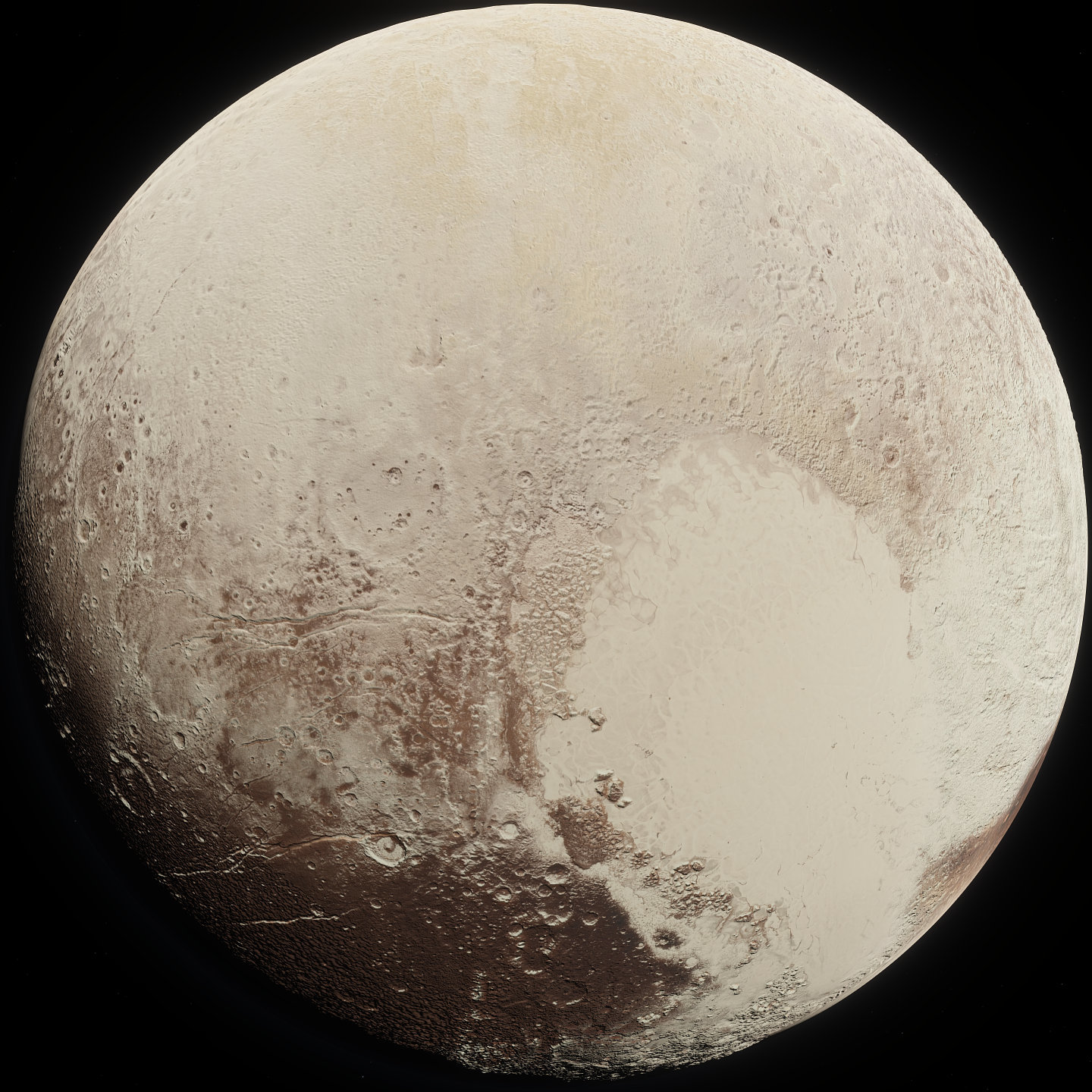
A few new and updated planet textures are included in this update. The surface (diffuse, color albedo) maps of Mars and Pluto have been updated with more accurate versions. The Pluto map was made by FarGetaNik, while the Mars map is the same as the old one, with improvements to color and contrast accuracy. Saturn's moon Iapetus has been updated with a totally new set of textures, created by Kexitt, which combine real data with artistic interpretation for a much more consistent appearance while still being pretty accurate. You can see screenshots below of Mars, Pluto, and Iapetus respectively:


[h3]Current Work and 0.991 Beta[/h3]

Some progress has been made recently on implementing 3D planetary rings with rocks ;-) We will make a more detailed post with screenshots in the future. Other important work being done is updating the procedural planetary system generator. This includes fixing issues and bugs, and implementing modern knowledge about exoplanets into the generator. Since this will change the procedural generation algorithms, it will destroy user saves (locations), so it is pending for version 0.991. Speaking of which, a 0.991_beta branch has been added to Steam for those who want to test the new planetary system generator. Note that this, and a fix to globular cluster generation in large galaxies, are the only differences between the current 0.991 beta and today's update 0.990.42.1830.

0.991 changes:
  • Calibrated mass-radius distribution of terrestrial planets
  • Calibrated iron core mass distribution in terrestrial planets
  • Fixed giant-terra-giant-terra meander sequence in procedural planetary systems
  • Fixed bug with incorrect procedural metallicity of stars
  • Fixed giant galaxies having no globular clusters

You can opt into the 0.991_beta in the same way as the regular beta branch. Right-click on SpaceEngine in your Steam library, choose "Properties...", and go to the "BETAS" tab. Select 0.991_beta in the drop-down menu:

0.990.41 is out of beta!

Version 0.990.41 has now finished public beta testing and is being released to everyone! This update primarily aims to improve performance through optimizations and moving some significant tasks to parallel threads. Lighting and eclipse shadows are now calculated on multiple CPU threads, reducing a major performance bottleneck in some cases.

Sprite sorting in galaxy and nebula models is now also multithreaded, which can slightly improve performance when a model with a lot of sprites is displayed, but significantly improves performance when flying through dense galaxy clusters (galaxy models load in much faster and with less impact to performance). However, multithreaded sprite sorting can cause issues in cases where multiple galaxies with the same sprite model are resolved on screen at the same time, such as in dense clusters of catalog galaxies. If you see strange issues with the appearance of galaxy models, you can revert to the old single-threaded behavior by entering AsyncSpriteSort in the console, and switch back to the new method by entering it again.

Ship engine effect shader definitions have been moved into their own file, so they are now modular and new ones can be added without affecting the main ship engine effect shader file (this means spacecraft addon makers can add custom engine effects without worrying about compatibility issues with vanilla updates and other mods).

The comet shader has also been modified to increase the realism of cometary dust tails (work in progress).

Build 0.990.41.1824
  • Lighting refactoring and optimization
  • Multithreaded update of lighting and eclipse shadows
  • Optimized performance of Star browser
  • Customizeable ship engine effect shaders
  • Ability to speed up time to more than 10,000x in Flight Simulator mode when using the cheat code TARDIS
  • More realistic comet tail appearance (WIP)
  • Updates in catalogs
  • Multithreaded sorting of sprites with galaxy and nebula models (see description above for known issues)
  • Optimized video memory consumption by PBR environment maps
  • Optimized loading performance of large sc catalogs
  • Optimized rendering performance of large comet catalogs per planetary system
  • Fixed some bugs with comet tails
  • Fixed some bugs with the Chart mode
  • Fixed some bugs with the Star browser

0.990.41 Public Beta Release

Today we have a significant update being released onto the public beta branch. This update primarily aims to improve performance through optimizations and moving some significant tasks to parallel threads. Lighting and eclipse shadows are now calculated on multiple CPU threads, reducing a major performance bottleneck in some cases.

Sprite sorting in galaxy and nebula models is now also multithreaded, which can slightly improve performance when a model with a lot of sprites is displayed, but significantly improves performance when flying through dense galaxy clusters (galaxy models load in much faster and with less impact to performance). However, multithreaded sprite sorting can cause issues in cases where multiple galaxies with the same sprite model are resolved on screen at the same time, such as in dense clusters of catalog galaxies. If you see strange issues with the appearance of galaxy models, you can revert to the old single-threaded behavior by entering AsyncSpriteSort in the console, and switch back to the new method by entering it again.

Ship engine effect shader definitions have been moved into their own file, so they are now modular and new ones can be added without affecting the main ship engine effect shader file (this means spacecraft addon makers can add custom engine effects without worrying about compatibility issues with vanilla updates and other mods).

The comet shader has also been modified to increase the realism of cometary dust tails (work in progress).

Build 0.990.41.1824
  • Lighting refactoring and optimization
  • Multithreaded update of lighting and eclipse shadows
  • Optimized performance of Star browser
  • Customizeable ship engine effect shaders
  • Ability to speed up time to more than 10,000x in Flight Simulator mode when using the cheat code TARDIS
  • More realistic comet tail appearance (WIP)
  • Updates in catalogs
  • Multithreaded sorting of sprites with galaxy and nebula models (see description above for known issues)
  • Optimized video memory consumption by PBR environment maps
  • Optimized loading performance of large sc catalogs
  • Optimized rendering performance of large comet catalogs per planetary system
  • Fixed some bugs with comet tails
  • Fixed some bugs with the Chart mode
  • Fixed some bugs with the Star browser

Small Update: Added Comet NEOWISE

Hello everyone! As most of you probably know, there is a bright comet visible from the northern hemisphere right now: C/2020 F3 (NEOWISE). It is the brightest comet visible from northern latitudes since comet Hale-Bopp in 1997, and is best viewed with binoculars and cameras for now due to being partially faded by twilight glow, but it is visible to the naked eye during late dusk/twilight. It was previously best viewed before dawn, but it is now moving into a part of the sky that makes it more visible after dusk. It will be visible higher in the sky after sunset over the coming days and weeks, during which time it will be much easier to observe, but will also get dimmer as it moves away from the sun.

To celebrate this great comet display, we've added it into the program in a mini-update. Enjoy!

Steam Launch Anniversary, Development Updates

One year ago, on June 11, 2019, SpaceEngine was released on Steam. Since then we have released many updates, but haven't implemented many new features - this is because we were focused on fixing bugs and improving stability. Among the more noticeable features that were added were more languages (including Chinese and Japanese), improved VR support, a new video recording system (based on ffmpeg), and improved auto-exposure. We also have 2 main programmers now, plus a couple more contributing programmers, and we are working on many new features. Unfortunately we haven't had time to assemble all this awesome work together into an anniversary update, but we will release them one by one in the coming months as they are completed.

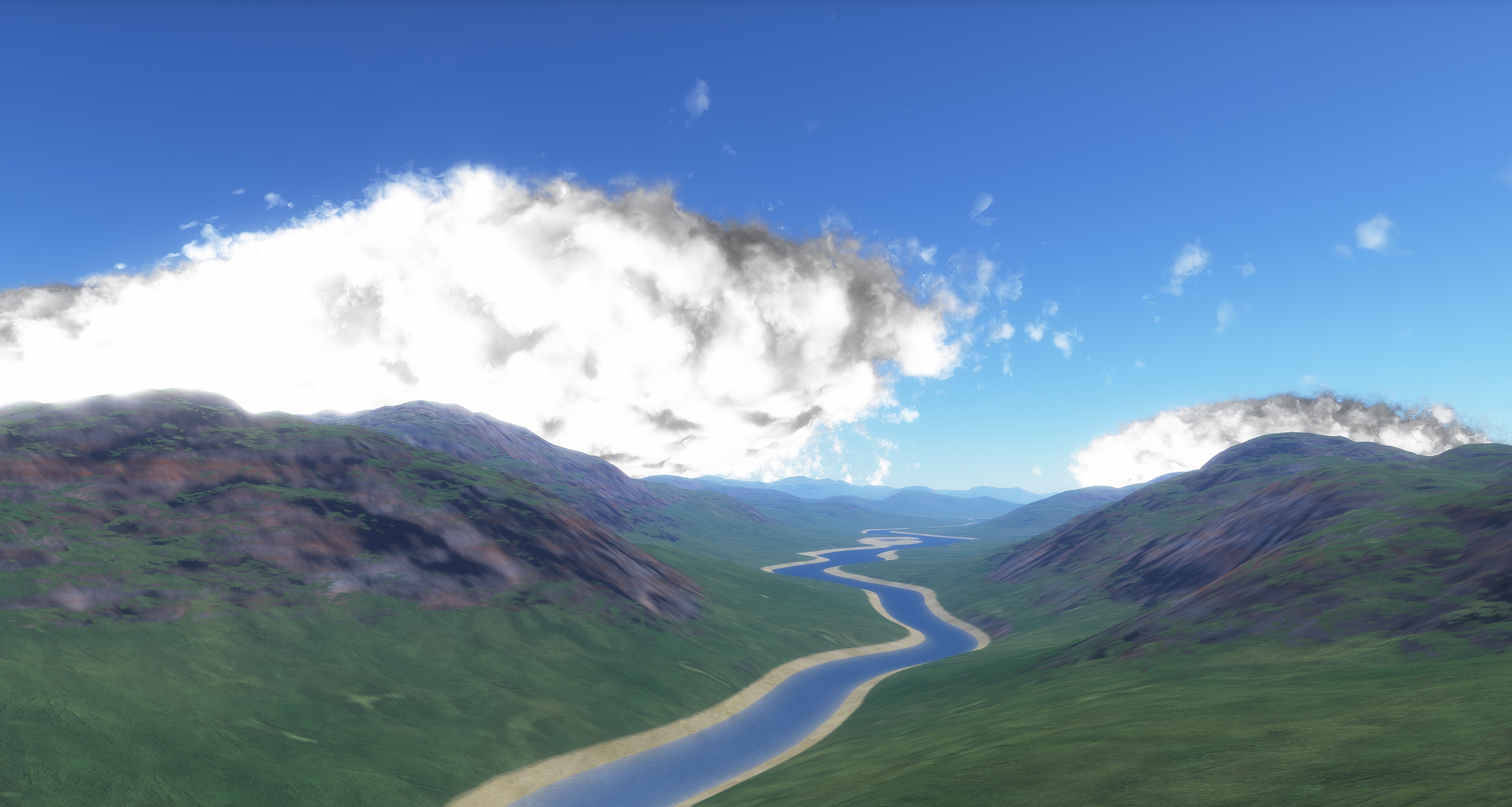
Probably the most impressive feature in development is 3D clouds, which being developed by Andrew and Duke. It is also the most complex thing being worked on right now, and is still in a very early stage of development.


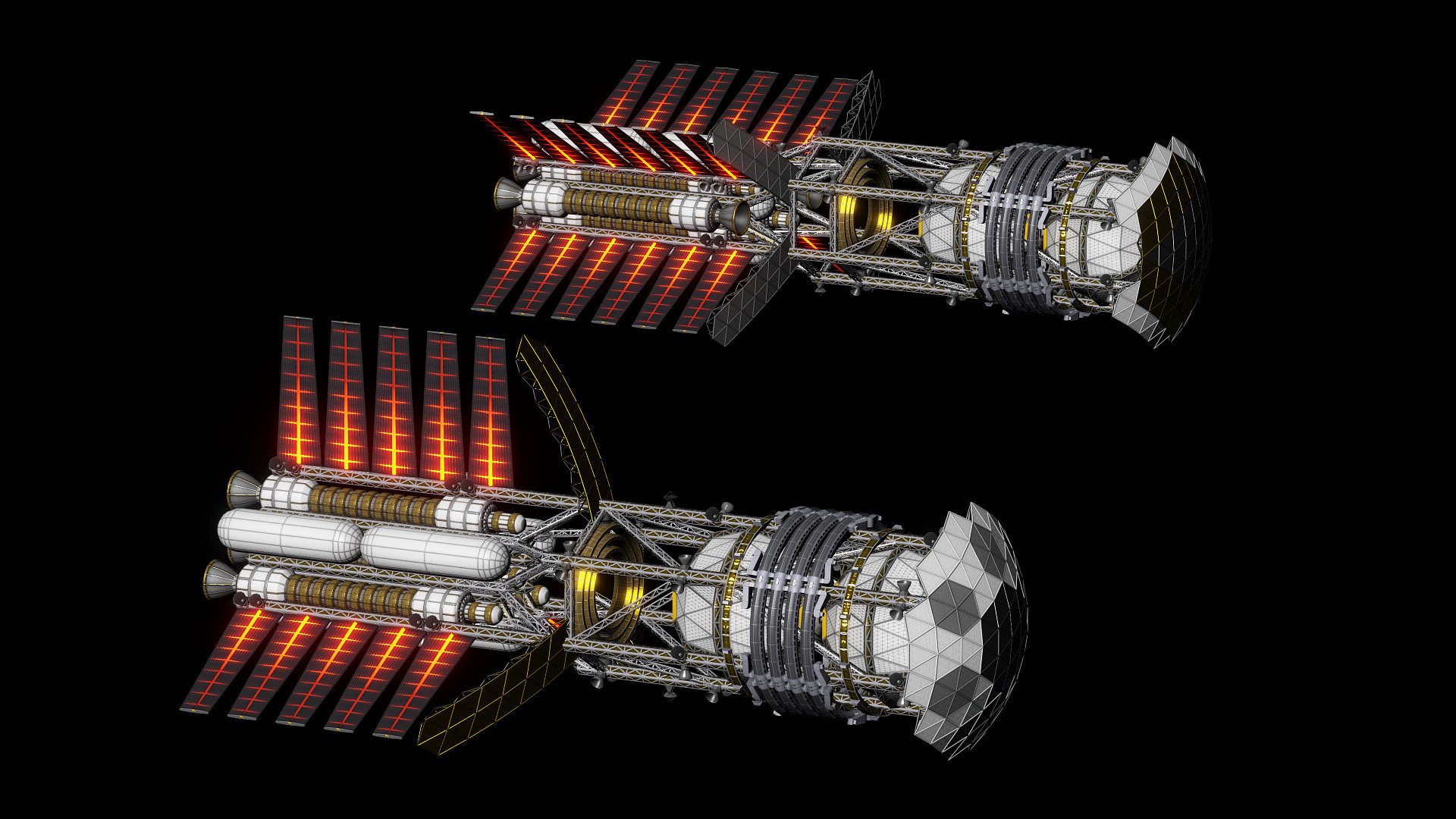
HarbingerDawn has been working on fuel and thermal systems for ships. There will be two or more types of expendable resources, depending which type of engines a ship has: propellant (reaction mass, the substance which the engine expels to produce thrust) like hydrogen, and fuel (used to accelerate the propellant and/or produce electricity) like deuterium, uranium, or antimatter. Implementing limited fuel is easy; more complex is integrating this into gameplay. We will eventually need fuel depot stations, harvesters, and infrastructure like that. The first beta releases may have fuel stations with infinite fuel orbiting some icy worlds - good enough for gameplay testing. Mining and processing will be added later.

[previewyoutube][/previewyoutube]
Very early fuel test video


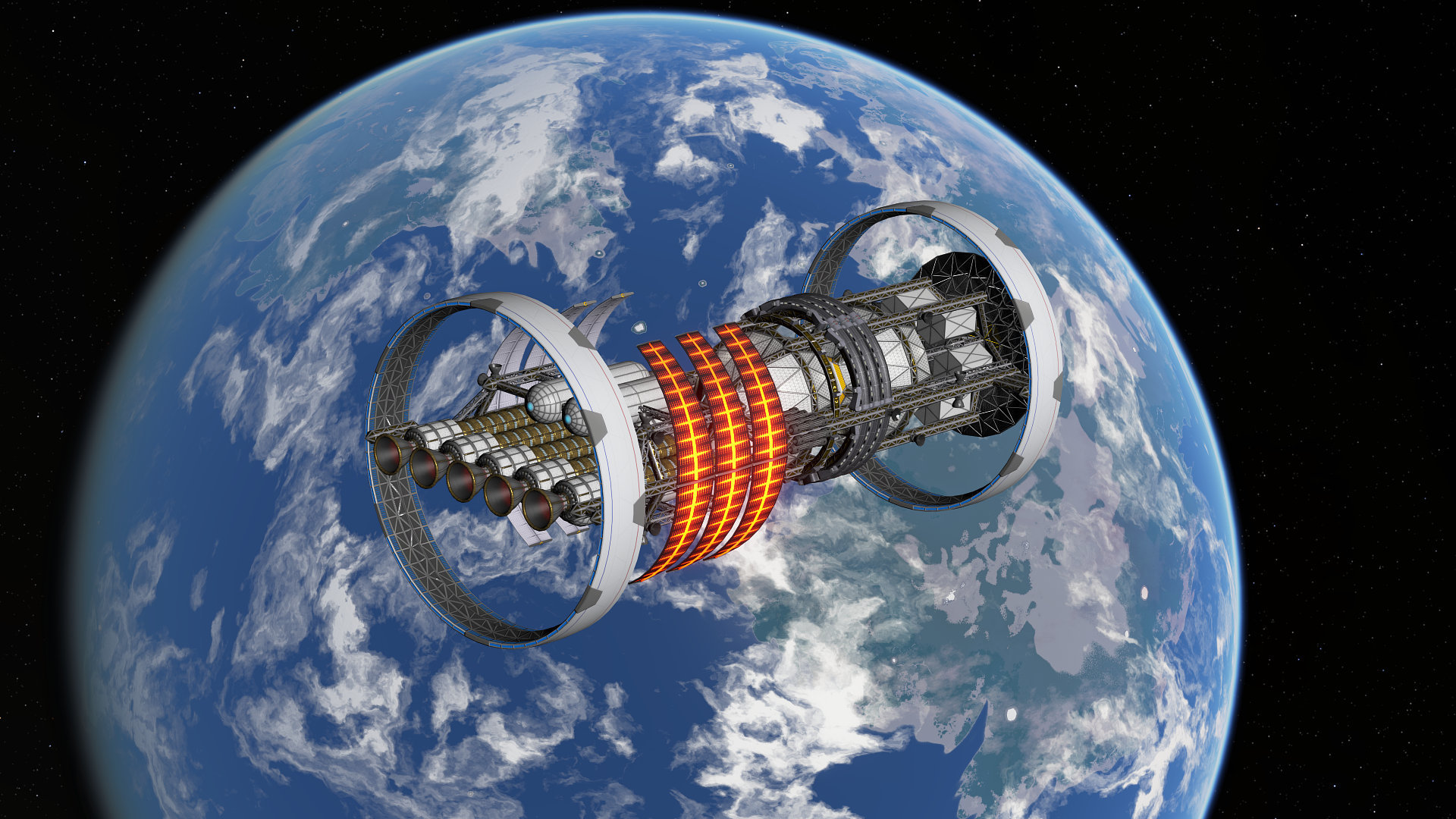
Another important ship mechanic to model is thermal management. Reactors and engines, electronic systems, and even passengers on a ship produce heat, and this heat must be removed from the ship, otherwise the crew will die, electronics will overheat, and the ship could even melt. Since space is a vacuum, this means using radiators. The engines and reactors of advanced starships produce enough heat to cause their radiators - and of course engine nozzles - to glow in visible light. The temperature, and thus glow brightness/color, of these elements depends on the power and efficiency of the engines/reactors, and how long they are operated for (the amount of heat stored in the radiators will increase until they reach thermal equilibrium or the engines/reactors are powered down).


[previewyoutube][/previewyoutube]
Early radiator test video


In the upcoming SE game(s), ships designed in the editor must properly account for heat management - you can't have 1 petawatt of power onboard and use only a few small radiator panels, even if your ship has a magic reactor/engine with 99.99% efficiency. This is a major challenge with any realistic ship design, and even in SE the engines of large ships will most likely accelerate them very slowly, like 0.05g - any faster and the amount of heat generated by the engines will vaporize the ship. Reality is harsh! Fortunately, this will not be a problem in a single player game, because you can speed up the flow of time. Other types of engines than what SE has now, as well as adding additional operating modes to the engines, can also allow for higher acceleration in some cases.

Speaking of speeding things up, Vladimir is currently working on some improvements in the engine core, one of which is moving physics to parallel threads to utilize multiple CPU cores, which everyone has now. The first part is almost done: calculation of planet and ship lights and eclipse shadows is now working in parallel to rendering, freeing some 3 to 10 ms of main thread CPU time. This was a large bottleneck, especially in VR; when you could see a distant a gas giant with dozens of moons, you would notice a significant FPS drop. The next step is moving orbital motion and ship physics simulation to threads as well. The main thread should only do rendering.

Finally, here are some other things which are being completed as separate tests and awaiting integration into SE:

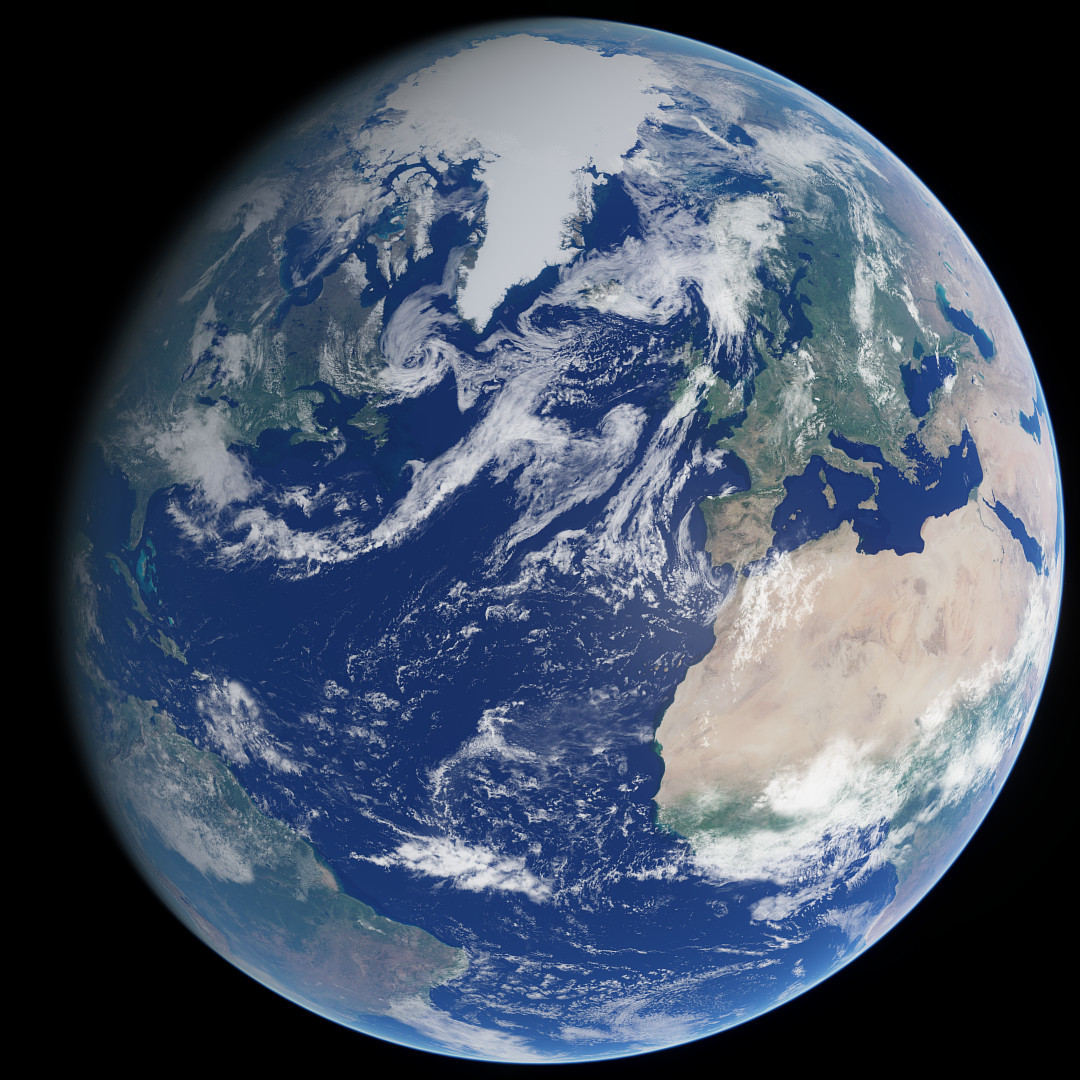
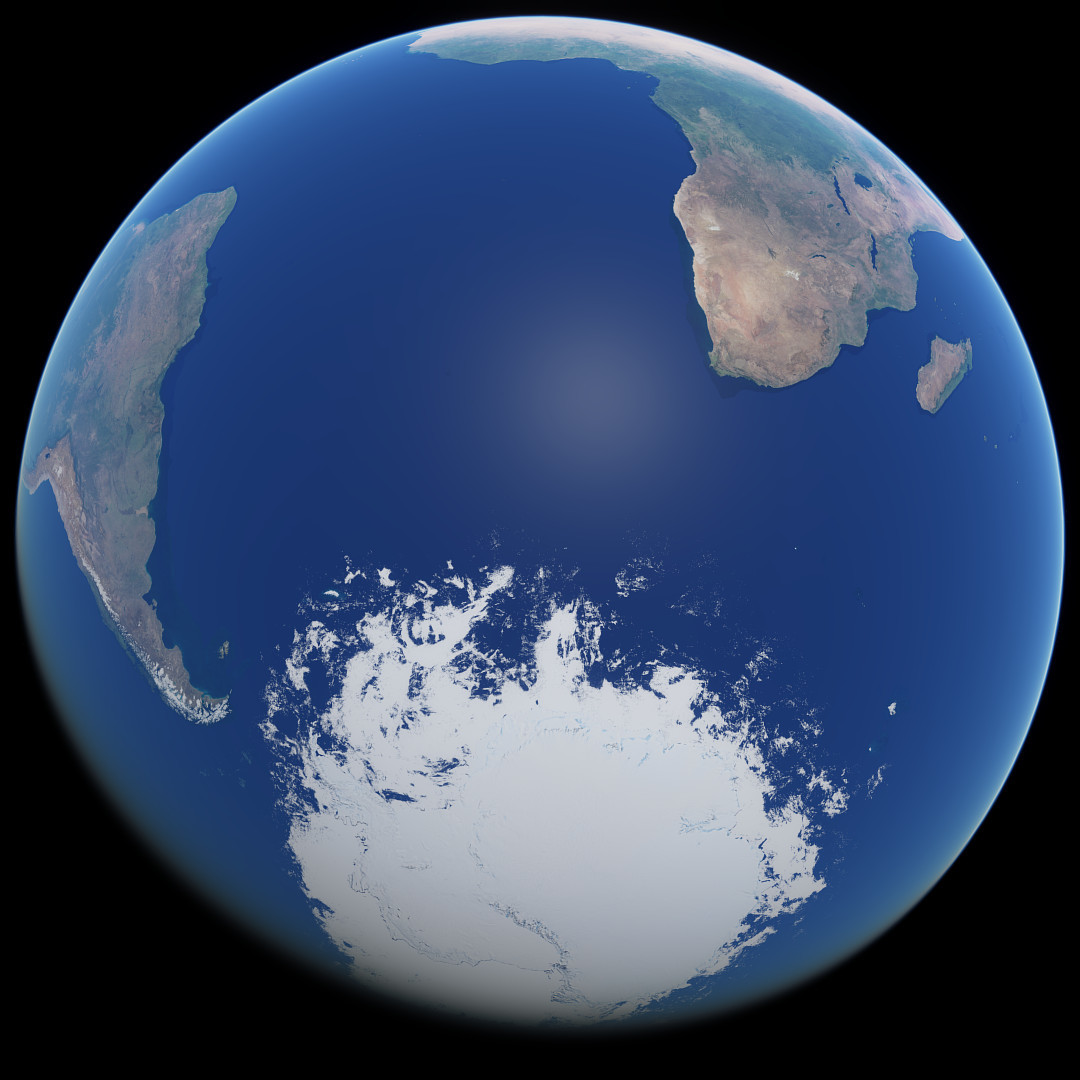
New Earth texture with sea ice


New Pluto texture


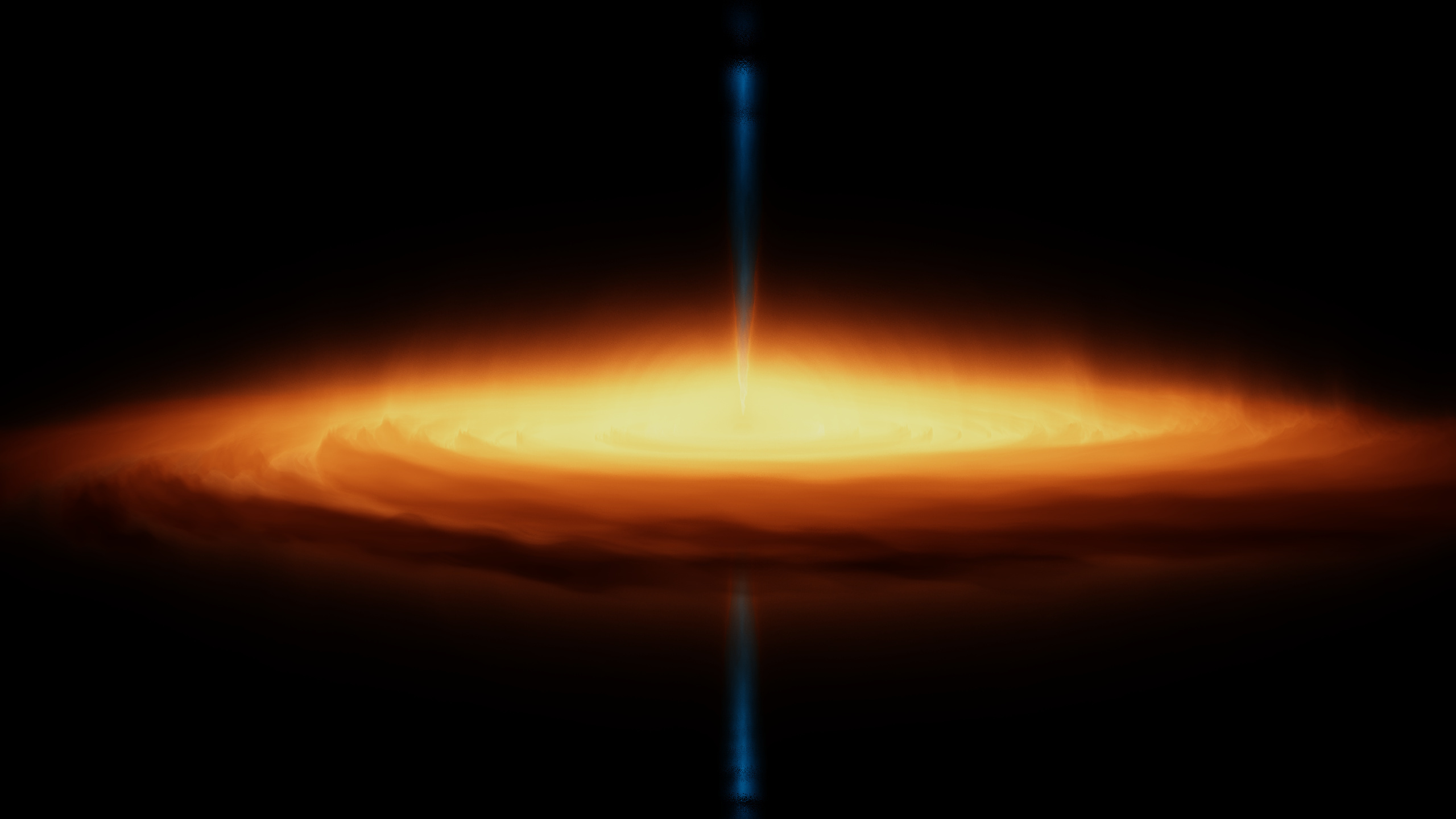
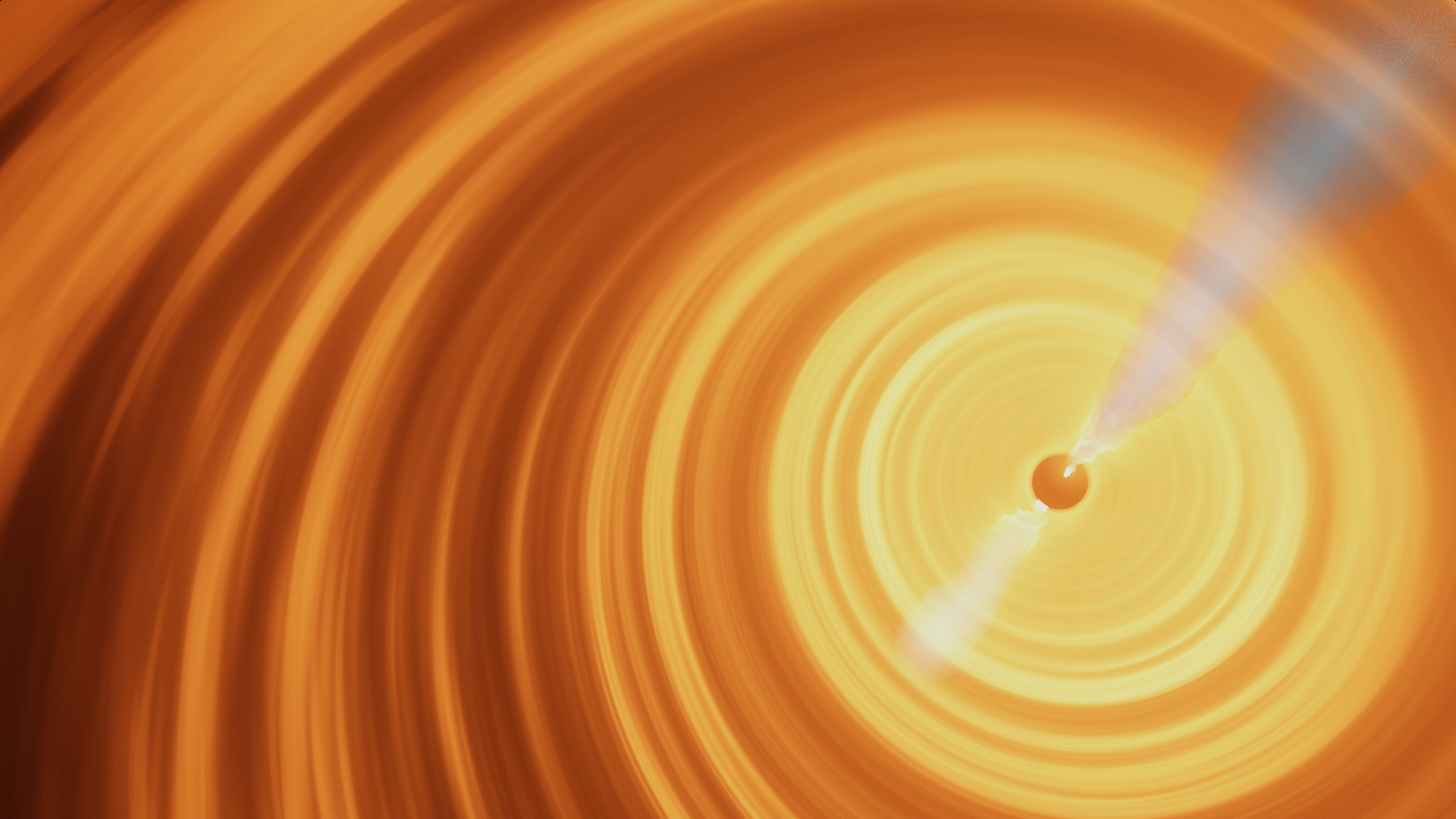
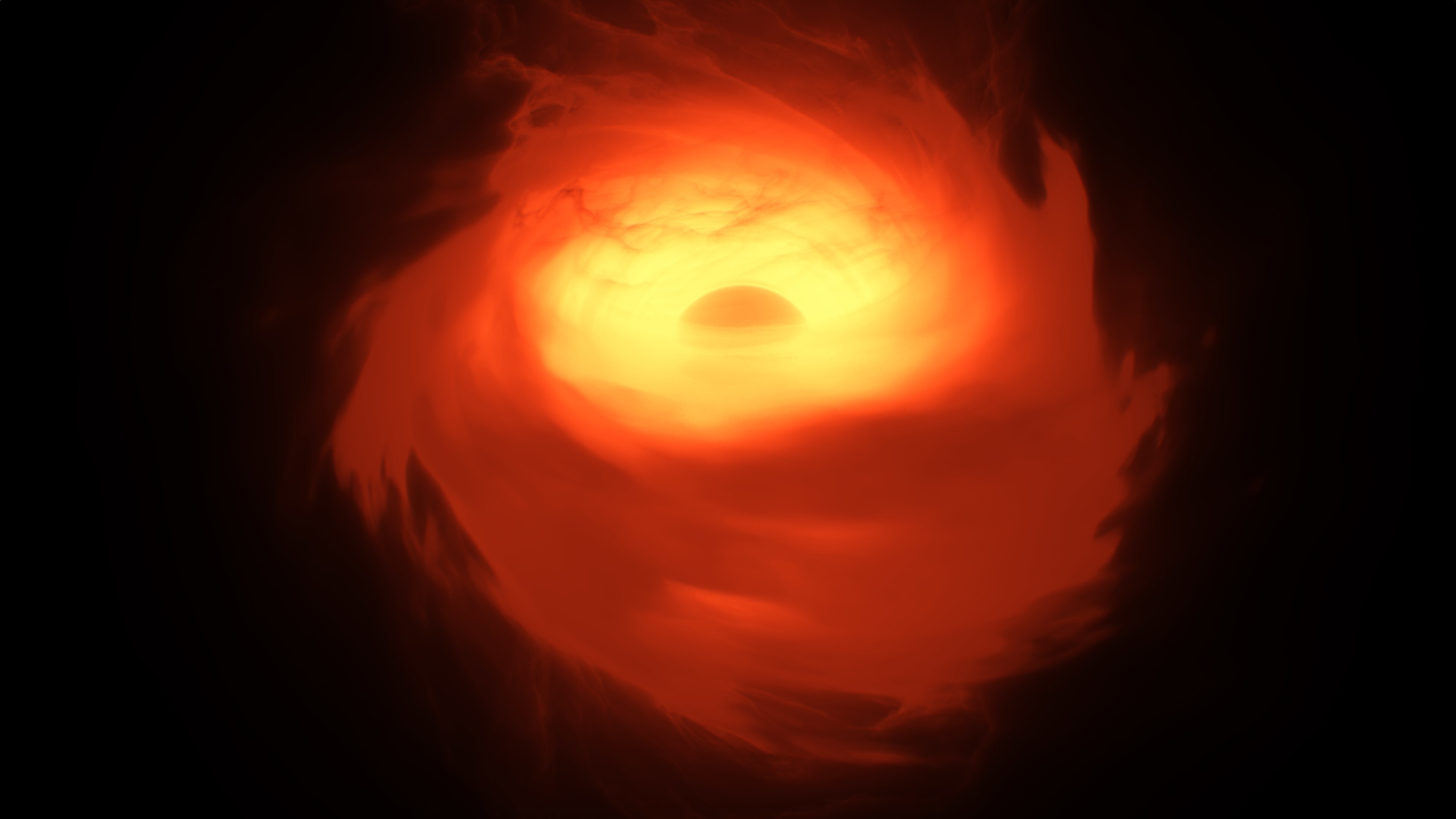
Volumetric accretion disks