Avia S.199: A "knife" for Israel
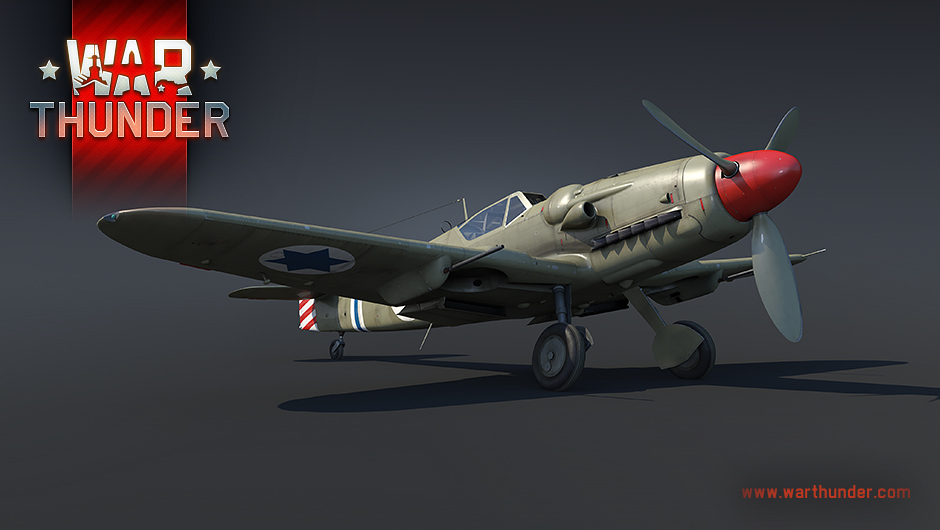
These Czech Avia S.199 fighters became the aircraft with which Israeli pilots achieved their first aerial victories.
[h2]Avia S.199, fighter, Israel. rank IV.[/h2]
Features:
- Low max speed and climb rate
- High flutter threshold
[h3]History[/h3]
[expand]Immediately after the end of World War II, Czechoslovakia began to form its own air force. Due to a shortage of aircraft in their possession at the time, Czechoslovakia decided to utilize the spare parts that remained after the war to initiate production on a series of Bf 109 G-10 fighters. The main production issue was caused by the power plant - the original German production run of the DB 605 engine was long over, and it was not profitable for the country to start producing new examples. After the first batch of fighters with DB 605 engines were completed, the decision was made to switch to Jumo 211 engines, as they were much more readily available. This engine was not incredibly suitable for fighters however - it was less powerful than the Daimler, and lacked a synchronizer for forward armament.
The Messerschmitt airframe had to be substantially modified to accommodate the new engine, complete with a new propeller. The resulting Czech fighter, named the S.199, was noticeably inferior in terms of performance to its German predecessor, regardless of this fact though, more than 500 units were produced in total. It soon became obvious that the S.199 was drastically outdated, and there was no country in Europe where the Czechs could sell their new fighter, due to all the leading forces of the world being equipped with much more powerful machines, with most in the process of already developing their own jet aircraft.
Even before the official proclamation of the State of Israel, the procurement commission of the future state signed a contract for 25 disassembled S.199s, and also finalized agreements for a training program for Israeli pilots. On May 28th, 1948, the first ever Israeli fighter group of four S.199s was formed under the leadership of several experienced veteran pilots. The future commander-in-chief of the Israeli Air Force and subsequently the country's president, Ezer Weizman was among these four pilots. The following day after formation, the group took off on their first combat mission to carry out an assault on Egyptian positions. This was the beginning of a short but brilliant career for these Czech-assembled German fighters operating out of Israel, where the plane received the nickname "Sakeen", Hebrew for "Knife"[/expand]
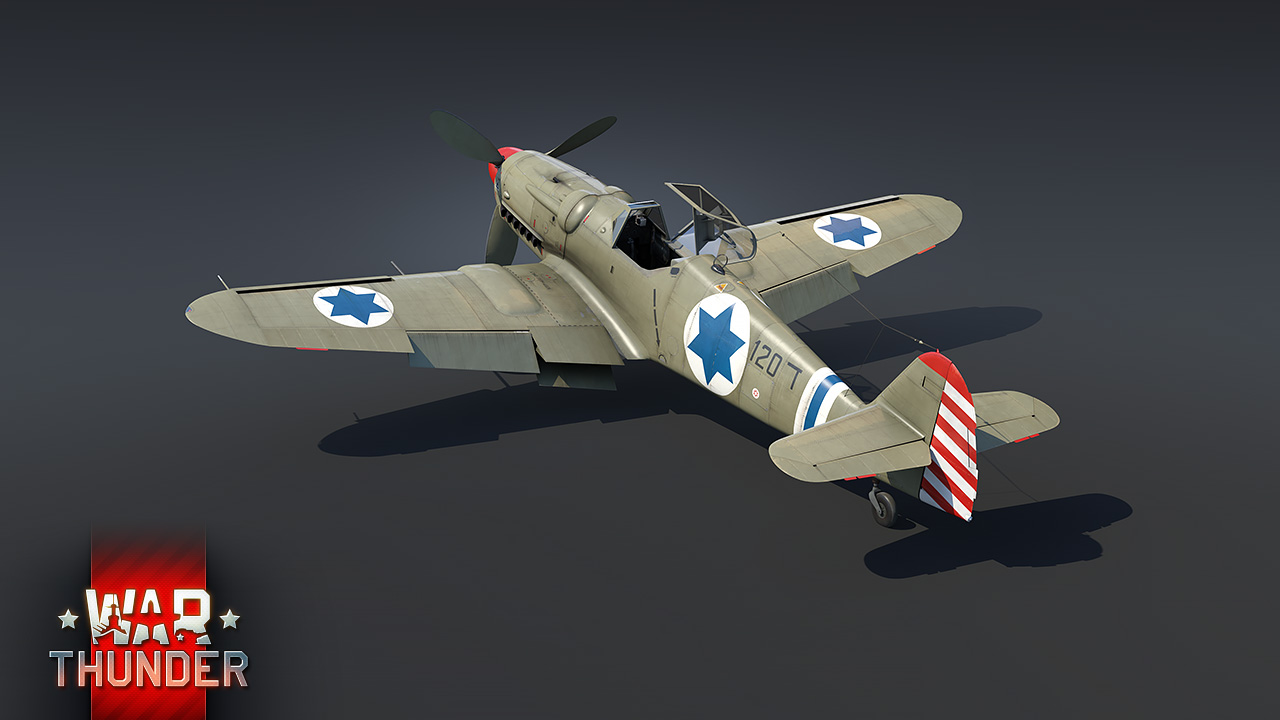
The S.199 fighter will be one of the first aircraft in the Israeli tech tree. It will appear in the hangars of the Israeli Air Force closed beta test pilots with the release of the ‘Winged Lions’ update at rank IV - additionally, rank IV marks the starting point for the Israeli air branch.
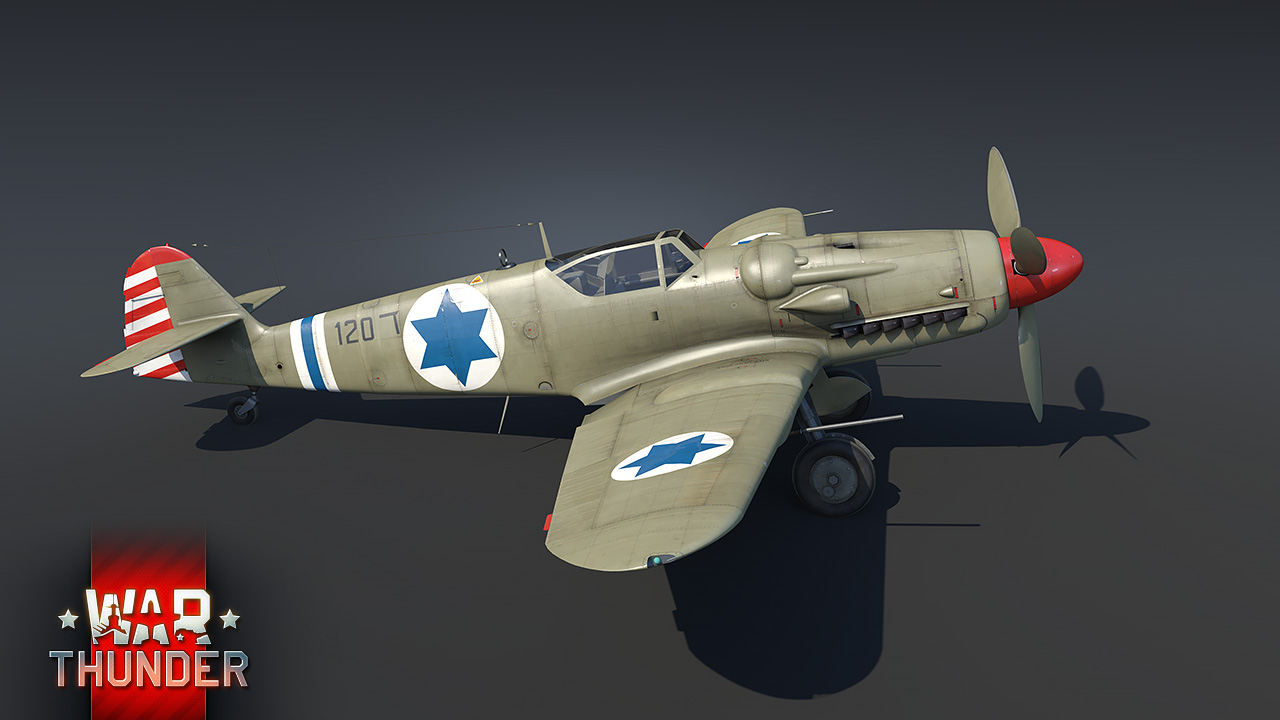
The Czech S.199, based on the German Bf 109 G-10, is drastically inferior to the latter in terms of combat effectiveness. The Jumo engine lacks the high power of the original DB 605 and is noticeably heavier. However, the well-designed airframe still retains a very high flutter threshold and makes this fighter to be very adept for "boom & zoom" tactics: where the aircraft dives to gain speed from high altitude on to an enemy below, followed by an upwards zoom to return to relative safety
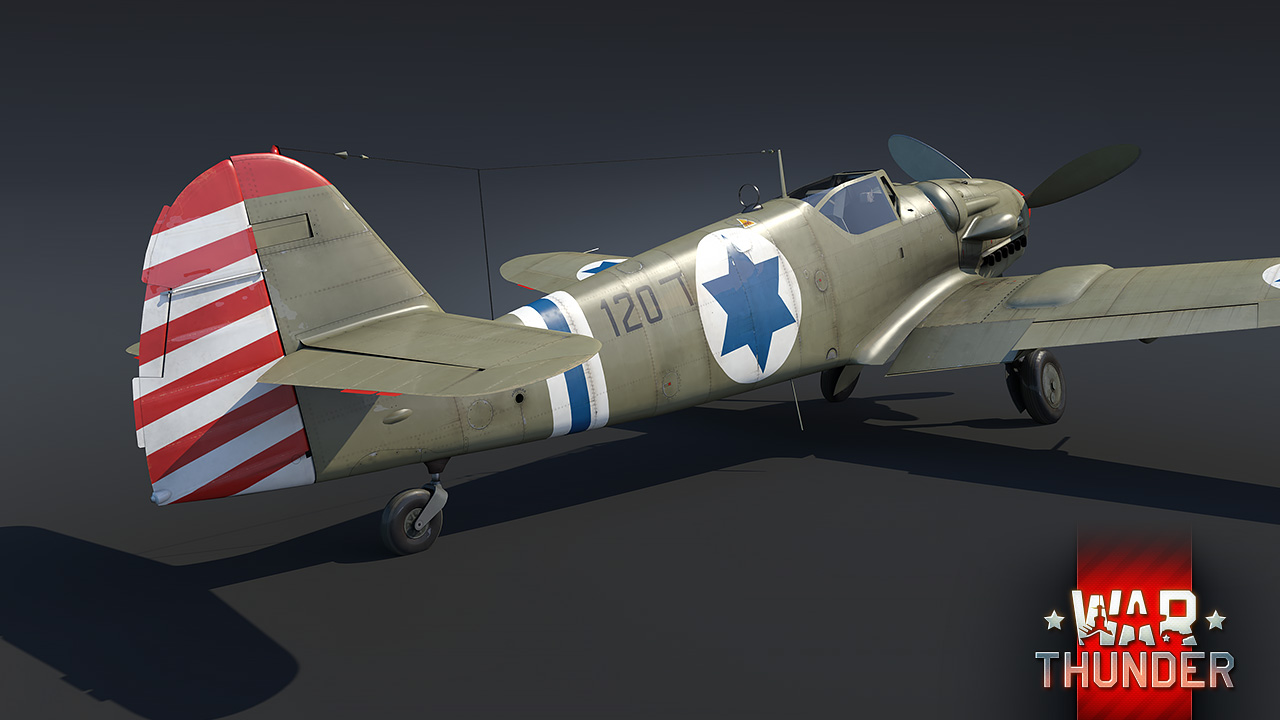
The S.199 also differs from the Messerschmitt in terms of armament: the S.199 lacks a 20mm motor-cannon, but retains a pair of high caliber MG 131 machine guns and a couple of rifle caliber machine guns in the wings, which can (and should, at the earliest opportunity) be replaced with two classic underwing gunpods containing powerful 20 mm MG 151/20 cannons. The “Sakeen” can also be equipped with several types of small-caliber bombs, the Sd.50, Sd.70 and Sc.50, which are carried externally on several pylons.
This entry-level aircraft will arrive with the release of the ‘Winged Lions’ Major Update. Take part in the closed beta test of Israeli aviation to be among the first to fly and master the various aircraft of this new playable nation!

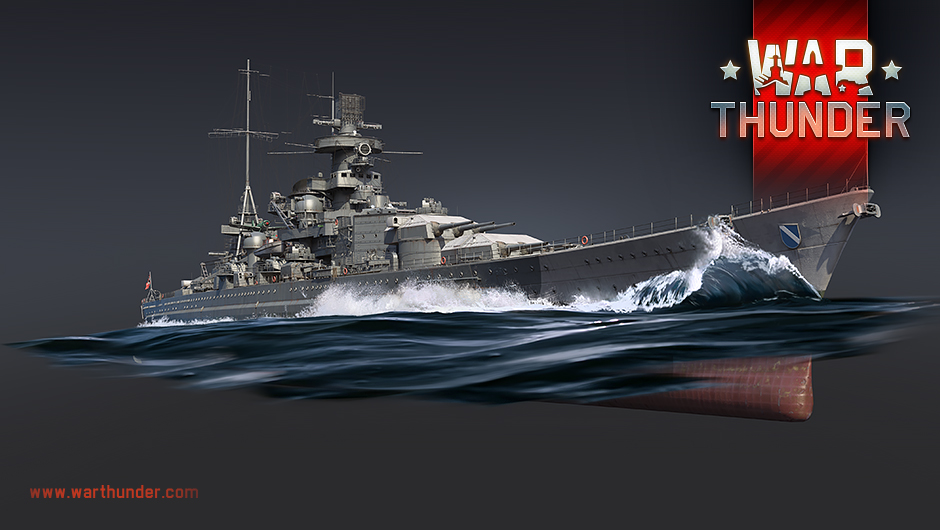
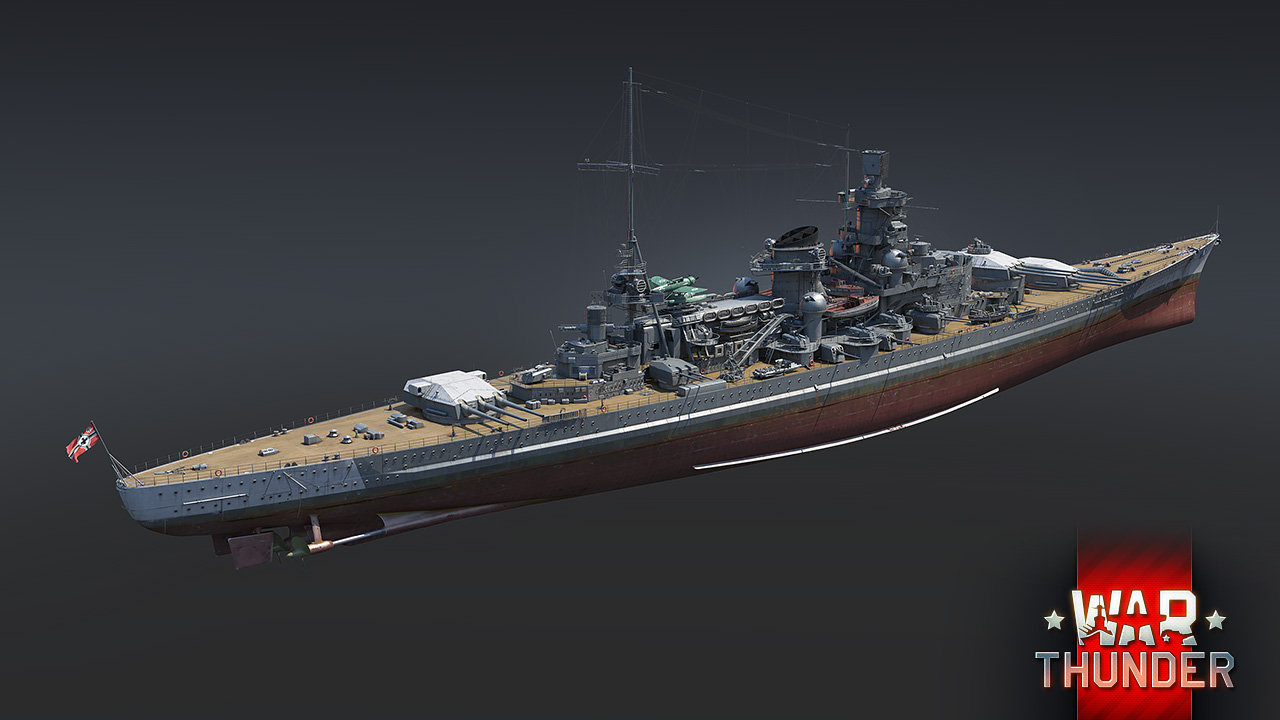
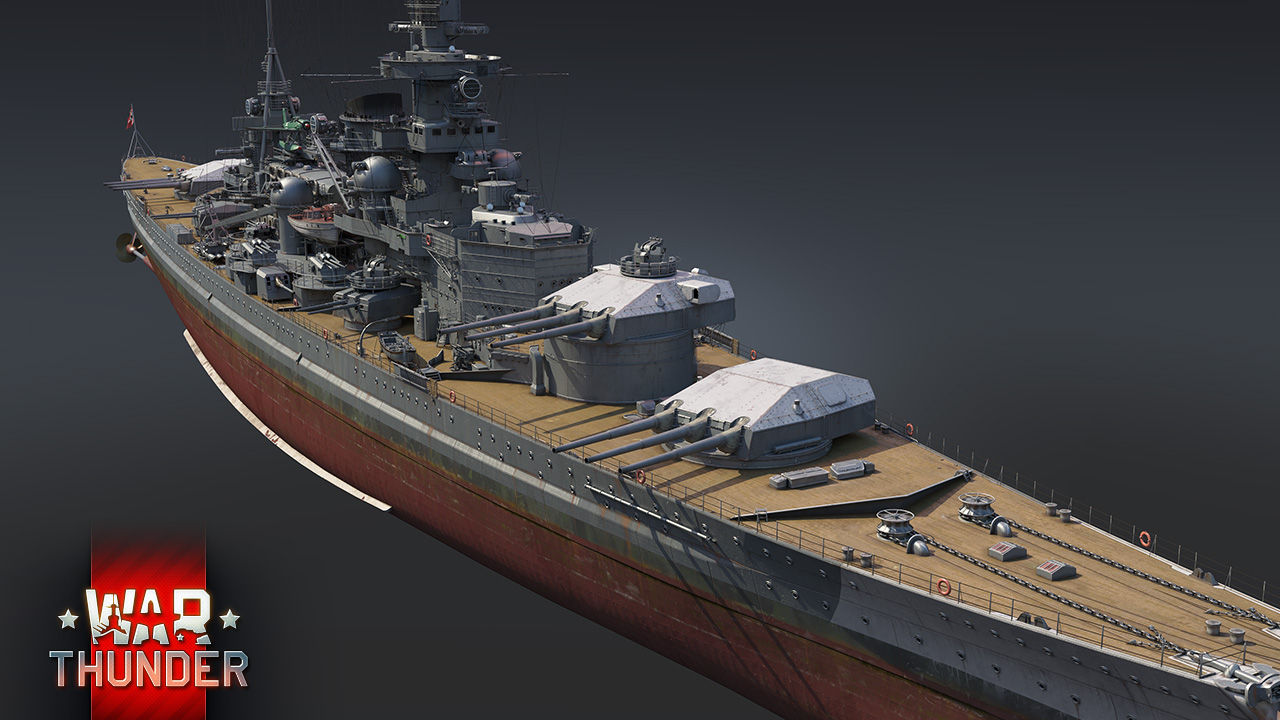
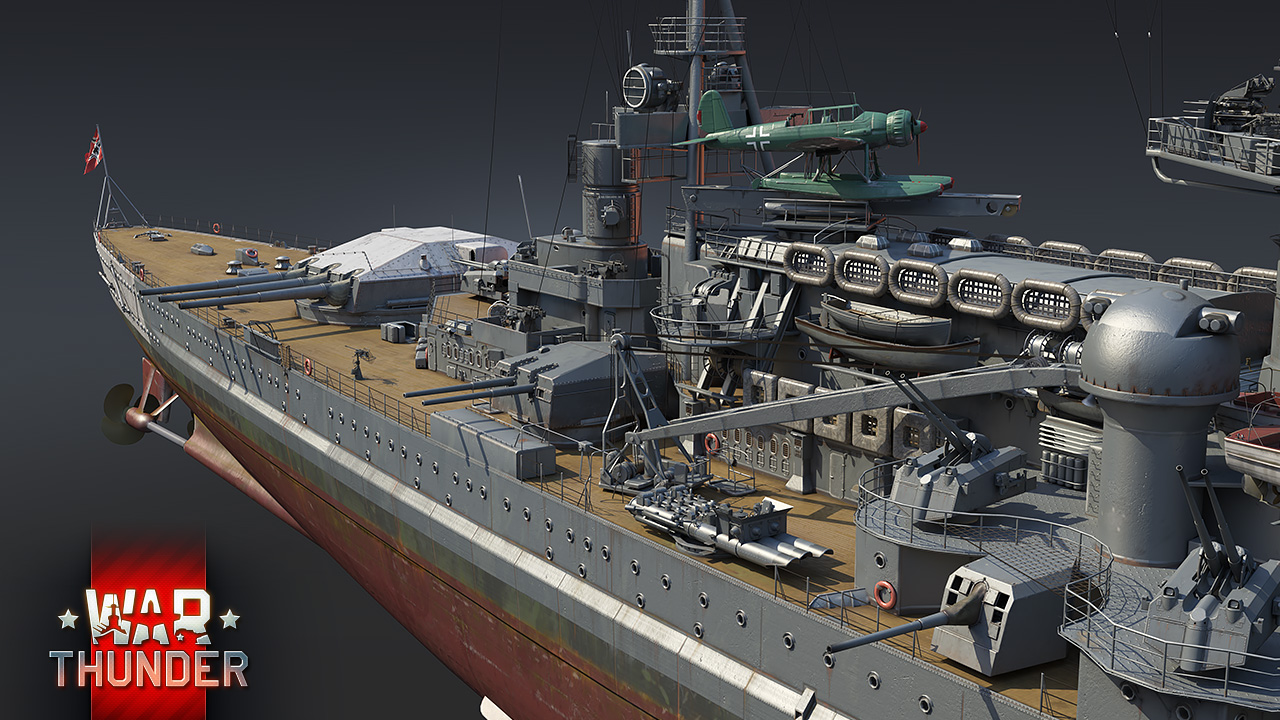 Let's see how this mechanic works in the example of the battlecruiser Scharnhorst, which is armed with Arado Ar.196 hydroplanes. When you press the button for activating the reconnaissance aircraft, the catapult starts turning the seaplane to a ready for take off position in the direction set by the player. When the take-off indicator changes color from red to blue - take-off is allowed! Pressing the aircraft control button again will take you to the cockpit, and the ship will continue to move on a preset course at a preset speed. When the situation around the ship requires the participation of the player, press the aircraft control button again - the scout aircraft will be controlled in automatic mode, and you will again find yourself on the ship's bridge. If the reconnaissance aircraft is lost, and the ship has spare aircraft and free catapults, after a certain period of “recharging” , the seaplane will be able to fly out for reconnaissance once again.