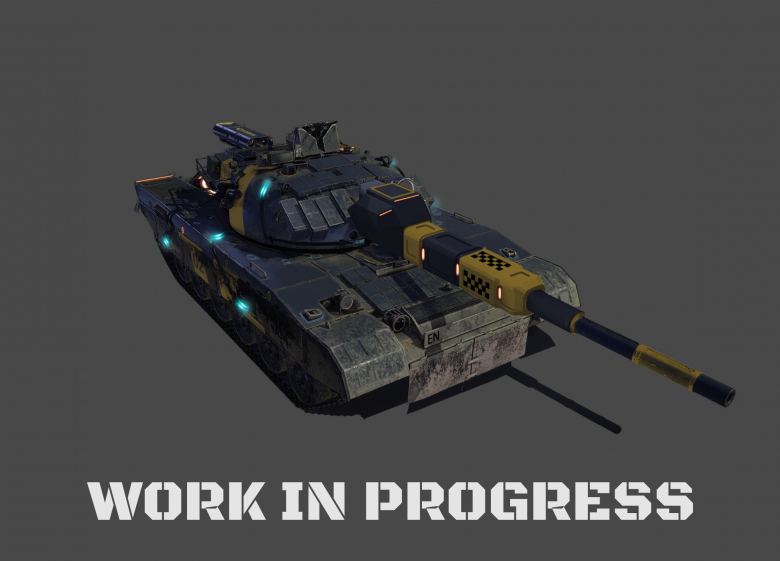
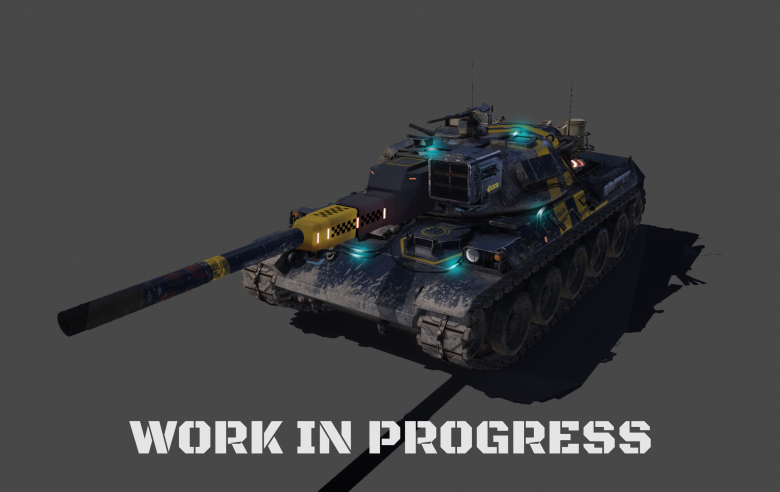
Commanders!
Today, we’d like to tell you more about the real life aspects of the
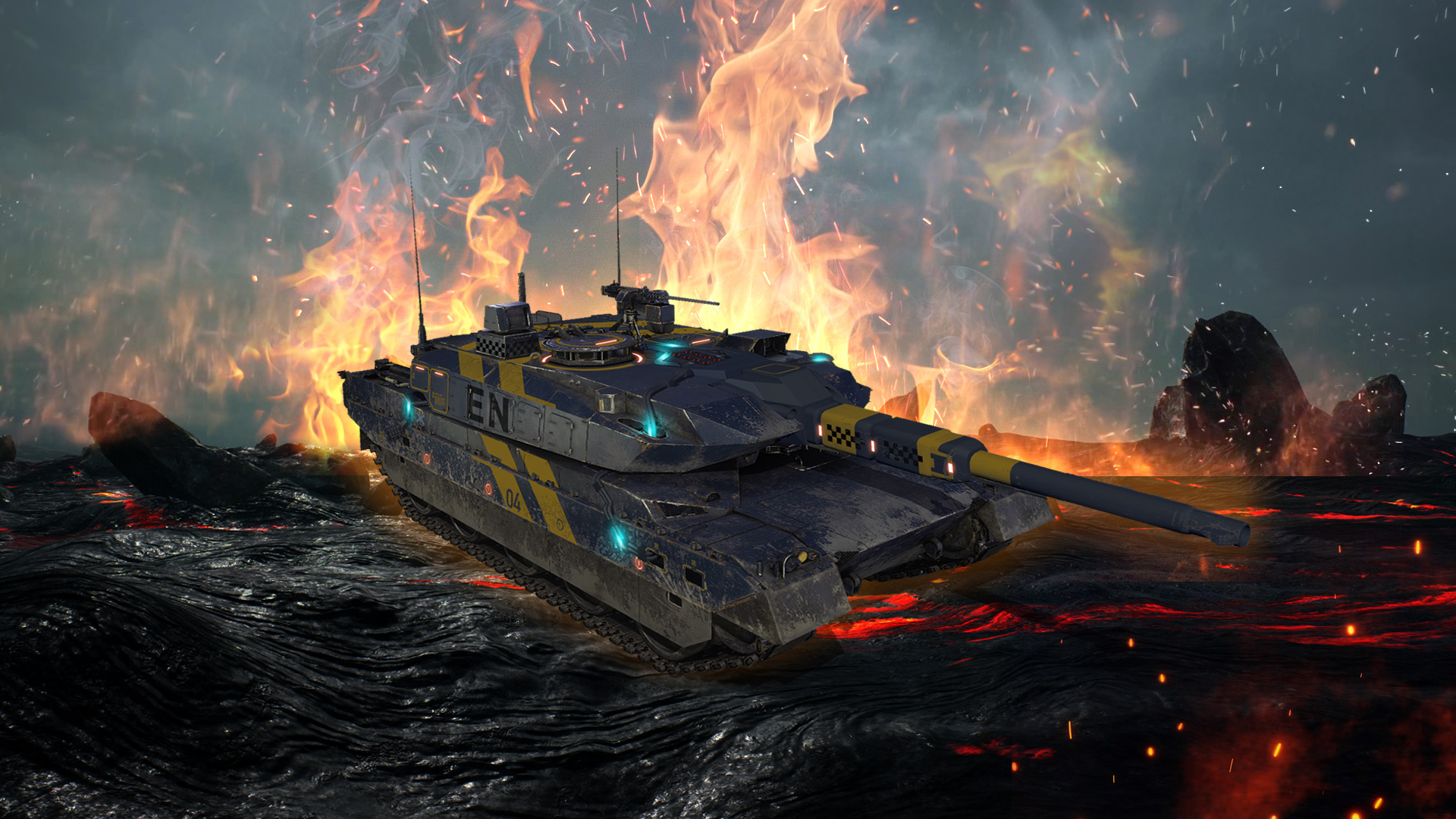
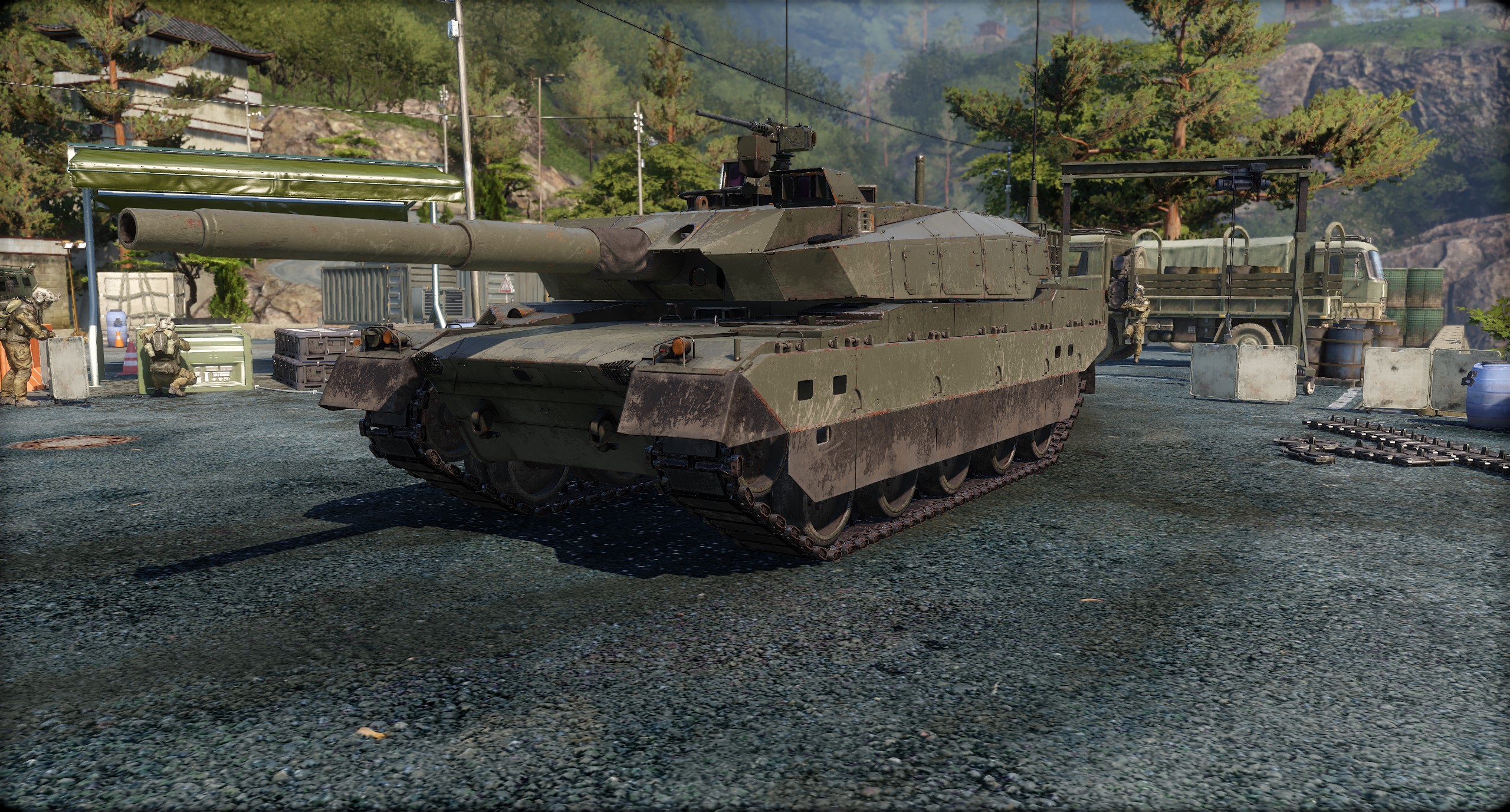
Japanese Type 10 MBT. So sit back, pour yourselves some tea and relax, as we dive into the history of this vehicle.
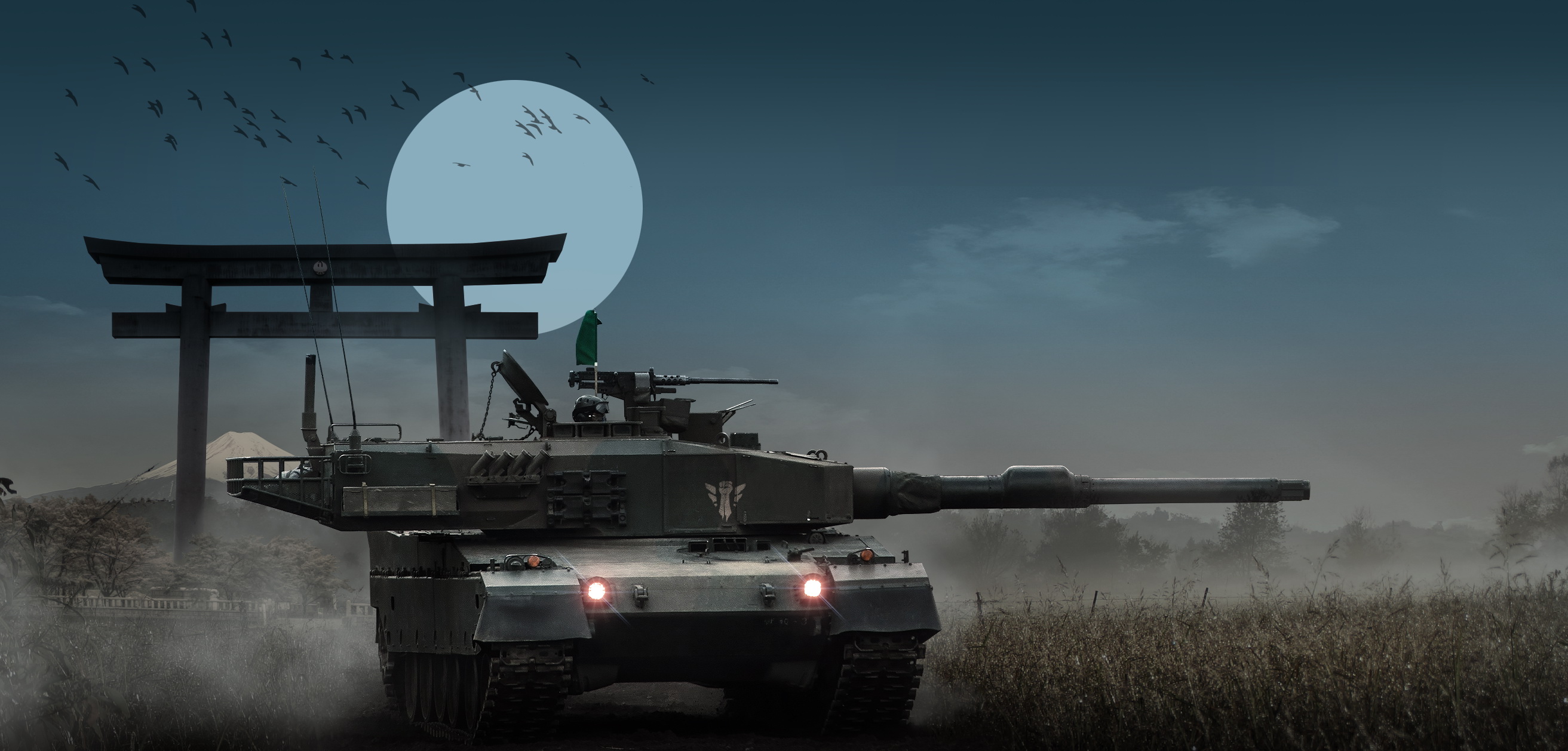
When it comes to tank design and preferences, Japan has always been the odd one out. The Second World War Japanese armored vehicles – while being perfectly adequate for their intended role – had a rather poor reputation when fighting American and British armor, simply because they weren’t (until late in the war) designed to do that. They were designed to fight poorly armed Chinese warlord armies that had – at best – some basic rifles, machineguns and perhaps even field artillery, but very little in the way of their own armor.
It is therefore no surprise that the Japanese would end up heavily outgunned on land by the Americans and, after the war’s end, would adopt proper (in fact, American) tanks. The post-war history was already described in our earlier
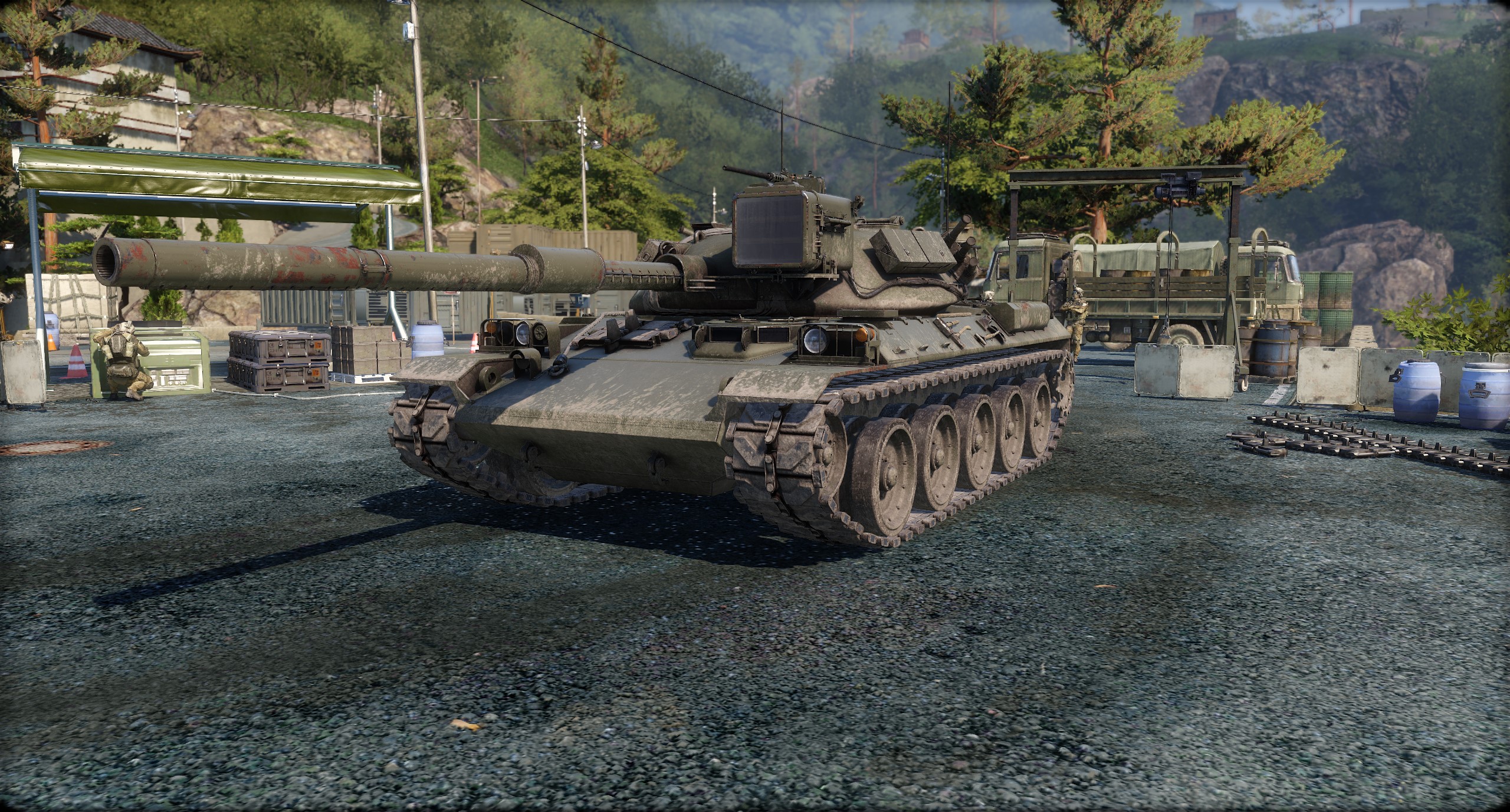
Type 74 article but, suffice to say, the role of the Japanese Ground Defense Forces became (and remains to this day) an entirely defensive one with the protection of the Japanese islands being its main objective. However, the mountainous terrain of Japan required some out of the box thinking and the Japanese came up with interesting solutions, including the famous adjustable suspension of almost all their MBTs.
Politically, post-war Japan was and remains an ally of the United States of America. With this fact came the consequence of the Soviet Union being the primary threat with an invasion always being considered a possibility. However, this threat came to an end in the early 1990s when the Soviet Union collapsed and, for a short period of time, it seemed as if the danger went away with it. This affected the militaries all around the world, often leading to massive budget cuts and the cancellation of many upgrade and procurement plans.
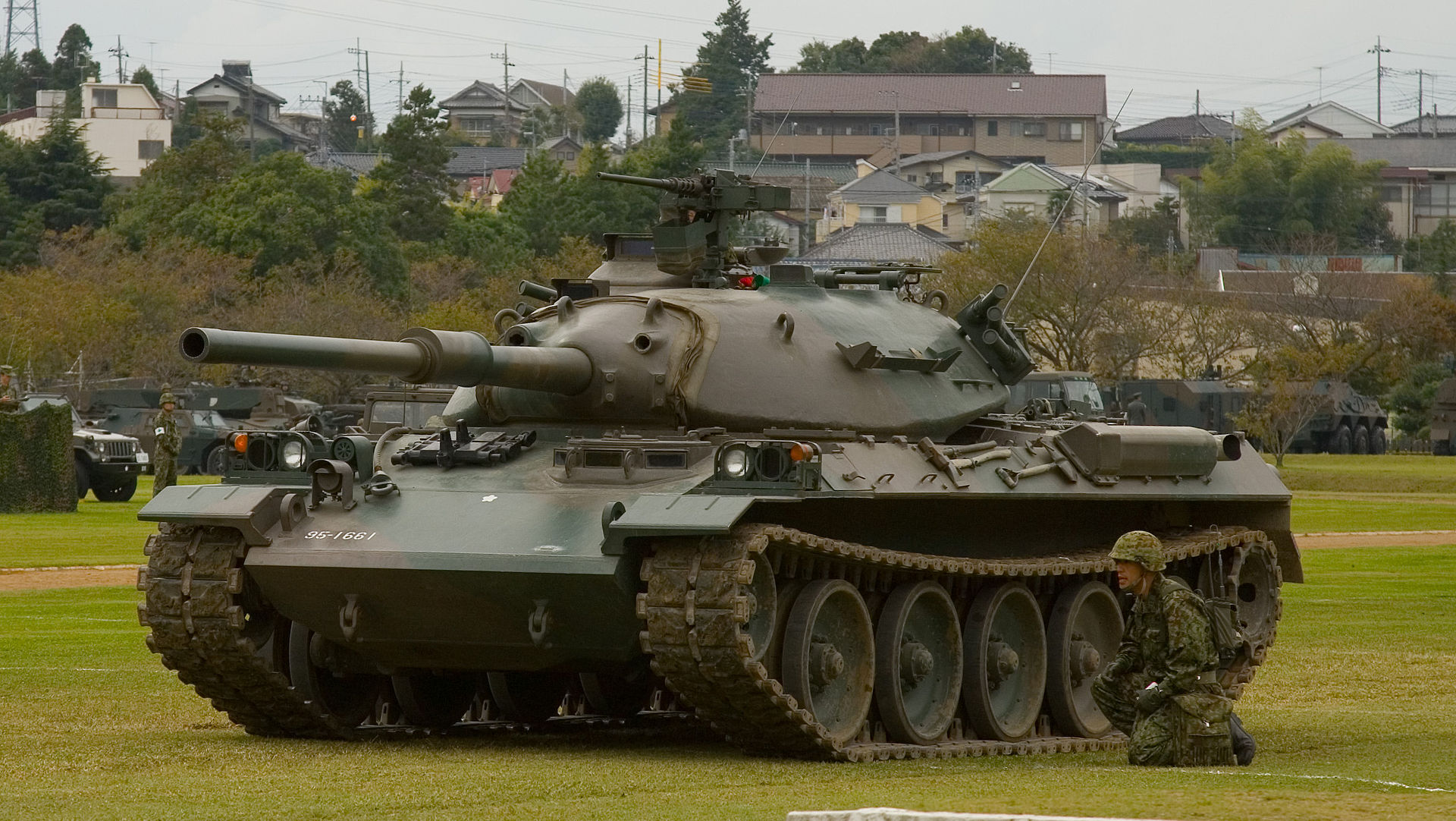
In Japan, this was reflected by the fact that the Type 74 replacement plan with a new MBT (the Type 90 MBT, specifically) was slowed down and the (by-then obsolete) Type 74 would remain in service for another two or three decades. With 341 vehicles produced between 1990 and 2009, there were never enough Type 90s to replace the older Type 74s, but at least the truly ancient Type 61 MBTs were finally all replaced in 2000.
But, as always, the collapse of one power left a vacuum in its stead and such states of things never last. With Russia crippled and barely able to maintain its previously giant military, the 2000s saw the industrial and military rise of China as the next challenger to the American world hegemony. With its onset came new threats to Japan and once again, a need arose to develop modern MBTs to give Japan the edge to fight off an enemy potentially outnumbering the defenders several times over.
The Japanese were essentially left with a decision what to do. One idea was, of course, to upgrade the existing fleet of service MBTs or to develop something new. Both directions were considered and some upgrade development was also conducted, leading – amongst other things – to the appearance of a modified Type 74 MBT called Mod G (or Type 74 Kai), but there’s always a problem with this kind of upgrades in the sense that there’s only so much you can do with an older tank to increase its value without basically rebuilding it from scratch.
You can upgrade its armor to a degree and you can improve its electronics, or even change its main weapon to something else, but, in the end, you will still have a three-decade-old steel hull to work with and the costs keep on mounting. Sooner or later, you’ll have to start something new anyway. And, as a side note, putting more stuff on a tank makes it heavier. And that’s what happened with the Type 74 Kai upgrade program. It worked, but was really expensive for what it offered and that would be its downfall.
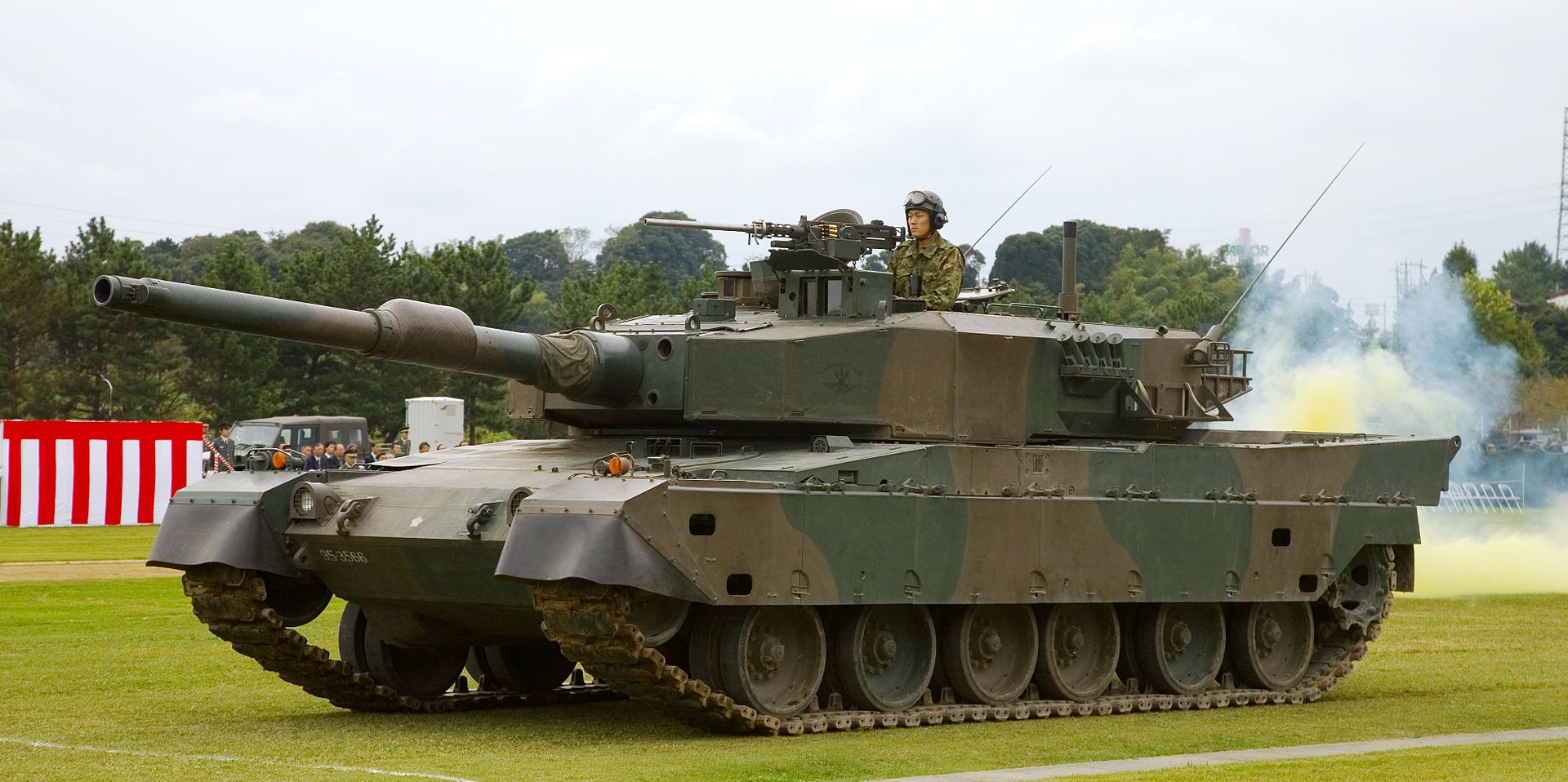
Another solution was ramping up the production of the Type 90 MBT, but this machine came with its own set of issues. At 50 tons (12 tons more than the Type 74), it was not really what the Japanese had envisaged as an ideal MBT since its weight made it difficult to operate in Japan’s remote areas, especially on the island of Hokkaido. It was also once again quite expensive, its production was slow (on average 19 vehicles per year) and any upgrades made to it would inevitably run into the same problems as described above, especially when it came to its weight.
It was therefore decided to start working on a brand-new new MBT using the most advanced technologies possible in order to make it just as good as other MBTs but at a fraction of their weight and, at the same time, it was also decided to replace a portion of obsolete MBTs with wheeled fire support vehicles (this branch of development would eventually result in the adoption of the
Type 16 MCV).
It’s unclear when the initial development of this tank actually started. The research of some components likely goes back as far as the 1990s but the real development work likely only started at the turn of the century, specifically in 2002 or so. The first prototype was available around 2004 and the real testing began around February 2008 with the reported price of a prototype being 700 million Yen (roughly the same as that of a production Type 90 MBT).
Two prototypes were showcased in 2010 alongside a Type 90 during a JGSDF Fuji training facility event and the vehicle finally officially entered service in January 2012. The mass-production was launched in 2010 with the rate of 13 vehicles per year and is currently ongoing, as such:
- 2010-2012: 39 vehicles
- 2013: 14 vehicles
- 2014: 13 vehicles
- 2015: 10 vehicles
- 2016-2017: 12 vehicles
- 2018: 5 vehicles
- 2019: 6 vehicles
- 2019-2020: 12 vehicles
In total, it seems that 111 vehicles have been built to date at roughly 950 million yen per with the total cost of the development program being roughly 50 billion yen.
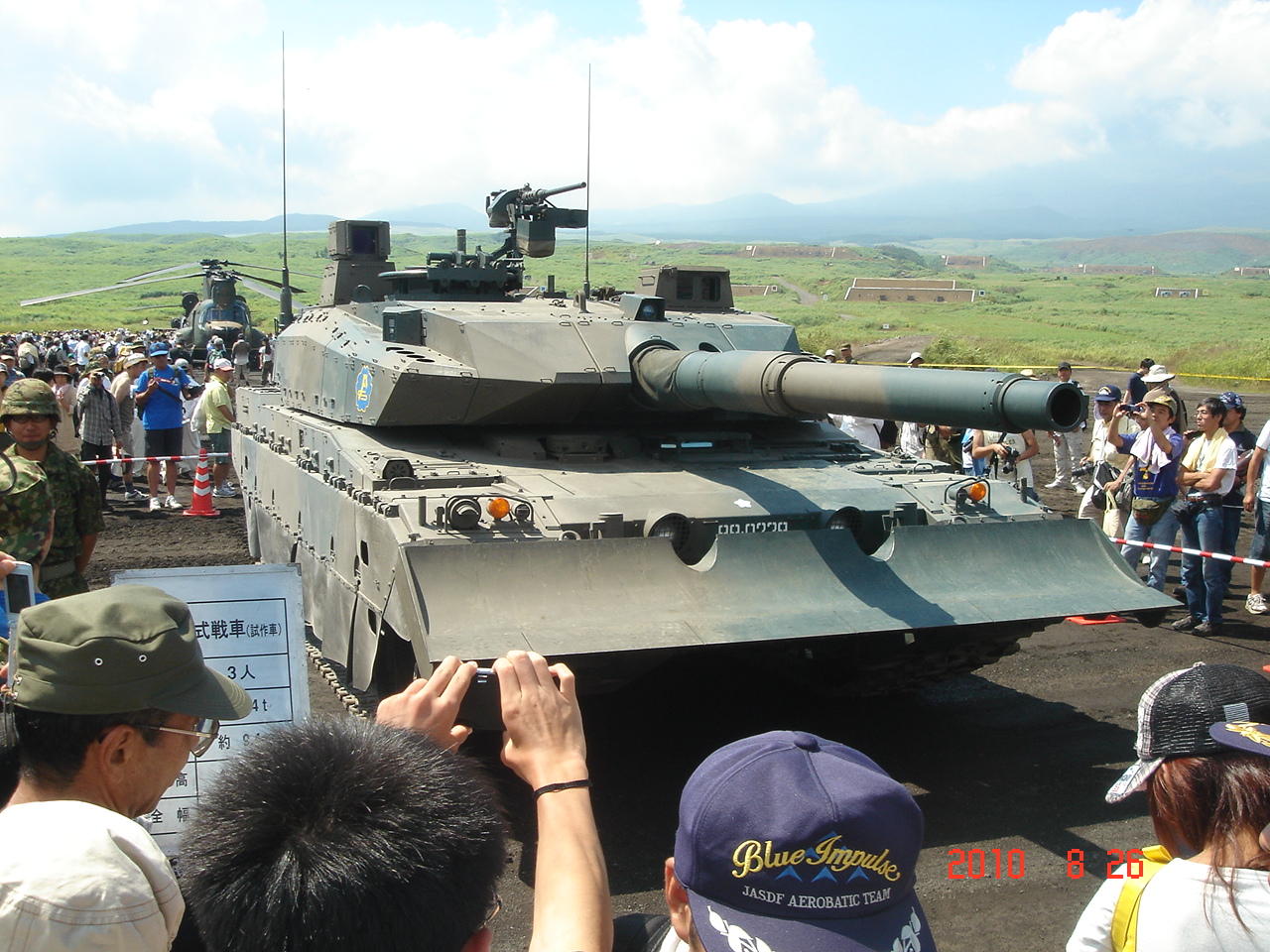
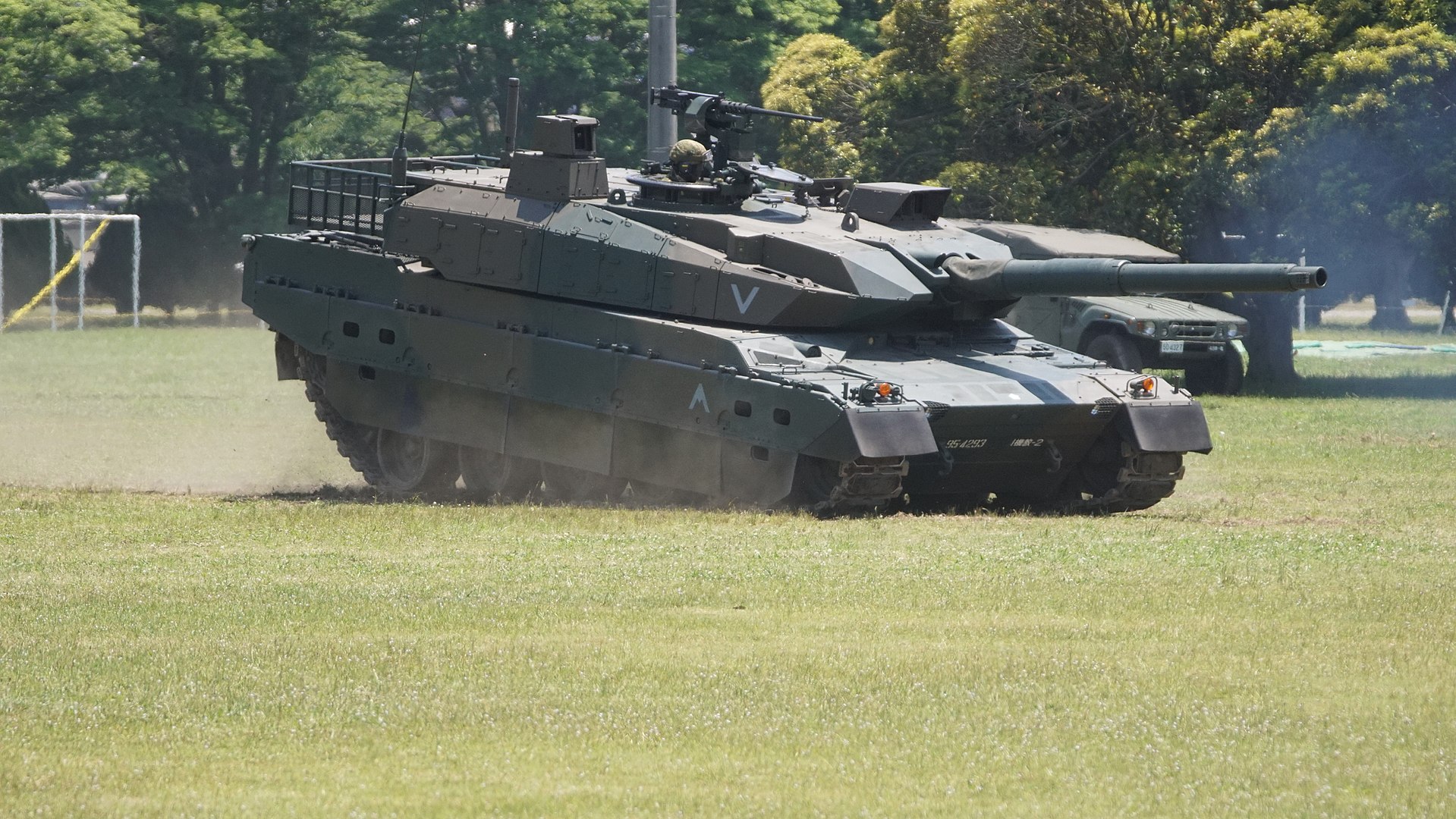
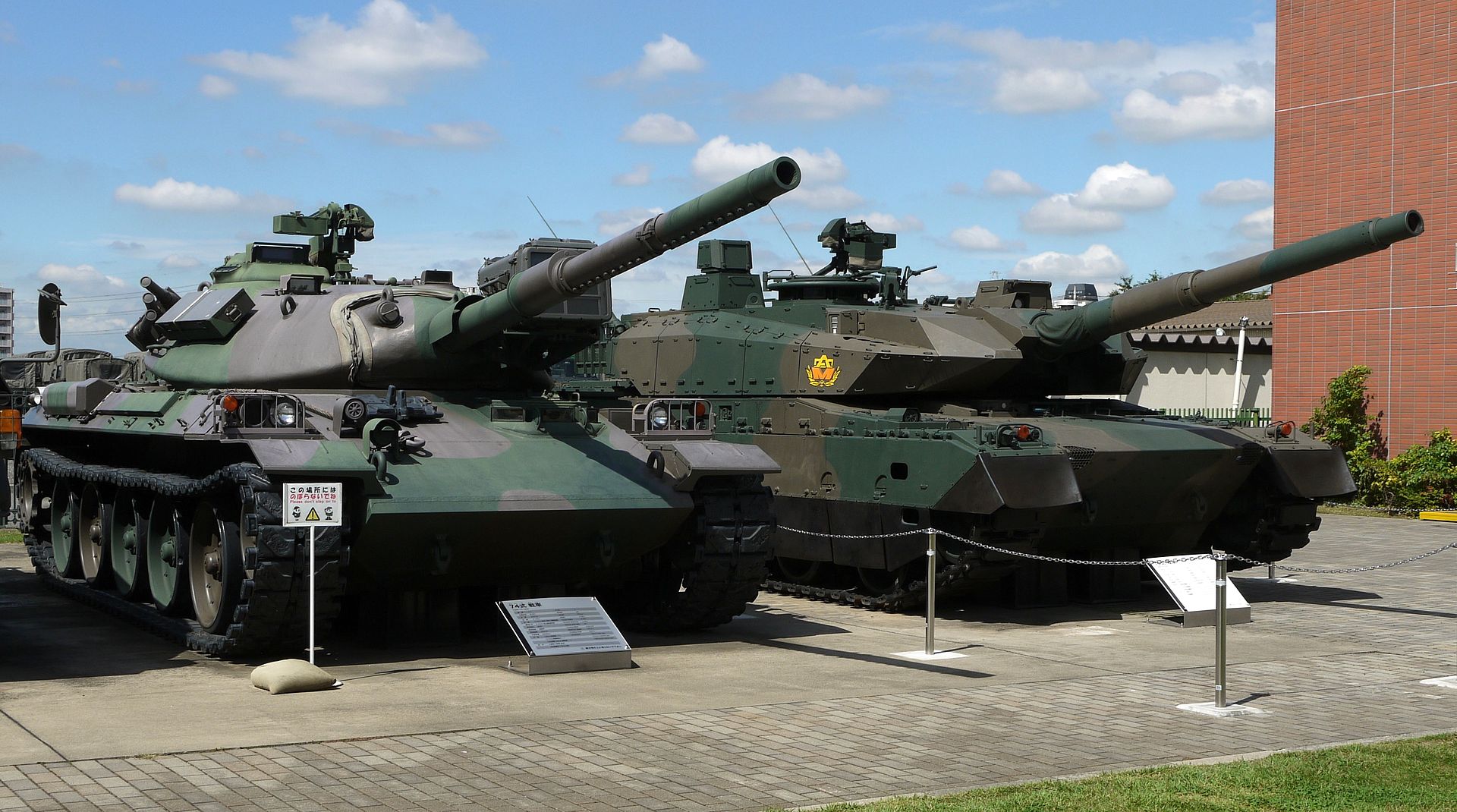
The Type 10 is also often called Hitomaru. The name comes simply from the words “Hito” (one) and “Maru” (zero). It has a crew of three men (implying an automatically loaded gun) and weighs 40, 44 or 48 tons. The last piece of information might sound a bit weird so let’s dive right into that.
As you already know, the Type 10 MBT was designed to meet the requirements of the Japanese military when it comes to off-road capabilities and this is directly tied to its weight. Simply put, the Type 90 MBT was way too heavy and the goal of the Type 10 design was to provide roughly the same level of protection but with generally lower weight.
The way the designers at Mitsubishi Heavy Industries achieved this goal was by making the armor of the tank modular, consisting of a basic hull and NERA modules. The Type 10 MBT has relatively thin basic armor that’s, according to some sources, made out of nano-crystalline steel. What exactly does that mean is anyone’s guess, but the composition of the steel seemingly makes it very light while keeping its protective properties intact. The frontal protective capabilities are possibly enhanced by carbon-fiber-based composites.
As a result, the basic weight of the vehicle in its transport form is mere 40 tons, a value unheard of for a tank of this size. In this form, however, the tank is resistant to heavy machinegun bullets only and – frontally – to non-tandem HEAT RPGs.
In its combat form, the tank weight increases to 44 tons by the addition of extra armor plating. However, it only reaches its full potential in the high intensity combat configuration that weighs 48 tons. In this configuration, the vehicle should be able to frontally resist modern 120mm APFSDS rounds at 250m or more along with more advanced tandem HEAT warheads from infantry-carried weapons such as the RPG-29 Vampir. While relatively lightweight, these launchers are nothing to scoff at – they are tied to some high-profile incidents such as penetrations of modern Merkava tanks.
Additional protective measures include:
- 76mm smoke grenade launchers
- Laser warning system (linked to the smoke grenade system to form a soft kill APS)
- Automatic fire extinguisher
- NBC protection
- Noise and heat trace reduction system
Domestic Japanese hard-kill APS for this tank is currently in development, but the published info about this system is mostly just theoretical with its mock-up resembling a single-barreled version of the turret-mounted Iron Fist APS.
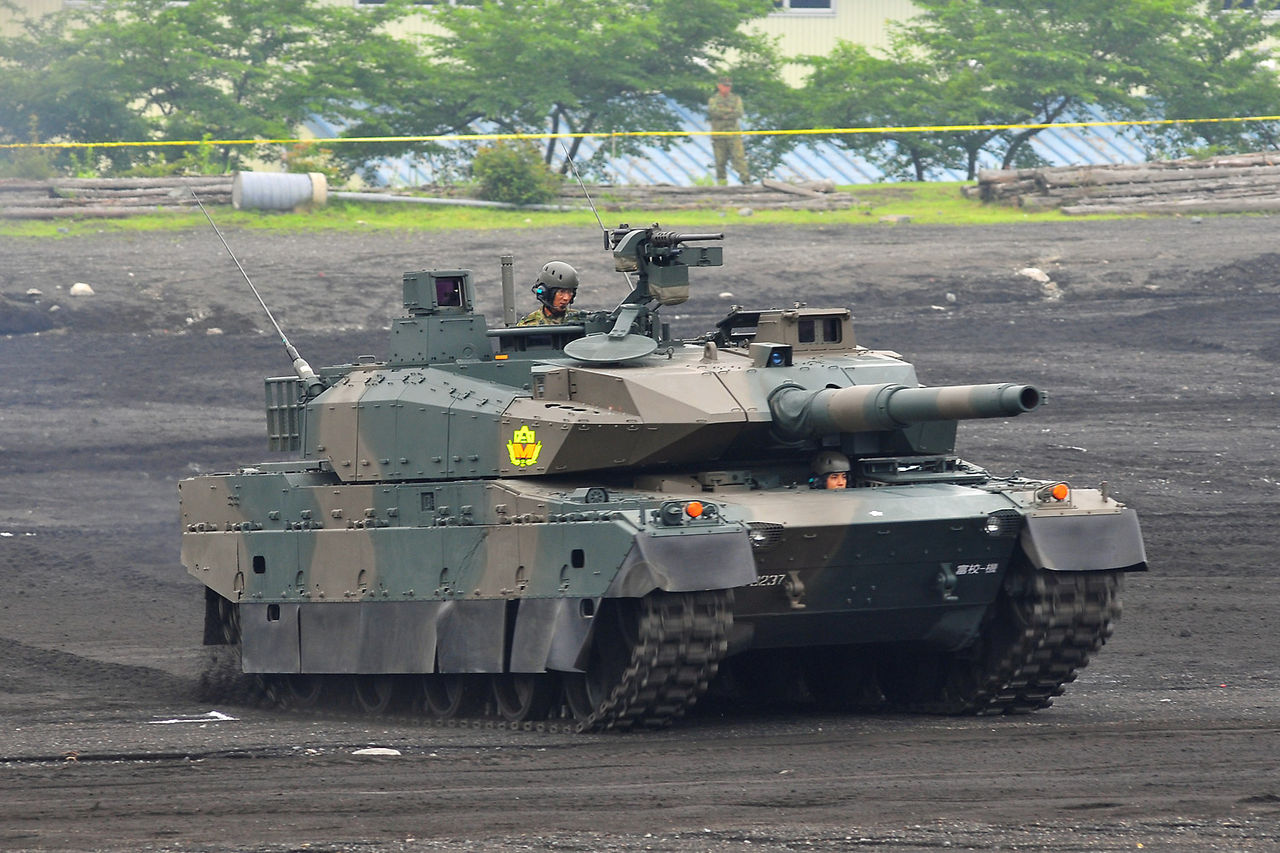
The tank is armed with an indigenous 120mm smoothbore gun (that is, unlike the Type 90 gun, not a copy of a Rheinmetall design). This gun, developed by Japan Steel Works, bears the designation Type 10 and comes in three different lengths: L/44, L/50 and L/55. The Type 10 MBT carries the L/44 version that has roughly similar performance as the Type 90 gun, but weighs 10-20 percent less.
The gun fires the following ammunition:
- JM33 APFSDS (approx. 800mm of penetration at 60 degrees at 0 meters)
- JM12A1 HEAT-MP round
- Type 10 experimental APFSDS (with its 748mm long penetrator, it can allegedly penetrate 1000mm of armor at 2km, although the value is not known)
The gun is loaded automatically from a bustle-mounted ammunition rack and is capable of firing roughly 8 rounds per minute. The vehicle carries 22 rounds of ammo (14 in the autoloader, 2 rounds behind the gunner and 6 rounds in the hull).
The gun is controlled by an advanced FCS with a Thales weather sensor. The commander has the following systems at his disposal:
- Panoramic day/night sights
- Thermal imager
- Laser rangefinder
- AI assistant that searches for targets and identifies their type
- Access to integrated C4I system
The gunner has the following systems at his disposal:
- Day/night sights
- Thermal imager
- Laser rangefinder
The exact gun depression and elevation value are not known but are thought to be considerable, especially given the presence of an adjustable hydraulic suspension that can tilt the vehicle to all sides.
The propulsion is provided by a Mitsubishi V8 diesel engine producing 1200 horsepower at 2300 RPM. Interestingly enough, the engine is paired with a CVT transmission that effectively has no gears and therefore allows the vehicle to go forward as fast as backward (70 km/h). The high mobility objective was achieved and the Type 10 MBT can be transported as easily as the Type 74 MBT with nearly the same off-road capabilities.
The real ace up its sleeve is, however, the abovementioned C4I Battlefield Management System. With it, the tank can connect to other tanks or even other unit types. You can already see the pattern emerging with most modern AFVs (such as the
Hunter) relying on such systems. They do offer a tremendous advantage and act as force multipliers.
And that’s pretty much the state of things right now. The Type 10 MBT production continues at low rates that serve as much to retain the tank-building capability as to actually build the tanks themselves, making it the most expensive MBT in the world when it comes to the cost per piece.
Traditionally, the tank is used only by Japan since the export of Japanese arms is pretty much prohibited by law. This is unlikely to change easily, although, recently, Japan is taking steps to bring the status of its military forces closer to those of other militaries and away from focusing purely on mainland defense.
What will happen remains to be seen.