1. Armored Warfare
  2. News

Armored Warfare News

Offer: American Firepower

Commanders!

Today we’ve prepared the following items for you:
  • Abrams AGDS Tier 9 Premium Tank Destroyer
  • Stryker ADATS Tier 9 Premium Tank Destroyer
  • Griffin 120mm Tier 8 Premium Light Tank
  • M1134 Tier 8 Premium Tank Destroyer
  • Battle Coins
Between January 28 and February 4, 2021, the following items will be available:


[h2]Abrams AGDS[/h2]


The Abrams AGDS (Armored Ground Defense System) was a vehicle concept and proposal, drafted in July 1996 by Dr. Asher H. Sharoni (a former colonel in the Israeli Defense Forces) and Lawrence D. Bacon from a Californian company called Western Design Howden. It was supposed to be an air-defense vehicle, protecting the Abrams formations against flying threats, although its weaponry can be deployed against ground targets as well. The United States were, at the time, sorely lacking a vehicle comparable to the Russian Shilka and one of the ideas was to use the Abrams chassis paired with a new turret to produce an armored AA gun that would be able to keep up with the American tank units. This plan was never realized and the vehicle stayed only on paper but you can play the Abrams AGDS in Armored Warfare and experience what it would have been like, had it ever been deployed.
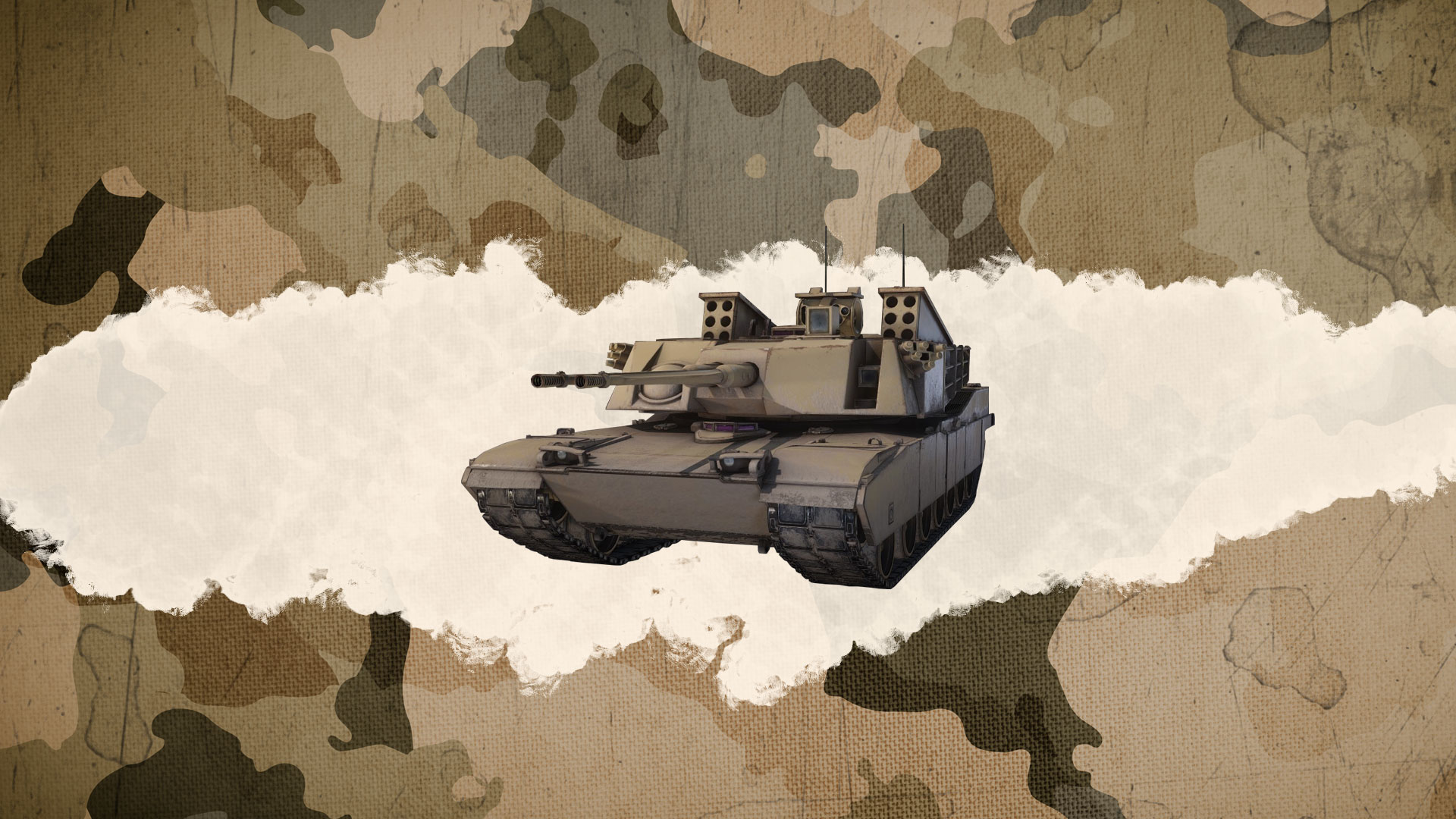


In Armored Warfare, the Abrams AGDS is a very unique Tier 9 Premium Tank Destroyer. What makes it so special are its two large guided missile launchers capable of firing an incredibly devastating volley within seconds. The AGDS can devastate practically every opponent on the battlefield with a single salvo, making it one of the best and most effective mid-to-long range vehicles in the game. At close ranges, it can rely on excellent frontal turret protection and its two 35mm autocannons to keep enemies at bay until the missile launcher reloads to unleash another deadly swarm of missiles. The Abrams AGDS is one of the most feared vehicles in Armored Warfare!


[h2]Stryker ADATS[/h2]


ADATS stands for “Air Defense Anti-Tank System,” describing its purpose very well. The system is intended to engage both air and ground armored targets. It was developed in the 1980s by a Swiss company called Oerlikon-Contraves and was offered as an interesting hybrid that would be able to deal with both Soviet tanks and helicopters or attack planes. Unfortunately for it, it came too late – only Canada would actually accept it in service and the end of the Cold War meant the end to all attempts at its large-scale introduction. The ADATS missiles were quite large but, more importantly, extremely fast and were certain to be extremely destructive to any Soviet armored targets, even though this thankfully never had to be tested in real combat. The ADATS turret was offered for a wide variety of platforms and was actively installed on a vehicle that is kind of like a cousin to the Stryker, the Canadian LAV-III. In this configuration, the vehicle was called MMEV.
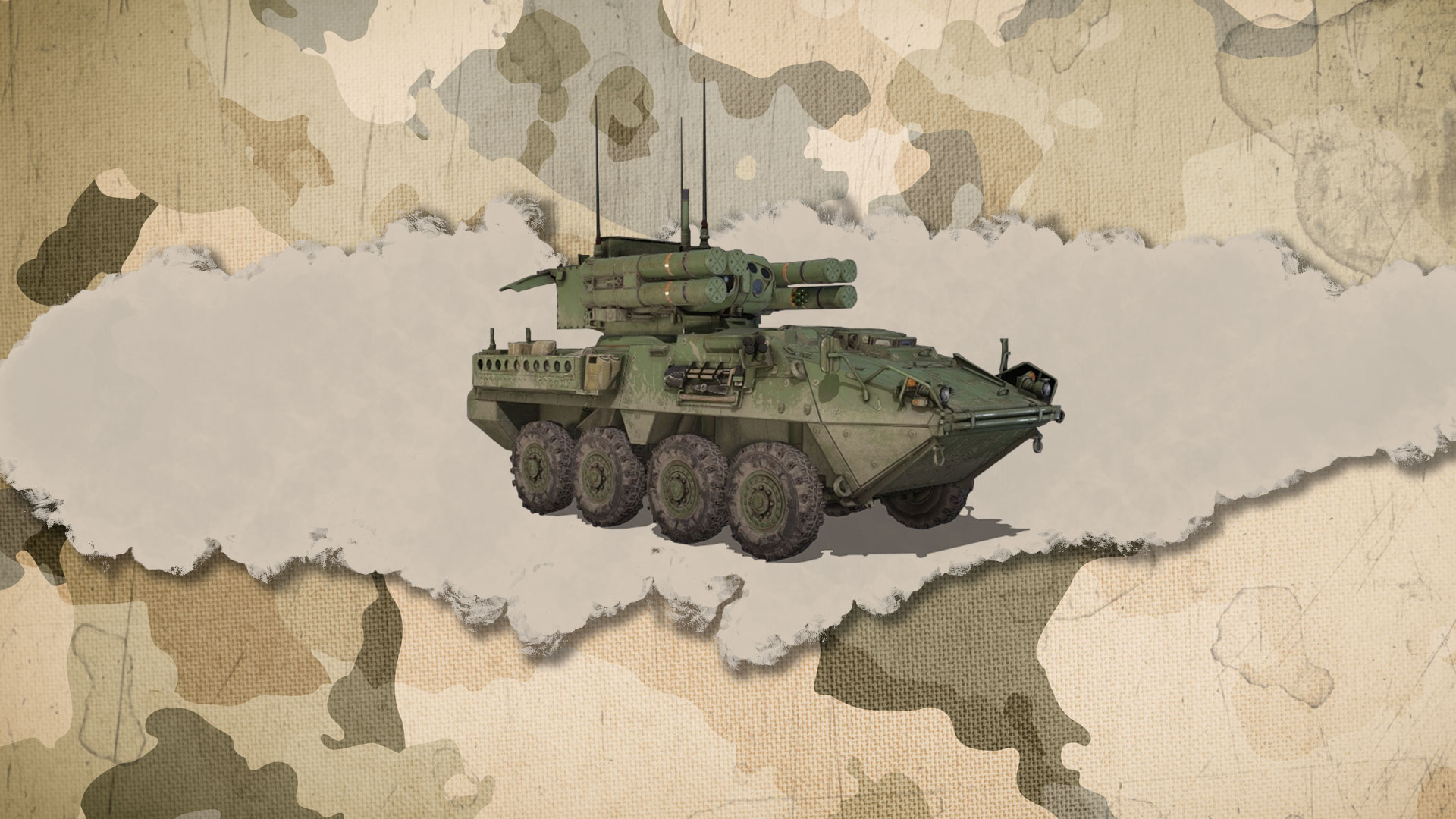


In Armored Warfare, Stryker ADATS is a Tier 9 Premium Tank Destroyer. It is a wheeled vehicle armed with two weapon systems – powerful long-range guided missiles and short-range unguided rockets, offering it some survivability in short range combat as well as the ability to deal tremendous damage if left to its devices.


[h2]Griffin 120mm[/h2]


The Armored Warfare version of the Griffin Light Tank is based on an early 2016 tech demonstrator, intended to show the U.S. military during the AUSA 2016 conference that General Dynamics meant business. It was built as a private venture; effectively a scaled-up example of General Dynamics was capable of providing when it came to highly mobile vehicles with a lot of firepower for the U.S. airborne forces. The U.S. Army was impressed and the design has since evolved into what is generally referred to as the MPF Light Tank. You can read more about this vehicle in our dedicated article.
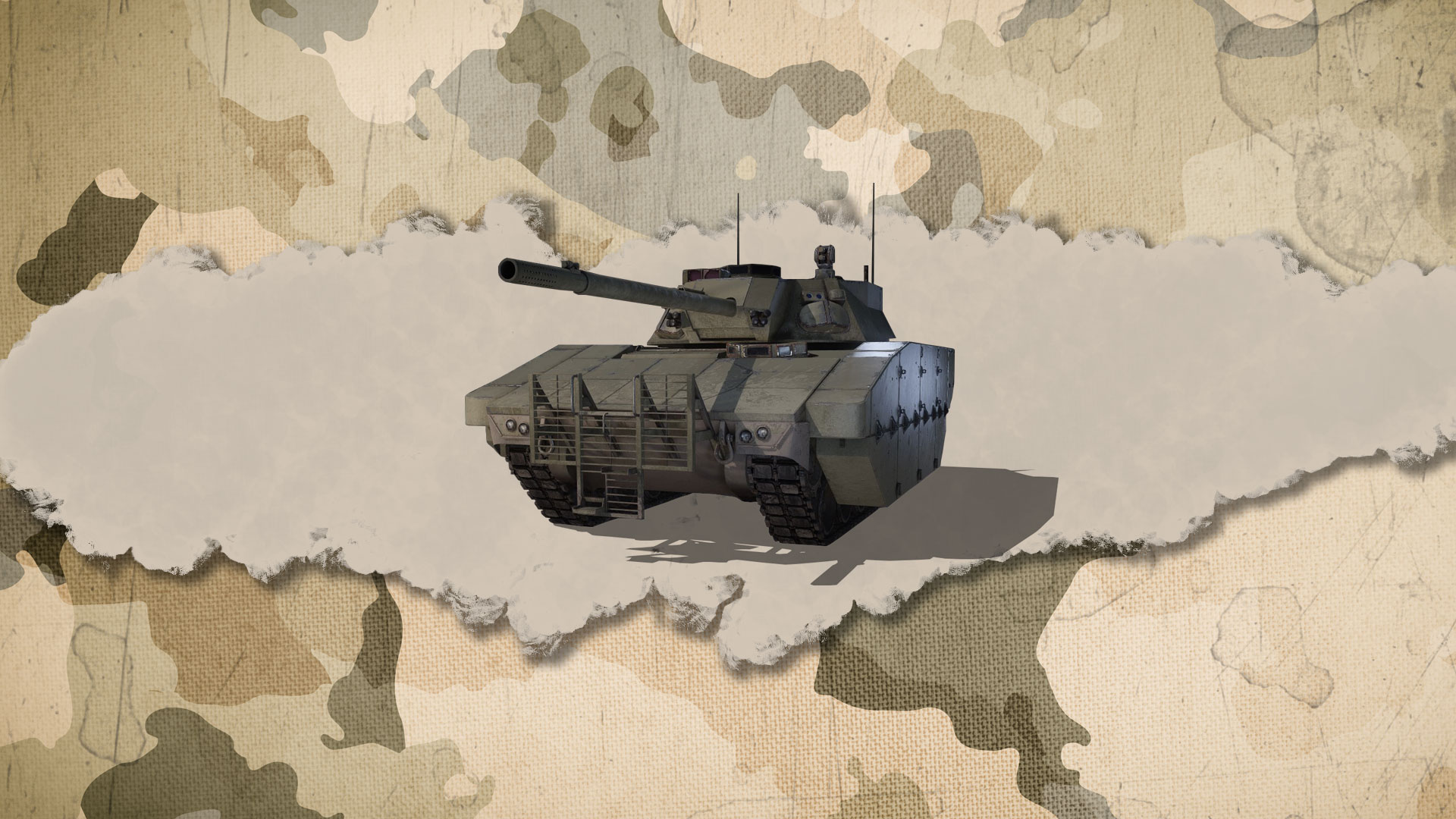


In Armored Warfare, the Griffin 120mm is a Tier 8 Premium Light Tank and a powerful, fast machine, armed not only with its 120mm cannon, but also with special ammunition types, making it deadly at any distance. Few Tier 9 vehicles can match its sheer ferocity on the battlefield.


[h2]M1134[/h2]


The M1134 is an advanced missile Tank Destroyer based on the Stryker chassis, used in the U.S. Army Stryker Brigade Combat Teams to enhance the unit’s firepower against enemy armor. While only lightly protected, its main strength light in the advanced model of the BGM-71 TOW missile launcher, allowing it to knock out practically every armored target it encounters on the battlefield.
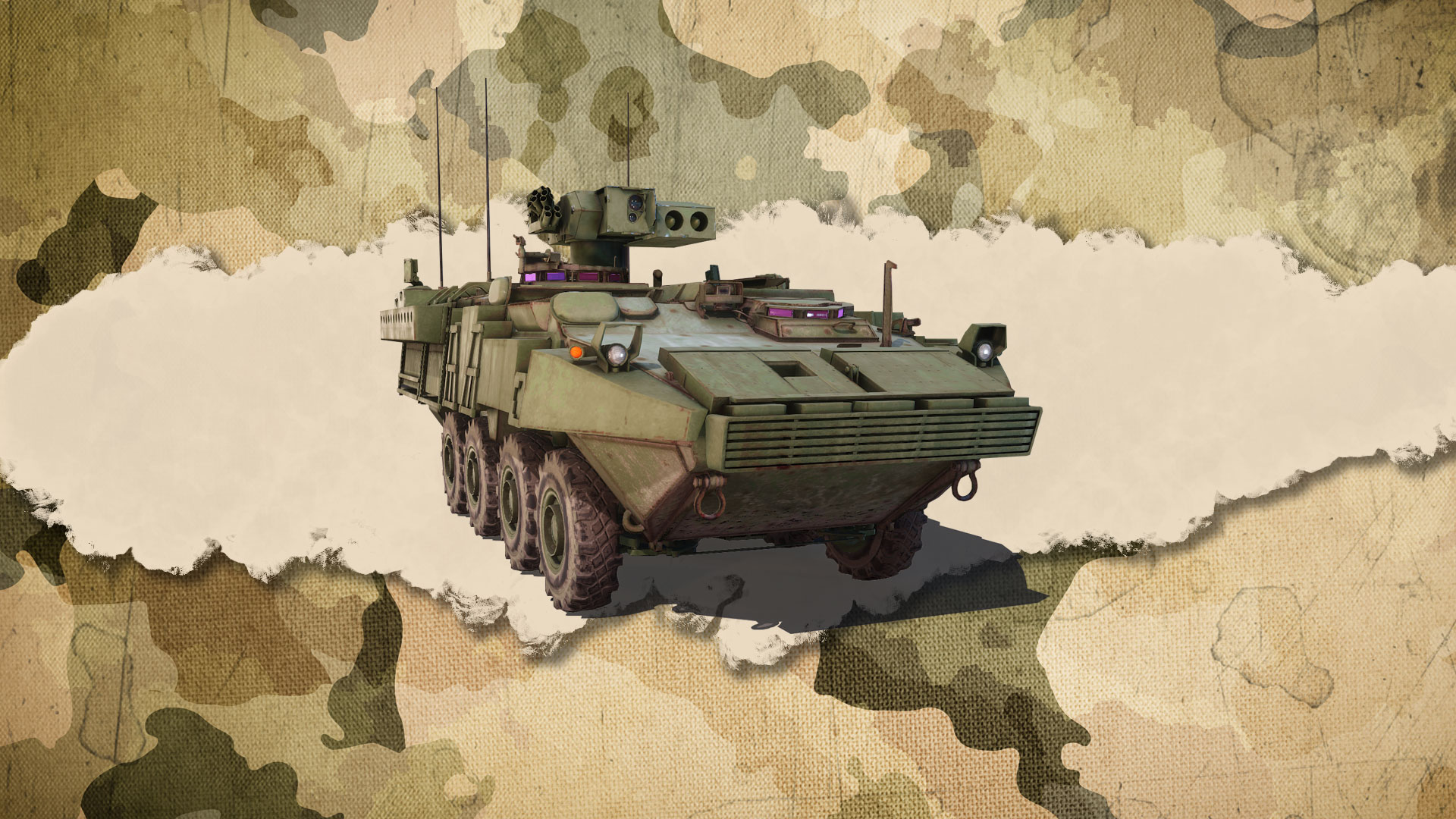


In Armored Warfare, the M1134 is a Tier 8 Tank Destroyer. Its main and only weapon is the dual-shot missile launcher. As such, the vehicle is mostly defenseless at close ranges, but can take out any enemy it encounters at long distances thanks to its powerful guided missiles. Mastering it requires patient gameplay and clever use of cover, making it more suitable for experienced players.


[h2]Battle Coins[/h2]


This week, we are offering you an opportunity to boost your Battle Path progress and get that main prize you know you want – the Object 195 Tier 10 Premium Main Battle Tank!



The following Battle Coin bundles are available:
  • 1.000 Battle Coins (10% off)
  • 5.000 Battle Coins (15% off)
  • 10.000 Battle Coins (25% off)
  • 25.000 Battle Coins (35% off)
  • 50.000 Battle Coins (45% off)

Battle Coins can be used for a number of things, including:
Please note: In order to use Battle Coins, you need to obtain the access to the Echoes of War Battle Path.


We hope that you will enjoy the offer and, as always:

See you on the battlefield!
Maintenance - January 28

On the 28th of January 2021, starting from 8:00 CET (27th of January, 11 PM PST), the server will not be available for 5 hours due to the application of Update 0.34.7675

[previewyoutube][/previewyoutube]

[h2]List of Update 0.34.7675 Changes[/h2]

PvE Changes

In this update, we’re introducing a number of changes to the PvE modes that are available in the game:
  • Added 35 wheeled vehicles to the AI pool (learn more)
  • Added 34 tracked vehicles to the AI pool (learn more)
  • Significantly changed the pool of potential Lieutenant and standard AI vehicles (learn more)
  • Lieutenant AI vehicles can now deploy smoke

We have removed the delay between the moment you get spotted and the appearance of the eye indicator in PvE modes. That way, you will always know instantly whenever you become spotted by an AI opponent.

We have also updated the AI vehicle reaction mechanism in order to reduce various unpopular AI “snap shot” situations where AI vehicles target and fire at you the moment you are spotted. However, the same AI vehicles will now remember where you are for a longer period of time.

General Changes
  • The game now remembers whether you opened or closed various Visual Customization UI categories and keeps them that way
  • PvP loading screen minimaps now feature the location of spawning positions
  • Fixed several smaller visual model issues
  • Added several new assets for future events

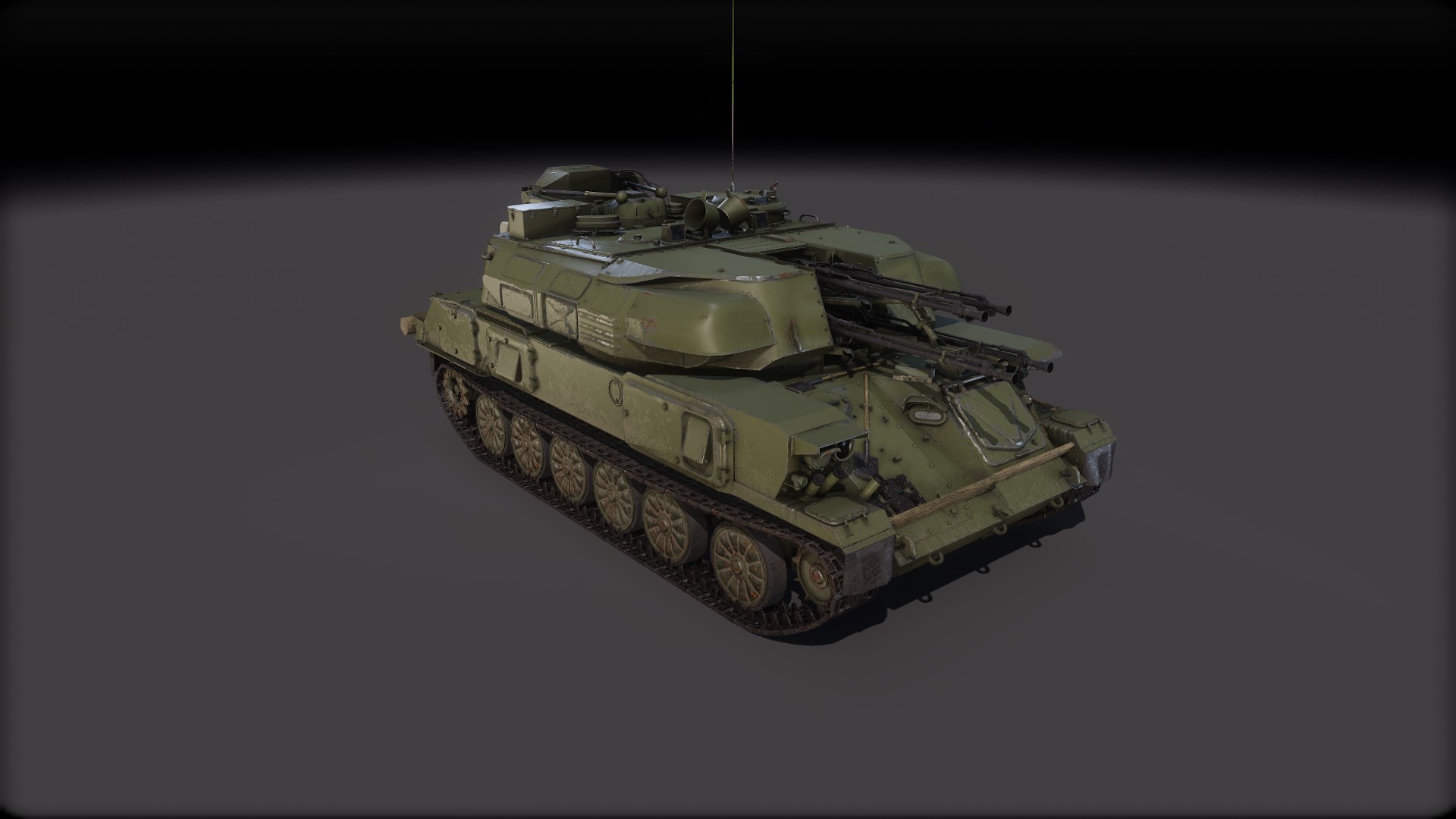
Battle Path Bounty Hunt: Shilka

Commanders!

We’d like to invite you to another round of the Bounty Hunt event, in which you will have the opportunity to hunt down some Armored Warfare members of staff or VIPs and destroy them in battle for amazing prizes! This time, we’ll be focusing on some Battle Path content and prizes.


On Thursday, January 28, 2021, between 18:30 and 19:30 CET, log in to Armored Warfare and play Tier 4 PvP.

We, the staff-members and moderators, will be joining the battles in our ZSU-23-4 Shilka Battle Path reward vehicles and if you manage to destroy one of us, you will be awarded with 2.500 Battle Coins and a 14 day temporary version of the Shilka Tier 4 Premium AFV.

The following staff and VIP’s will take part in the event:
  • MaciekM4a4
  • M3pit
  • waidler
  • Eisenherz
  • Eskobar68
  • Silentstalker
  • Tenam
  • ThePsychocat
  • PanzerMarmelade
  • WODZU123098
  • deathman254
  • ONEMANCLAN
  • dayan78
  • Max_Insanity
  • Noobdown

They will also identify themselves at the beginning of each battle by a chat message.

The rules of the contest are very simple:
  • Team-Killing will not win you a prize, unless you count a ban and contest disqualification
  • You don’t need to make a note of who you destroyed (although it doesn’t hurt); we’ll keep track
  • You can win as many times as you want, they are no limits per player
  • The temporary Shilka will only be awarded for your first kill, any further kills will be awarded by Battle Coins only
  • Rewards will be distributed after the end of the event
We look forward to seeing you on the battlefield!

In Development: Panzer 87-140

Commanders!

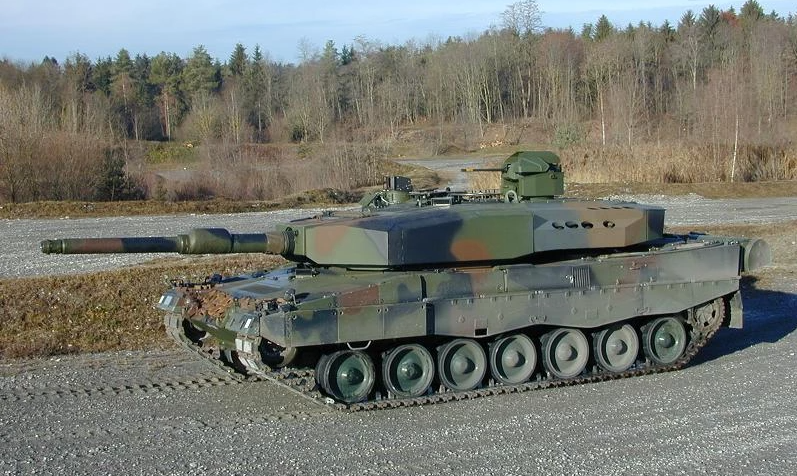
From its humble beginnings to the creation of this apex predator, the Swiss military always had some of the most interesting and unique vehicles on the continent, largely thanks to the requirements dictated by its unique geographical layout. Now, you might be asking, what’s unique about what looks like your run-of-the-mill Leopard? But watch out, because that’s no ordinary Leopard! We’re happy to present the Panzer 87-140 Main Battle Tank!


First, as usual, a little history behind the Swiss armored forces. The defensively minded nation of Switzerland has been surrounded by Italy, Germany, Austria and France and thus many of its tank choices reflect this. The Swiss military is well respected and was interested in tanks from at least the early 1920s.

Not tied to any formal defensive treaty with other nations, Switzerland prides itself in its neutrality, although it did have strong links with Germany during the Second World War. However, this freedom from treaties allowed Switzerland a large amount of freedom in choosing tanks from other nations and designing their own vehicles.

The first tanks imported to Switzerland came from France in 1922, when they bought some Renault FT-17′s. In Swiss use, they were known as the Mosquitos. Keeping up with many European powers on the 1920’s and 30’s, Switzerland obtained some of the Carden-Loyd Mark VI light tanks in 1927-28 and Vickers-Carden-Loyd vehicles from the UK in 1934.

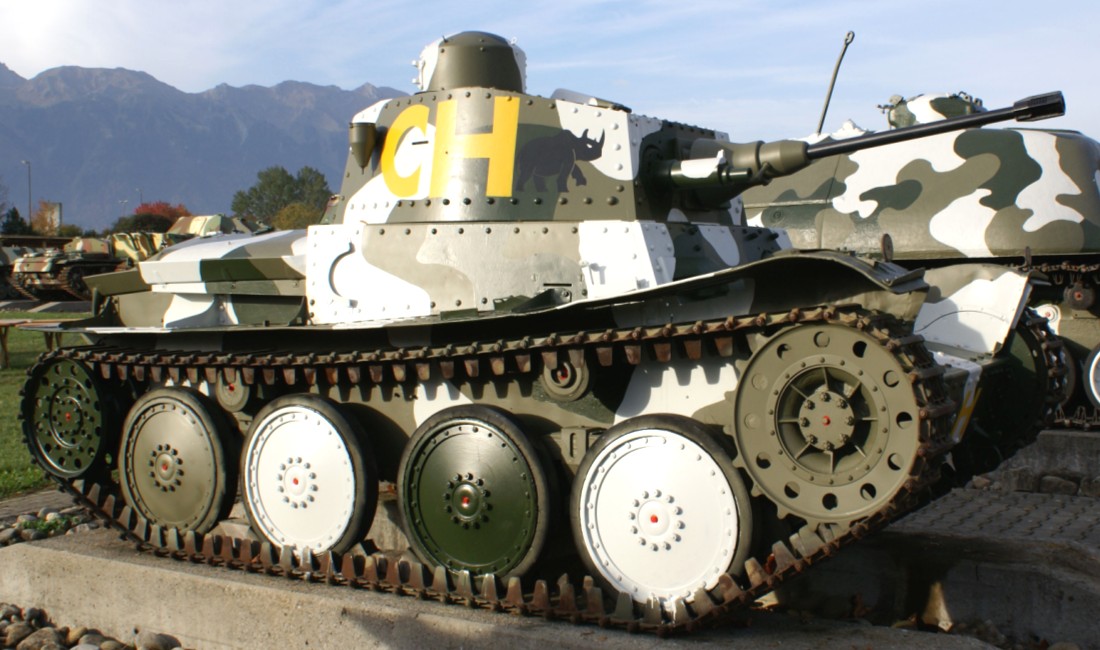
In 1940, Switzerland obtained a quantity of captured French vehicles (one source says that French forces drove them over the border rather than surrendering them to German forces and thus the Swiss seized them), including the Renault R-35. In Swiss service, this vehicle was known as the Leichter Panzer 35 and, in 1939, Switzerland acquired the Czechoslovak LTH, which was known in Swiss service as the Panzer 39. The first 12 of these vehicles were supposed to be Czech assembled, fitted with the Scania-Vabis engine but without guns, later vehicles were sold in parts and assembled in Switzerland.


Switzerland obtained a number of AMX-13 light tanks from France in 1953, they entered service as the Leichter Panzer 51, fitted with a 75mm gun, and some Centurion tanks from the UK (1955 and a later a second batch in 1957). The first batch of Centurion Mk.III tanks bought in 1955 did not arrive until 1956 and 1957 and were known as the Panzer 55.

The second batch of Centurion tanks, this time being the Mk.VII, was bought in 1957, were delivered between 1958 and 1960. To further their supplies of Centurion tanks, which were clearly well-liked in Swiss use, having beaten the American M47 Patton in Swiss trials in 1952, a third batch of Centurions was bought in 1960, this time from the South African surplus. These were Mk.V Centurions and some sources say these were known at least temporarily as the Panzer 60. Also in 1960, a number of Centurions was up-gunned to the British 105mm gun.

The late 1950s till the early 1960s were a key time for Swiss tank building, as they started to produce their own designs, including the KW.30, which appeared in 1958. Two prototypes were produced in slightly different variations and were to be fitted with a modified Swiss 90mm anti-tank gun.

The second prototype of the Panzer 58 appeared 1959, fitted with a variant of the British 20 pounder gun. Various changes were made to the design until it was standardized and entered service.

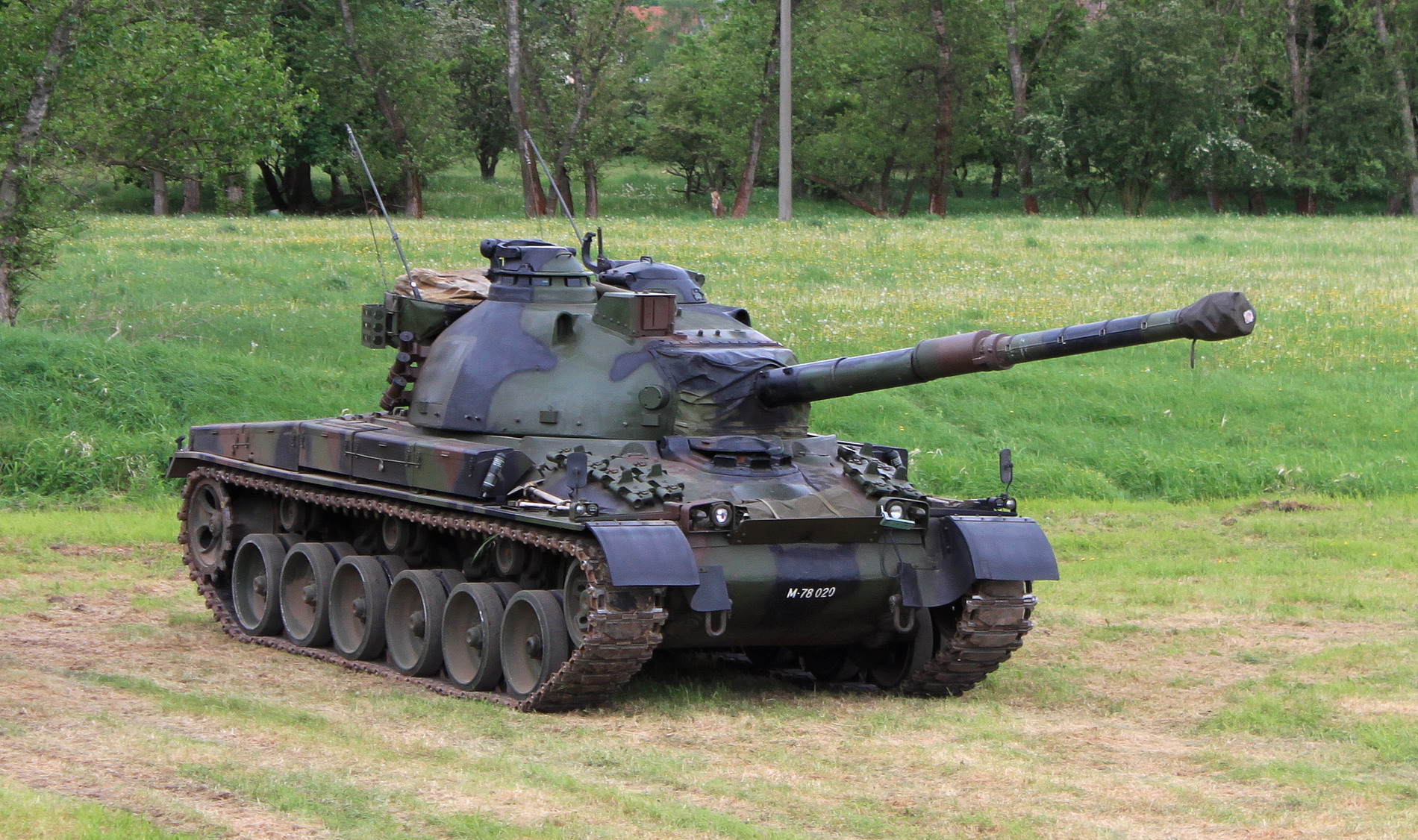
Work continued on improving their design in all aspects, turning the vehicle into the 38 ton Panzer 61, which in 1964 was fitted with the excellent 105mm 52 calibers (L/52) British gun (L7) in a modified version. Further improvements of the same design then led to the appearance of the infamous Panzer 68 MBT in 1968.


The Panzer 68 is often mentioned as being one of the worst MBTs ever in service. The problem of this tank was not its bad design but the fact that it was plagued by serious issues that (summed up) made it practically unusable in battle. In 1979, a committee was assembled to investigate the vehicle and found dozens of problems, notably:
  • Insufficient NBC protection
  • The fact that the vehicle has to stop before switching to reverse (limiting its ability to react on threats)
  • Radio station interfering with turret controls causing the turret to sometimes randomly turn when used at full power

Possibly the most serious issue discovered was the fact that turning on the heating could cause the main gun to fire. This report caused a scandal that led to the resignation of the Swiss minister of defense. In the end however, the tank stayed in Swiss service and most of its issues were hammered out during the major overhaul these tanks underwent after the affair.

One of the side-effects of this affair was a more negative outlook of future Swiss indigenous tank development. At the same time, it was clear to everyone that the Panzer 68 and the even older Centurions would eventually need replacement.

To that end, in 2003, a development of a new MBT was launched by Contraves in the mid-1970s. This was the NKPz (or Neuer Kampfpanzer). The project somewhat resembled the Merkava with its turret shifted to the back and its engine in the front. It was to be a superb machine with advanced weaponry, a hydraulic suspension and many other cutting edge features. All this, however, did not only require a lot of time; it came at a massive cost that the Swiss government was not willing to pay. In 1979, the NKPz program was cancelled.

Instead, the Swiss decided to once again shop abroad – or, more specifically, to license-produce an existing design. There really were just two options in the early 1980s – the Leopard 2 or the Abrams. Back then, Switzerland still had approximately 320 old Centurions in service and they all needed replacing, so a production run of 420 new MBTs was initially envisaged.


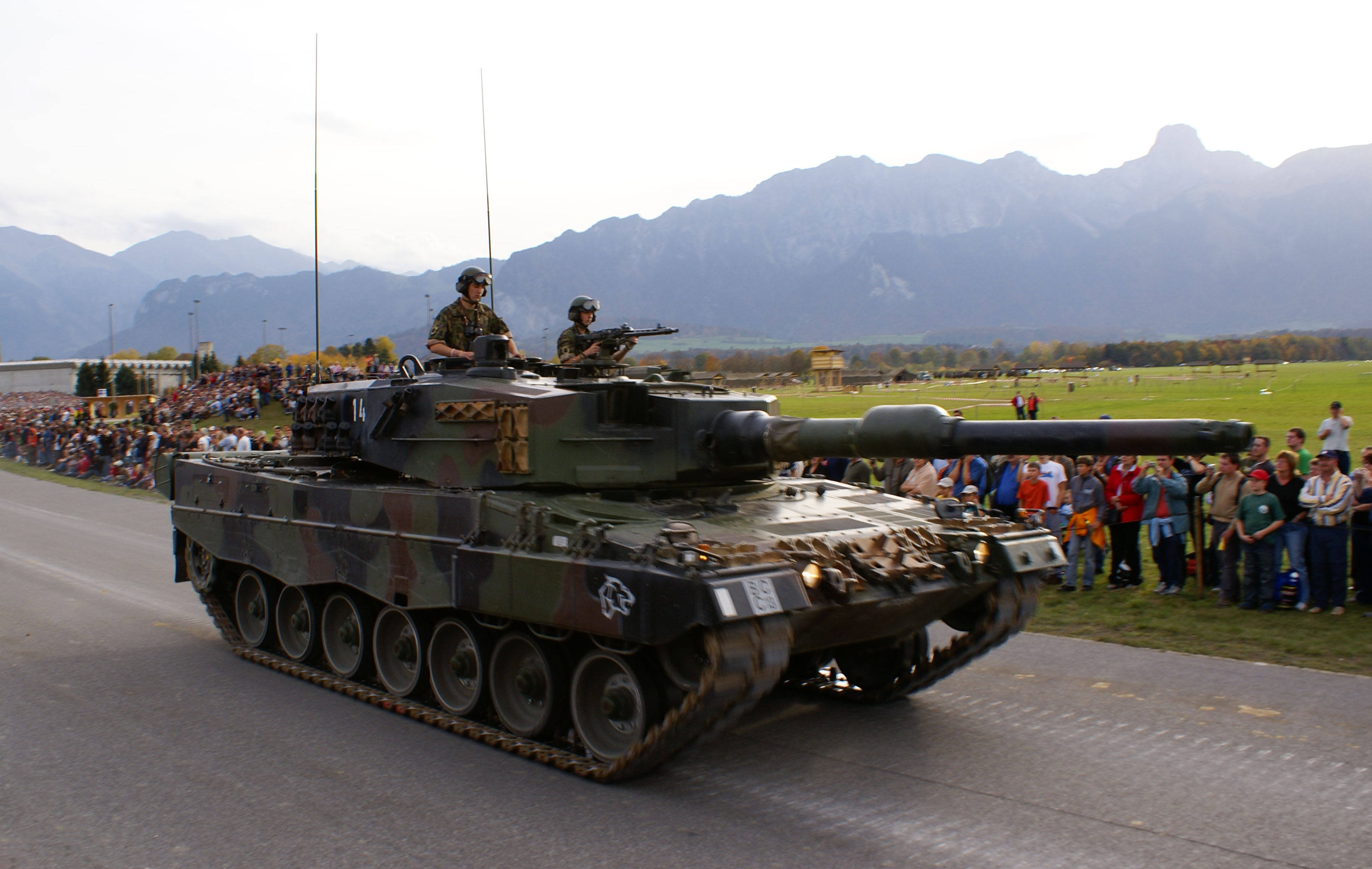
Both contenders participated in a series of trials in Switzerland between 1981 and 1982 with the Leopard 2 coming out ahead. The decision to adopt it was made on August 24, 1983 and in 1984, adequate funds were allocated to the program. The Leopard 2A4 model adopted was called Panzer 87 in Swiss service. The production first started in Germany (35 vehicles), but in 1987, it moved to Thun in Switzerland where further 345 more vehicles were built between 1987 and 1993.

The Swiss Panzer 87 featured a number of small differences when compared to its German counterpart. They include:
  • Prominent exhaust mufflers, making the vehicle quieter, based on the demands of the villages affected by military trainings
  • Somewhat different turret rear (slightly different shape, added camouflage net stowage box)
  • Different machineguns (Swiss 7.5mm MG 87 by Bern, effectively an improved German MG42 from the Second World War)
  • American radios
  • Grousers attached to the front of the turret
  • Extra position lights on the sides
  • Improved fire suppression system called Deugra

And a few more details. This way, the vehicles are mostly still in service, despite having been partially upgraded over the years (of the original 380, only 134 vehicles are still active). In 1999 for example, the Swiss opted to buy the then-new German DM53 APFSDS round as the first foreign customer (20 thousand were ordered).

But let us go back to the late 1980s and early 1990s for a while more, when the collapse of the Soviet Union was far from certain. In order to deal with the newest generation of the Soviet MBTs, one of the NATO-favored tank solutions was the development of a 140mm gun. These tank guns were true behemoths with incredibly high muzzle energy with Germany, France, Britain and the United States developing their own models.

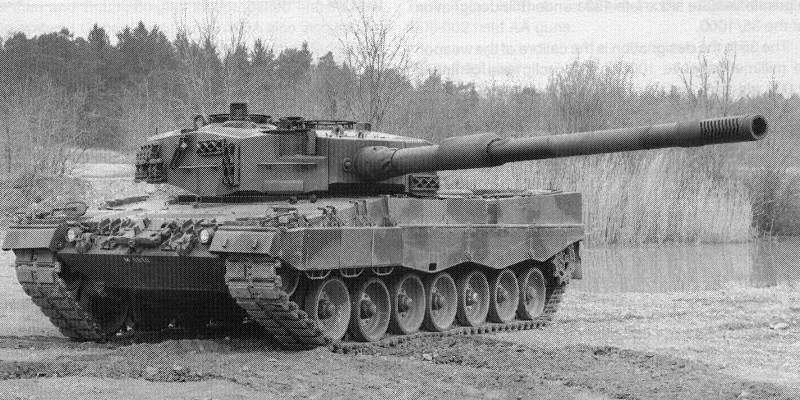
Switzerland, not being a part of the NATO, did not have access to this research and decided to develop such a weapon on its own. RUAG (specifically the SW Swiss Ordnance Enterprise Corp division) took upon itself to complete the task and the first trials took place in the autumn of 1989.


It’s worth noting that this is not the same gun as Rheinmetall’s, nor does it come from the same research. The Swiss weapon was a bit shorter. It was automatically loaded with 32 shells located in the back of the turret. The ammunition was two-piece with the following rounds being available:
  • APFSDS-T round designated 14 cm Pz Kan Pfeil Pat Lsp with a depleted uranium penetrator
  • HEAT-MP round designated 14 cm Pz Kan HL Pat MZ Lsp with a strong fragmentation effect

The kinetic round can, according to reputable sources, penetrate approximately 1000mm of RHAe.

The prototype was also fitted with an extra set of armor that is said to bring the protection levels roughly to those of the German Leopard 2A5 variant. It consisted of a turret kit (230mm thick elements) with an additional armored plate mounted on the roof. The hull was unchanged but the weight still increased to some estimated 61 tons.


The armor bears resemblance to the WE (Werterhaltung, “Retained Value”) kit developed for the standard Panzer 87 by RUAG in the 2000s. The WE armor is rumored to have titanium inlays and thus offering very high protection levels. Currently, this armor too remains a prototype only as a part of the offered upgrade kit, featuring:
  • Outside cameras
  • New RCWS
  • Redesigned smoke grenade launchers
  • Improved FCS and commander optics (Carl Zeiss PERI R17A2 optics)

Despite some older news indicating otherwise, it seems that this upgrade was not ordered by the Swiss.

What happened in the 1990s and 2000s is a bit of a mystery. With the fall of the Soviet Union, there was no real reason to keep this expensive program running and it apparently became one of the victims of the 1990s budget cuts. However, in the early 2000s, news emerged about the testing of another RUAG 140mm gun in a Panzer 87. This project was not adopted either and the prototype (possibly the same vehicle from 1989) apparently still exists, but images of it are rather rare.


In Armored Warfare, the Panzer 87-140 will be a Tier 10 Premium Main Battle Tank.

But before we get into any details, the usual disclaimer:

The numbers below are very preliminary as the vehicle has not been properly tested. They are sure to change and should only be discussed as an indicator of how we’d like to set the vehicle up. With that being said:

The tank will occupy a position similar to the already existing Leopard 2AX. In other words, this vehicle will be an MBT long range fighter with a lot of firepower but only average armor and mobility (even though the latter will surpass the Leopard 2AX). Compared to the Leopard 2AX, the protection will be somewhat lower but the firepower will be higher.

The armor will be roughly the same as that of the Leopard 2AX – not excessively weak, but nothing to write home about. It’s worth noting that the hull will lack some of the extra plating of the turret and you’ll have to be very careful not to expose it too much. The vehicle will also be equipped with a soft-kill APS, but, unlike on the Leopard 2AX, a hard-kill APS will not be present. On the upside, the soft-kill APS will have the supercharged mode available.


On the upside, the firepower will be excellent. We’re looking at a 140mm gun capable of firing two types of ammunition, just like in real life:
  • APFSDS (with cca 905mm penetration)
  • HEAT-MP (capable of dealing damage even upon non-penetrations)

The gun will be very accurate (although not as accurate as that of the Leopard) and will offer solid damage per minute, depression and elevation values. Overall, this will be a comfortable tank to play with good fire control.

The mobility will be roughly the same as that of the Leopard 2AX. The engine will be a bit weaker, but the tank will also be somewhat lighter. As a result, the maximum speed will be 70 km/h and the MBT will accelerate from 0 to 32 km/h in roughly 4.9 seconds. And last but not least, the camouflage factor and viewrange will also match those of the Leopard 2AX. Aside from the abovementioned Supercharged Soft-Kill APS active ability, this tank will also feature one more called Override, which temporarily improves your vehicle's acceleration and maximum speed. This ability also makes you lose less speed during sharp turns.


In summation, the Panzer 87-140 will be an adequate premium counterpart to the Leopard 2AX and a capable sniper within the constraints of its class. Both its shell types will be extremely deadly and the punch they will deliver will leave your enemies reeling from the blows. On the other hand, with its mediocre protection levels, you’ll need to take cover as much as you’ll be able to. This won’t be a front-line fighter impervious to enemy shots, but rather a battlefield marksman taking out its prey at long distances.

We hope that you will enjoy it and, as always:

See you on the battlefield!

Lootdog: Terms of Service Update

Dear Users,

From February 1, 2021, the funds in PayAlly payment accounts won't be accessible via Lootdog.


Since November 25, 2020, Lootdog has been offering a new payment account from My.com B.V. Users who have funds on their PayAlly payment account can still, until January 31, 2021, accept the new User Agreement and transfer funds free of charge to the new payment account.

To transfer your funds:
  • Log in, accept the new User Agreement and confirm the transfer of your data to My.com B.V. on https://lootdog.io/go
  • Confirm the transfer of your funds from you PayAlly payment account to your My.com B.V. payment account. The transfer will be free-of-charge and instantaneous.
Please note:

This piece of news concerns only those users, who can currently access Lootdog. The Lootdog service is currently not available to the majority of western territories.

See you on the battlefield!