1. Armored Warfare
  2. News

Armored Warfare News

Offer: Premium Time

Commanders!

Premium Time boosts your progression speed by allowing you to obtain more Credits and Experience in battles.


The following bundles are now available with a discount:
  • 90 days of Premium Time - 5% off
  • 180 days of Premium Time - 10% off
  • 365 days of Premium Time - 20% off
These bundles are available in our Web Shop in the Premium Status section.


We hope that you will enjoy the offer and, as always:

See you on the battlefield!

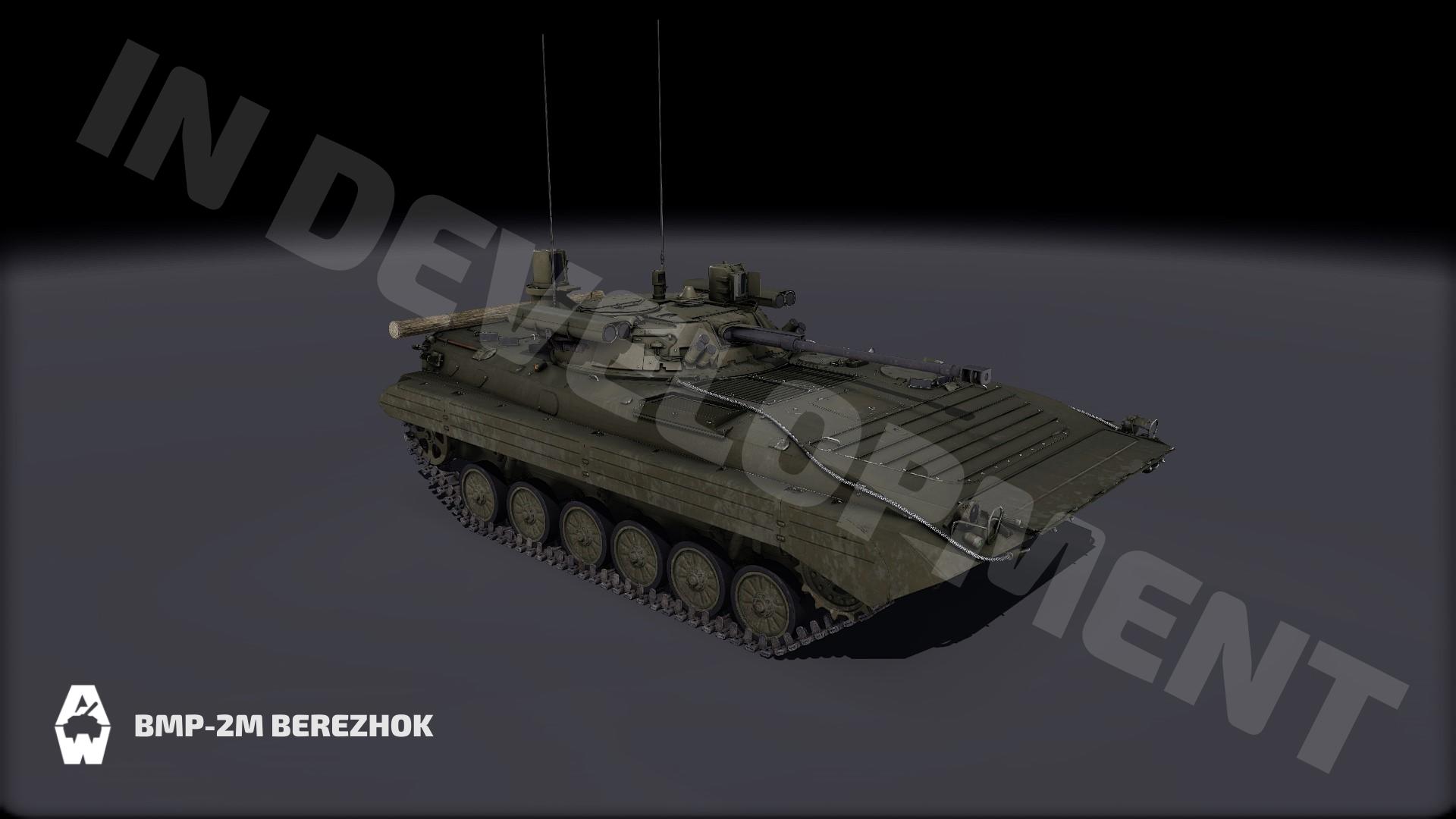
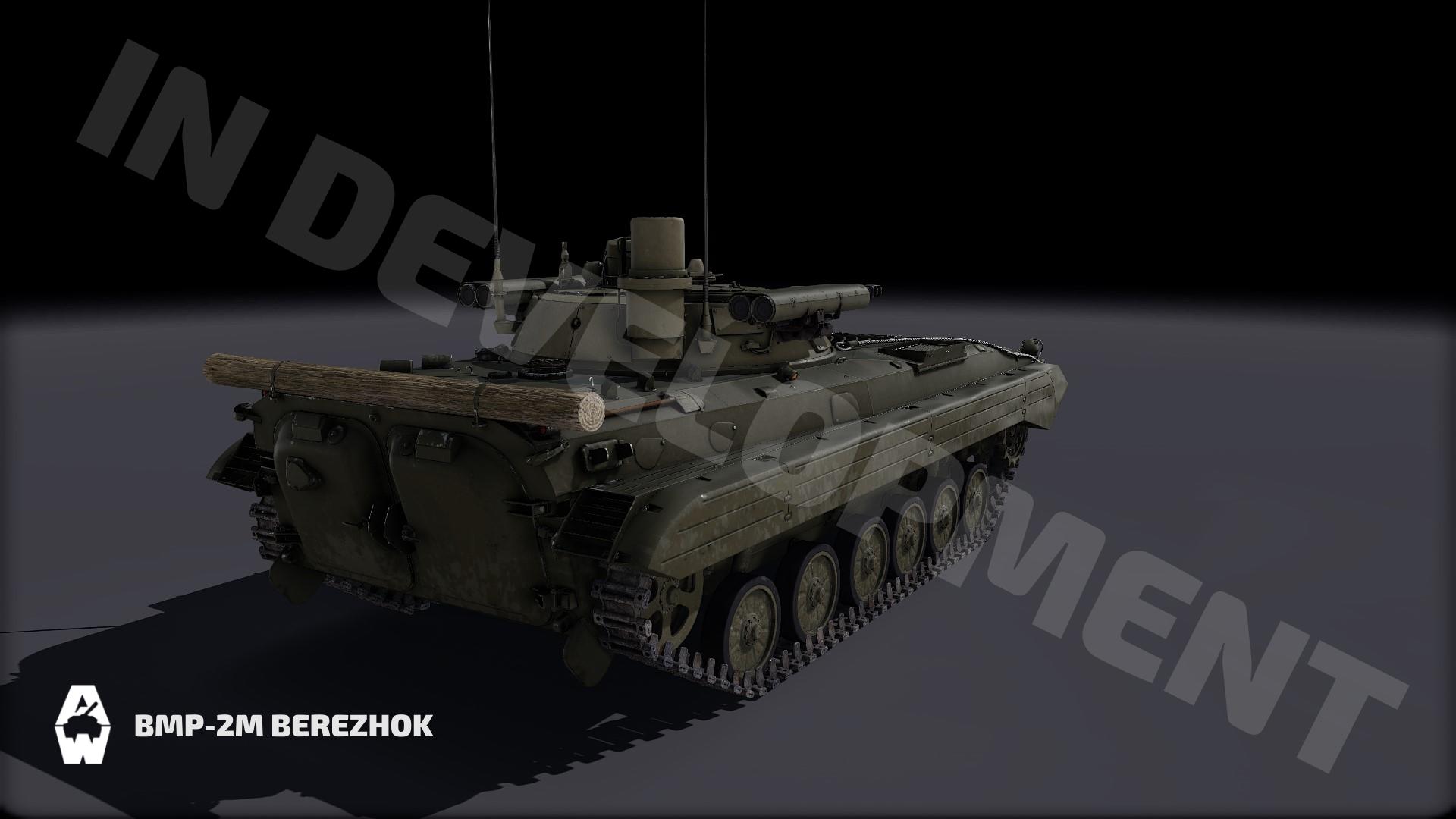
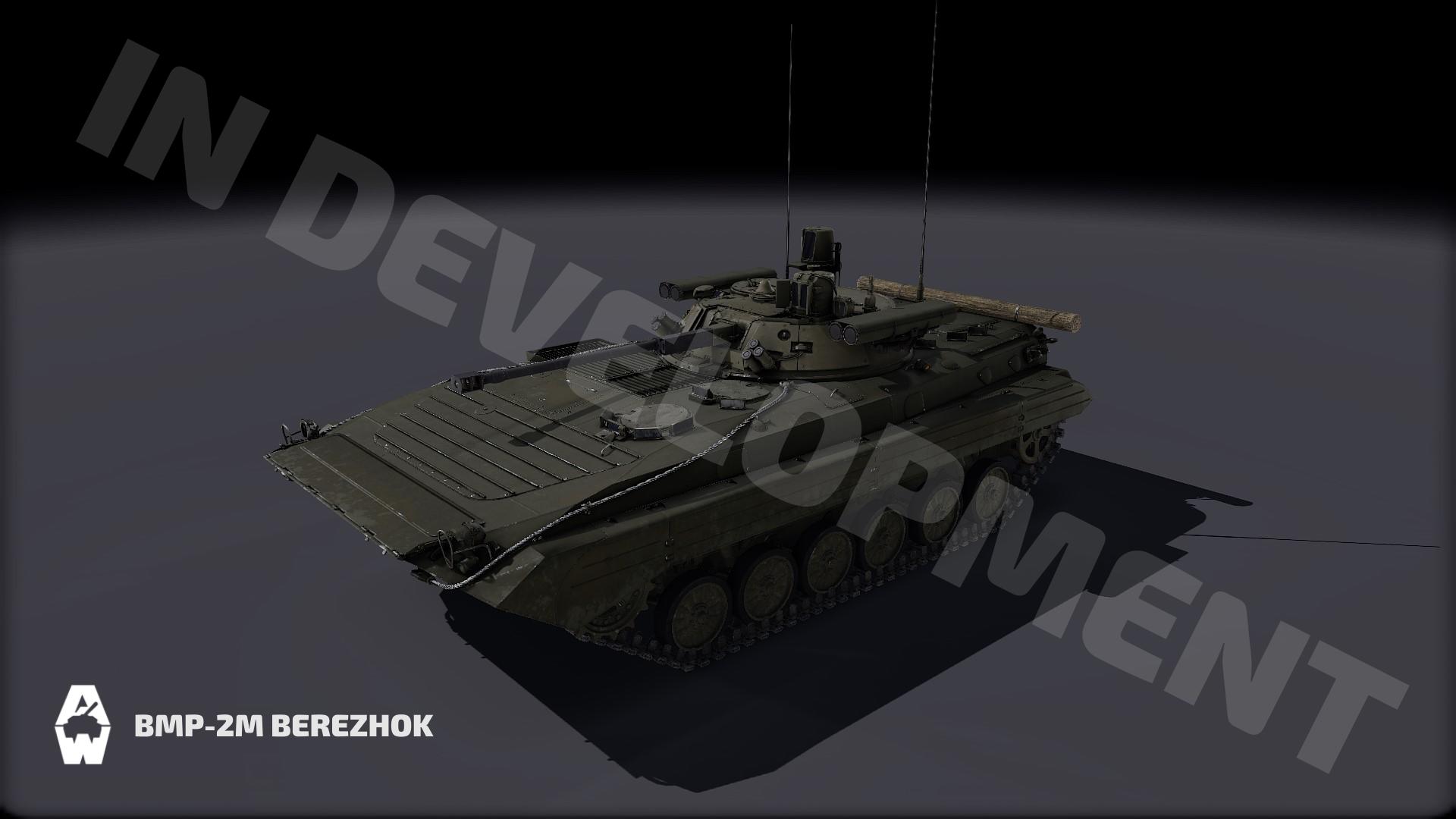
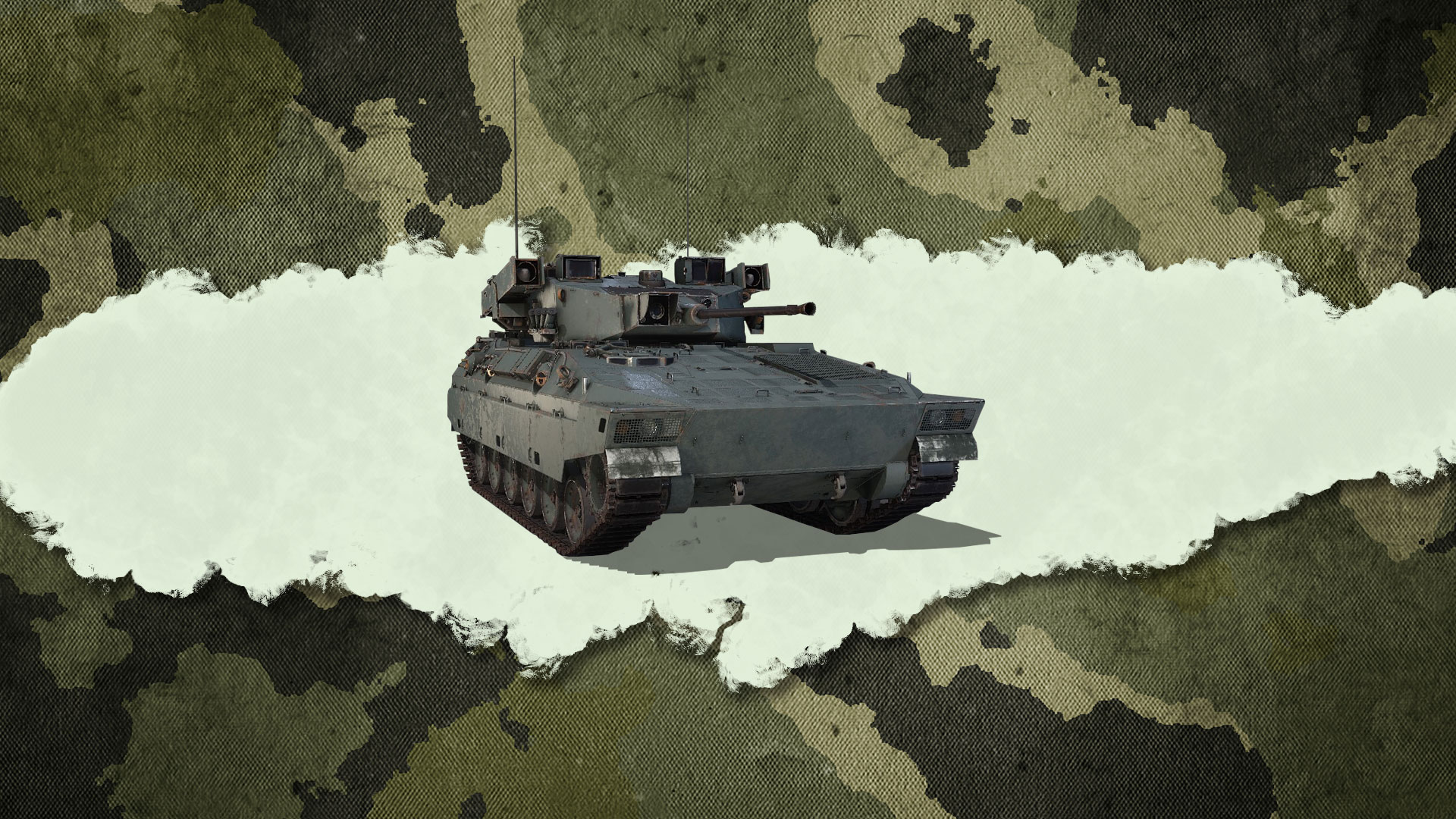
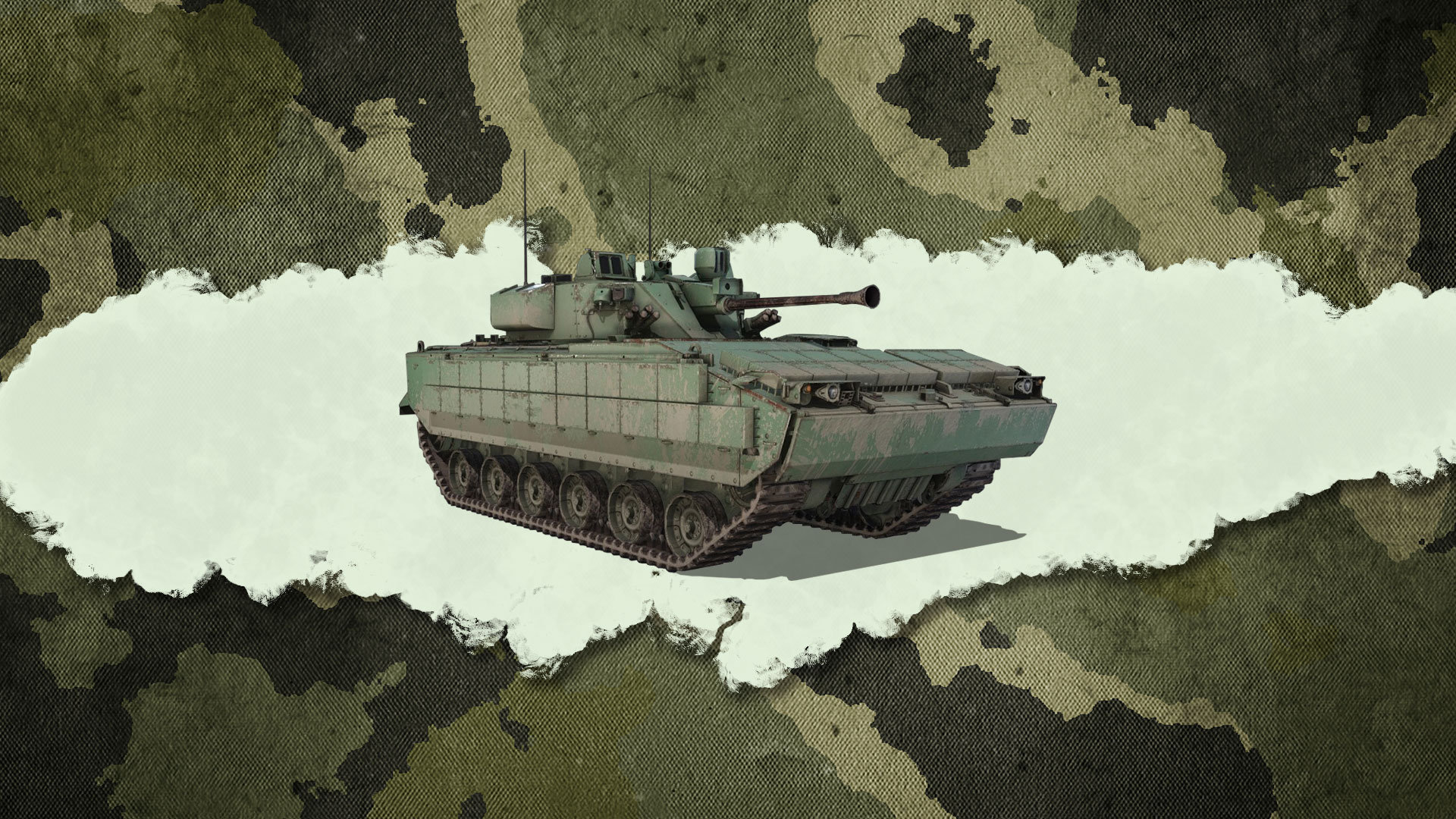
In Development: BMP-2M Berezhok

Commanders!

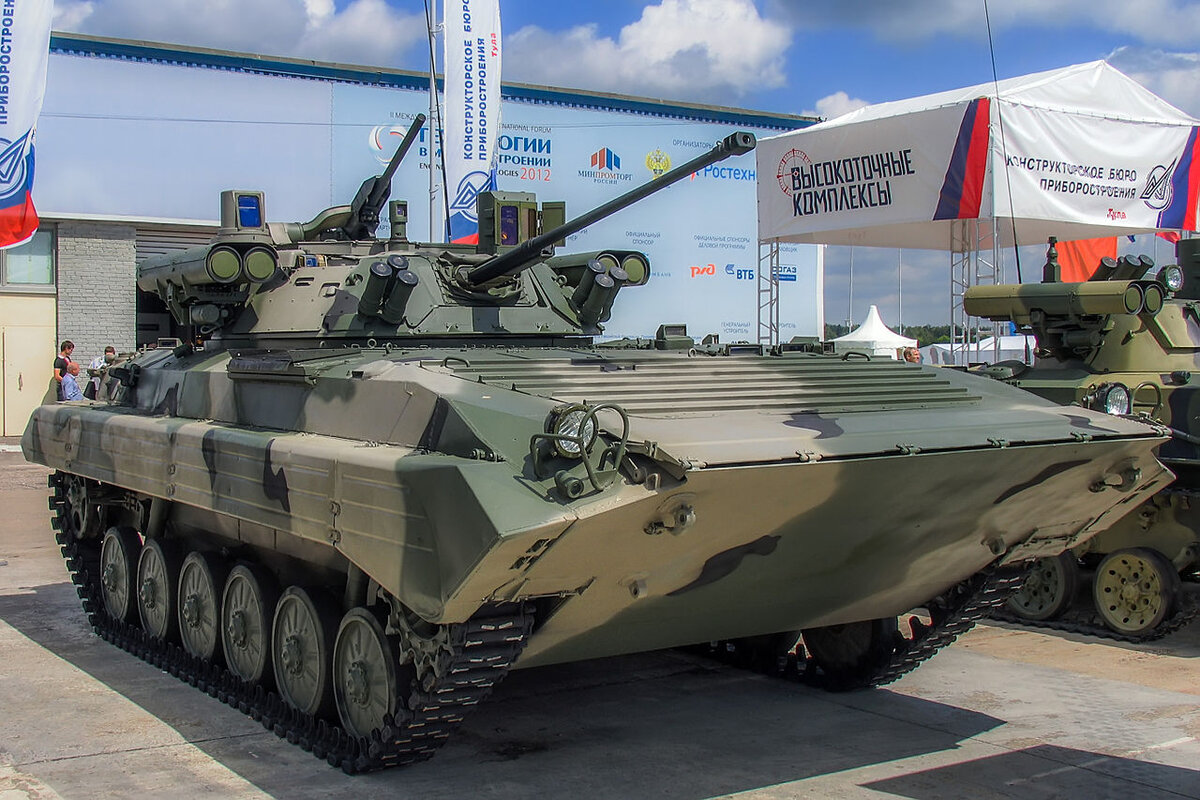
The second prize of the upcoming Tales from the Dark Battle Path will be a Russian Armored Fighting Vehicle called BMP-2M Berezhok.


Now, you might be already familiar with the story of the BMP-2 and if you are not, we recommend reading the following articles as they form the foundation of this one:

In short, the BMP-1/2 platform has been around for a very long time and will likely continue to be a common sight on pretty much every active battlefield due to its ubiquity even though it is by now completely obsolete and offers almost no protection against current threats. The Russians themselves as the inheritors of the Soviet legacy have replaced it with the BMP-3 a long time ago and have even developed upgrades to its successor.

But despite this replacement, hundreds or even thousands of BMP-1/2s remain mothballed across Russia, awaiting their reactivation and restoration. For the BMP-1s, the upgrade is called BMP-1AM Basurmanin (replacing the original BMP-1 turret with the one from BTR-82A). But the BMP-2 upgrade is different. It too consists of a turret replacement but the B05Ya01 Berezhok combat module is very different. Thus upgraded, the vehicle is known as BMP-2M (or B-22).


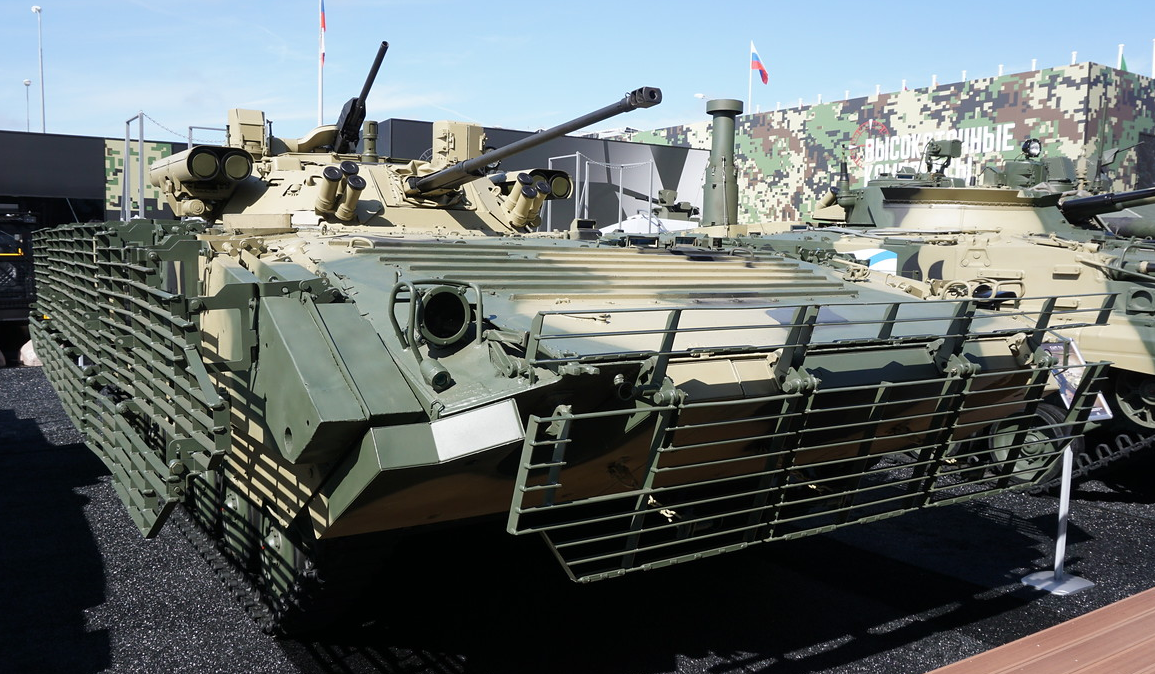
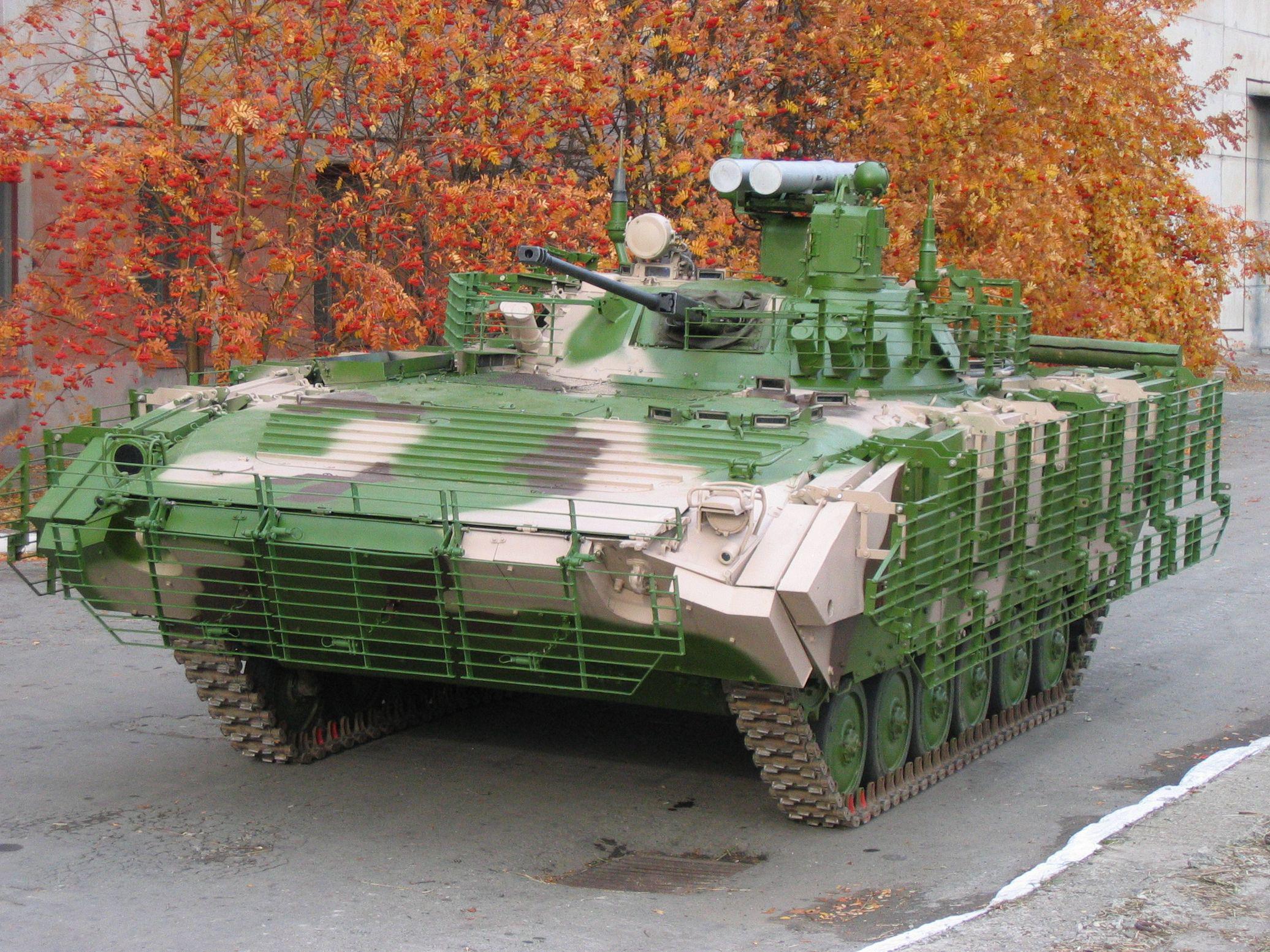
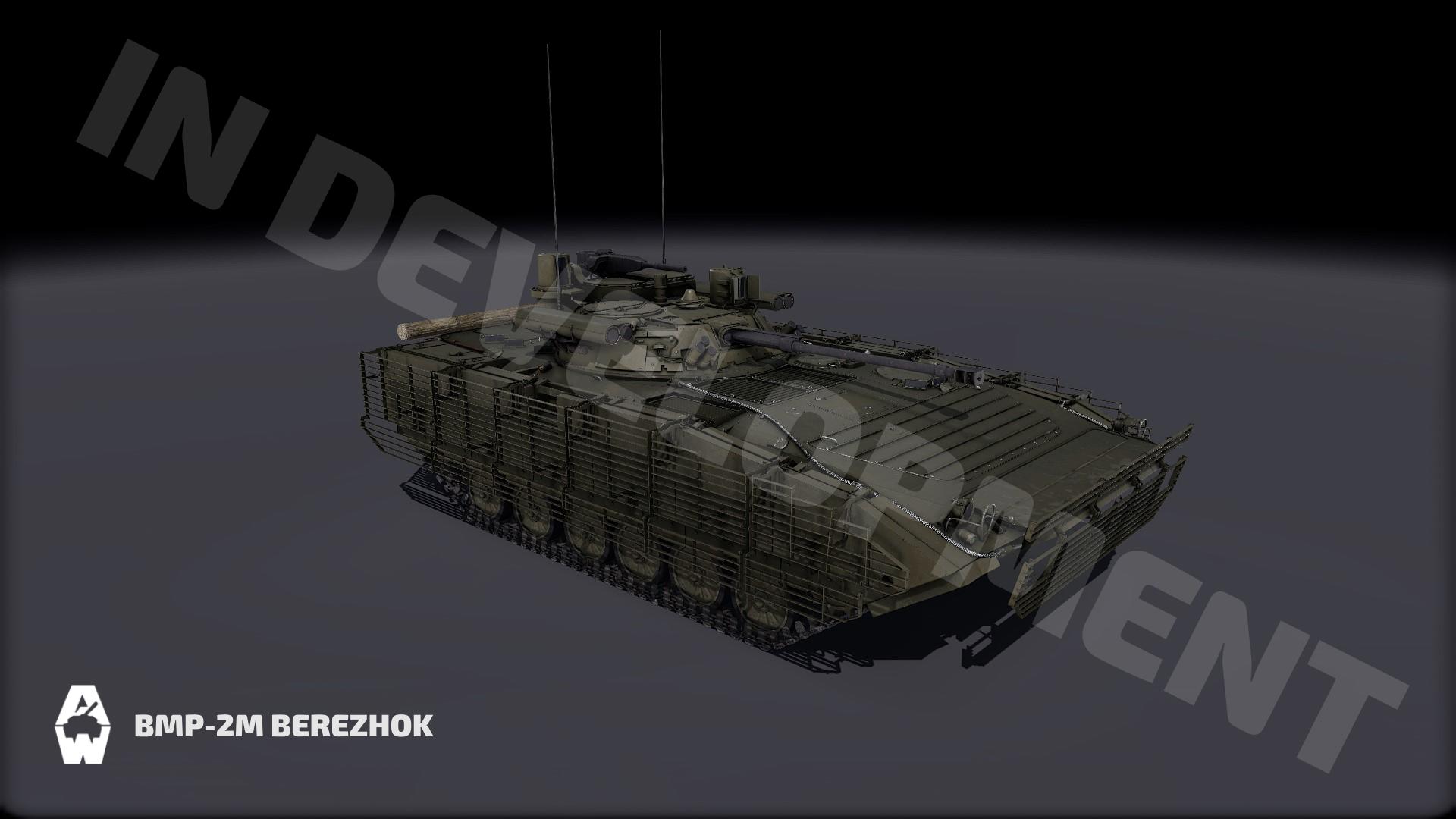
This combat module was developed in Tula and features the classic 30mm 2A42 autocannon combined with two Kornet ATGM twin-tube launchers, 30mm AG-30M grenade launcher and, of course, modern optics (“Redut” fire control system, B09S02 gunner sight with a thermal imager and a commander panoramic sight with laser rangefinder). The vehicle weighs 16 tons or 17 tons with extra armor (675-sb3KDZ) that protects its sides against heavy machinegun fires and RPG-7 rockets.

The first version of the BMP-2M was unveiled in 2005 and immediately caught the attention of Algeria. A contract was signed to modernize 300 BMP-2s this way (it’s unclear how many were truly modernized but the estimates vary between 100 and 200). Russia ordered its own BMP-2Ms in 2020 in order to replace the losses of lighter BMD class vehicles in the Ukraine conflict.


The BMP-2M is currently in use by the Russian military (notably the VDV) and is still in production. Overall, it seems that around 200-300 were built in total (including the Algerian contract) so it is nowhere near as common as the BTR-82A. To makes things even more complicated, there are two other BMP-2Ms developed by Kurganmashzavod – these are called BMP-2M (sb4-2) and BMP-2M (sb4-3) and are intended for export only. They are offered with additional set of cage armor that has since made its way to the Russian BMP-2M configuration.


In Armored Warfare, the BMP-2M will be a Tier 9 Premium Armored Fighting Vehicle.

In its most basic configuration, the vehicle is pretty much what you might expect – a fragile platform with a lot of firepower consisting of a single 30mm autocannon and two double Kornet launchers similar to those on the T-15.


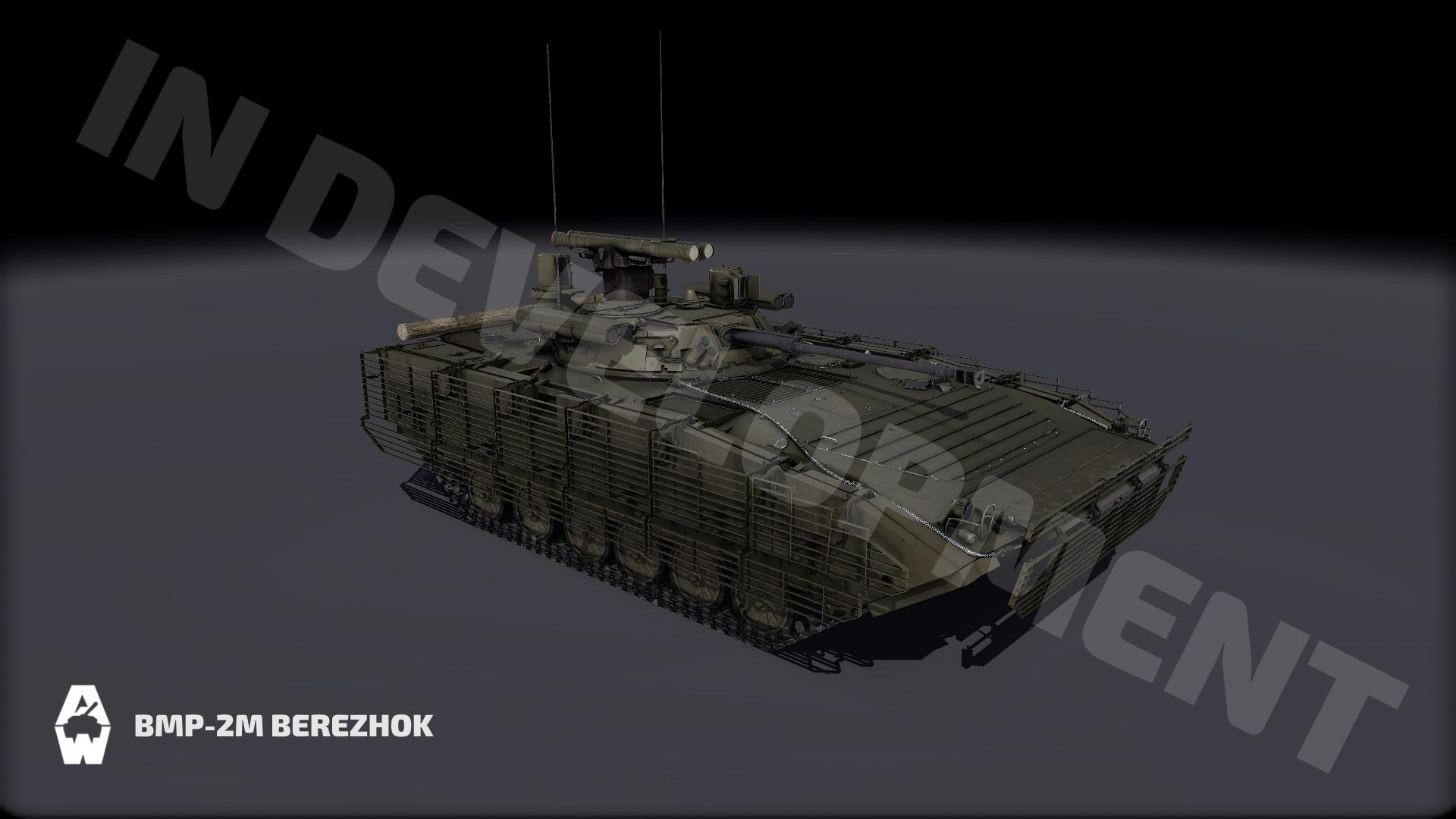
There will be an additional armor upgrade that will noticeably increase its protection but the vehicle will still be quite fragile. In this sense, it’ll be a counterpart to the BTR-82A, just one Tier higher and with more focus on burst damage than sustained DPM. The mobility will of course be solid, but the highlight will of course be the amount of damage this vehicle will deal in battle. And it will be a lot thanks to its two potential (upgrade) configurations.


Once you unlock them using the Workshop mechanism, you’ll be able to choose between two weapon configurations in addition to the basic autocannon and ATGM combo:
  • Grenade launcher configuration
  • ATGM configuration

The grenade launcher configuration will add a third weapon (fourth, if you count the coaxial machinegun) to your arsenal – 30mm AG-30M grenade launcher. At first sight it sounds like something very weak but it’s anything but.


For one, the grenades use a very narrow arc of flight, which means they will be arriving from above. You still need to keep the enemy in your line of sight to use them but they will devastate anything with a thin roof that’s trying to hide behind a hill with only a tiny bit of the turret peeking out.

Additionally, this grenade launcher will be fitted with a silencer (yes, that’s a thing that was recently developed) so you don’t lose any camouflage firing it. On the downside, these grenades fly fairly slowly so hitting a moving target with them will not be easy. Two shell types will likely be available (HE and HEAT) with enough performance to ruin the day of anything that’s not a Main Battle Tank (and even then they’ll be useful, you just need to aim better).

The ATGM configuration will, on the other hand, replace the grenade launcher with an additional twin-tube Ataka ATGM launcher (that was also an experimental thing). And you know what that means – thermobaric warhead ATGMs and all the fun that comes with them.


With so many weapons at its disposal, the BMP-2M will be all about weapon management to make sure you squeeze every last drop of damage from the platform. It’ll take some getting used to but we’re sure experienced players will master it in no time.

We hope that you’ll enjoy this vehicle and, as always:

See you on the battlefield!

Gift: Victory at Last

Commanders!

At last we have solved the majority of the issues with website transfer, Steam, Daily Bonus, payments and vice versa (but in case you have further issues to report, don’t hesitate to open a new support ticket). To thank you for your patience, we have prepared a gift for you.


The gift contains the following items:
  • 7 days of Premium Time
  • 3 Platinum Battlefield Glory boost tokens
  • 3 Platinum Loot Crates
  • 300 Gold
The gift can be obtained via our Web Shop.


Once again, thank you for sticking with us through thick and thin and, as always:

See you on the battlefield!

Offer: Asian Week

Commanders!

Today we’ve prepared the following items for you:
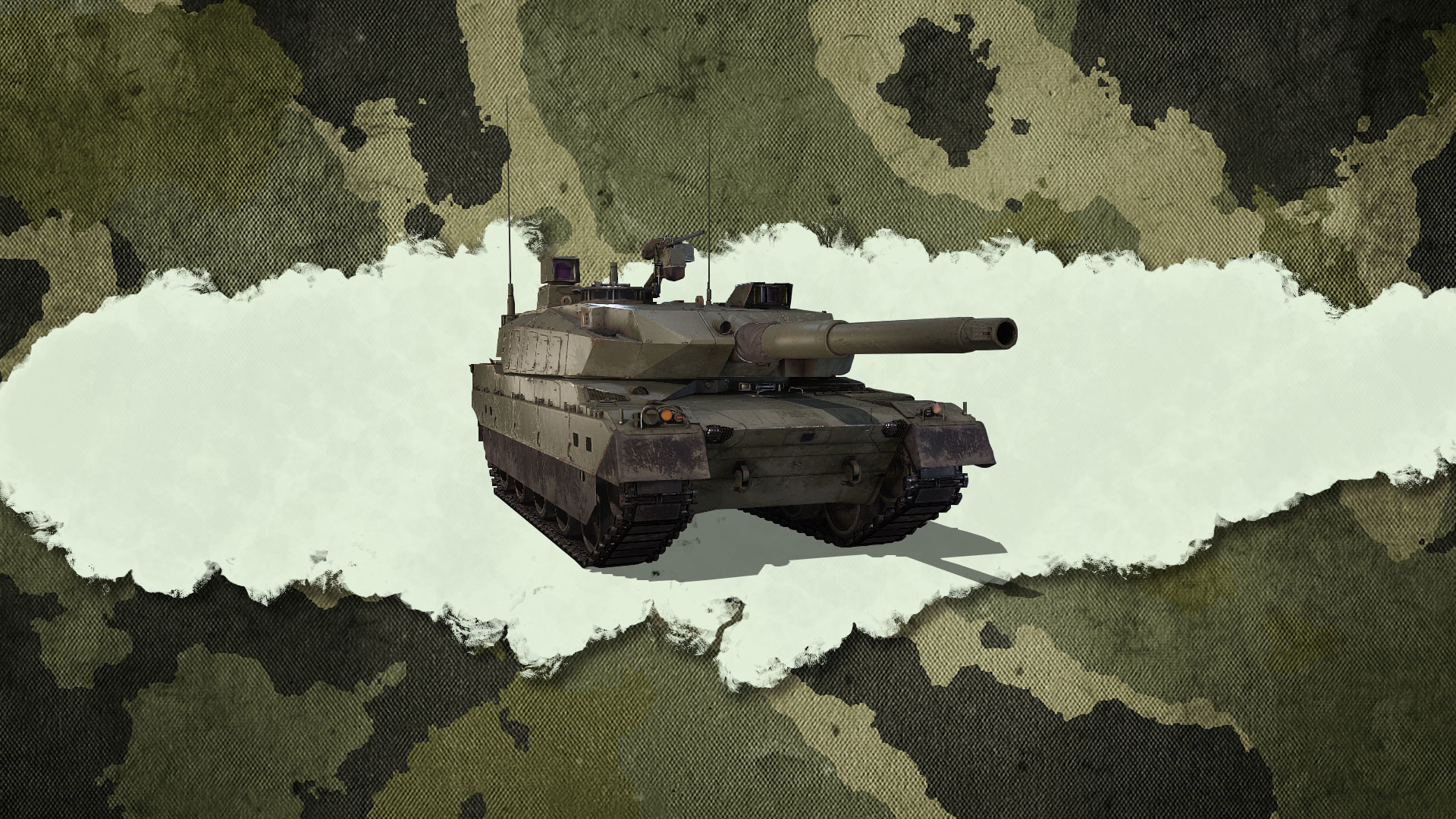
  • Type 10 Tier 10 Premium Main Battle Tank
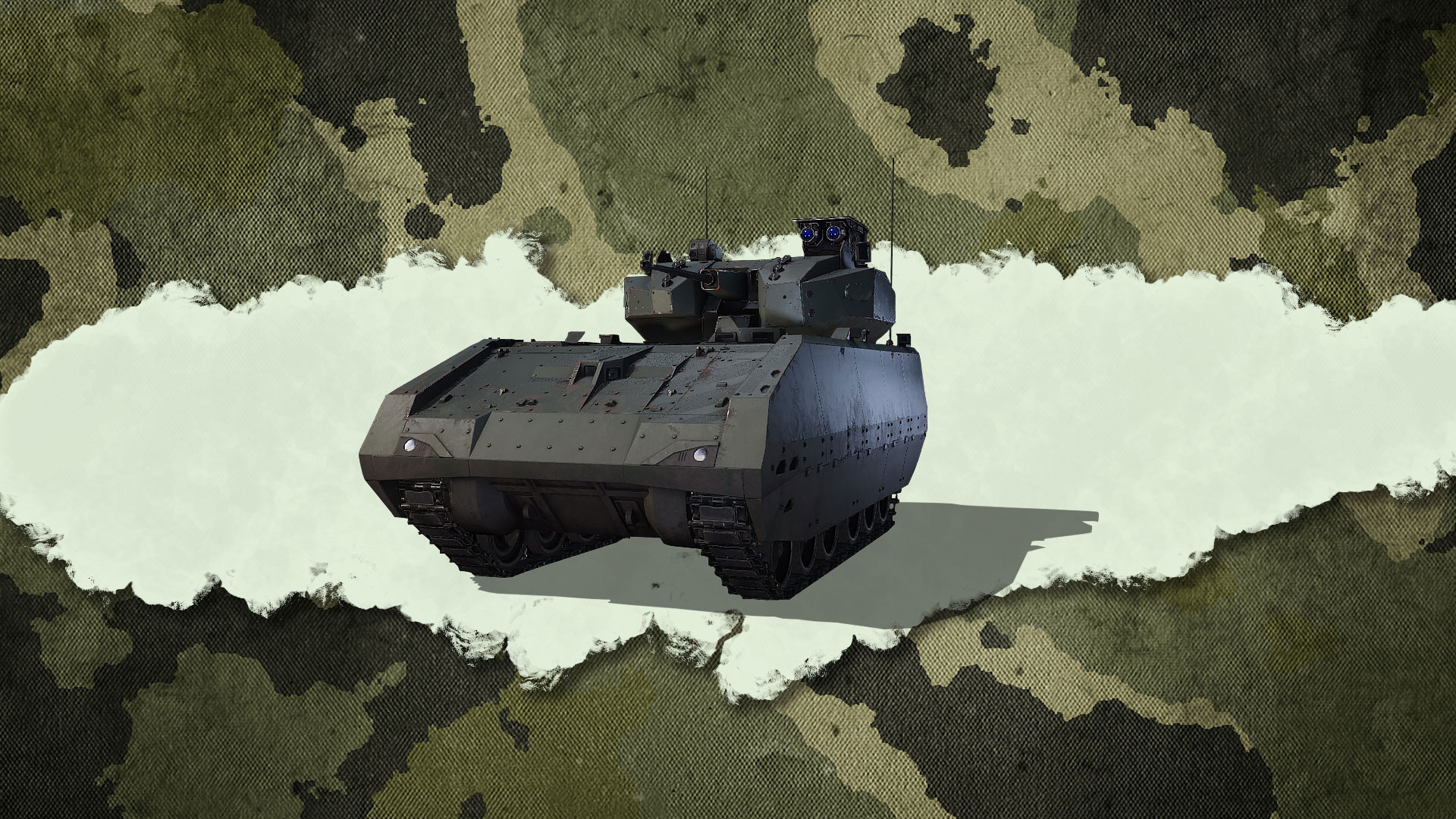
  • Hunter Tier 9 Premium Armored Fighting Vehicle
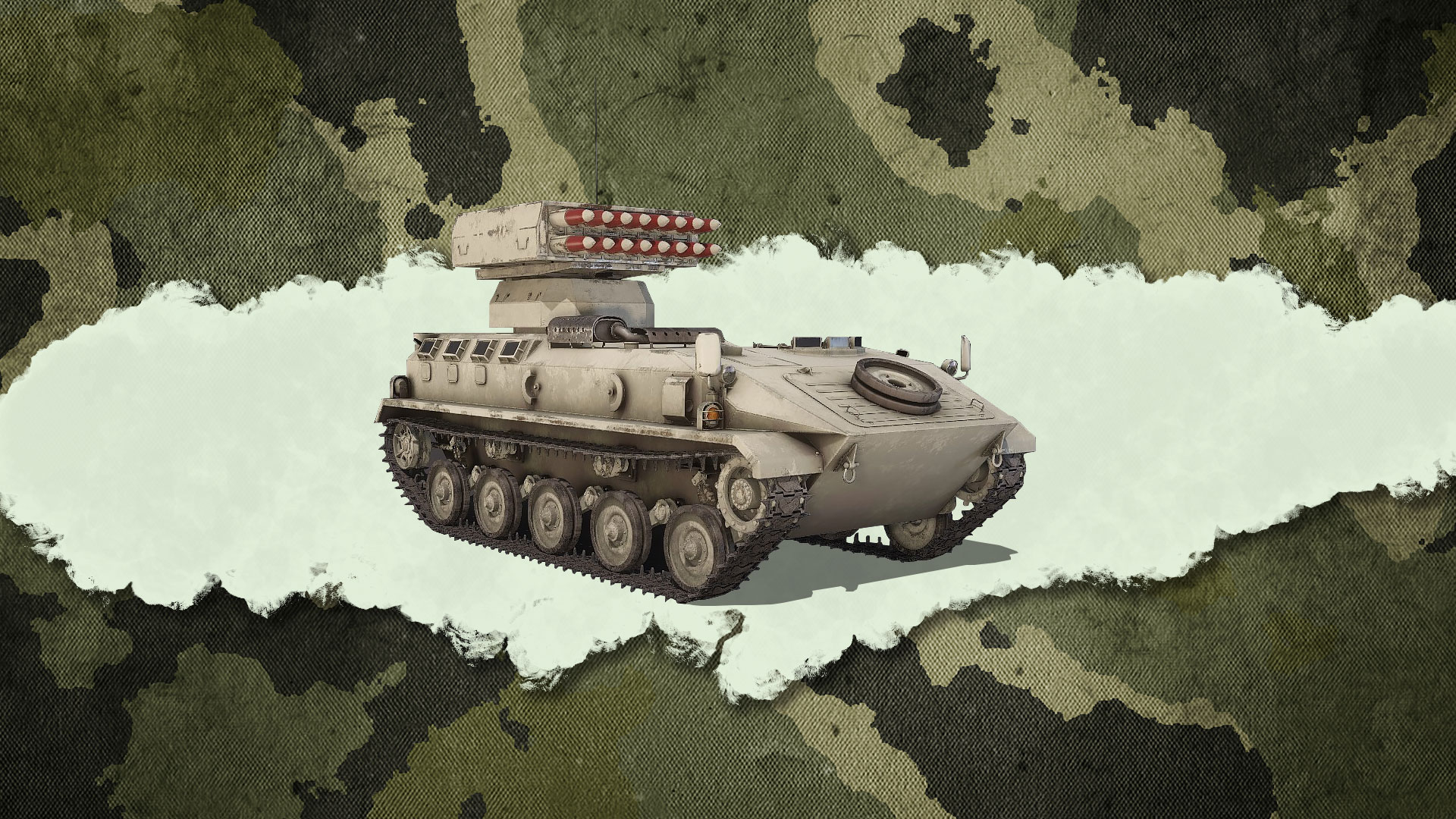
  • Pindad SBS Tier 8 Premium Armored Fighting Vehicle
  • Type 89 Tier 7 Premium Armored Fighting Vehicle
  • K21 Tier 8 Premium Armored Fighting Vehicle
  • Europe's Edge Loot Crate
Between May 23 and May 30, 2024, the following items will be available:

 
[h2]Type 10[/h2]
 

The Type 10 MBT is the most modern Japanese Main Battle Tank in service and one of the most advanced war machines in the world. Using sophisticated electronics and crystalline steel armor, this tank is more than a match for any enemy that would threaten the islands of Japan. You can learn more about it in our dedicated article.


In Armored Warfare, the Type 10 is a Tier 10 Premium Main Battle Tank. What puts it apart from the other MBTs of its Tier is its special NERA armor. This highly-mobile MBT starts every battle well-armored, but the protection levels decrease with every shot taken. Additionally, this MBT features a special system that tells you the exact chance to penetrate your target. Overall, it’s one of the most powerful MBTs of its Tier and certainly a good choice for players, who prefer rapid action to slow advances.

The Type 10 Tier 10 Premium MBT is available in our Web Shop via Loot Crates. Collect 100 blueprint pieces from these crates to obtain the vehicle.


[h2]Hunter AFV[/h2]
 

Another alternative name for this vehicle is NGAFV (or Next Gen AFV), since it belongs to a whole program to replace the obsolete M113 APC in Singaporean service and to operate alongside its predecessor, another indigenous Singaporean IFV called Bionix. Hunter is the name of the production model of this program. The Hunter AFV is the pinnacle of bleeding edge of technology. In this sense, it can be compared to the AS21 Redback and both vehicles share several characteristics, not the least of which being relatively large size. This bulky IFV offers considerable levels of protection and firepower. It is expected to serve in the Singaporean army in large numbers in the near future with its mass-production having recently begun. You can read more about its history in our dedicated article.


In Armored Warfare, the Hunter AFV is a Tier 9 Premium Armored Fighting Vehicle. As its description above suggests, it is a rather standard-sized IFV with good levels of protection and excellent firepower (consisting of a 30mm autocannon and a Spike ATGM launcher). It also features a recently introduced type of armor, NERA. Simply put, NERA is an ablative armor kit that deteriorates whenever it gets hit. In other words, the vehicle starts with excellent protection levels but it will lose some with damage taken as the battle progresses. Apart from that, the vehicle is adequately mobile and quite universal. It can, of course, also deploy Mechanized Infantry.

This bundle is available in our Web Shop.


[h2]Pindad SBS[/h2]
 

The SBS platform is one of the first domestic armored vehicles developed by Pindad (the largest Indonesian armor producer) for Indonesia and is officially listed as a “light tank”. It was developed sometimes in the early 2010s with some prototypes in different configuration appearing in public in 2014 or so. The variant in the game is a long-range MLRS fire support vehicle with a 122mm multi-barreled rocket launcher. You can learn more about it in our dedicated article.


In Armored Warfare, the Pindad SBS is a Tier 8 Premium Armored Fighting Vehicle. This AFV is fairly unique, since its main weapon is a multi-barreled rocket launcher capable of firing over obstacles. This makes the Pindad incredibly powerful in both offense and defense. Static enemy targets stand no chance! This vehicle is best used with Commander Ophelia Kitescu and in a platoon – the firepower of such a formation is truly without equal.

This bundle is available in our Web Shop.


[h2]Type 89[/h2]
 

The Type 89 Infantry Fighting Vehicle is the current Japanese service IFV. It was built in very small numbers between 1989 and 2004. The low-production meant that, with the development costs sunk into it, each unit was incredibly expensive. In fact, to date, the Type 89 is the most expensive IFV in the world. Otherwise it’s generally unremarkable – last generation steel armor, a 35mm autocannon and massive guided missiles (that were also meant for landing ship destruction instead of just anti-tank combat) are generally being all phased out by now. The Type 89 is, however, still waiting for its replacement. You can read more about it in our dedicated article.


In Armored Warfare, the Type 89 is a Tier 7 Premium Armored Fighting Vehicle that is capable of not only deploying Mechanized Infantry, but also to destroy its targets at long distances using its powerful guided missiles. It is also fast and maneuverable, but does not feature thick armor.

This bundle is available in our Web Shop.


[h2]K21[/h2]
 

The K21 is a modern Infantry Fighting Vehicle, designed to replace the K200 series in the Korean Army. It features good protection and a hi-tech weapon system with the "hunter-killer" capability. You can read more about it in our dedicated article.


In Armored Warfare, the K21 is a Tier 8 Premium Armored Fighting Vehicle. In the game, it is an IFV with solid protection and firepower, but also excellent mobility. It carries Mechanized Infantry.

This bundle is available in our Web Shop.


[h2]Europe's Edge Loot Crate[/h2]
 

The Europe's Edge Loot Crate is now available. This Loot Crate contains Europe's Edge Battle Coins and Boosters.

[previewyoutube][/previewyoutube]
 
  • Battle Coins are the primary currency of the Europe's Edge Battle Path campaign and are used to progress through it and to obtain its prizes.
  • Battle Coin Boosters are usable only during an active Battle Path and increase your Battle Coin income by 900 percent for two hours.

Please note that you have to obtain the access to a Battle Path to use both items.

This bundle is available in our Web Shop.


We hope that you will enjoy the offer and, as always:

See you on the battlefield!

In Development: BTR-82A

Commanders!

Yes, it’s that time already. Today we’d like to tell you more about the first prize of the upcoming Tales from the Dark Battle Path. The first machine obtainable will be the BTR-82A Armored Fighting Vehicle.
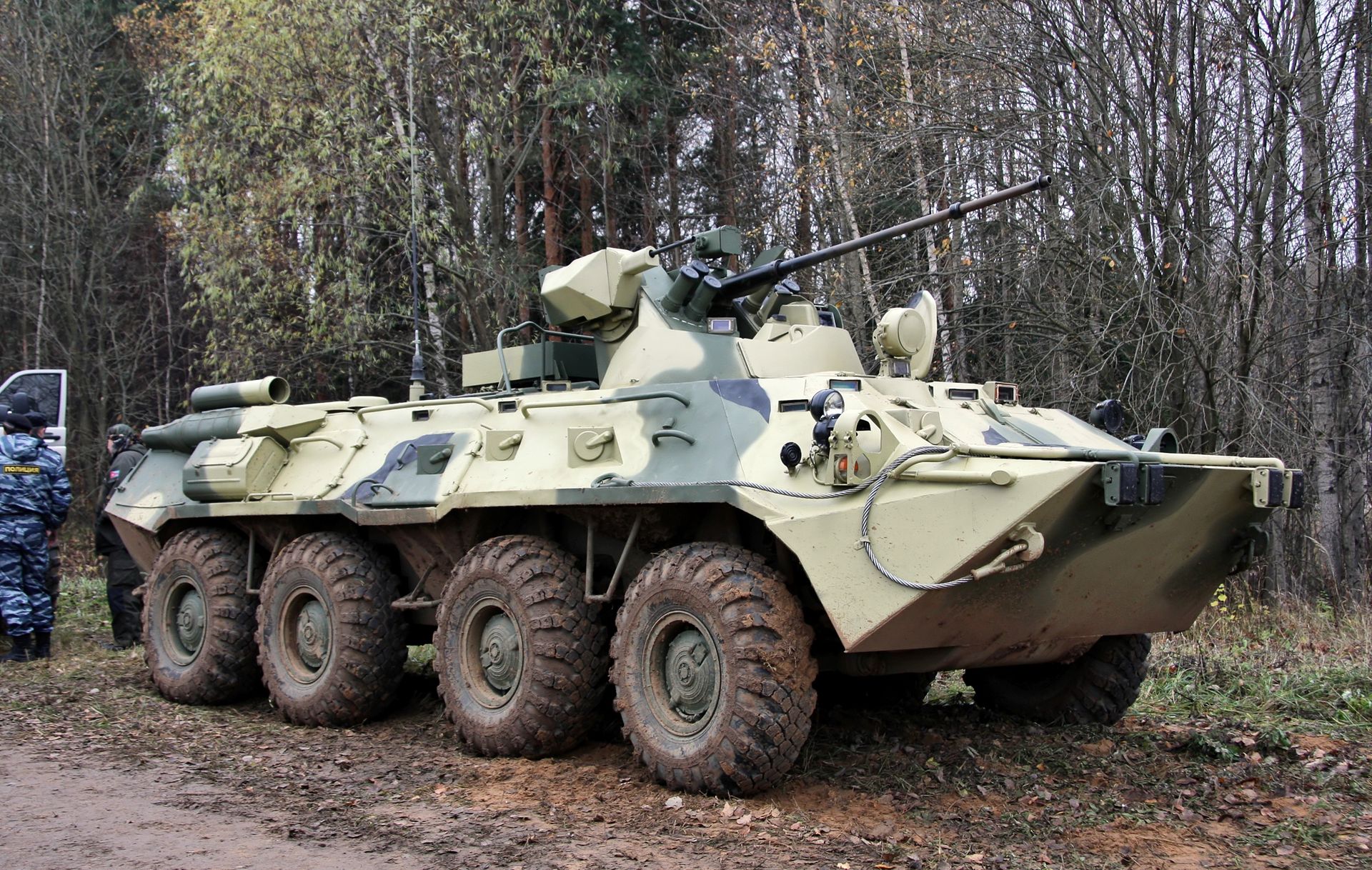


The BTR-82A is a modified version of the BTR-80, which itself is an evolution of BTR-70 so it makes sense to start in the past. In fact, let’s go all the way back to the 1950s. Back then, the Soviet Army was equipped with an armored six-wheeled variant of the ZIS-151 truck called BTR-152. BTR stands simply for “bronetransporter”, commonly translated as “armored personnel carrier” or simply “APC.” It had a lot of weaknesses, the chief amongst them being the inability to keep up with tanks and other tracked vehicles in difficult terrain, especially when crossing trenches and other obstacles. Despite this, it was a successful vehicle produced between 1950 well into the 1960s that was widely exported and license-built in China.
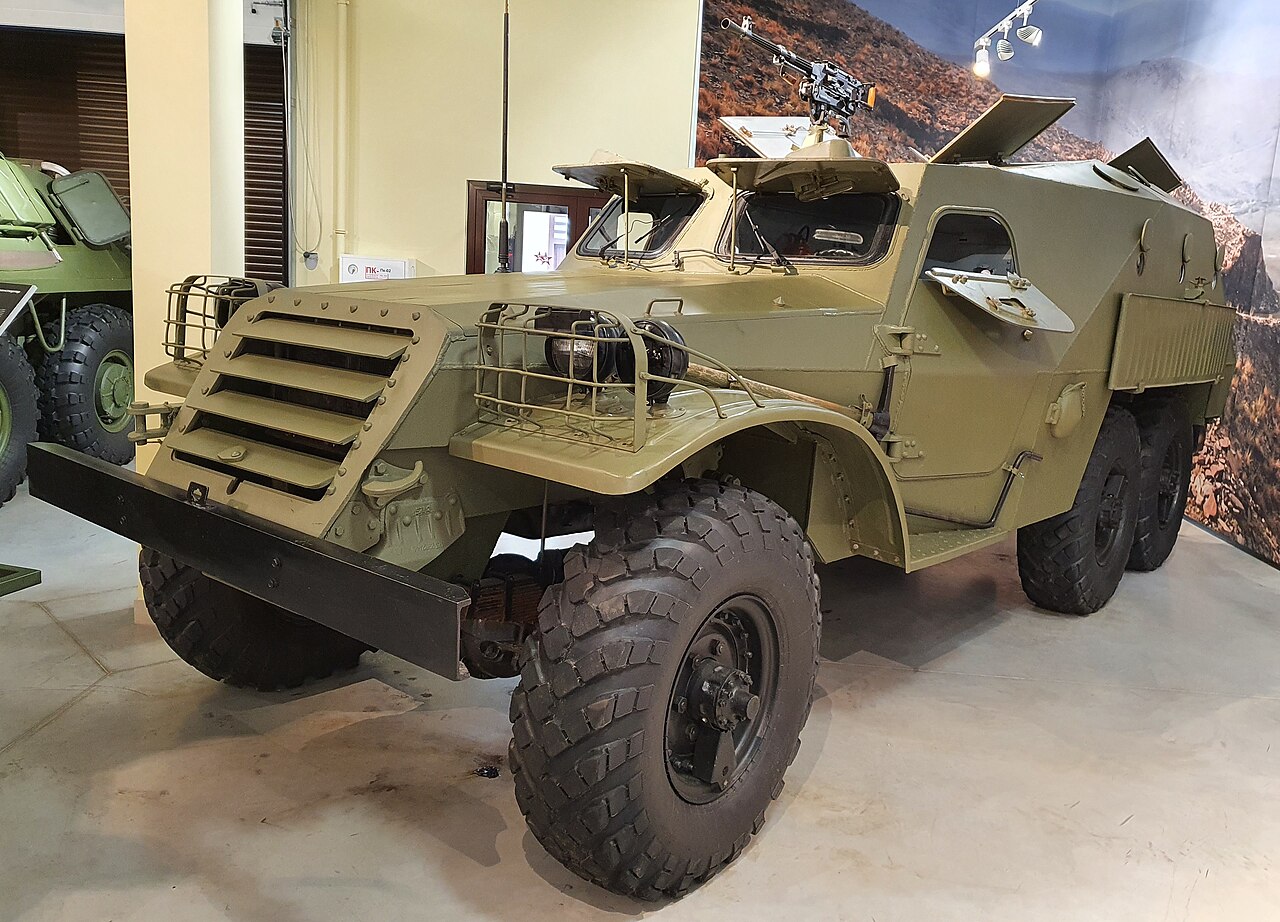


But the Soviet Army demanded more – a troop carrier of excellent off-road capabilities and none of the issues the BTR-152 had. And that’s how the BTR-60 was born. The BTR-60 model had sloped frontal armor for improved protection and excellent mobility thanks to its eight wheels. It wasn’t exactly well-protected on the sides (anti-bullet armor, steel only) but that wasn’t really a requirement. The important part was the fact it could finally keep up with armored formations and could, like the BMP-1, swim. It entered Soviet service in 1960 under the name BTR-60P (P stands for “plavayushiy” – “amphibious”) and would be produced in several modifications (the most successful being the BTR-60PB) for another nearly three decades until 1987 with over 10.000 built (but western sources claim as many as 25.000).
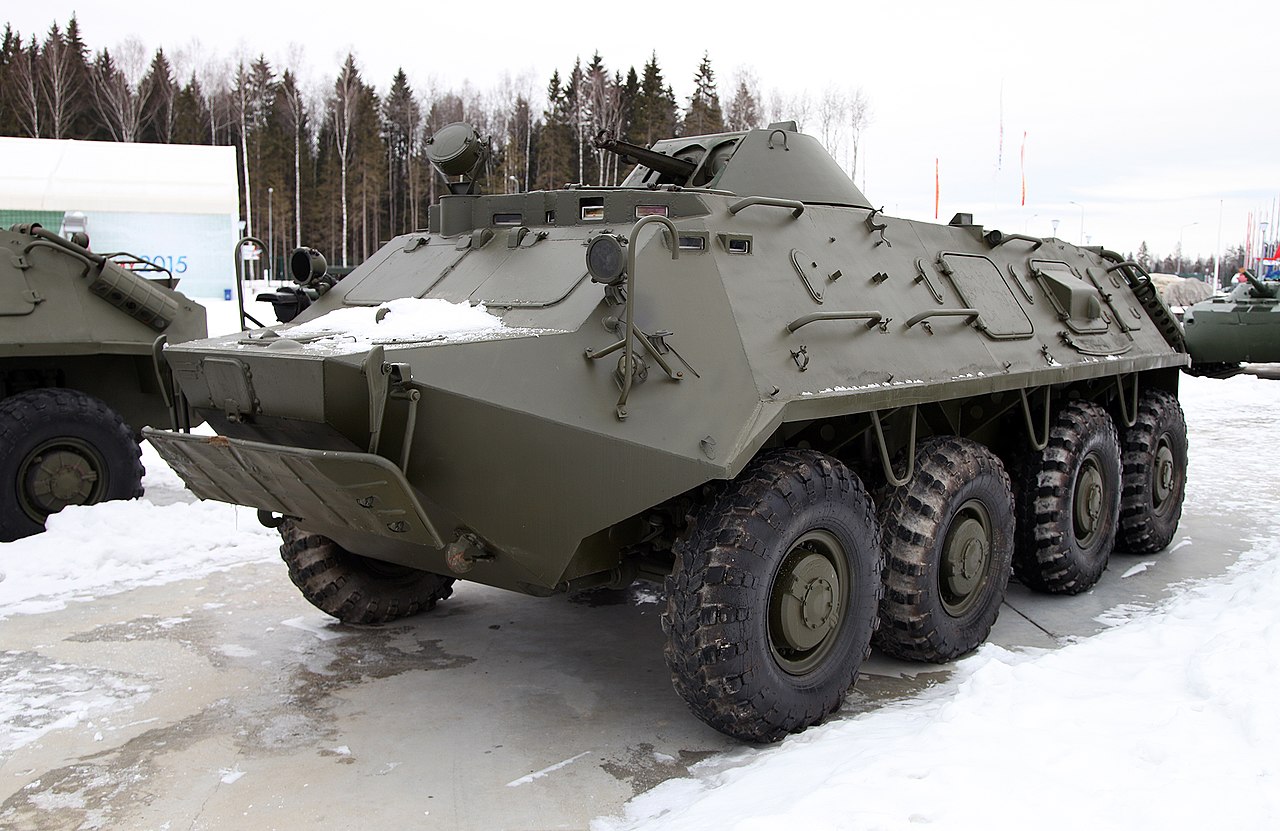


An upgrade of the BTR-60PB called BTR-70 was developed in 1969 with some differences that aren’t really all that obvious to an untrained eye – mostly a longer hull and more powerful engines (the BTR-60PB had two 90hp engines and the BTR-70 had two 120hp engines). It was accepted in service in 1971 and produced from 1976 well into the 1980s with, once again, several thousand vehicles built and exported.
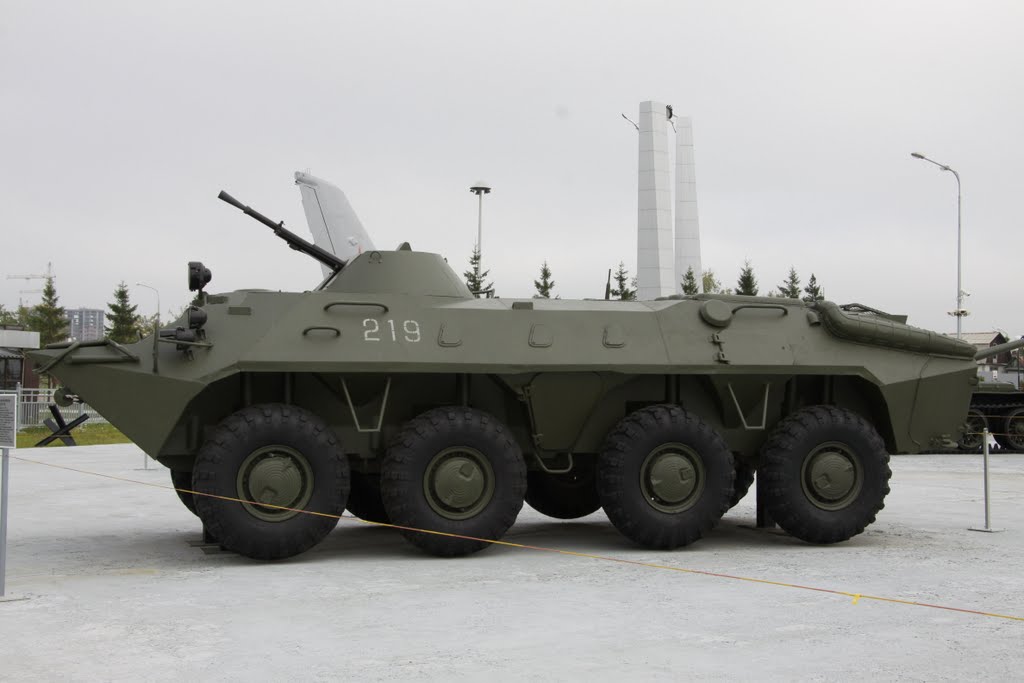


Enter the 1980s and the Afghan War. The wartime experience gave birth to another upgrade in the lines of eight-wheeled BTRs, called BTR-80. The BTR-70 suffered from a number of issues, including reliability problems of its two carbureted engines, poor protection and the general layout of the design. The BTR-80 solved some of these with the engines being replaced by a single 260hp diesel. The exit door was also redesigned and was located on the side of the vehicle.

To accommodate that as well as other changes, the BTR-80 was longer, wider and heavier than its predecessor, but not by a lot (the weight increased by 2 tons to 13.5 tons). The drawback was that the protection was increased only slightly and still consisted of welded steel plates that could only stop small arms (the sloped front was 10mm thick, the sides were 7mm to 9mm thick).
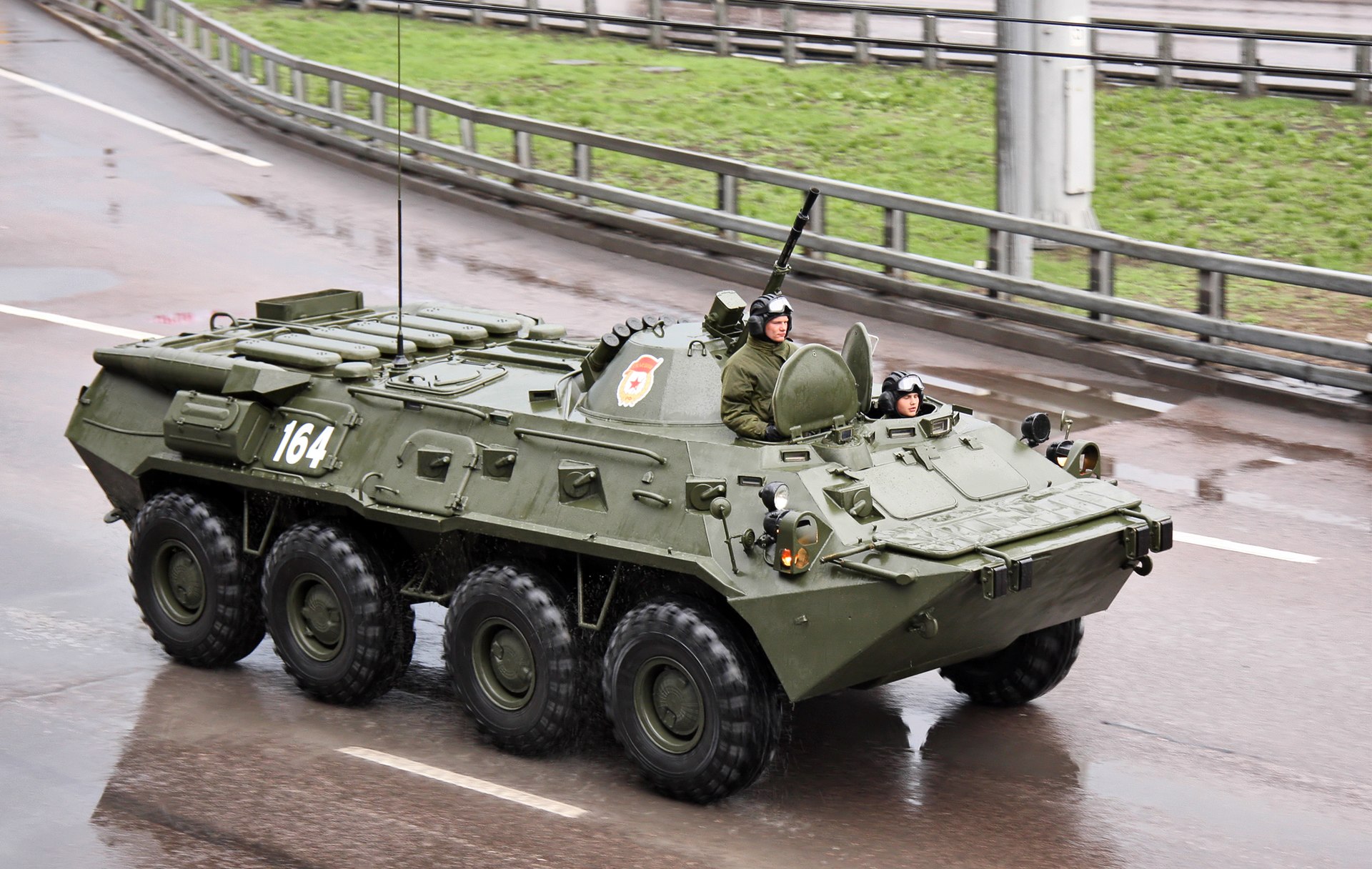


Despite the weight increase and the engine change, the mobility remained roughly the same (the operational range actually increased). The vehicle was still pretty fast and could reach the speed of 80 km/h (40 km/h off-road). It could also swim (the maximum swimming speed was 9 km/h). The armament consisted of a machinegun in a small turret (like its predecessors) and that was about it.

This APC entered service in 1986 and remained in production well beyond the fall of the Soviet Union with roughly 4000 built. Former Soviet republics inherited their share of the BTR-80 and the vehicle was also exported to several dozen countries. Numerous upgrades were also developed and produced, including the BTR-80A APC from 1994 that was armed with 30mm autocannon in a new turret, significantly increasing its firepower. Even today, the BTR-80 remains quite a common sight despite the concept being somewhat obsolete.


The obsolescence stems from the fact that the world has simply moved on from large masses of cheaper APC vehicles to more expensive but less numerous infantry fighting vehicles – at least in frontline service. The reasons are simple – few countries have manpower to spare and as modern weapons require more and more specialized and better trained troops, the life of each individual soldier has become a precious commodity.

The BTR-80 production stopped in 2011 and especially Russia was left with hundreds (if not thousands) of these in its stocks as well as the tooling to produce even more. Additionally, there was the experience from the 1990s and 2000s wars to consider (mostly Chechnya).

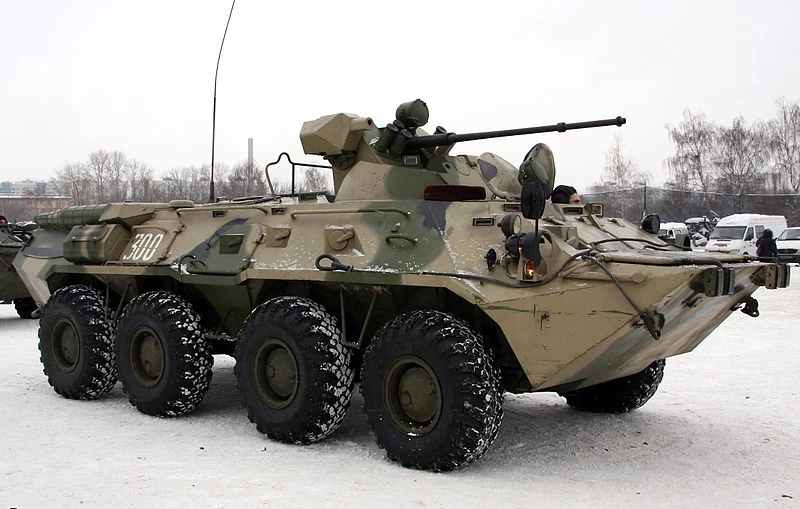
To use all that potential and mould it into something new, a large upgrade of both the BTR-80 and BTR-80A variants was developed by AMZ (Arzamas Machine-Building Plant) between 2009 and 2011 with the first prototypes being ready in 2009 and tested extensively in 2010. These upgrades proved to be so comprehensive that each vehicle received a new designation:
  • The BTR-80 upgrade (machinegun version) received the designation BTR-82
  • The BTR-80A upgrade (version with 30mm autocannon) received the designation BTR-82A

The main goals of the upgrade were stated to be a general upgrade of most characteristics as well as reliability and, upon its reveal, it was stated that the upgraded vehicles had 2 times higher combat value than their earlier BTR-80 counterparts while retaining the crew of 2 men and the ability to carry 8 more in the back.
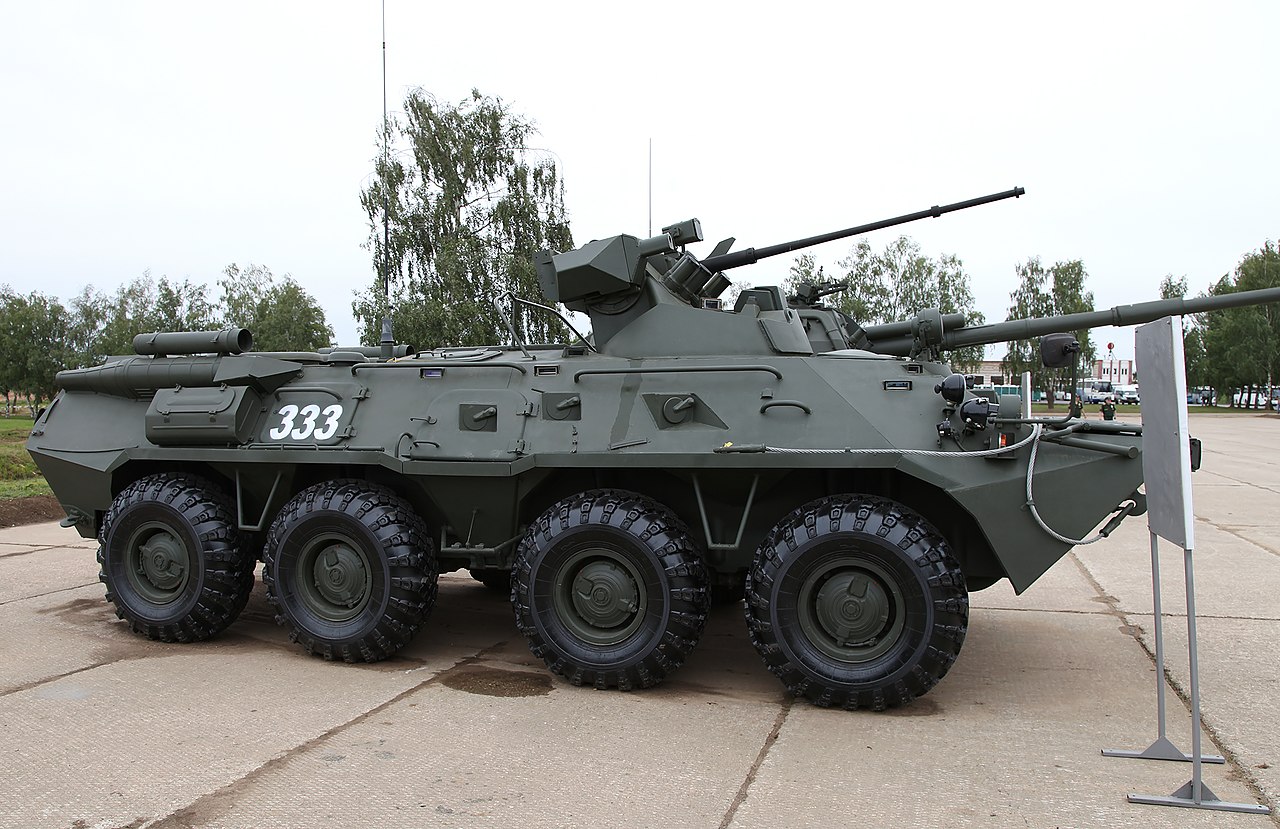


The biggest upgrade was the firepower. The BTR-82A was equipped with a new unmanned turret with a stabilized gun mount housing the 30mm 2A72 autocannon along with a coaxial 7.62mm PKT machinegun. The turret was designed so that it could carry other types of armament as well (like foreign alternatives to the main armament for export). During the development, the 14.5mm KPVT machinegun variant was dropped entirely.

The gunner had a new stabilized TKN-4GA sight at his disposal. It wasn’t all roses and sunshine as the initial accuracy when firing on the move was quite low (due to the inherent instability of the wheeled platform compared to a tracked one). These issues were, however, solved to the point where the BTR-82A was about as accurate on the move as a BMP-2.

While the armor remained fairly thin (basically anti-bullet only), the crew protection was increased by including a new aramid spall liner. The bottom was also redesigned and included spaced plates in order to increase the protection from mines. The vehicle retained the side hatches, making it faster for the troops to disembark and to use whichever hatch was more convenient (or at least that was the theory).
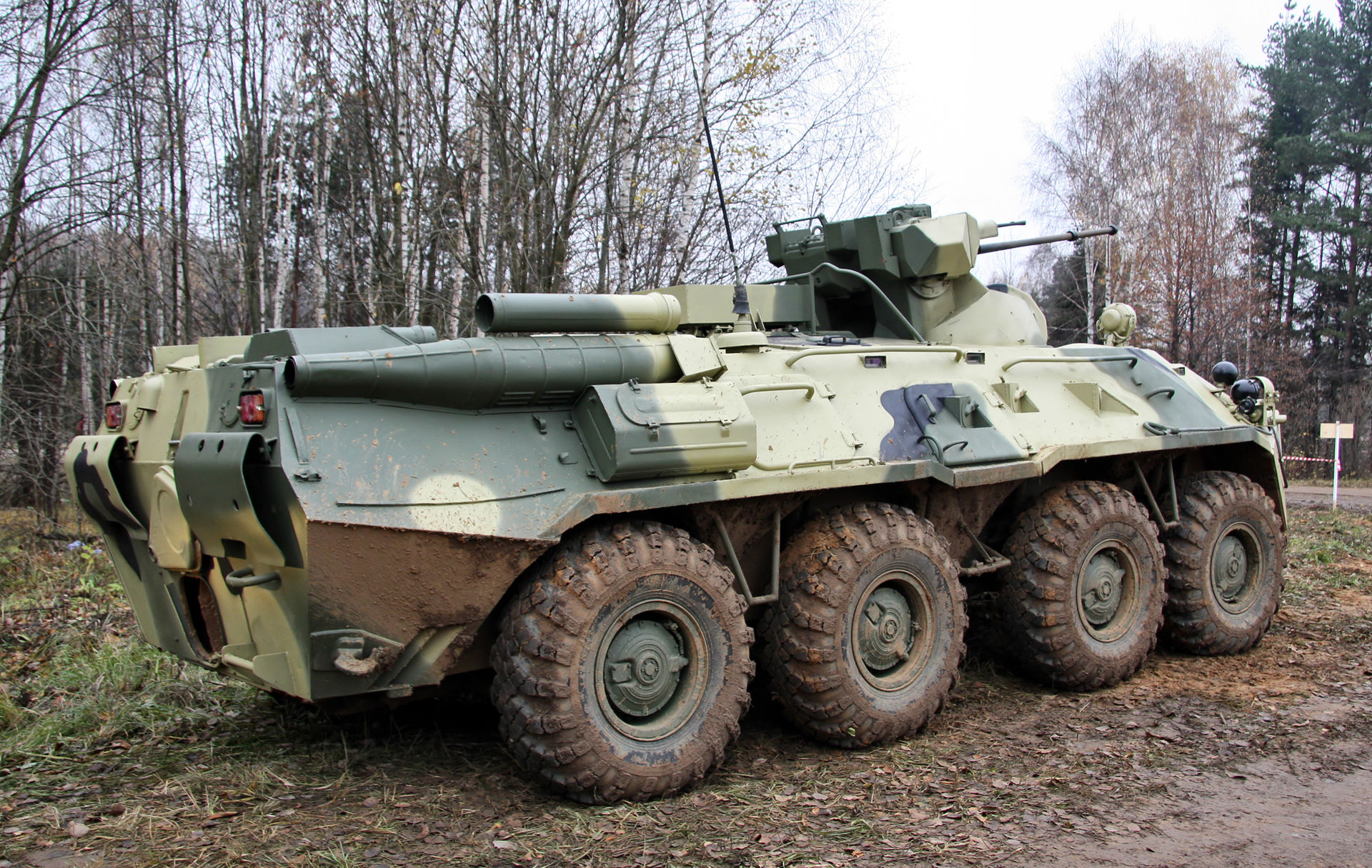


These changes of course increased the vehicle’s weight (to 16 tons), which was compensated by the installation of a more powerful engine (KamAZ-740.14-300 diesel producing 300hp) along with transmission and suspension improvements. The BTR-82A also remained amphibious. There were other improvements in electronics as well and an air conditioner was installed to increase the crew’s comfort.

The vehicle officially entered Russian service in December 2012 and was first shown to the public during the 2013 Victory Day military parade in Moscow. At that moment it was already two years in production (since 2011). It’s worth noting that these were all newly built vehicles – older BTR-80s were also converted to the BTR-82 standard (but these refitted vehicles became designated BTR-82AM). The conversions weren’t much cheaper though – due to the extent of the overhaul, the cost of such a vehicle was only roughly 15% lower than that of a new one.

The production of the BTR-82 is running to this day with the estimates varying between 1500 vehicles built to more than 2000 (how many of these are newly built or conversions is unclear). At the moment it is only covering the needs of the Russian Army, although in the past the vehicle seems to have been exported in some numbers, most notably to Kazakhstan. It was also seen in Syria during the Russian intervention (and some of these were allegedly transferred to Syrian hands).
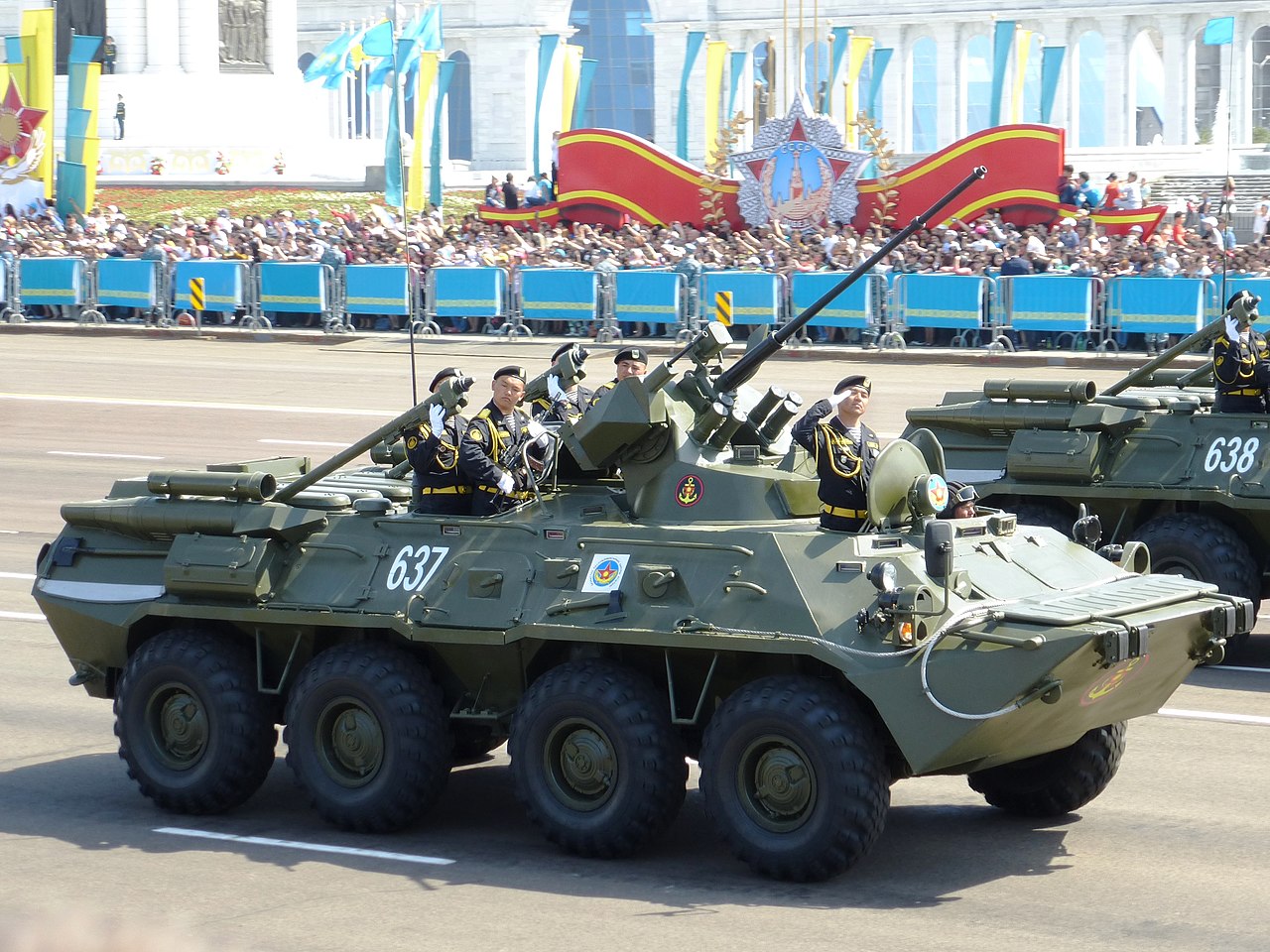


Interestingly enough, sources vary wildly when it comes to foreign sales of the BTR:
  • Azerbaijan is supposed to have 100 to 200 according to some (from 2018-2023) and used them during the Nagorny Karabakh war in 2020 (which seems plausible as one of these was captured by the Armenians)
  • Belarus is supposed to have around 30
  • Uzbekistan and Kyrgyzstan are supposed to have anywhere between 20 and 110

The BTR-82A has seen several conflicts since its introduction. As was mentioned above, it was used in Syria in 2015, in 2020 during the Armenia-Azerbaijan war and, most notably, during the Ukraine conflict where a number of them were captured by the Ukrainians.
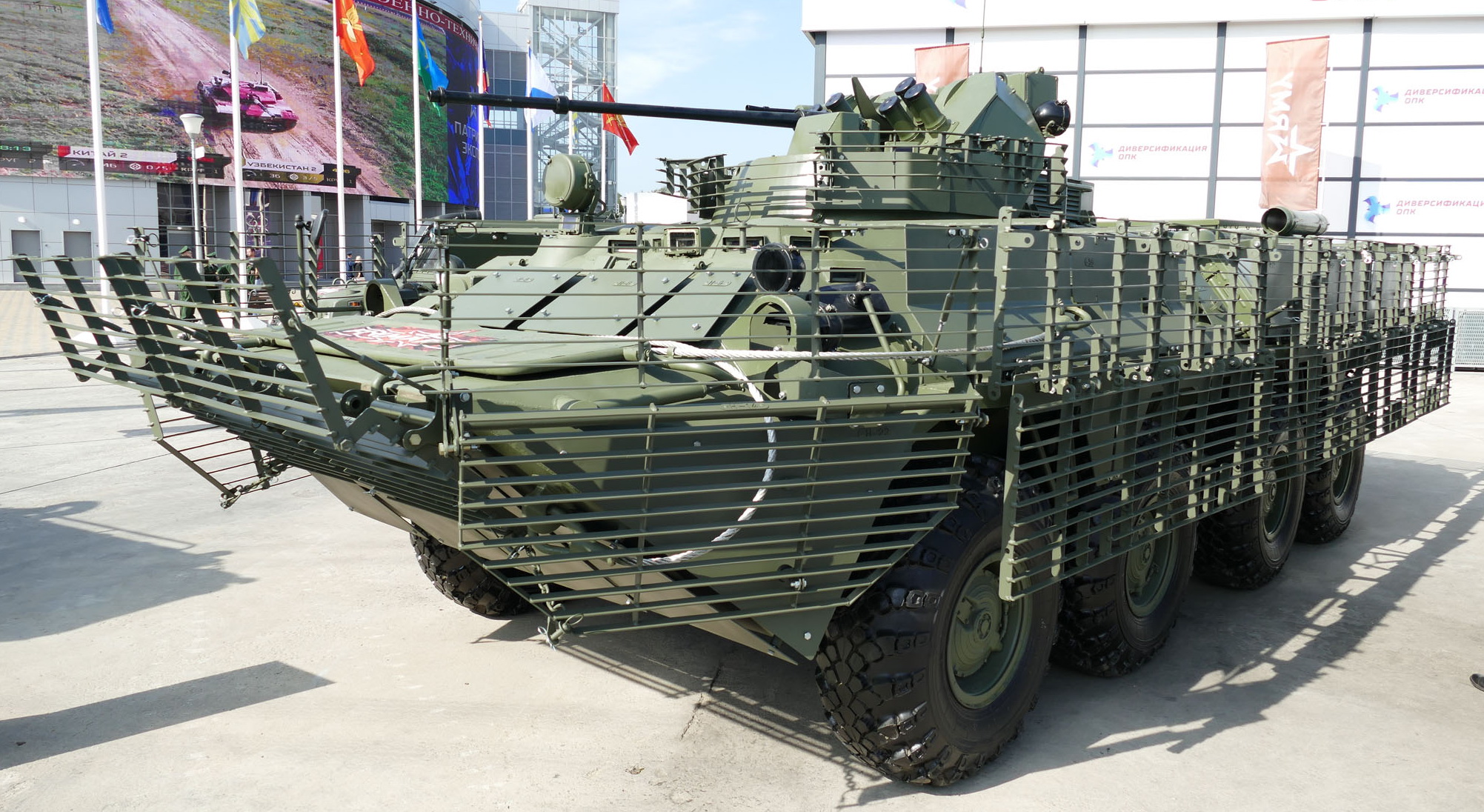


Several upgrades were developed for the vehicle over the years, including a spaced armor kit, a slat armor kit on top of that and two Kornet launchers added to the turret.
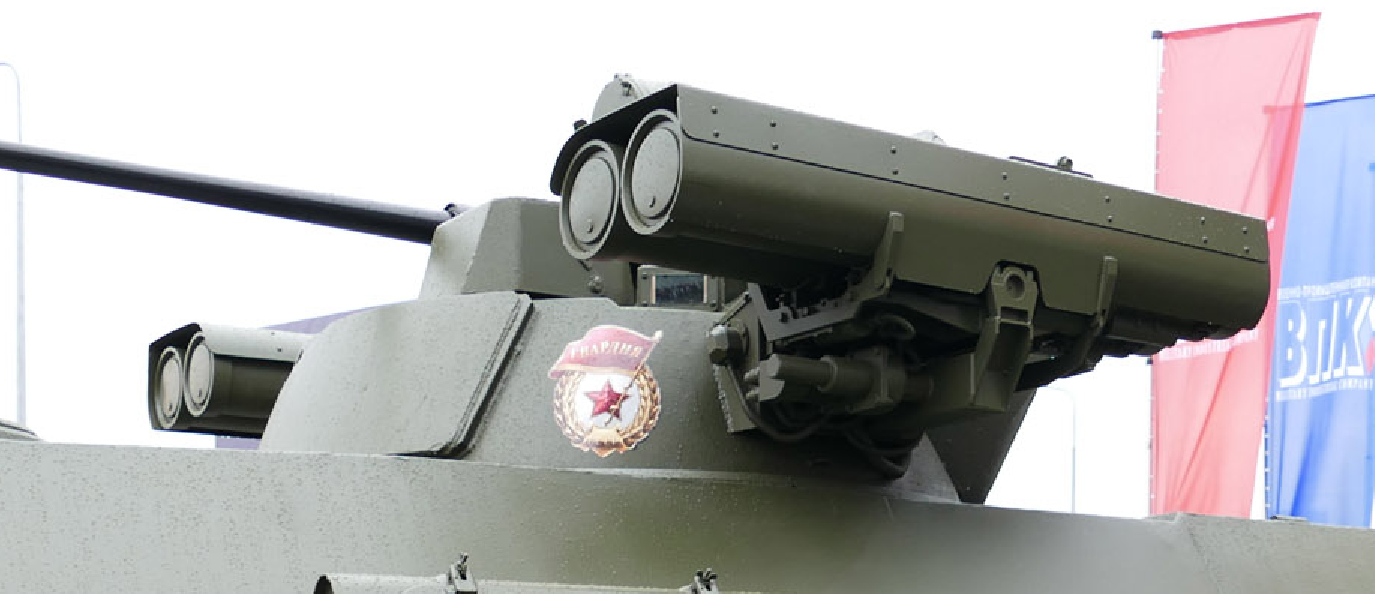


But even in its basic state, it’s a solid machine that’s performing well on the battlefield – or, rather, as well as can be expected with the changes the use of drones en masse has brought.

In Armored Warfare, the BTR-82A will be a Tier 8 Premium Armored Fighting Vehicle.

What you’re looking at is a lot of firepower in a relatively fragile package. At first glance it’s obvious that the BTR-82A is not well-armored and even though an armor kit will be available as a Battle Path overprogression module, the armor will be nowhere near as thick as on other modern IFVs.
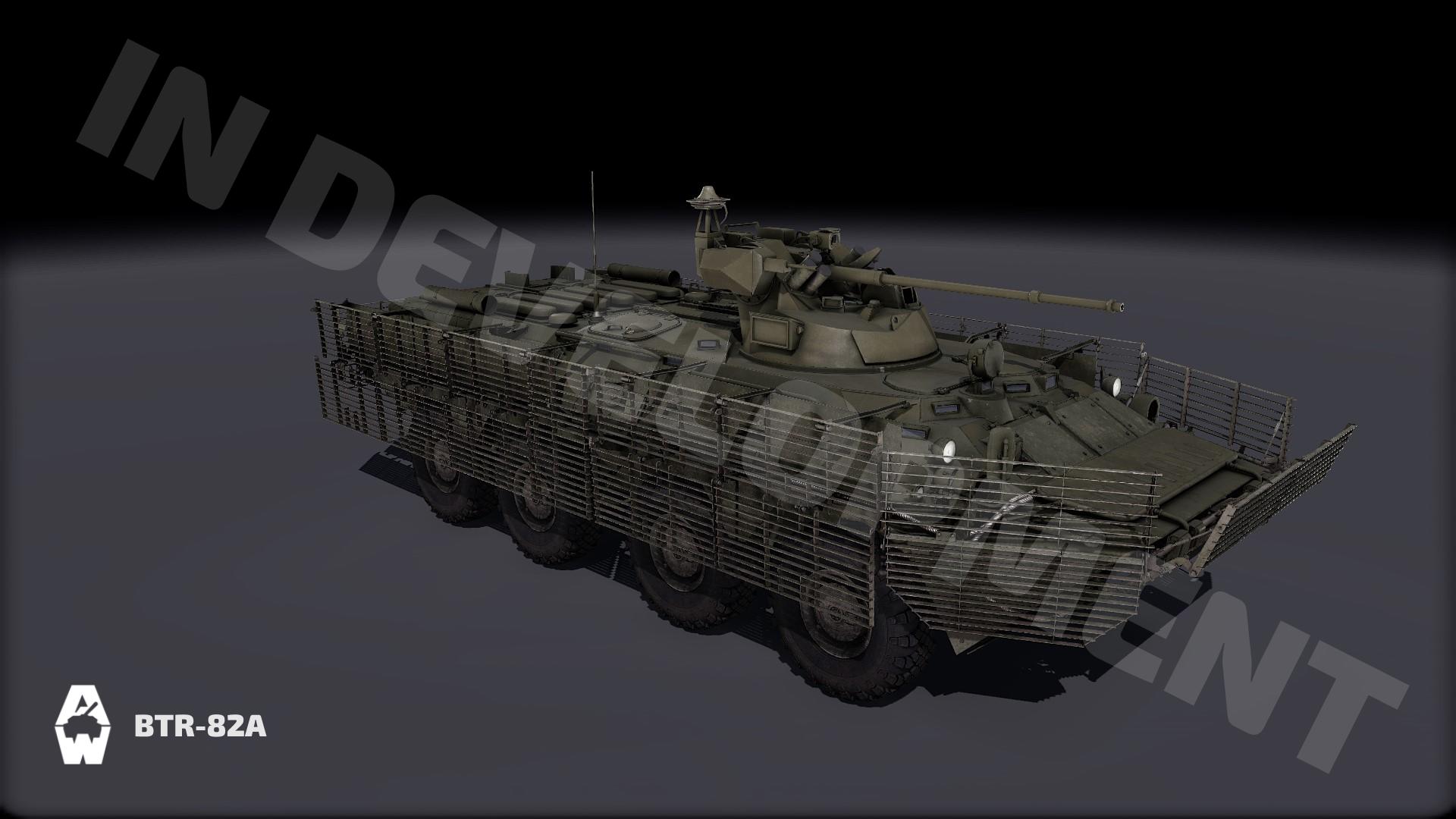


However, the vehicle’s other traits more than make up for this handicap. The BTR-82A will not only be highly mobile thanks to its low weight and powerful engine. We’re thinking:
  • 3.8s to 32 km/h
  • 21.41s to its maximum speed of 80 km/h
  • Hull traverse rate 47 deg/s

But, most importantly, the BTR-82A will essentially feature Tier 10 firepower as its autocannon is similar to that used by the T-15 with the same shells, accuracy and all that. We will naturally tune down the damage output so that it doesn’t dominate everything on its Tier but its firepower will still be very high. And that’s without the second overprogression update that will add two twin-tube Kornet launchers to the vehicle (again, similar to the T-15 Armata) – and yes, they will come with the double launch feature.
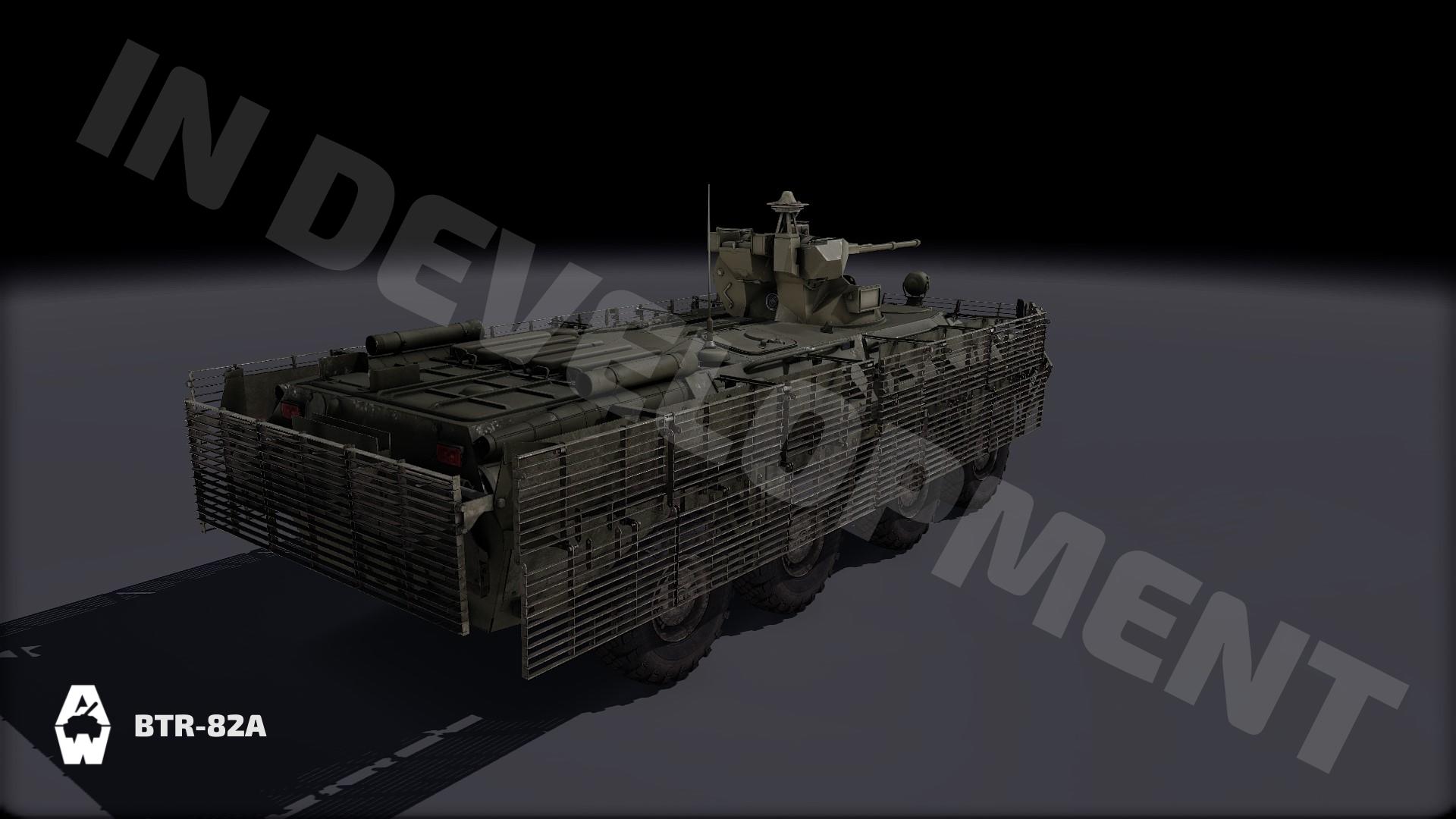


For the future, the vehicle will also receive a new ability called Drone Jamming that will, as its name suggest, counter drones (the visual model will have the Volnorez jammer on it).
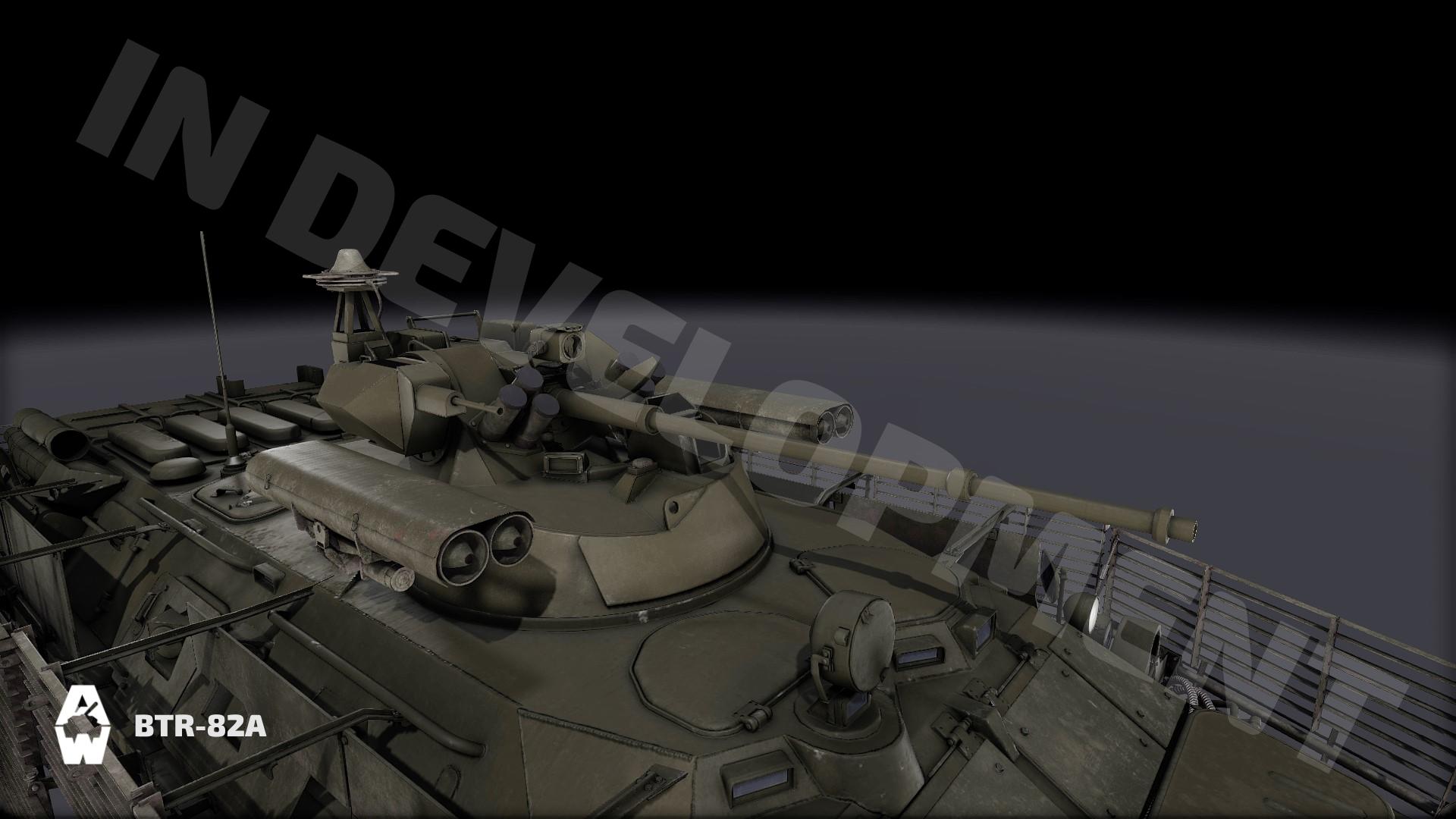


In summation, the BTR-82A will be a glass cannon IFV with thin armor but a lot of firepower – a great tool for either risky PvP gameplay or overall great PvE performance.

We hope that you’ll like it and, as always:

See you on the battlefield!