The Black Panther
Commanders!
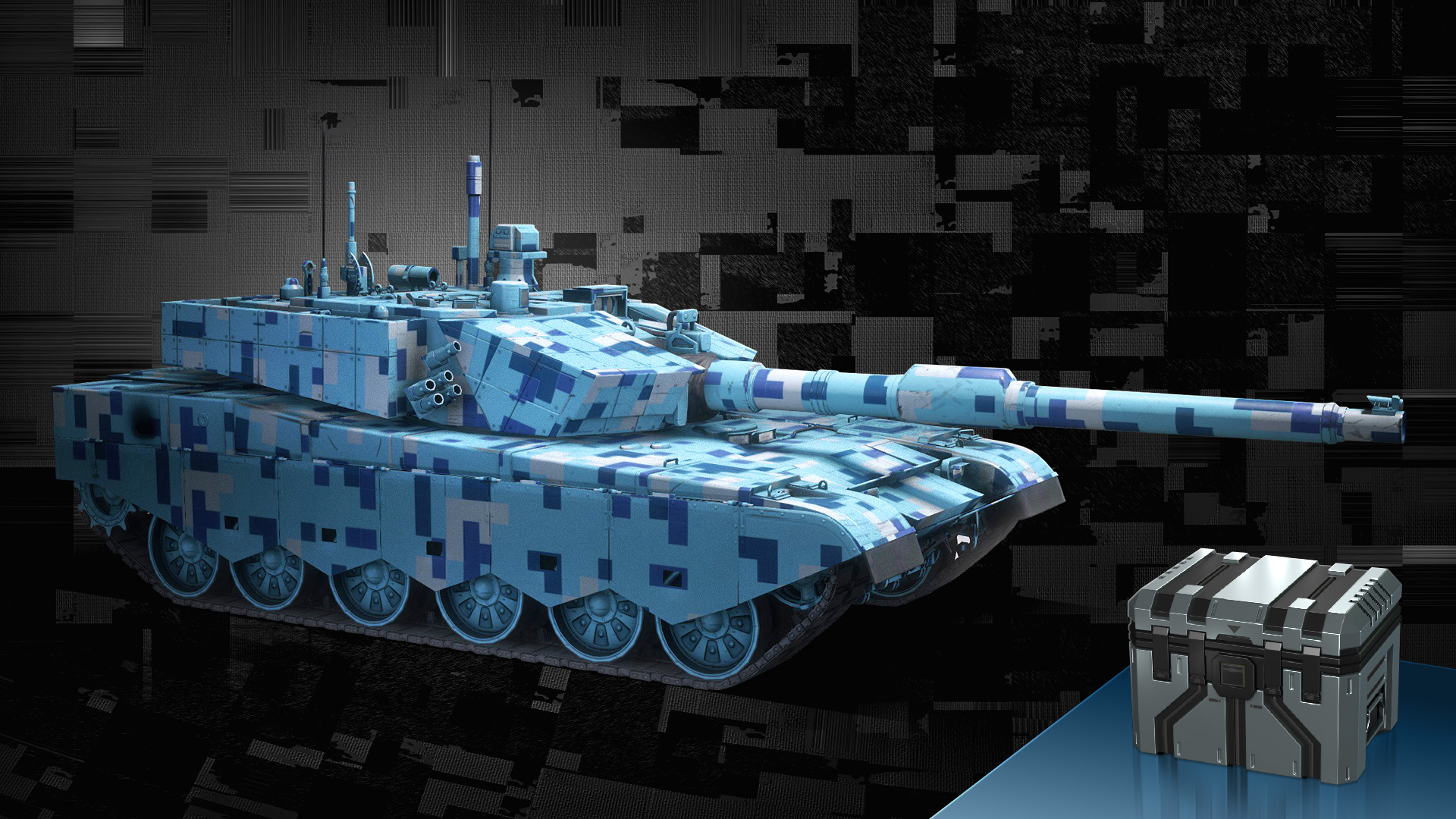
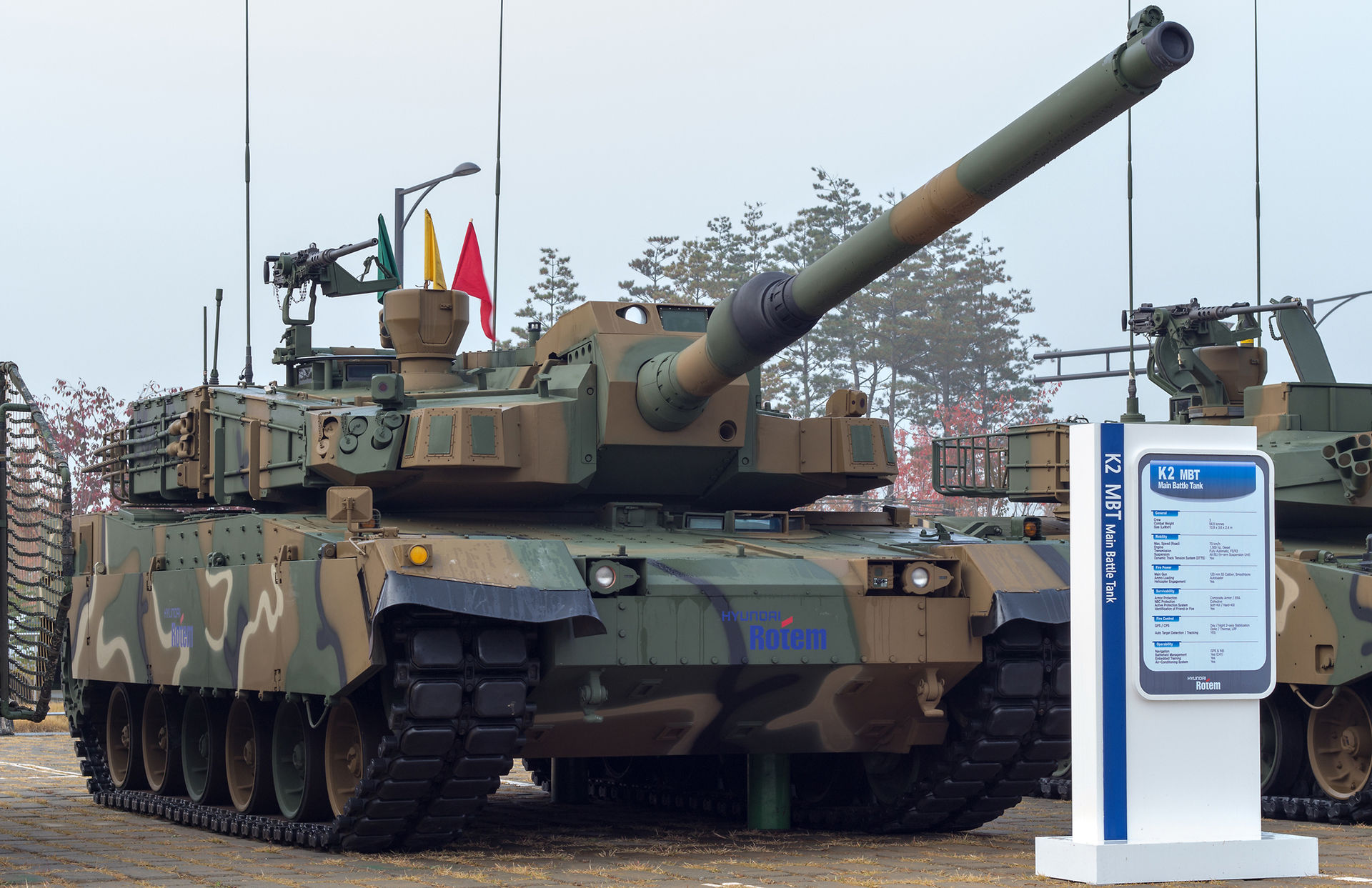
The K2 “Black Panther” MBT is, without any doubt, one of the most advanced tanks in the world – if not the most advanced one because, unlike so many other designs that claim to be next-gen, it can actually back this claim up with the very best technology the Republic of Korea can develop. This makes the machine not only cutting-edge, but also incredibly expensive, so one has to ask – why? What’s the reason behind its development and deployment and how did it come to be?
The answer is perhaps not all that obvious at first glance – at least not to anybody not familiar with tank design. Its raison d'être is, of course, the threat posed by the military of the Democratic People's Republic of Korea (commonly known as North Korea). This criminal, dictatorial regime controls one of the world’s largest militaries and even though the consensus is that the quality of North-Korean troops and equipment is generally quite low, their sheer number makes them a force to be reckoned with.
South Korea does not have the manpower sources the North enjoy (on the upside, South-Korean troops do get three meals a day so that’s definitely an advantage), which is why it has to rely not only on military alliances, but also on force multipliers. And one of the best force multipliers is absolute technological dominance aimed at making the country practically impossible to invade because nobody is really interested in invading North Korea. The biggest threat from that country comes in the form of the South-Korean capital Seoul being in range of North-Korean artillery, making it impossible to prevent serious civilian casualties.
And, really, nobody is interested in liberating North Korea from the Kim dynasty anyway – doing so would suddenly leave the attacker responsible for 25 million Koreans, who mostly live in such poor conditions that they are, at best, impossible to integrate to an advanced society and would therefore have to be clothed and fed by various aid programs. At worst, you’d end up with a very hostile indoctrinated population that would be impossible to govern. Plus, there’s always the threat of Chinese “volunteers” coming to aid the “comrades”, like they did in 1950.
Either way, it’s far easier for everyone to leave the regime “as is” (that is, propped by China) and push the inevitable problems to the future generations, leaving the South Korean military in the defensive role only.
When it comes to tanks, North Korea is armed with a wide assortment of strange designs, none of them coming even close to the level of technology used in the K2 Black Panther. But that is the way of superior tank design – one might be tempted to think that as long as the tank has some sort of composite armor and a 120-125mm smoothbore gun from the Cold War era, all such designs are roughly equal. In reality, many more factors come into play – communications, optics, even internal ergonomics are used in the mix that makes a good tank.
As a result, the differences even between various models of the same line can be incredible. As an example, as the Ukrainian conflict lessons have taught us, a modernized tank of the same series (T-72 or T-64 in this case) can have three times as high combat value as the base model. And that’s only just scratching the surface – the difference between the Black Panther and anything North Korea can field will be even higher, giving the South Koreans the chance to outfight even considerably more numerous enemies.
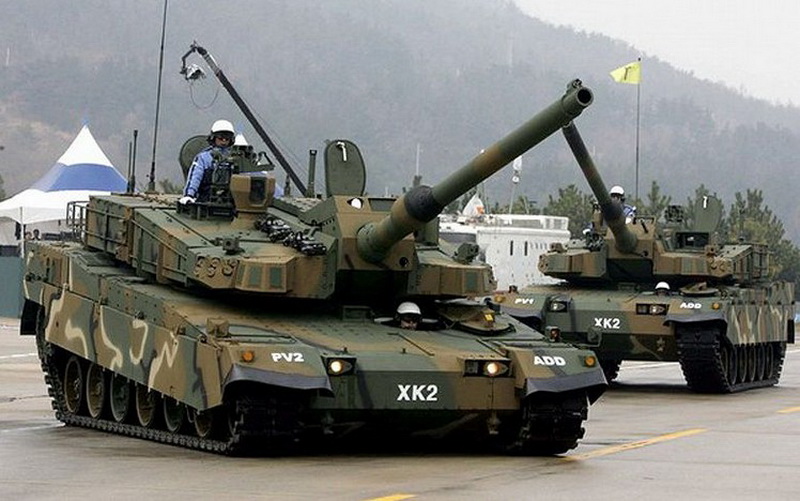
The K2 tank was designed sometimes in the early 2000s (even though the program itself was likely launched as early as 1995) to replace the aging K1 tank series, which were basically like a Korean equivalent to the older Abrams models, but not quite – Korea is a mountainous region, which is why these tanks emphasized, on one hand, mobility, and on the other hand, the capability to operate in difficult terrain. That’s why these tanks featured hydraulic, adjustable suspension, giving them an edge in the hilly parts of the country. By 2015, the Republic of Korea military was operating 1027 K1 tanks and 484 K1A1 tanks.
Of course, by that time, the military of South Korea was operating also some even worse tanks – heavily upgraded M48 Patton modifications (800 in reserve by 2015) and, oddly enough, around three dozen Russian T-80U MBTs, transferred to South Korea (along with some BMP-3s) in the late 1990s to pay off a Soviet era debt. Operating this many MBT types was, of course, not ideal for Korea and the K2 was an attempt to unify these.
The tank itself weighs 55 tons and is well-protected. The armor is, of course, composite (and secret) and is said to be able to withstand a hit from a 120mm APFSDS round, fired from a gun with 55 caliber barrel length. Might not sound like all that much at first, but this is actually a significant step-up compared to being able to withstand a 120mm APFSDS round fired from a 44 caliber gun – the muzzle energy difference between the two weapons is somewhere around 20 percent (est. 11-11.5MJ compared to 13-14MJ of the L/55). Few other tanks can boast this level of protection – in fact, no mass-production tanks likely can.
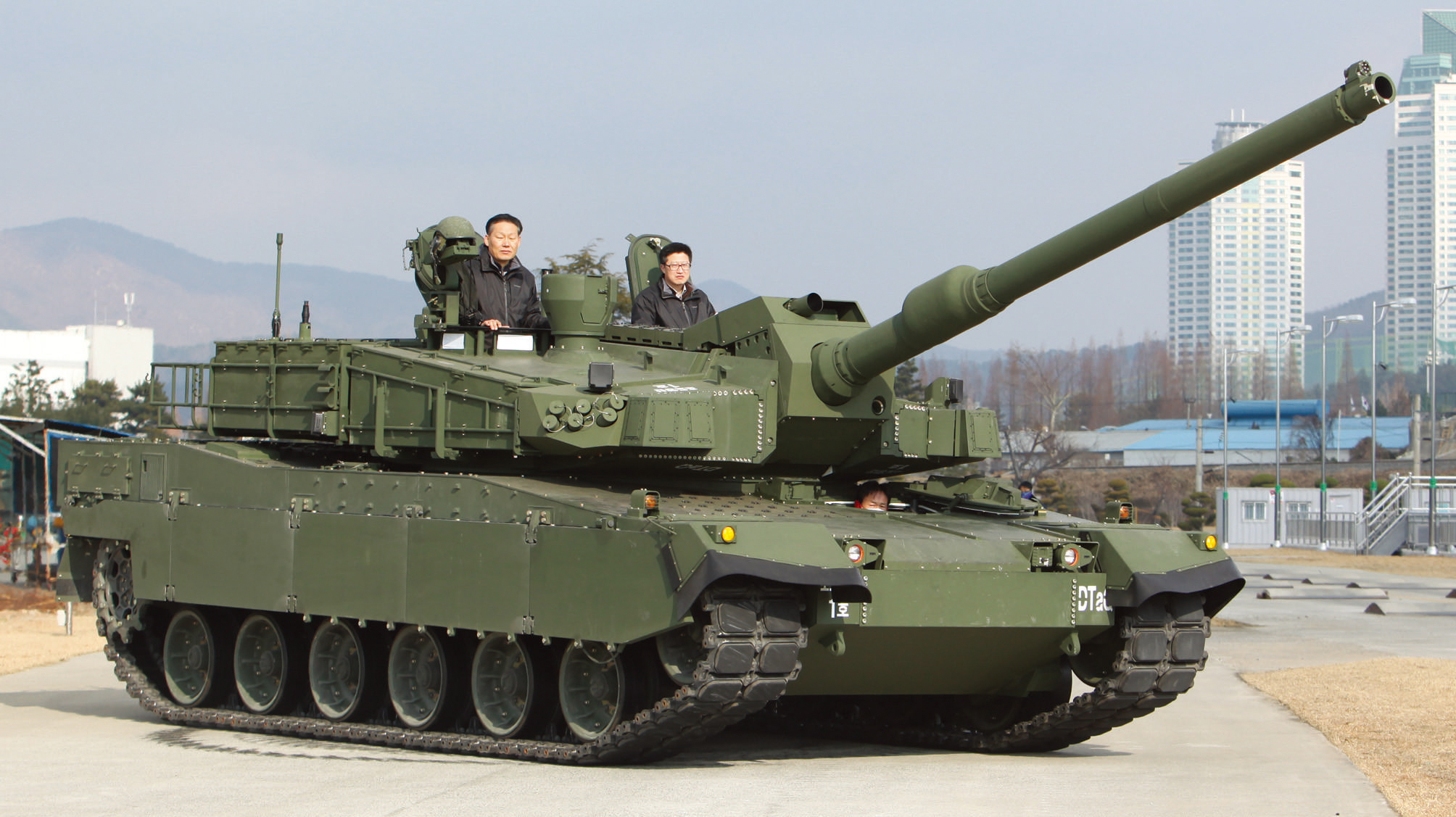
The sides are also protected by an optional ERA kit and the vehicle features other defensive systems as well, including:
- Advanced laser warning receiver
- Jammer and other electronic warfare devices
- Sort-of soft-kill APS (its advanced smoke grenades that are tied to the LWR and the when the tank gets targeted by an ATGM, it fires them to obscure it and to block its thermal signature)
- Automatic fire suppression system
- Isolated ammo rack with blow-out panels
The sides are, of course, considerably thinner, but that’s the case for any MBT.
The mobility is provided by a German MTU MT883 Ka-501 1500hp V12 diesel (with RENK HSWL 295TM transmission) with the later production models being fitted with an indigenous 1500hp Doosan DV27K 1500hp power pack (featuring S&T Dynamics EST15k transmission). The German engines were adopted because the Korean power unit still had problems by the time the production was supposed to launch – mainly with cooling.
Both engines allow for the same level of mobility – 70 km/h on hard surfaces, up to 50 km/h off-road and the acceleration from 0 to 32 km/h in 7 seconds. The advantage of the latter is, of course, that it’s produced entirely in South Korea, which is, after all, the ultimate goal of the program.
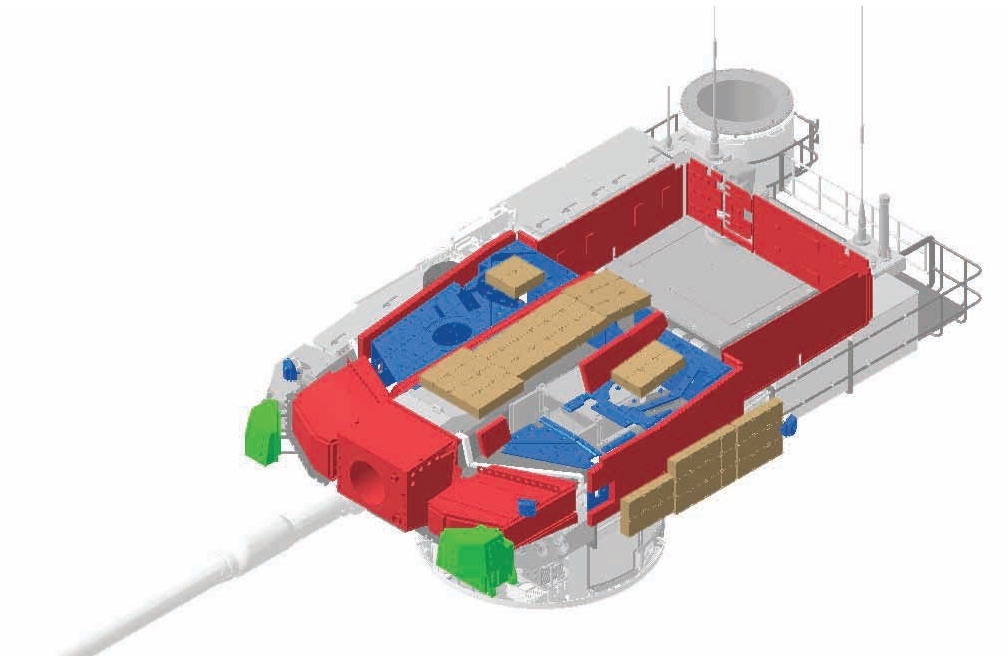
The tank is also equipped with an in-arm hydraulic suspension, allowing it to “sit” (lowering its silhouette in defensive position) or tilt to all sides to improve its gun elevation as needed. Like we mentioned before, it’s a useful important think to have in difficult terrain.
By now, you might be thinking: “Hold on – there’s a German power pack, the gun’s obviously German too since Rheinmetall developed a L/55 smoothbore for the Leopard 2A6. This is a German tank!”
No, not really. The South Koreans aren’t Turks, after all. It is true, that some commercially available German components were used for the earlier models. However, the main weapon of the tank – a 120mm L/55 smoothbore cannon – is not a copy of the Rheinmetall design. It was developed indigenously by Hyundai in South Korea.
With that being said, it’s true that the Germans had their fingers in the original weapon system of the tank – the Black Panther was originally supposed to be armed with a 140mm gun by Rheinmetall early in the program, but even the Germans agreed this would be a total overkill and the plan was actually cancelled even on the German side since the longer 120mm gun variant can defeat pretty much anything it encounters on the battlefield.
Unlike the German L/55, the Korean weapon is automatically loaded from a bustle-mounted ammo rack with 16 rounds, allowing for a rate of fire of 10 rounds per minute (the tank carries 40 rounds in total). There are a number of reasons for that, not the least of them being the general smaller size of Asian troopers, who would have relatively more trouble handling the large 120mm shells than their European counterparts. This, of course, allowed to reduce the crew of the tank to three members (gunner, driver and commander), which has its own disadvantages, but generally reflects the abovementioned difference between manpower pools between the North and South Koreas.
The gun is controlled by an advanced FCS, featuring:
- Laser Rangefinder
- Thermal Imager
- Korean Gunner’s Primary Sight (KGPS)
- Korean Commander’s Primary Sight (KCPS)
The FCS can target all sorts of potential threats, including low-flying helicopters.
As a side note, it seems that the Koreans love to add the word “Korean” or the letter K to many of their system designation. So, for example, the Korean M256 clone is called KM256, the Korean M68A1 clone is called KM68A1, their indigenous APS is called Korean APS and so on. Nothing wrong with a bit of national pride, but... yeah, we get it. It’s all Korean.
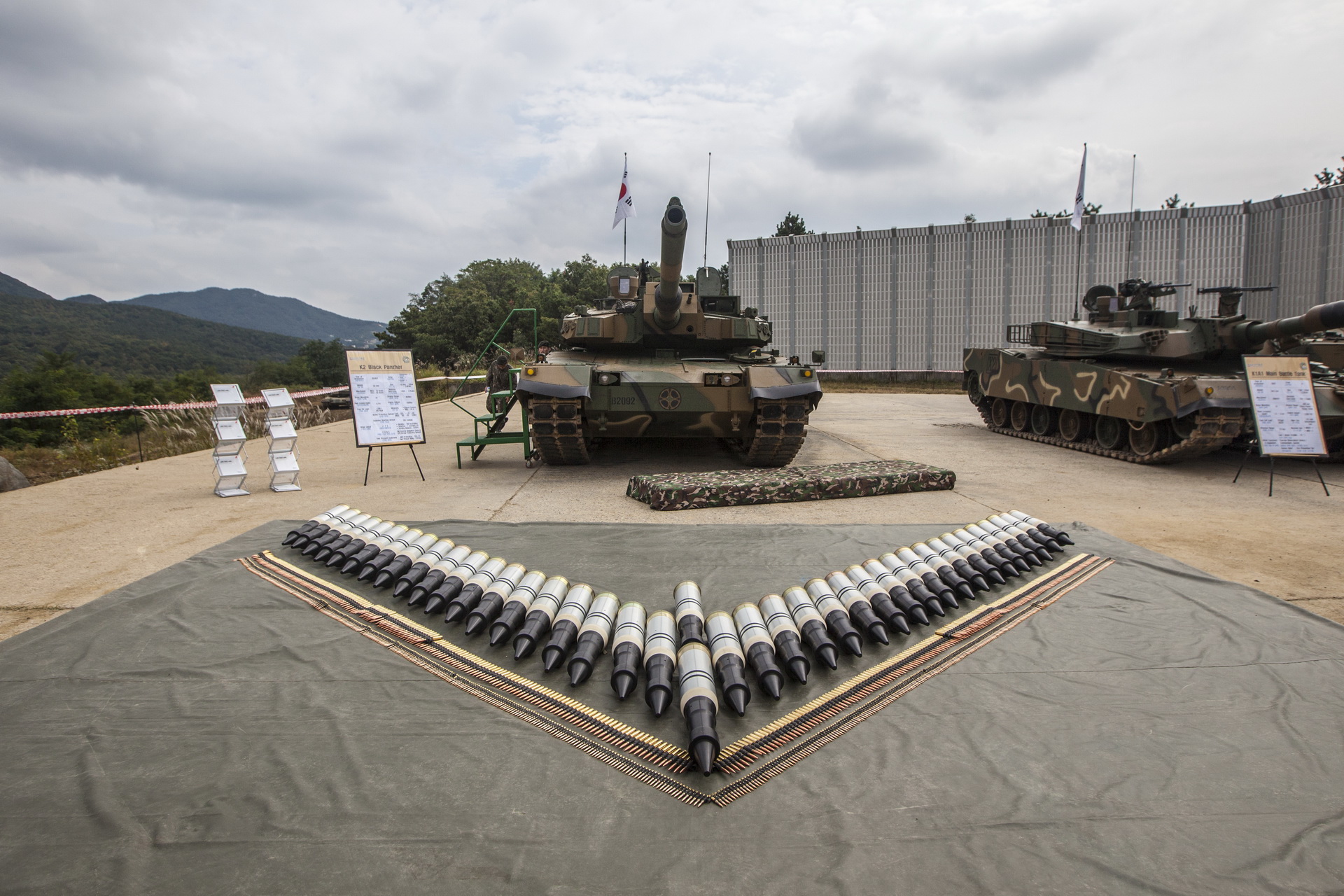
Either way, the maximum gun elevation is around 24 degrees (with the assistance of its hydraulic suspension) with the maximum depression being -16 degrees. When fully elevated, the FCS can engage flying targets at roughly 5km. The tank uses several types of advanced ammunition, including:
- K276 APFSDS (1700 m/s muzzle velocity, 7.35kg weight of the rod, allegedly 650mm of RHAe penetration at 2km)
- K279 APFSDS (1760 m/s muzzle velocity, heavier shell, allegedly 700mm of RHAe penetration at 2km)
- K280 HEAT-MP
The crown jewel is, however, the KSTAM-II shell (Korean Smart Top-Attack Munition), based on the (German) Diehl SMart 155 round. This special round is fired indirectly at targets that would normally be beyond the reach of standard ammunition. Its range is between 2 and 5km (some sources claim 8km even) and what it does is it acquires the target in flight, guides itself on top of it, descends on it using a parachute and finally explodes, forming an EFP (Explosive Formed Penetrator) and punching right through the enemy vehicles weakest (top) armor.
This is an incredibly potent (if expensive) weapon system that has few equals in the world – certainly nothing in Russia or China, let alone North Korea.
And that’s still not all. The Black Panther features a number of cutting edge electronic and communication systems, including:
- Battlefield Management System with uplink (allowing the commander to see the position of his tank and the troops around it as well as the enemies)
- GPS-based navigation
- IFF system (based on STANAG 4579 NATO standard)
In short, when it comes to tanks, the K2 Black Panther is literally the best the money can buy right now, even though it has some drawbacks. Most notably:
- It is very expensive (roughly 50 percent more expensive than a Leopard 2A6)
- 24 ammunition rounds stored in the hull are poorly protected from the sides
It's worth noting that the PIP version (Product Improvement Program) is in development, featuring:
- Improved NERA blocks in addition to the existing ERA kit
- Upgraded suspension (including active elements and an AI system that scans the ground in front of the tank to determine the best suspension and track setting)
- Korean APS
The KAPS system is also an interesting piece of equipment. It was finished relatively recently, after the Koreans investigated the Russian Arena-E APS and decided against it. It is a hard-kill APS, intercepting incoming threats (RPGs, ATGMs) using rotating two-barreled launchers, has the minimum detection range of approximately 150m and the intercept range of 10-15m. It fires a grenade against an incoming projectile, which then explodes and shreds the projectile with shrapnel.
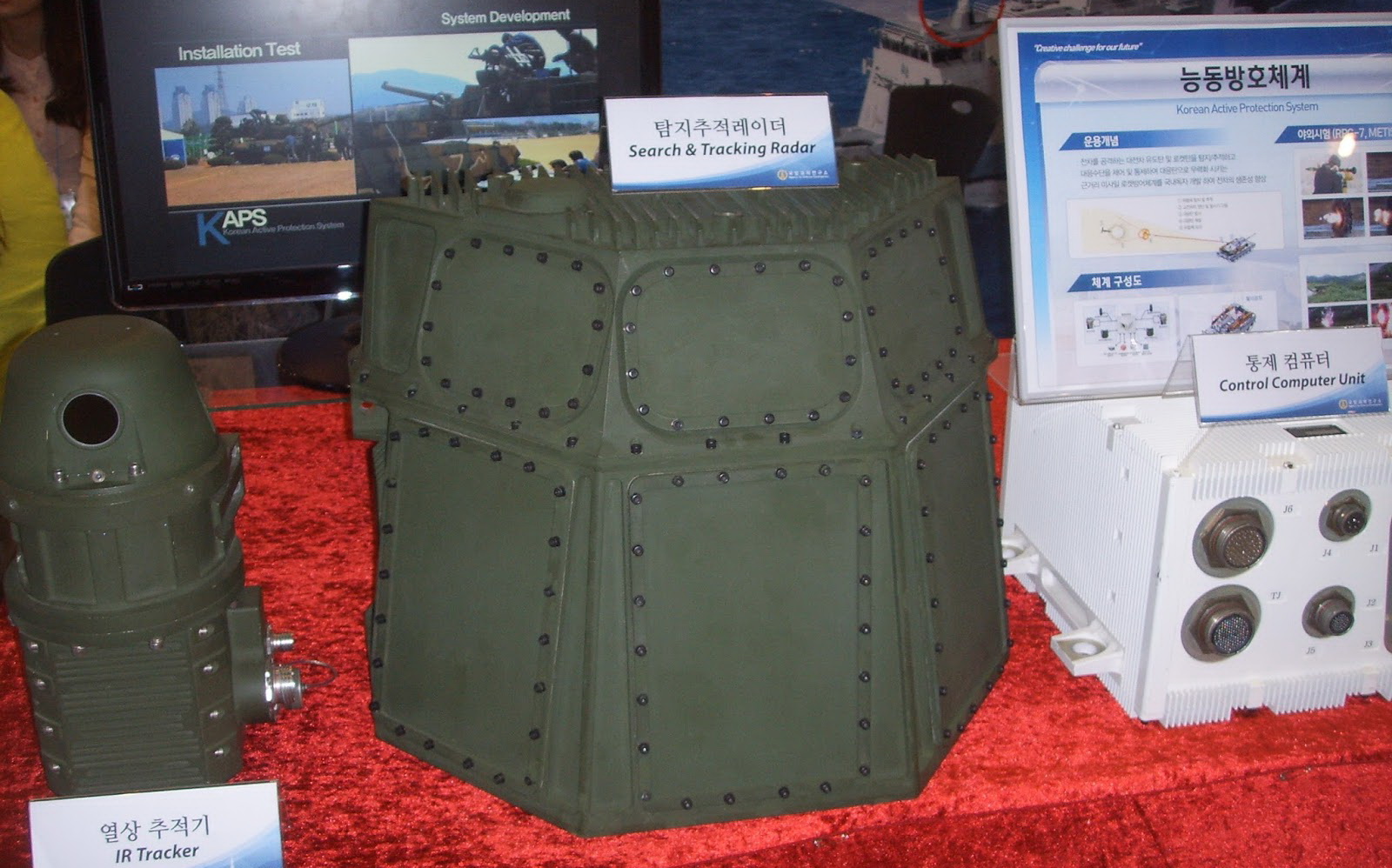
The vehicle was accepted in service in 2014 or so and the first 36 vehicles were delivered around the summer of that year. These were effectively pre-production vehicles with German engines and transmissions. Roughly 70 more production vehicles followed by 2014-2015.
The second production batch was launched in 2019 and consists of 106 “hybrid” Korean engine – German transmission vehicles (the problems with the Korean engine were solved by September 2014) with the third (purely Korean power pack) batch planned for this year. It is estimated that, until now, South Korea operates roughly 200 of these tanks with 100 or so more planned.
And that’s where the story could end – but it doesn’t, because the Koreans are looking for partners. First, there was the Turkish Altay cooperation (Altay allegedly uses some K2 solutions, although, contrary to the popular belief, it is NOT a development of the K2). But, lately, another potential customer has emerged: central Europe, of all places, or, specifically, Poland, the Czech Republic and Slovakia.
This does sound a bit odd, but it’s not illogical. Starting in mid-2020, Poland will be looking for 800 new Main Battle Tanks to replace (in this order) the obsolete T-72M1s, somewhat newer Leopard 2A5s and, finally, the upgraded Leopard 2PL MBTs. The program is (once again) called Wilk (Wolf).
Hyundai Rotem already announced that the company will be one of the contenders. The idea would be to create a “Polish” version of the Black Panther to be developed and delivered between 2023 and 2033. By “making it Polish”, we mean mostly making it bigger – the Black Panther is a small vehicle, designed for Asian troopers and Europeans would have hard time using it as is.
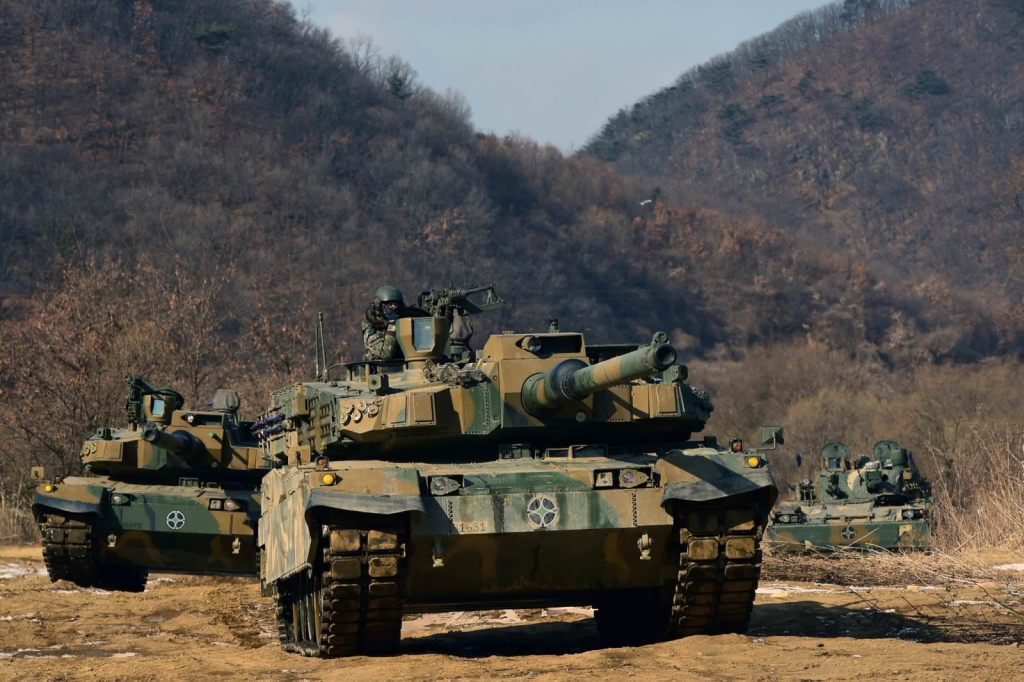
The cost of such a contract would be between 6 and 8 billion USD, but, with all the additional development costs and infrastructure building, they could be as high as 15 billion USD. And that’s a lot of money. The Poles expect the tank to be manufactured locally, which means further investments into their heavy industry.
On the plus side (for the Koreans, at least):
- Poland is already familiar with South-Korean arms (the AHS Krab SPG uses a K9 Thunder chassis combined with a British turret)
- Further Leopard acquisitions are likely out of question due to the current Polish political situation
- Poland was fairly recently (January 2020) officially ousted from the future European MBT program (MGCS) by Germany and France with either unwilling to share modern technologies included in its development
The other countries of the region would then “tag along for the ride”, sharing costs with their northern neighbor. It would be quite convenient for them too – the Czech Republic is running out of time with its T-72M4CZ MBT growing increasingly obsolete, while Slovakia is still struggling with its old T-72M1 tanks from the late Soviet era still in service.
With that being said, starting a modern MBT production is a risky, expensive and slow business and even if the Black Panther solution was accepted, no production would likely take place until mid-2030s. Still, at that point, Poland would have an MBT of qualities Russia could only dream of due to the total collapse of the Armata program. And that might just be an offer Poland can’t refuse.
See you on the battlefield!