1. World of Warships
  2. News

World of Warships News

Italian Cruisers: the Rules Made Simple
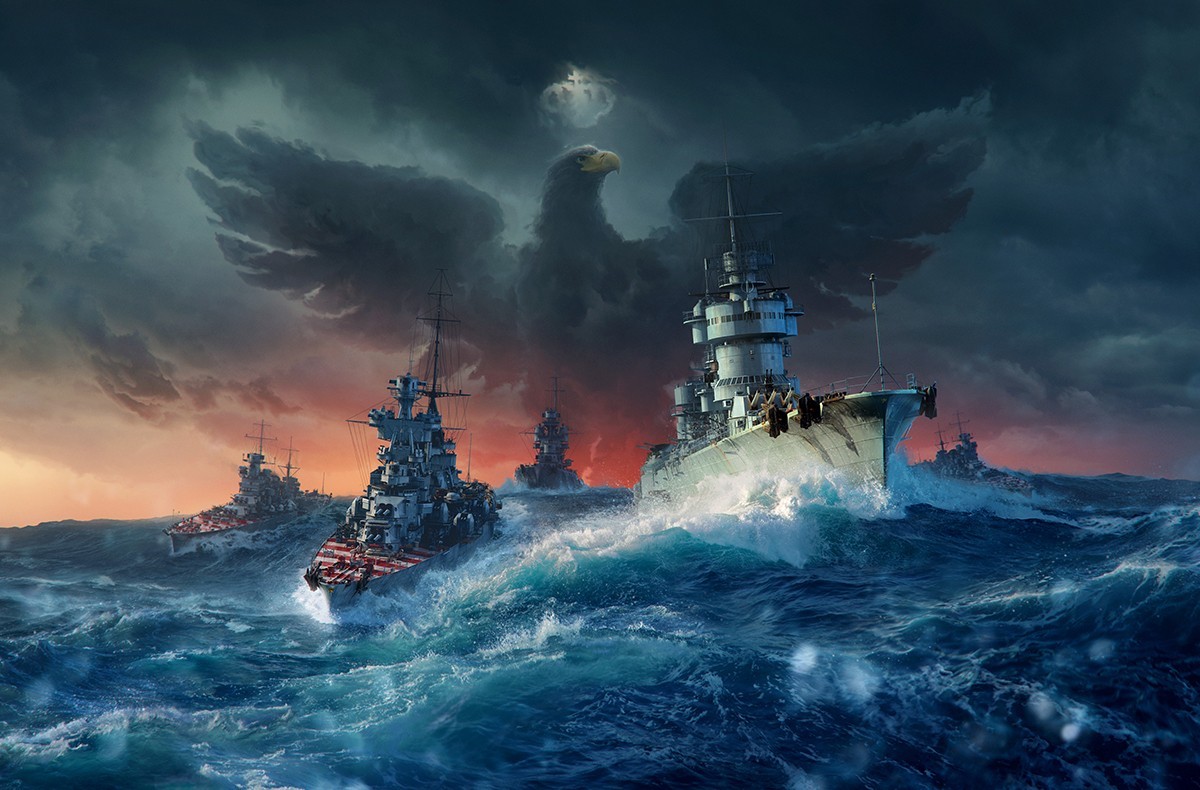
Version 0.8.9 starts a cycle of Updates focusing on Italian cruisers.

In this article, you'll find out how to unlock early access to the ships, and what you can acquire in exchange for Italian Tokens.

Rules of the event ● Available rewards ● Italian cruisers ● Event Directives ● Italian Tokens ● Random bundles ● Event containers ● Daily Shipments
Rules of the event
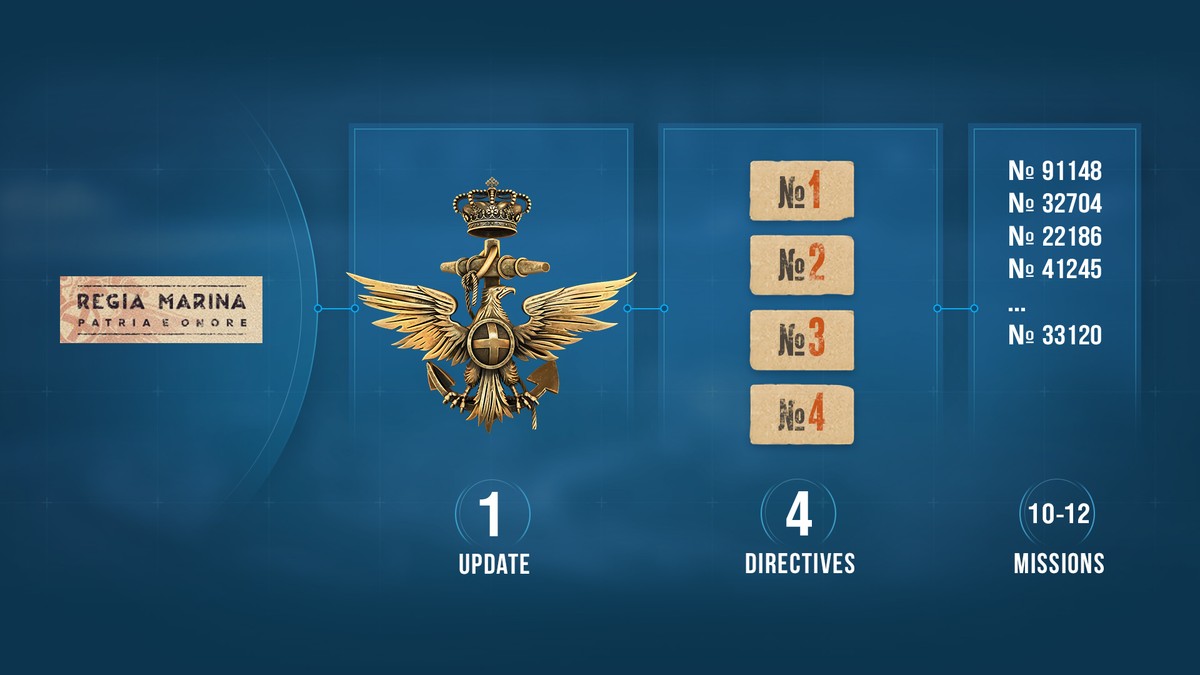
  • 42 missions across four Directives
  • Completing the missions of the Directives and special combat missions for Italian cruisers will bring you a new temporary resource—Italian Tokens
  • Italian Tokens can also be obtained from Daily Shipments and for completing Daily Missions
    • For one chain of Daily Missions, you'll earn 10 Italian Tokens
    • For both Daily Mission chains, you'll acquire 20 Italian Tokens
  • Italian Cruisers containers can be obtained for completing Directives and from Daily Shipments
    • The containers have a certain chance of dropping a combat mission that grants you early access to Tier V–VIII Italian cruisers once completed
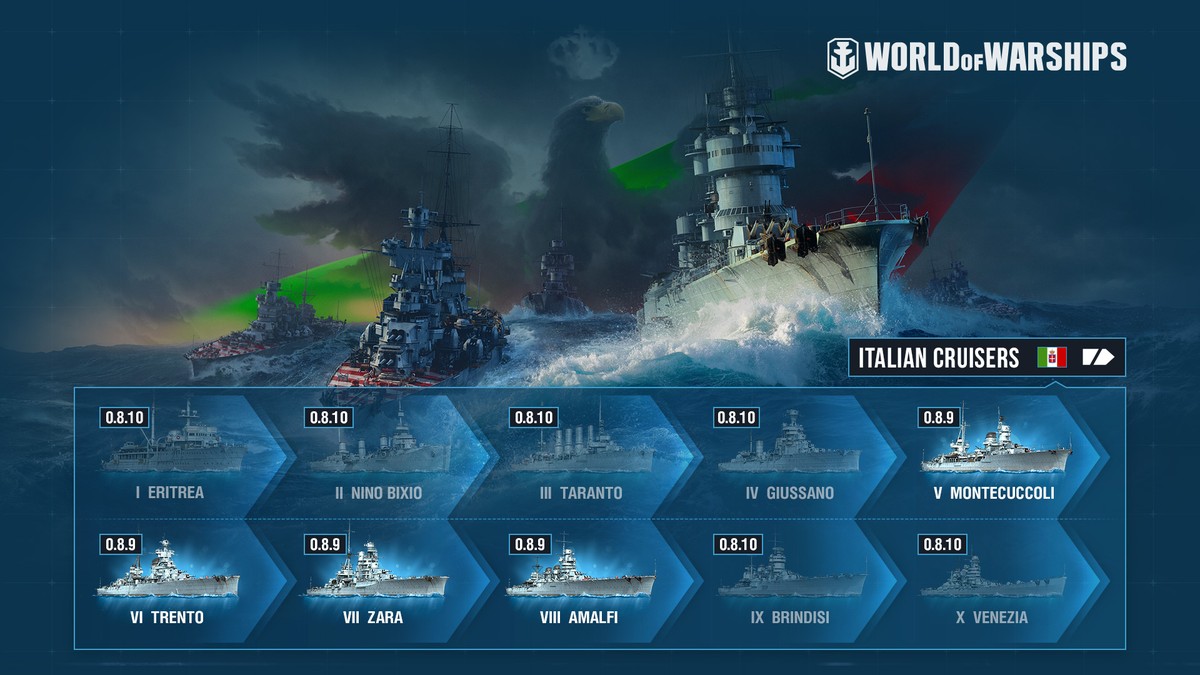
  • In Update 0.8.10, Tier I–X Italian cruisers will become available for all players to research in the Tech Tree


Available rewards

All players will have access to the Daily Shipments’ rewards: Italian Tokens, doubloons, credits, camos, Premium Account time, and Italian Cruisers containers.

Playing smoothly in Update 0.8.9, and having completed six missions in each of the first two Directives, players will be able to obtain up to four Italian Cruisers containers and 690 Italian Tokens—equivalent to one of the following rewards in the Armory:
  • 5 days of Warships Premium Account
  • 57 Regia Marina camouflage patterns
  • 5,100,000 credits
  • Up to 280 signals
  • Permanent camos for researchable Tier V, VI, or VII Italian cruisers
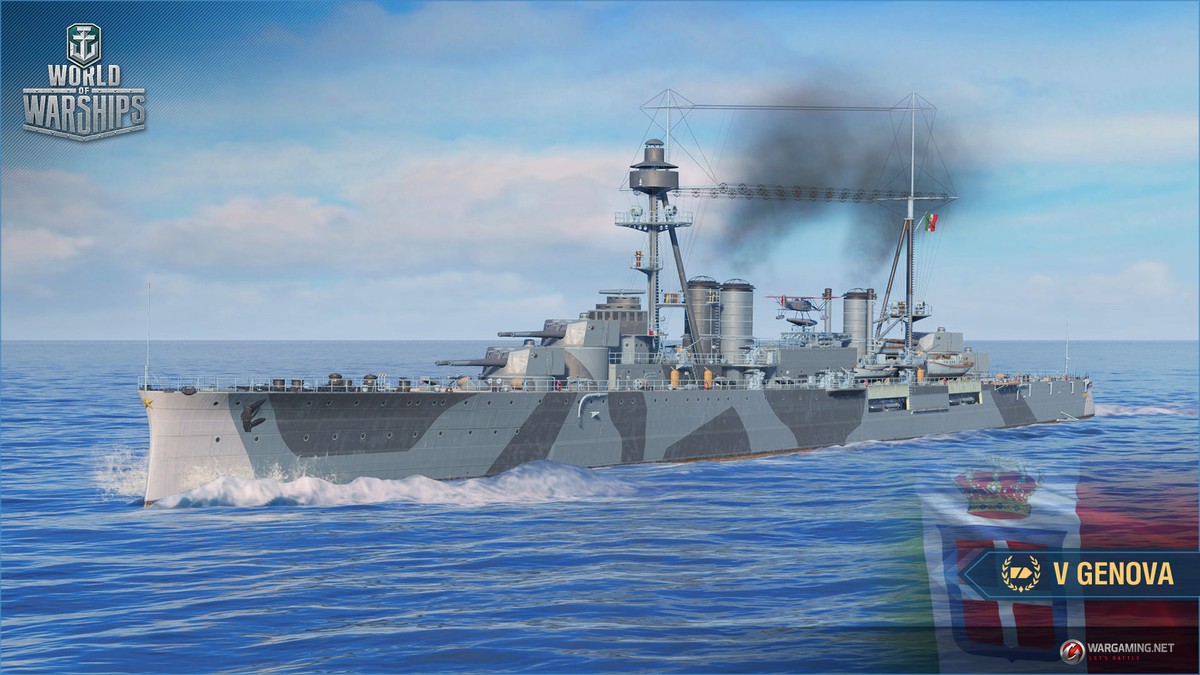
  • 9x random Patria e Onore bundles that offer a chance of obtaining cruiser V Genova
  • 9x Italian Cruisers containers that have a certain chance of dropping you doubloons or missions that unlock early access to Italian cruisers

Having completed all of the four Directives, players will receive 10 Italian Cruisers containers and 1,470 Italian Tokens that can be exchanged in the Armory for the following rewards:
  • 12 days of Warships Premium Account
  • 122x Regia Marina camouflage patterns
  • 10,950,000 credits
  • Up to 610 signals
  • Permanent camos for researchable Tier V, VI, VII, or VIII Italian cruisers
  • 21x random Patria e Onore bundles that offer a chance of obtaining cruiser V Genova
  • 21x Italian Cruisers containers that carry a certain chance of dropping you doubloons or missions that unlock early access to Italian cruisers
The top players who have completed all missions of the four Directives and all Daily Missions will receive 2,330 Italian Tokens which can be exchanged for the following rewards in the Armory:
  • 19 days of Warships Premium Account
  • 194x Regia Marina camouflage patterns
  • 17,400,000 credits
  • Up to 970 signals
  • Permanent camos for researchable Tier V, VI, VII, or VIII Italian cruisers
  • 22x random Patria e Onore bundles with a guarantee of dropping cruiser V Genova
  • 33x Italian Cruisers containers that have a certain chance of dropping you doubloons or missions that unlock early access to Italian cruisers


Italian cruisers

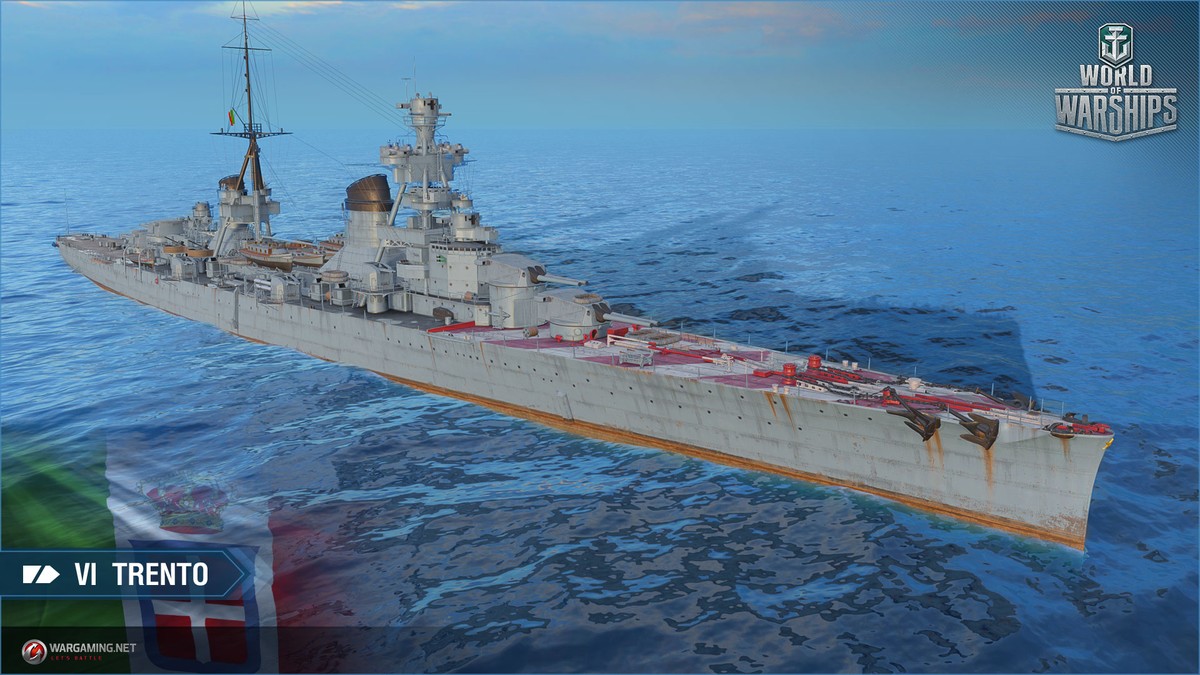
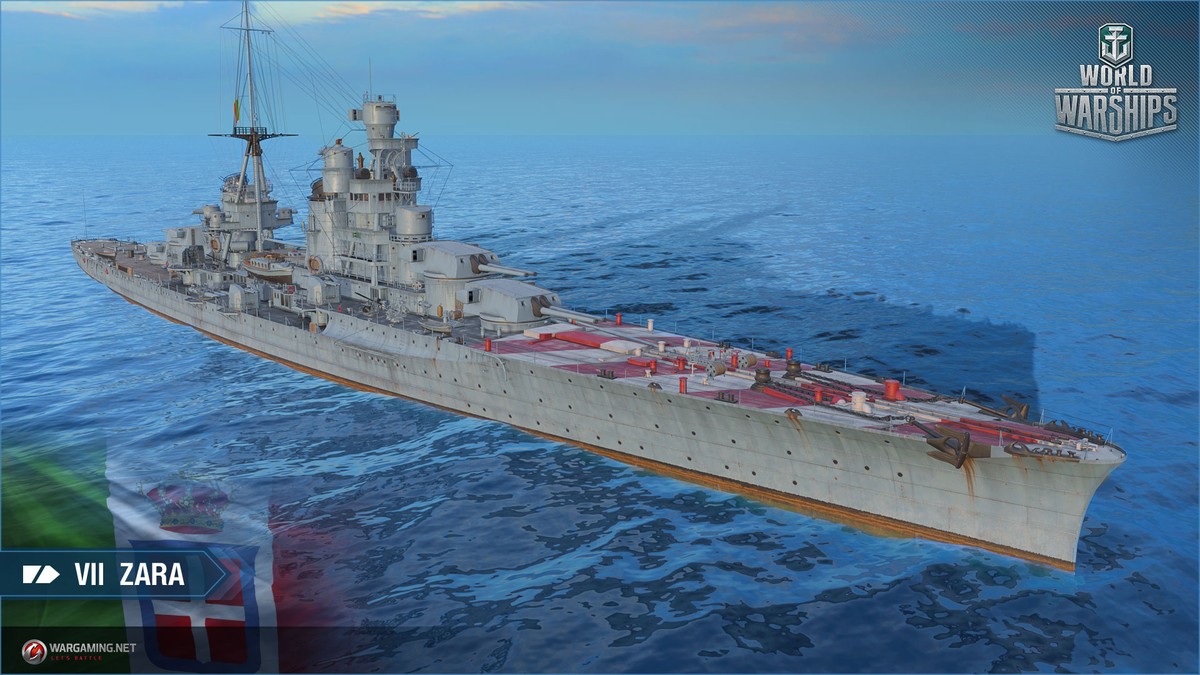
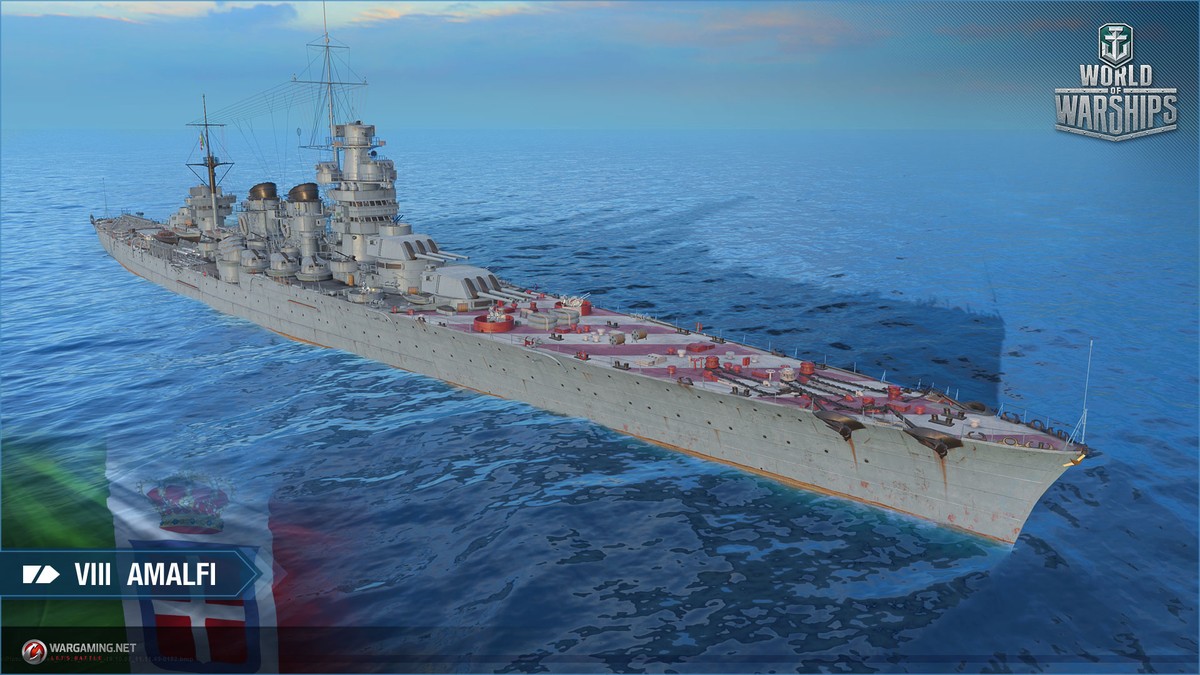
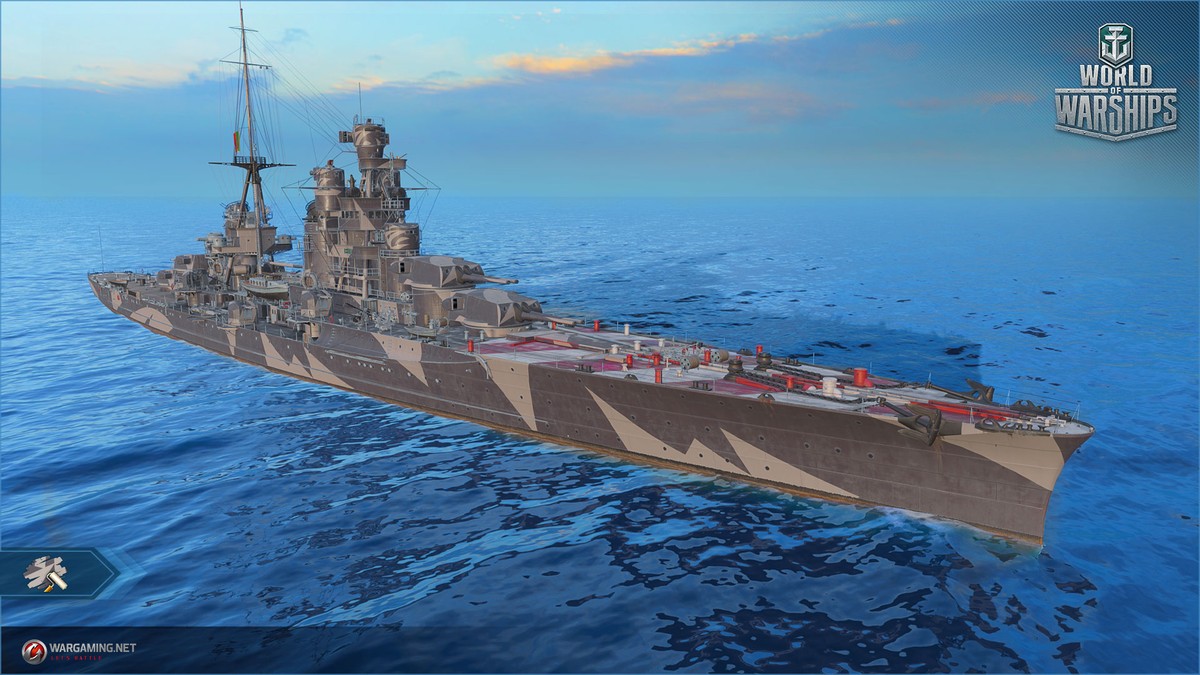
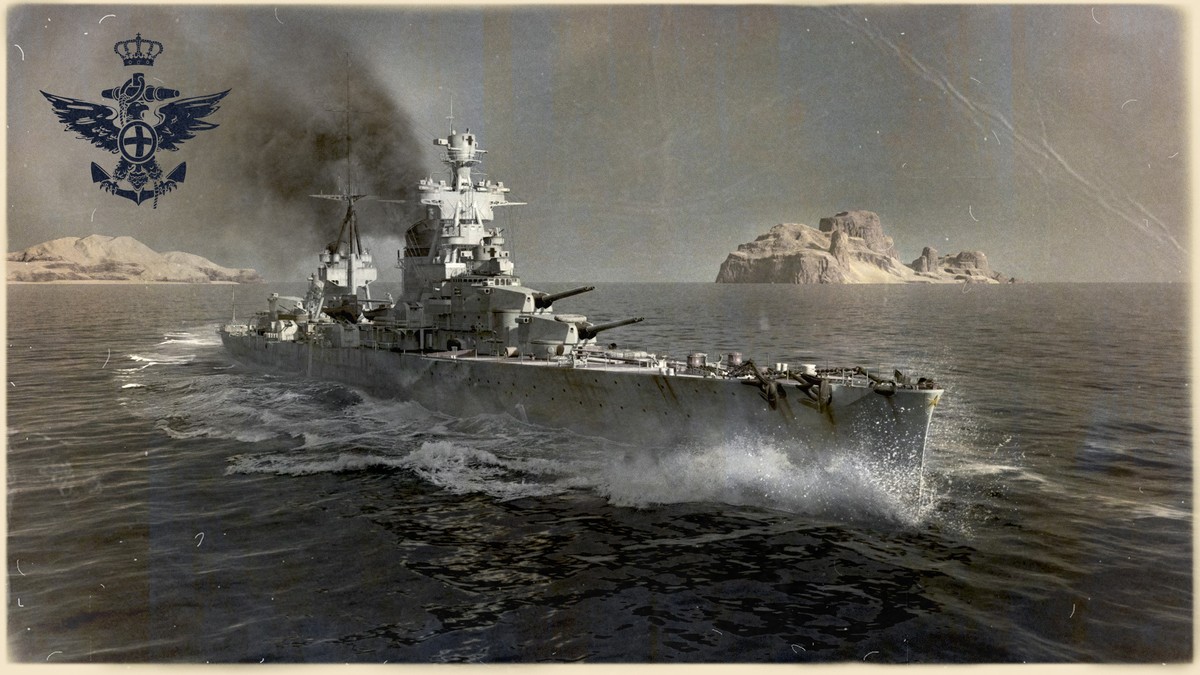
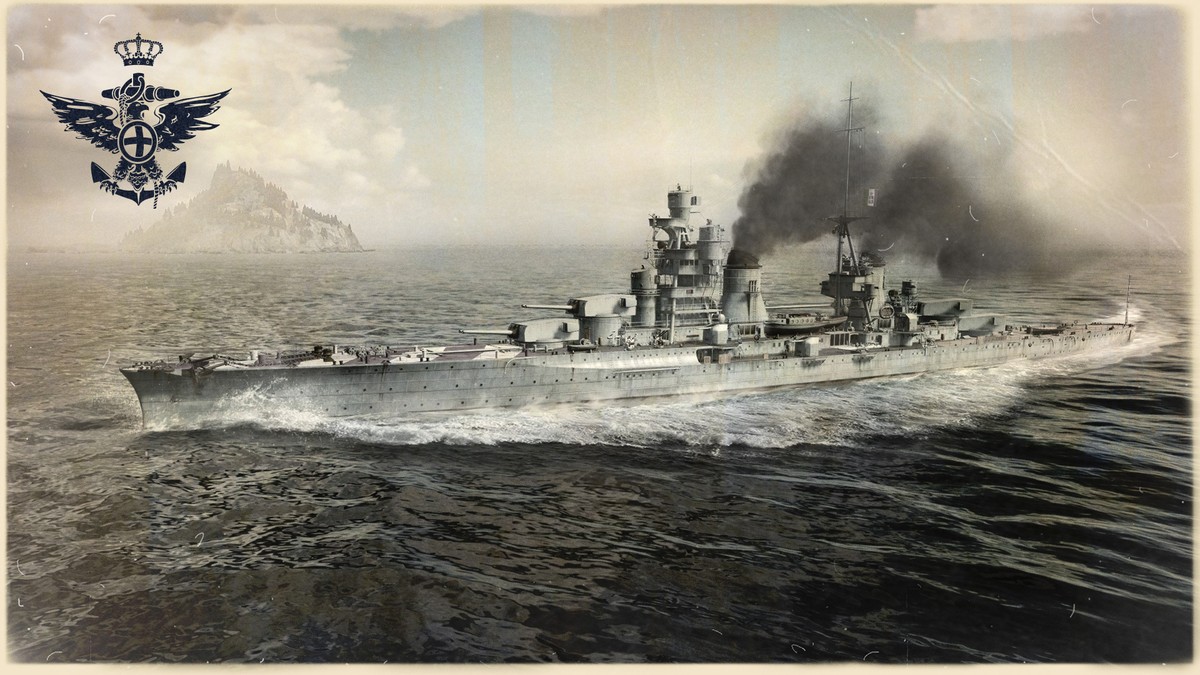
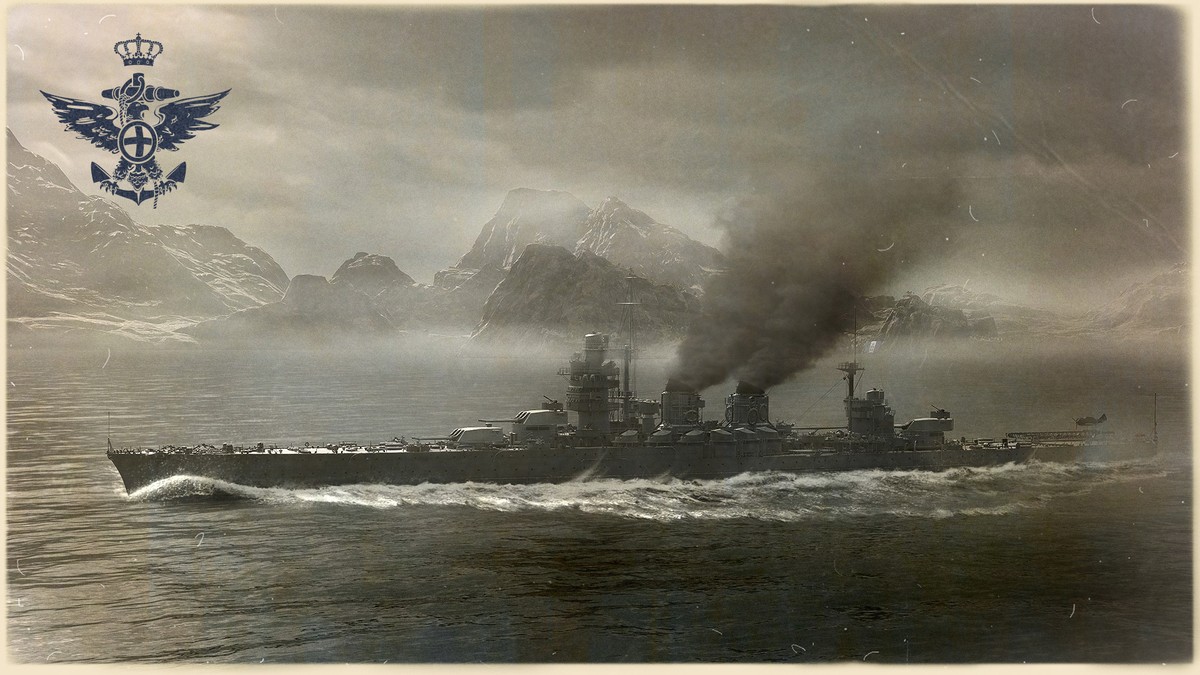
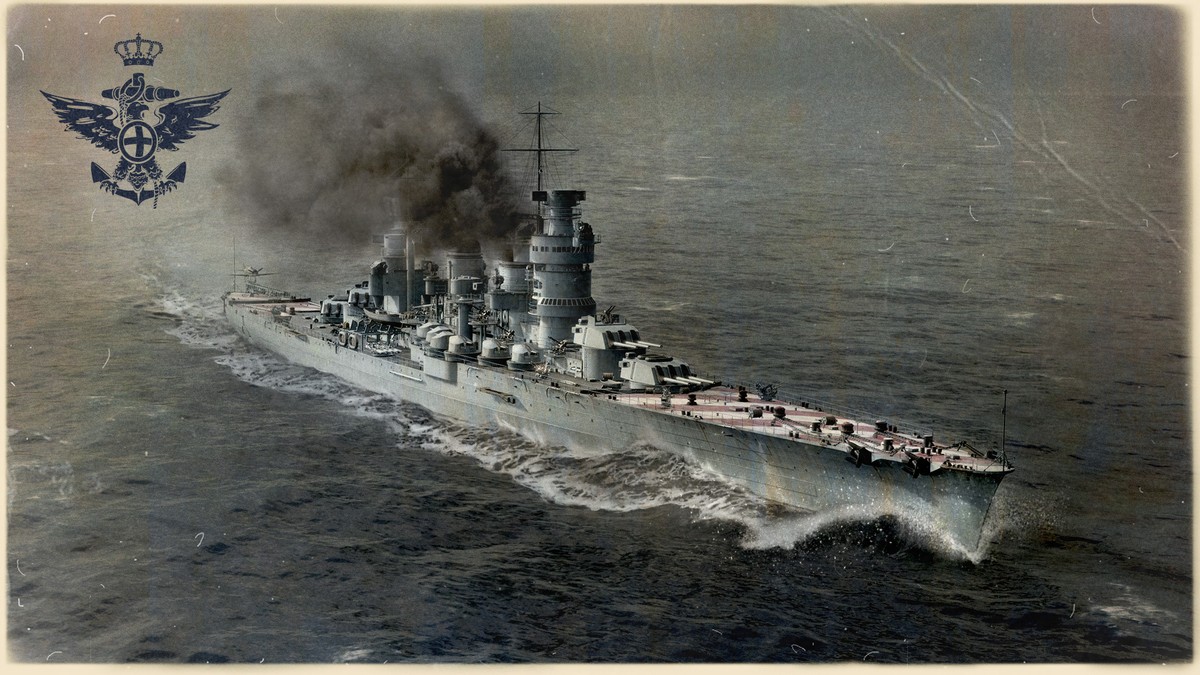
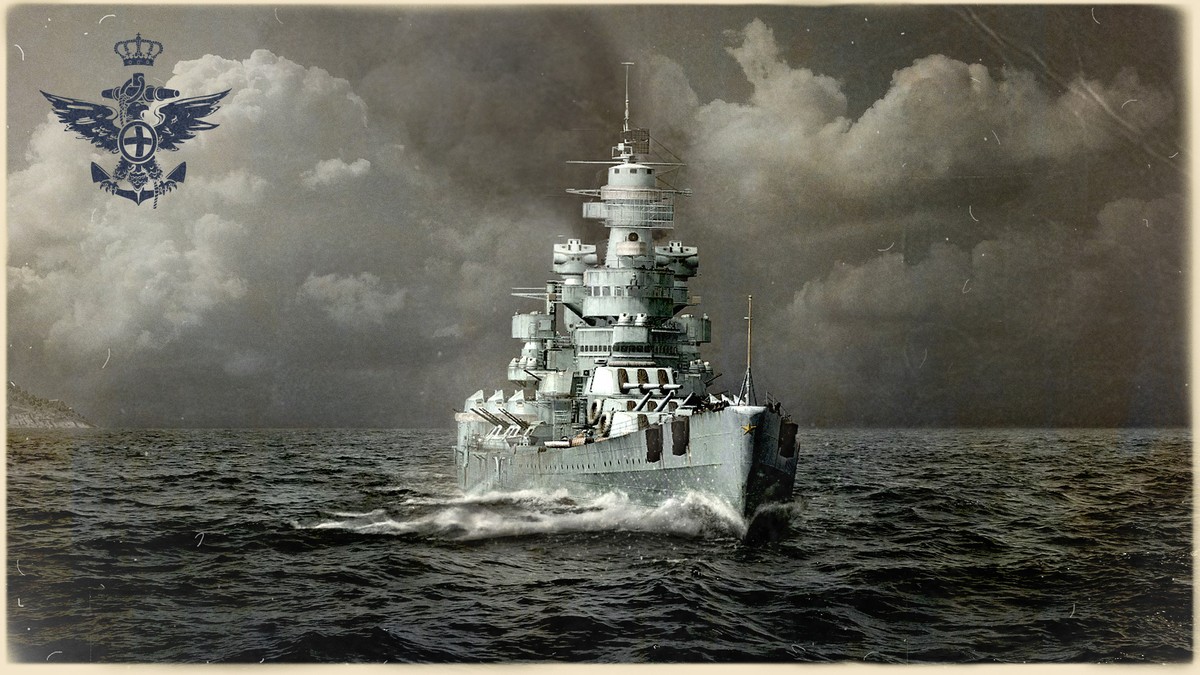
The main feature of Update 0.8.9 is the chance that it offers to be among the first to try out the researchable Italian Tier V–VIII ships. But what makes Italian cruisers so special?

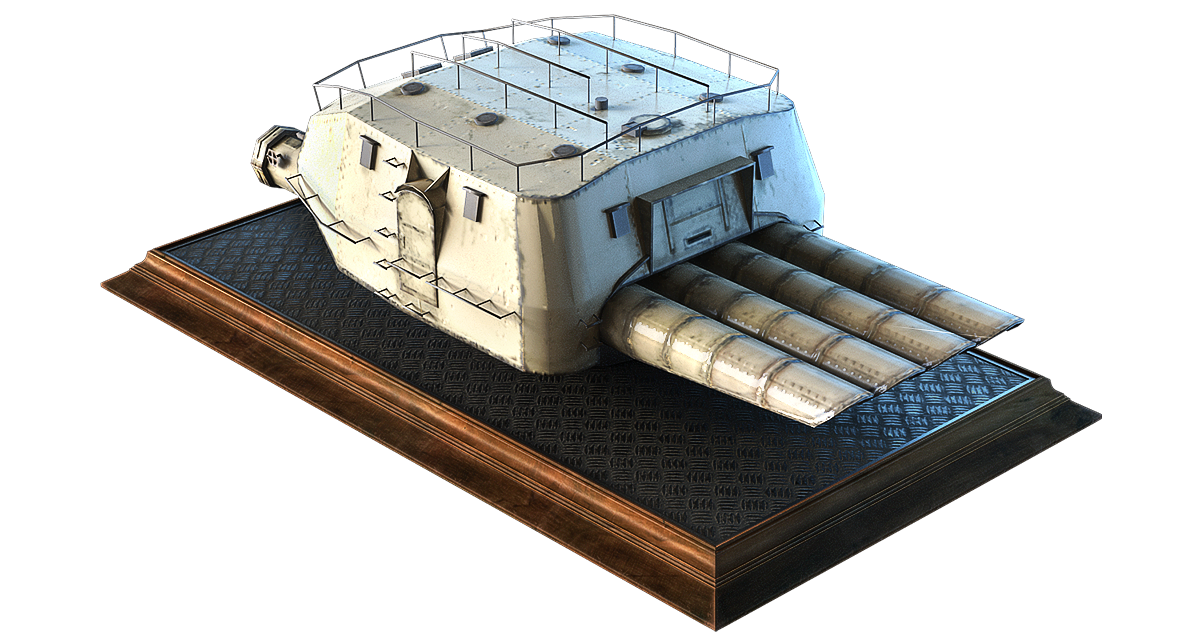
The newcomers are notable for their maneuverability and powerful 203 mm guns with heavyweight broadside salvoes on Tier VI cruisers and higher. The unique features of Italian cruisers include semi-armor-piercing (SAP) shells and the Exhaust Smoke Generator consumable.

SAP shell features
  • SAP shells may ricochet after hitting their target, but have smaller ricochet angles than AP shells
  • If your hit doesn't ricochet, the armor penetration mechanics are similar to those of HE shells
  • They can't overpenetrate targets
  • They can't start fires on enemy ships
  • They cause higher damage and can penetrate thicker armor than HE shells

SAP shells can steadily inflict large amounts of regular damage to enemy ships.

The difference between the Exhaust Smoke Generator and the standard Smoke Generator is that the former conceals a ship without her reducing the speed. This consumable works for 25–40 seconds, with smoke dissipating in 10 seconds.
    In this Update, players will be able to unlock early access to Tier V–VIII Italian cruisers.

Event Directives

The new game event tasks you with completing 42 missions across four Directives. A new Directive will open each week, and you can start progressing in the next Directive only once you've completed six missions from the previous one. To obtain the final award, you have to complete eight missions of the fourth Directive.

Missions can be completed in Random and Co-op Battles. Some missions can be completed in Clan Battles, Operations, and Twilight Battles—a temporary battle type dedicated to the celebration of Halloween. You’ll find more details in the game client.
    Please note: starting from Update 0.8.8, the opening and closing time of Directives corresponds to the beginning of each new game session day—07:00 CEST (UTC+2).

The first Directive will become available after Update 0.8.9 is released and the maintenance downtime is over. The opening dates of the second, third, and fourth Directives are October 22, October 29, and November 5, respectively.
Directives can be completed until: Tue. 12 Nov. 07:00 CEST (UTC+2)

Completing missions and Directives will bring you signals, expendable camouflage patterns, Coal, Elite Commander XP, Italian Cruisers containers, and Italian Tokens.

Hall of Fame

After completing the fourth Directive, you’ll gain access to the Hall of Fame. The Hall of Fame lets you cross swords with the best players out there. Rewards will be issued to every Commander who scores at least one point by the special rules of the Hall.
    For more details, check out the rules for rewards and crediting of Hall of Fame points, available in the game client.
Italian Tokens

You can earn Italian Tokens for:
  • Completing all the missions and Directives of the Italian Cruisers event—up to 1,790 Tokens
  • Completing Daily Missions October 17 through November 12—up to 540 Tokens
  • Completing combat missions on V Genova, V Raimondo Montecuccoli, VI Trento, VII Zara, and VIII Amalfi—100 Tokens per mission
    • To complete the mission, it's necessary to earn 15,000 base XP in Operations, Random, Clan, or Co-op Battles
Combat missions can be completed until: Thu. 14 Nov. 07:00 CEST (UTC+2)
    In total, you can earn 2,830 Italian Tokens throughout the Update. After the release of Update 0.8.10, they can be obtained only from Italian Cruisers Premium containers. With the release of Update 0.8.11, all Italian Tokens will be converted to credits at a rate of 1 : 4,500.
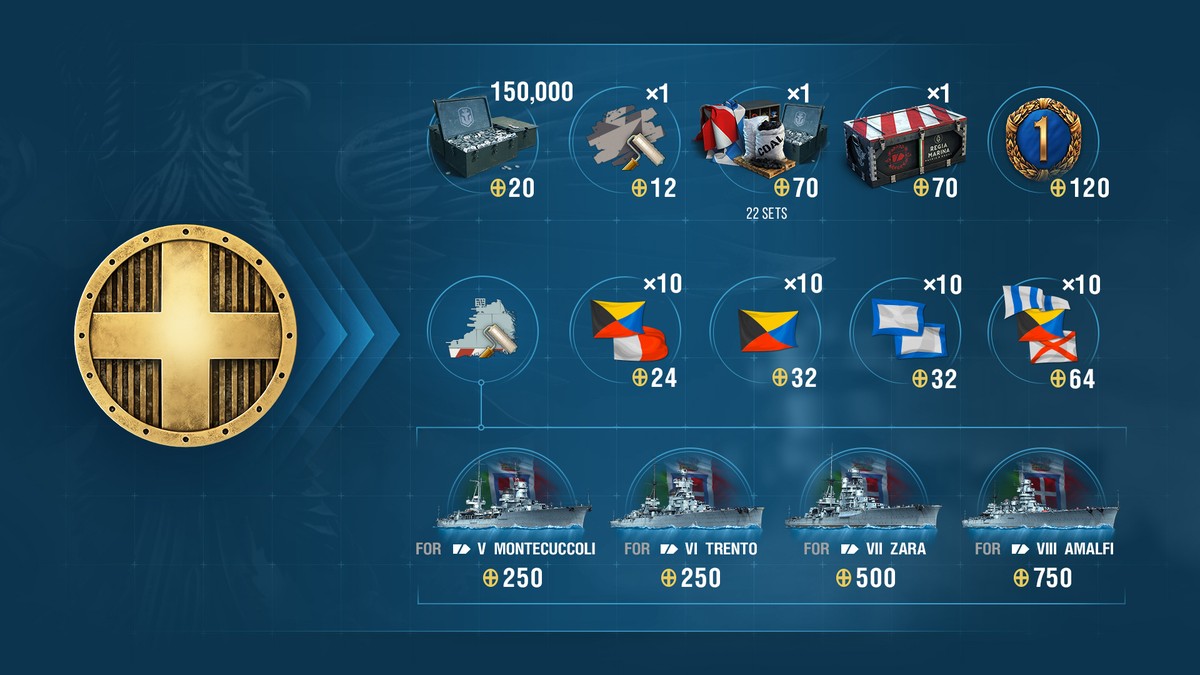
Italian Tokens can be exchanged in the Armory for:
  • Regia Marina expendable camouflage pattern
  • Credits
  • Days of Warships Premium Account
  • Signals
  • Italian Cruisers containers
  • Grigio-azzurro chiaro permanent camos for ships Raimondo Montecuccoli, Trento, Zara, and Amalfi. The camo is painted in shades of light blue and gray—the standard coloring for the Italian Royal Navy ships of the initial period of World War 2
  • Random Patria e Onore bundles


Camouflage Regia Marina
  • Detectability range by sea: −3%
  • Dispersion of shells fired by the enemy attacking your ship: +4%
  • XP per battle: +100%
  • Commander XP: +50%
  • Free XP: +100%


Random bundles

The Italian Cruisers section of the Armory will offer random bundles at the price of 70 Italian Tokens each.
  • All the rewards are visible in advance: the bundles’ contents and their amounts are displayed when viewing the currently available bundle
  • After each exchange, you’ll be able to see the contents of a new random bundle out of 22 available
  • Having collected all 22 bundles, you're guaranteed to have obtained all the available rewards, including Italian cruiser V Genova


List of bundles
Contents
Number of bundles
1
V Genova, a Port slot, and Commander with 3 skill points
1
2
3x Dragon signals, 3x Hydra signals, and 3x Regia Marina expendable camos
2
3
3x Wyvern signals, 3x Basilisk signals, and 3x Regia Marina expendable camos
2
4
3x Red Dragon signals, 3x Scylla signals, and 3x Regia Marina expendable camos
2
5
3x Ouroboros signals, 3x Leviathan signals, and 3x Regia Marina expendable camos
2
6
3x Regia Marina expendable camos, 250,000 credits, 1,000 Coal
4
7
250,000 credits, 2,000 Coal
5
8
10x Equal Speed Charlie London signals, 10x Zulu signals, 10x Papa Papa signals, and 10x Zulu Hotel signals
4
    If you obtain V Genova from a random bundle and already have this ship in your Port, you'll get a Commander, Port slot, and compensation for the ship in the form of doubloons.
Event containers

Daily Shipments and the event’s Directives will bring you Italian Cruisers containers.
An Italian Cruisers container drops:
  • 1x Regia Marina camouflage pattern
  • One of the following: 1x special signal (Dragon, Hydra, Ouroboros, or Red Dragon), 100x doubloons, or 1x Type 59 camo
  • One of the following: 1x special signal (Dragon, Scylla, Leviathan, or Basilisk) or 500x Free XP
  • A chance to get a special combat mission for one of the Italian cruisers: V Raimondo Montecuccoli, VI Trento, VII Zara, or VIII Amalfi
An Italian Cruisers Premium container drops:
  • 50x Italian Tokens
  • One of the following: 10x special signals or 150x doubloons
  • One of the following: 7x Regia Marina camos or 7x Type 59 camos
  • A chance to get a special combat mission for one of the Italian cruisers: V Raimondo Montecuccoli, VI Trento, VII Zara, or VIII Amalfi
    The chances of getting a combat mission from Italian Cruisers Premium containers is higher than from standard containers.
Combat missions and containers
  • The mission for any particular ship can be dropped only once
  • To complete the mission, you'll need to earn 10,000 to 16,000 base XP playing Tier V–X ships in Operations, Random, Clan, Ranked, or Co-op Battles
  • Combat missions can be completed until December 31
  • All ships come with a Port slot and Commander with 3 skill points
  • In Update 0.8.9, you won’t be able to research the next ship in the Italian cruiser branch


Daily Shipments
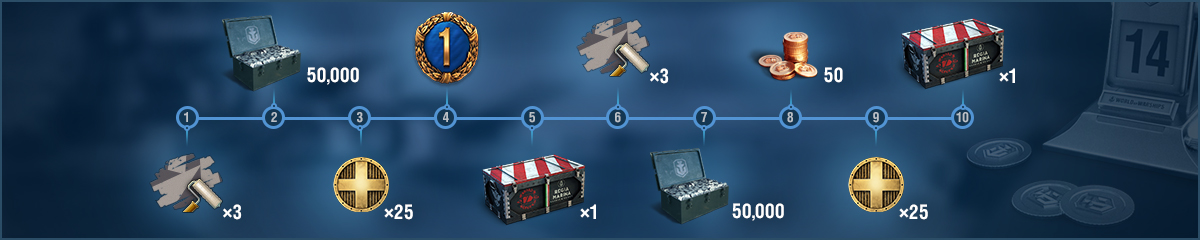
During Update 0.8.9, if you log in to the game during the period from October 17 through October 31, you can get the following rewards via the Daily Shipments section.

You can get a total of 10 rewards, while the shipments are available for 14 days. This means that after you enter the game for the first time, you'll have 14 days to obtain 10 rewards—one per day. Thus, you can skip four days out of two weeks and still claim all the valuable rewards.

Rewards
  • 3x Regia Marina camouflage patterns
  • 50,000 credits
  • 25 Italian Tokens
  • 1 day of Warships Premium Account
  • 1x Italian Cruisers container
  • 3x Regia Marina camouflage patterns
  • 50,000 credits
  • 50 doubloons
  • 25x Italian Tokens
  • 1x Italian Cruisers container
Be among the first to try out Italian cruisers!

ːcozywowsshipː Join Steam group chat
ːwowsheheː Recruiting Station
ːwowsyesː Recommend the game

Italian Cruisers: the Ships’ History

Read this article to learn the history of the original ships. We hope you'll find this information interesting, our aim is to provide you with a detailed overview of every cruiser in the new branch!
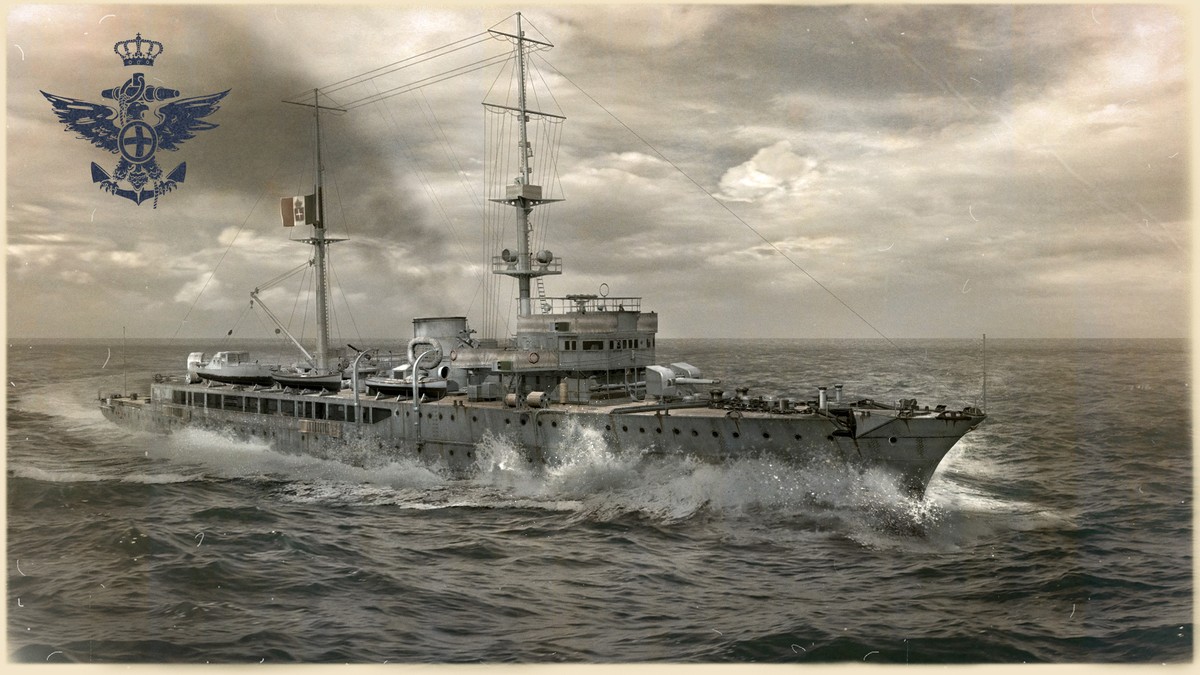
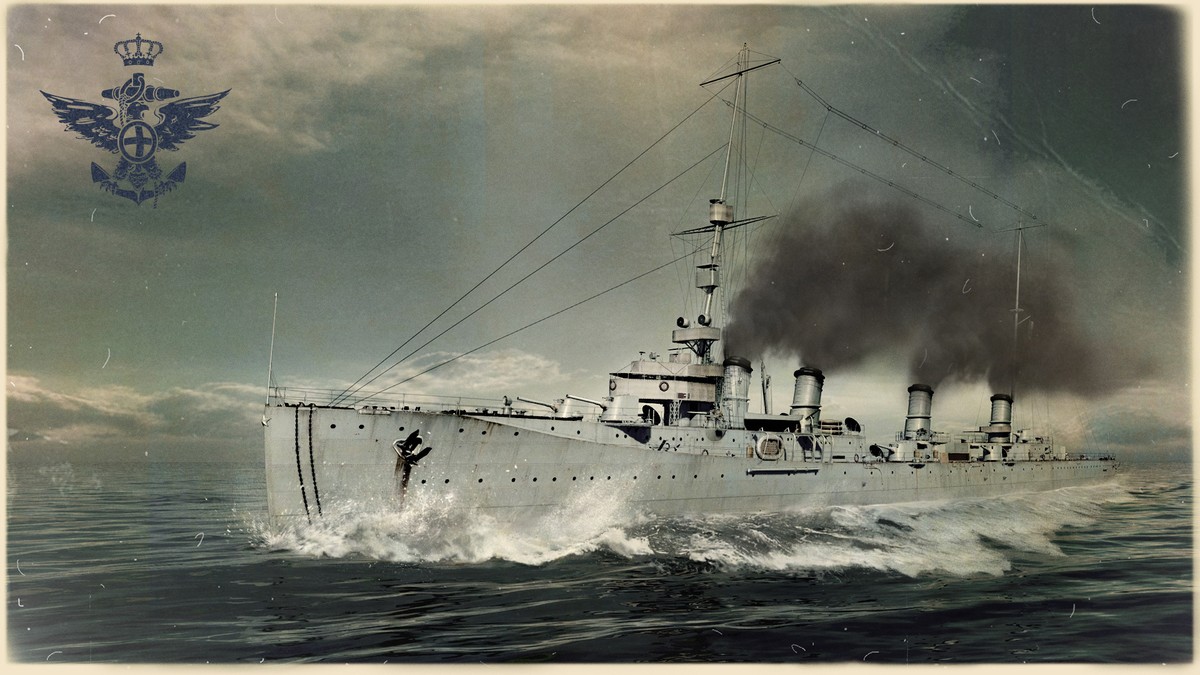
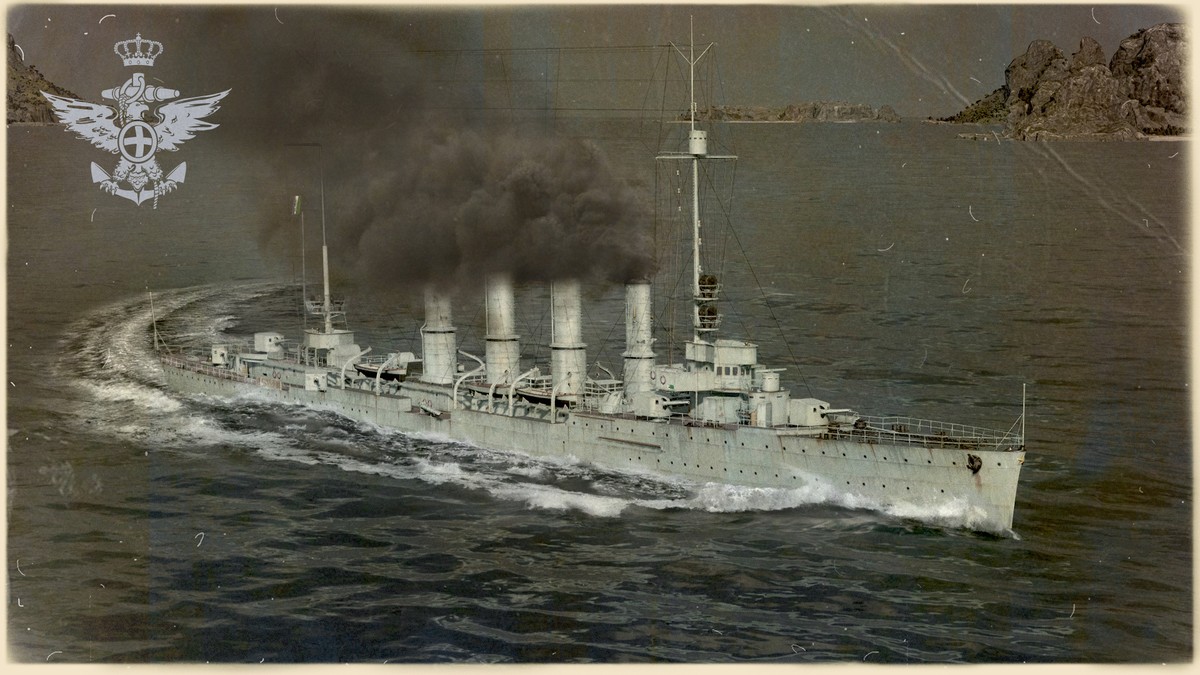
Let's take a closer look at the newcomers!

Tier I Eritrea ● Tier II Nino Bixio ● Tier III Taranto ● Tier IV Alberto di Giussano ● Tier V Raimondo Montecuccoli ● Tier VI Trento ● Tier VII Zara ● Tier VIII Amalfi ● Tier IX Brindisi ● Tier X Venezia


Tier I Eritrea


Sloop Eritrea was developed by the Ansaldo company between 1932–1934 to serve in the Italian African colonies. By her concept she was close to the French aviso Bougainville, that had been commissioned shortly prior to her. To increase her operational range, engineers installed 650-horsepower Marelli electric engines, similar to those used on Balilla-class submarines, in addition to two FIAT diesel engines. The ship's equipment also included a hospital, workshop, and generator rooms for servicing two submarines, as the sloop was able to serve as a base for them. She also carried minesweeping equipment.

Eritrea was laid down on July 15, 1935; launched on September 20, 1936; and commissioned on June 28, 1937. Right after her commissioning, the ship sailed on various missions during the Spanish Civil War. At the end of the 1930s, she served as a flagship for the Italian forces in the Red Sea. At the beginning of 1941, due to the threat of an Allied invasion of Ethiopia, Eritrea sailed to Japan, camouflaged as a ship from a neutral country. In Japan, the sloop served as a support ship for Italian submarines, transporting special cargo between France and Japan. After Italy capitulated in September 1943, the ship was transferred to Colombo, where she was used by the Allies for training purposes. In October 1944, Eritrea returned to Italy, and in 1948 she was given to France as part of the reparations. In 1950, the sloop, renamed Francis Garnier, joined the French Navy. She served in Indochina as an escort ship, before being transferred to the Pacific Ocean. In 1966, ex-Eritrea was decomissioned and sent to the reserve at Papeete; in October of the same year, she was sunk to be used as a practice target.

Between 1939–1940, the Royal Italian Navy planned to build the second ship of this class, but the outbreak of World War II interfered with these plans.

Tier II Nino Bixio


At the beginning of the 20th century, the idea of a fast reconnaissance cruiser acting together with a fleet was popular within the naval commands of many countries. The armored-deck cruiser Quarto, built between 1909–1913, became the first ship of this type (called "esploratore" in Italian) in the Royal Italian Navy. She was the first in the Royal Italian Navy to receive Parsons steam turbines. This feature allowed her to reach speeds of up to 28 knots. Two cruisers of the Nino Bixio class built between 1911–1914 became the development of that class. They were larger than their predecessor and were distinguished by a more convenient artillery layout.

Nino Bixio was laid down at the Castellammare di Stabia shipyard on February 15, 1911; launched on December 30, 1911; and commissioned on May 5, 1914. During World War I, the cruiser, together with her sister ship Marsala, served in the fleet based at Brindisi, fighting off the raids of Austro-Hungarian ships and defending the Entente's transports that were supplying the Serbian army. After the war, both ships served in the Navy until the end of the 1920s, when they were sold for scrap, because of their highly depreciated power plants and the necessity to reduce the naval budget.

Tier III Taranto


As a result of World War I, the majority of surviving ships from the defeated countries—Germany and Austria-Hungary—were divided between the victorious countries. German cruiser SMS Strassburg was turned over to the Royal Italian Navy in July 1920.

SMS Strassburg was laid down in April 1910 at the Imperial shipyards in Wilhelmshaven; launched on August 24, 1911; and commissioned on October 9, 1912. Having completed a voyage to South America, the cruiser joined the reconnaissance forces of the High Seas Fleet. During World War I, the ship took part in the Battle of Heligoland Bight, raid on Scarborough, and Battle of Moon Sound. After the war, Strassburg was turned over to Italy and renamed Taranto. During her refit at the beginning of the 1920s, the cruiser received a floating reconnaissance plane and new anti-aircraft guns. The interwar period saw Taranto serve in the Mediterranean. Between 1936–1937 she was re-equipped for colonial service: two boilers were removed, resulting in a drop of her maximum speed to 21 knots. In World War II, the cruiser saw limited use in minelaying and patrol service. In September 1943, after Italy and the Allies had signed a peace treaty, Taranto was scuttled at La Spezia to prevent her from falling into German hands. Between 1943–1944, the Germans made two attempts to salvage the ship in order to restore her, but both times the former cruiser was sunk by British bombers. After the war, the ship's hull was scrapped.

Tier IV Alberto di Giussano


After World War I, the Royal Italian Navy's cruiser forces were in quite a deplorable state. Their core was made up of three scout cruisers (esploratori) from the Quatro and Nino Bixio classes, armed with 120 mm artillery, as well as two Austro-Hungarian cruisers (with 100 mm main batteries) and three German cruisers (with 152 mm main batteries) received as reparations. These spoils were heavily worn-out from their service in the war, and were in a deplorable technical state. That's why, when France—the main potential adversary of Italy in the Meditarrenean—laid down three modern light cruisers of the Duguay-Trouin class between 1922–1923, and began the construction of 12 contre-torpillieur of the Jaguar class, the Italians had to come up with an adequate response. As a result, the construction of four large modern esploratore commenced in 1928 (later, they were re-classified as light cruisers). All the ships were named after Italian condottieres from the Middle Ages, which is why the series itself was named Condottieri. The ships were commissioned between 1931–1932. They were almost unarmored—their outstanding speed of 37 knots was intended to be their best defense. Their powerful armament, including four twin mounts with 152 mm guns, would have allowed them to easily oppose French cruisers and destroyers. All four cruisers were lost in World War II.

Alberto di Giussano was the first to be laid down on March 29, 1928, at the Ansaldo shipyards in Genoa. She was launched on April 27, 1930, and commissioned on February 5, 1931. Before World War II, she served in the Mediterranean and participated in the Spanish Civil War supporting the Francoists. At the beginning of the war, she took part in the Battle of Punta Stilo, then she was engaged in minelaying and convoy escorting. Between December 11–13, 1941, the cruiser and her sister ship Alberico da Barbiano were transporting a cargo of gasoline to North Africa. On the night of December 13, the Italian ships were intercepted by British destroyers. A short but fierce battle broke out in which both Italian cruisers were sunk by artillery and torpedo fire.

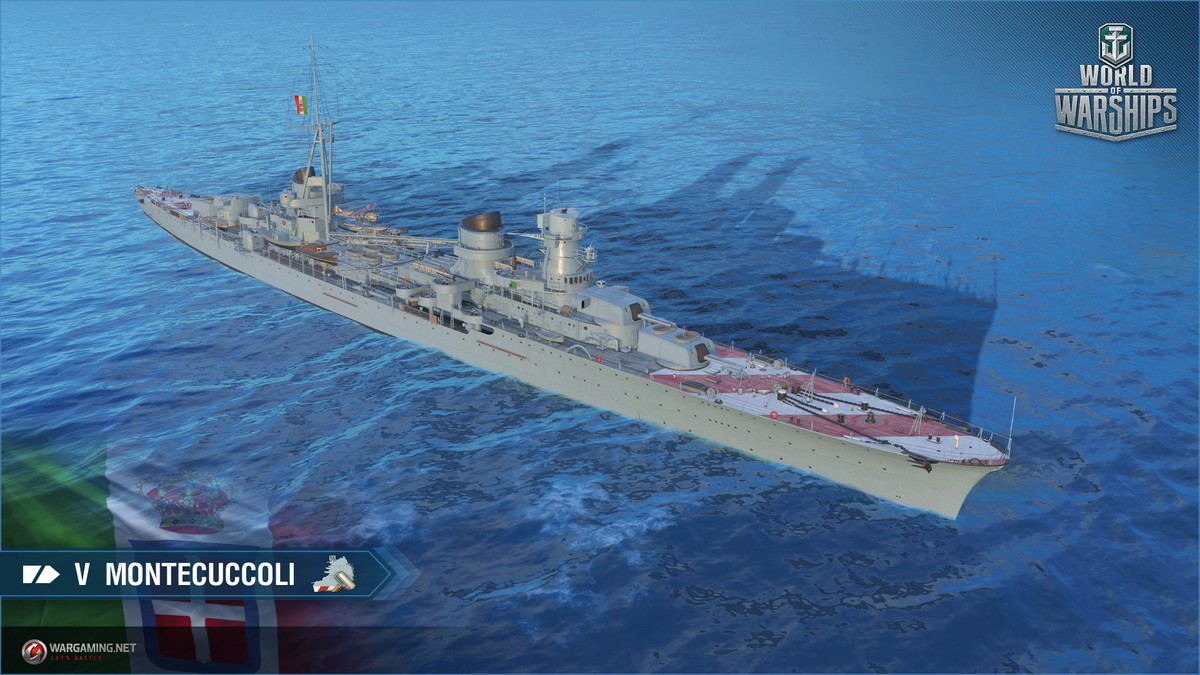
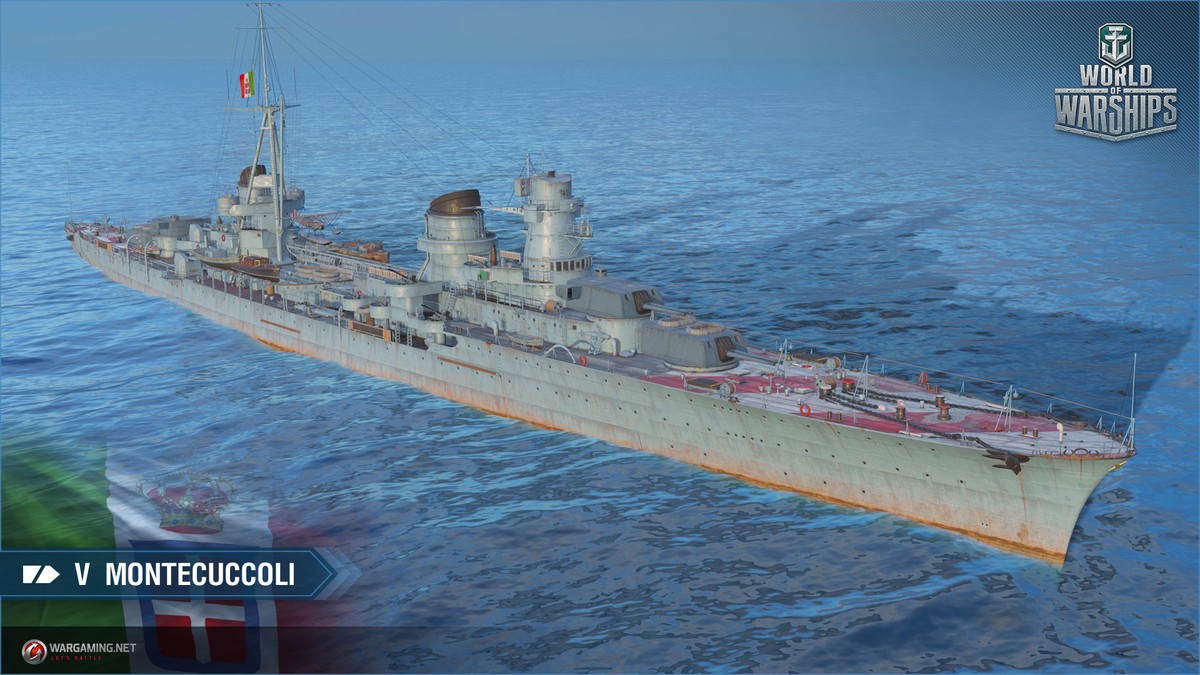
Tier V Raimondo Montecuccoli


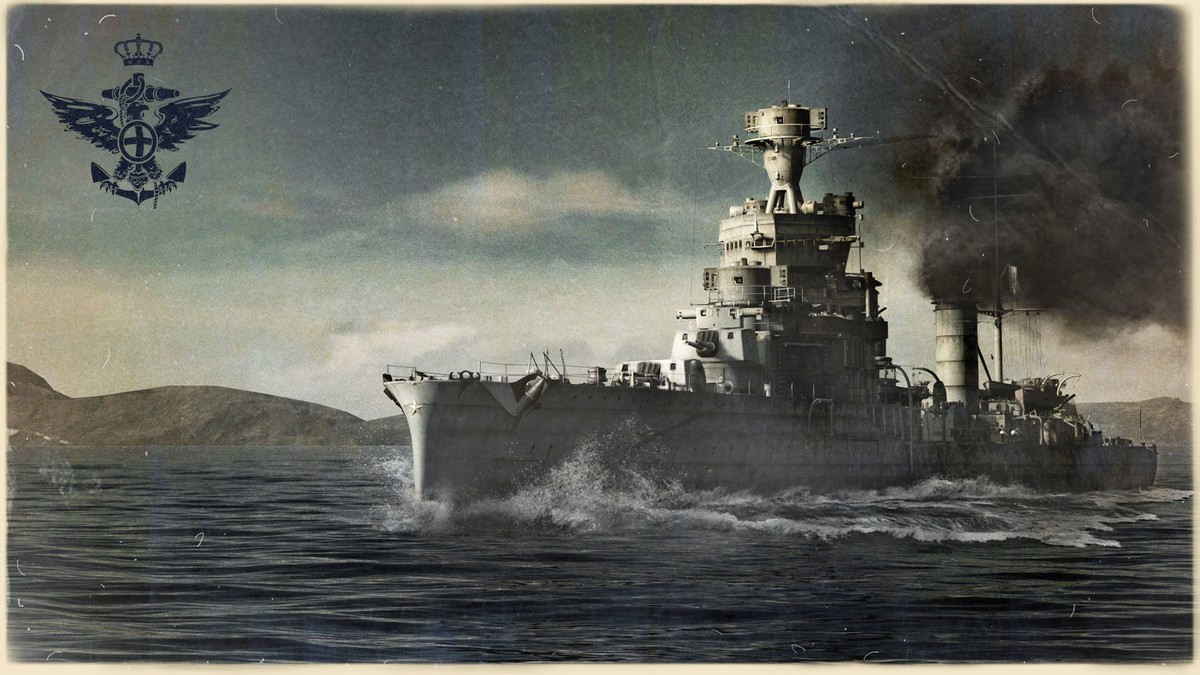
Having built four Giussano-class cruisers, the Royal Italian Navy ordered two more ships with a slightly improved design that guaranteed better seaworthiness (Condottieri B or Cadorna-class). However, their armor remained absolutely inadequate, and any potential battles against the latest French heavy cruisers would have brought deplorable results. That's why the program of 1930–1931 provided for the construction of two light cruisers with considerably reinforced armor, while preserving the maximum speed. This led to an increase in the displacement and dimensions of the new ships. The weight of their armor grew more than twofold—from 575 to 1,350 tons. Two cruisers of the new Condottieri C class were laid down in 1931–1933 at shipyards in Genoa and Trieste, and were commissioned in 1935.

Raimondo Montecuccoli was laid down at the Ansaldo shipyards in Genoa on October 1, 1931; launched on August 2, 1934; and commissioned on June 30, 1935. In the interwar period, the ship took part in the Spanish Civil War as a station ship and escorted the Italian expeditionary corps. Between 1937–1938, the cruiser participated in a voyage to the Far East and the Pacific Ocean. At the beginning of World War II, Montecuccoli was engaged in the Battle of Punta Stilo, performing minelaying and escort duties. On June 15, 1942, the ship took part in the Battle of Pantelleria island. The cruiser mostly spent the end of 1942 and the entirety of 1943 at Italian naval bases, due to fuel shortages and Allied air supremacy. After Italy capitulated in September 1943, Montecuccoli, together with the entire fleet, sailed to Malta under constant assault by German aviation on their journey. Throughout the remainder of the war, the cruiser served as a fast transport. After the war, the ship remained in the Royal Italian Navy and between 1950–1964, she was used for training. On May 31, 1964, Raimondo Montecuccoli was decommissioned, and was eventually sold for scrap in 1972.

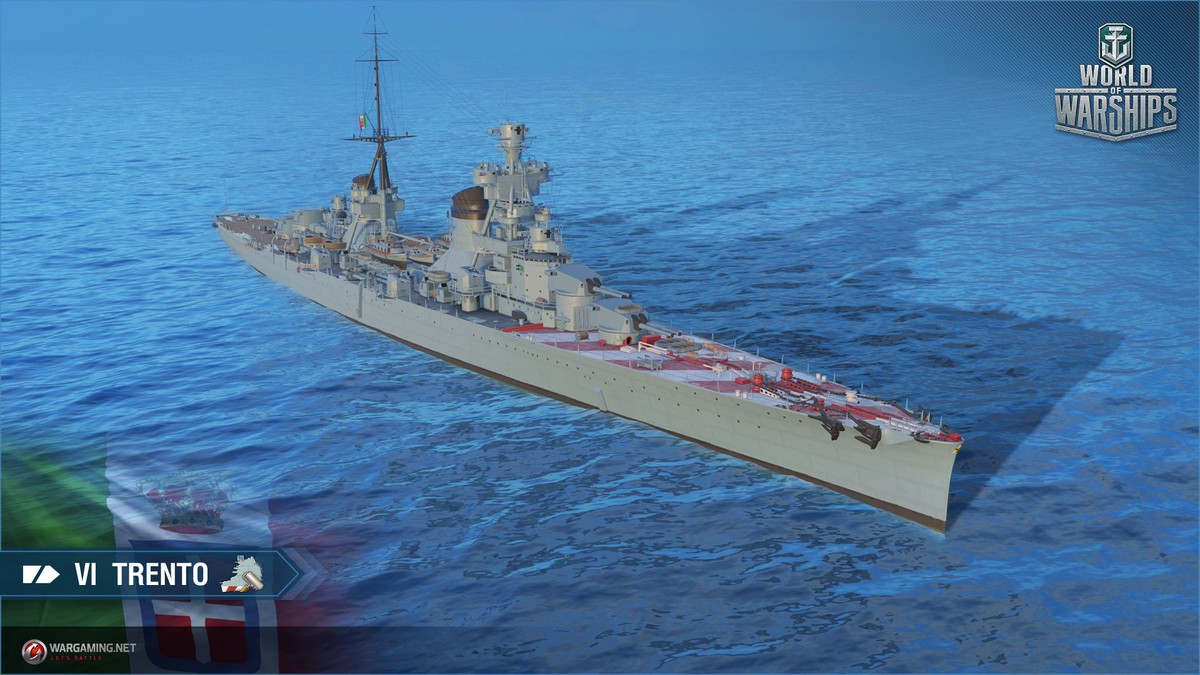
Tier VI Trento


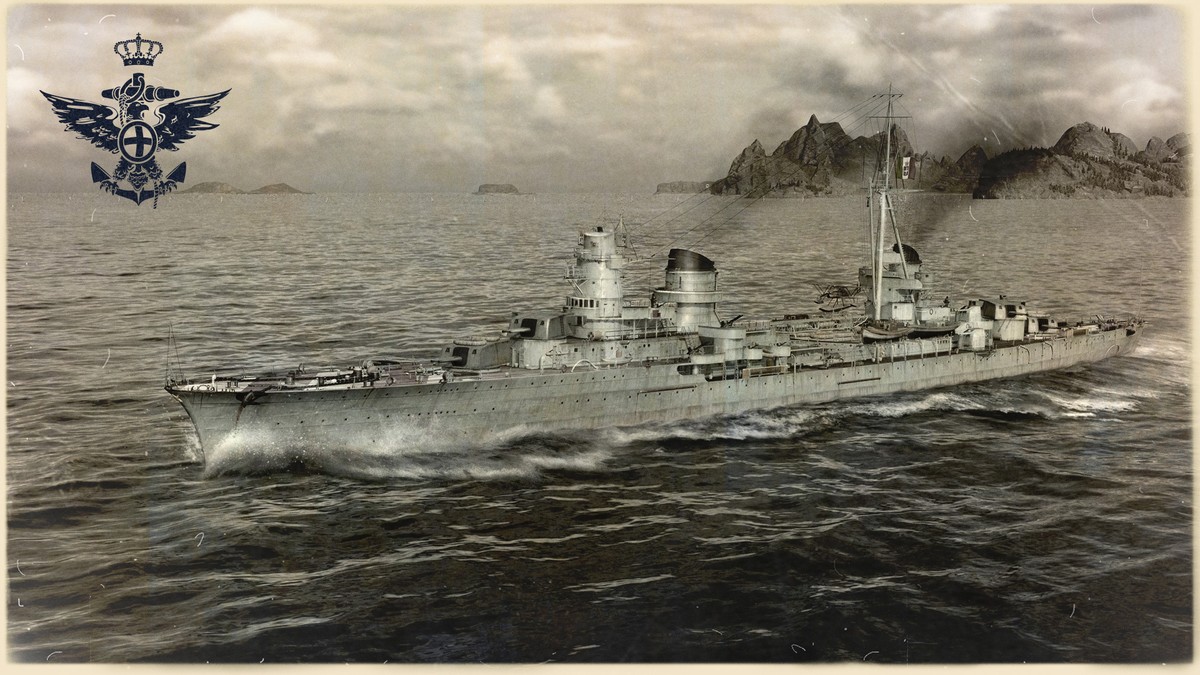
After World War I, the Italian cruiser forces, apart from scouts and obsolete armored-deck ships, consisted of four armored cruisers of the Garibaldi and Pisa classes, built at the beginning of the 20th century. These ships weren't adequate for the task at hand, because they were too slow. That's why, after the Washington Naval Treaty defined the limits for cruisers (total displacement of 10,000 tons and primary armament caliber not higher than 203 mm), Italian engineers started designing their own "Washington" cruiser. The ship was to be capable of high speeds. Armor wasn’t the priority, but nevertheless, a 70 mm-thick armored belt was implemented into the design. In 1924, the project was ready, and in 1925, two ships of the new class were laid down—Trento and Trieste. The cruisers were commissioned during the winter of 1928–1929. Both of them were lost during the course of World War II.

Trento was laid down on February 8, 1925, at the Orlando shipyard in Livorno. The cruiser was launched on October 4, 1927, and commissioned on April 3, 1929. She immediately became the flagship of the newly-formed Cruiser Division. In 1932, Trento sailed on a cruise to the Far East. At the beginning of World War II, the ship participated in the Battle of Punta Stilo as the flagship of the 3rd Division of the 2nd Squadron. On November 12, 1940, during the air raid on Taranto, the cruiser was hit by a British air bomb, which luckily didn't explode. On November 27, 1940, Trento participated in the Battle of Cape Teulada; and on March 28, 1941—in the Battle of Cape Matapan. On November 8 of that year, the cruiser was engaged in the failed defense of the Duisburg convoy. On March 22, 1942, the ship participated in the Battle of Sirt. In all these battles, Trento didn't inflict any damage to enemy ships, nor did she suffer any damage herself. On June 15, 1942, while escorting a convoy to North Africa, the cruiser was hit by a torpedo from a British aircraft and then finished off by the British submarine, P-35.

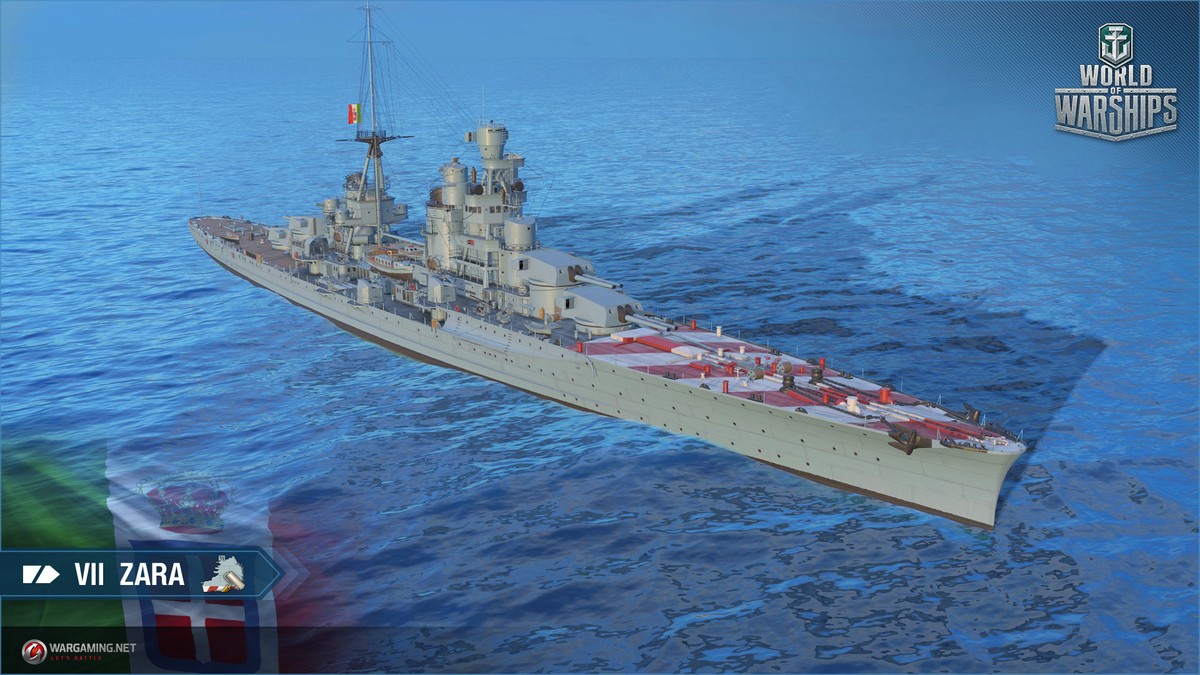
Tier VII Zara


In parallel with Italy, France was building its own "Washington" cruisers with 203 mm guns. The Royal Italian Navy required a more balanced ship to oppose them, whose protection wouldn't be sacrificed in favor of speed. The shipbuilding program of 1928–1929 provided for construction of four cruisers of the new Zara class. The new ships received a raised forecastle as opposed to the flush-deck design of Trento, which reduced their seaworthiness, but allowed for weight economy and the addition of several hundred tons of armor. Also, a new lightweight powerplant was installed, similar to that used on light cruisers of the Condottieri A and B classes. It allowed for an increase in armor belt thickness to 150 mm. The ships were laid down in early 1929–1931 and entered service between 1931–1932. All of them were lost in World War II.

Zara was laid down on July 4, 1929, at the Odero-Terni-Orlando shipyard in Muggiano, near La Spezia; launched on April 27, 1930; and commissioned October 20, 1931. In September 1932, the cruiser became the flagship of the 1st Squadron and served in this role for six years. In April 1939, Zara led the support operation for the Italian landings at the Albanian city of Durrës. On July 9, 1940, after Italy had entered World War II, the ship participated in the Battle of Punta Stilo as the 1st Division's flagship. At the end of that engagement, the cruiser was bombed by their own Air Force, but fortunately didn’t take any damage. On March 28, during the Battle of Cape Matapan, Zara and her sister ship Fiume were searching for cruiser Pola, which had been hit by a torpedo and lost propulsion. In the darkness, they stumbled on the main British forces and were fired upon at point blank range by battleships Warspite, Valiant, and Barham. The cruiser was finished off by the British destroyer HMS Jervis during the night of March 29.

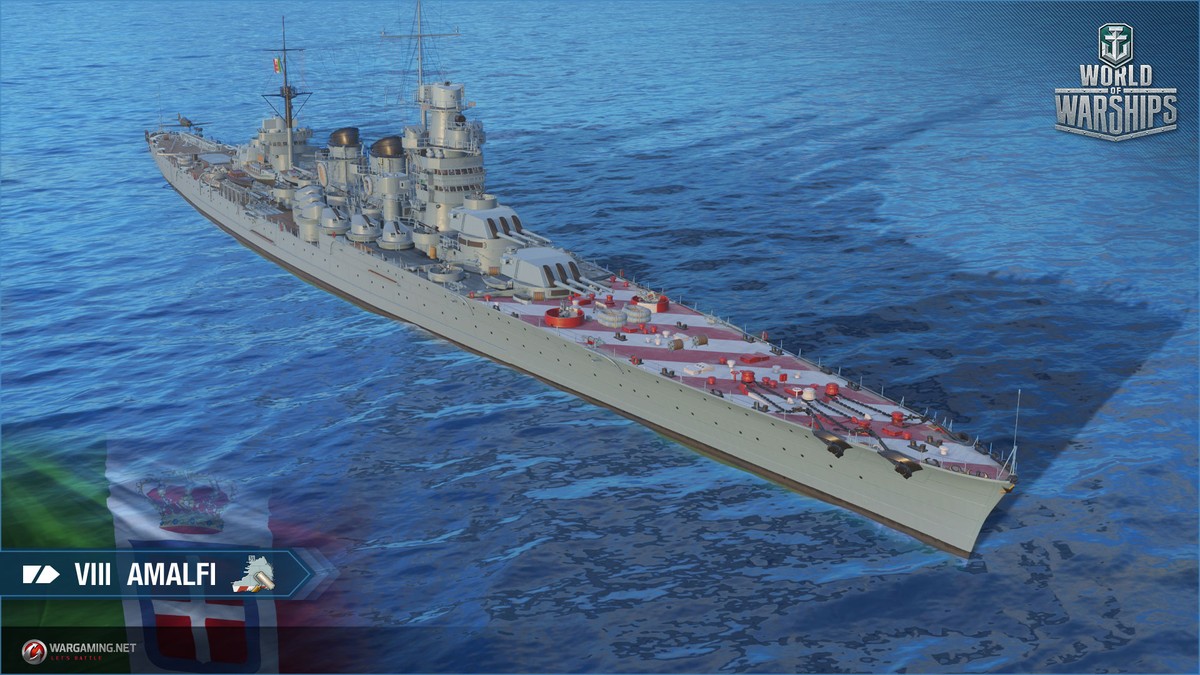
Tier VIII Amalfi


Once the civil war was over, Spain was looking for ways to reinforce its navy. Good relations with Italy allowed the Spanish to work directly with the suppliers of the Italian Royal Navy—the Ansaldo company. One of the heavy cruiser variants they proposed in March 1940 (Crucero acorazado, anteproyecto preliminar IX-203) was basically a larger version of the Zara class, but with three 203 mm triple turrets.

Tier IX Brindisi


A hypothetical further development of the heavy cruiser project for the Spanish Navy, combining the features of Anteproyecto preliminar VIII-203 (four 203 mm mounts) and Anteproyecto preliminar XII-152 (four triple artillery mounts).

Tier X Venezia


A hypothetical development of the Italian heavy cruisers which pushed towards a further increase in the number of 203 mm main battery guns.

ːcozywowsshipː Join Steam group chat
ːwowsheheː Recruiting Station
ːwowsyesː Recommend the game

Armada: Ark Royal

Welcome aboard Ark Royal, Captain!

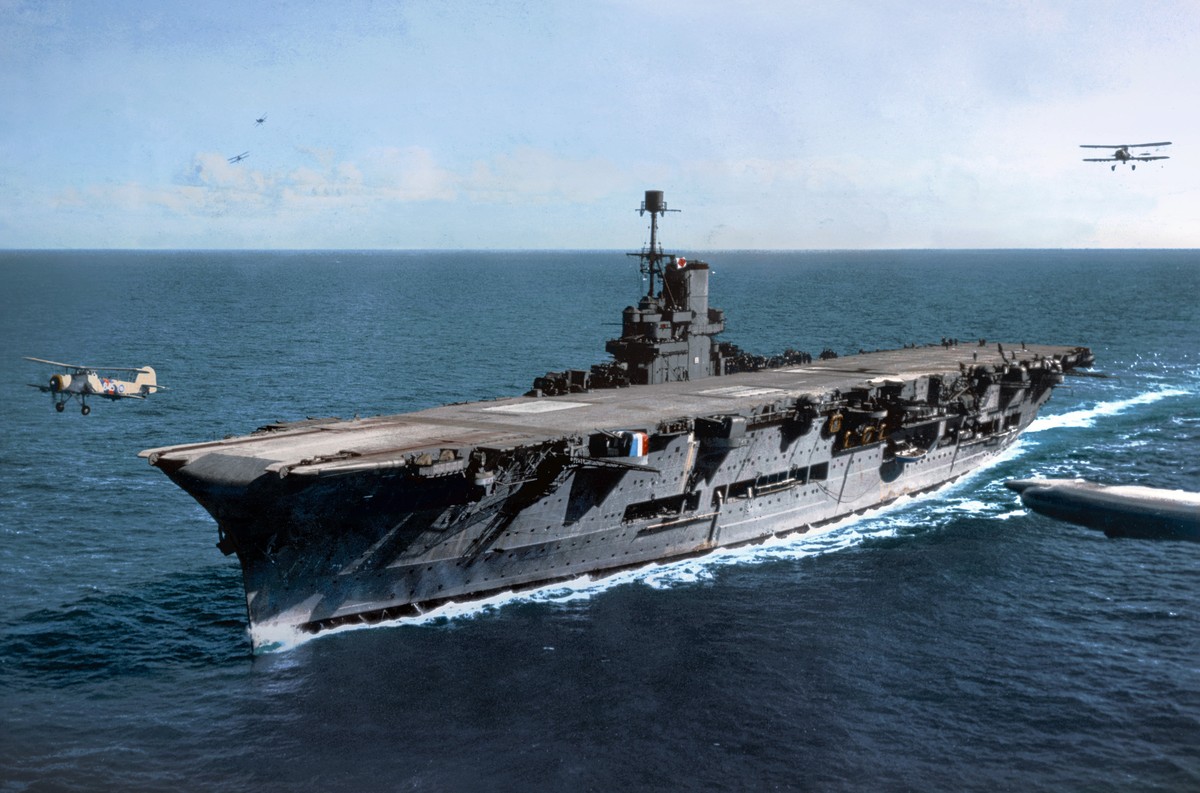
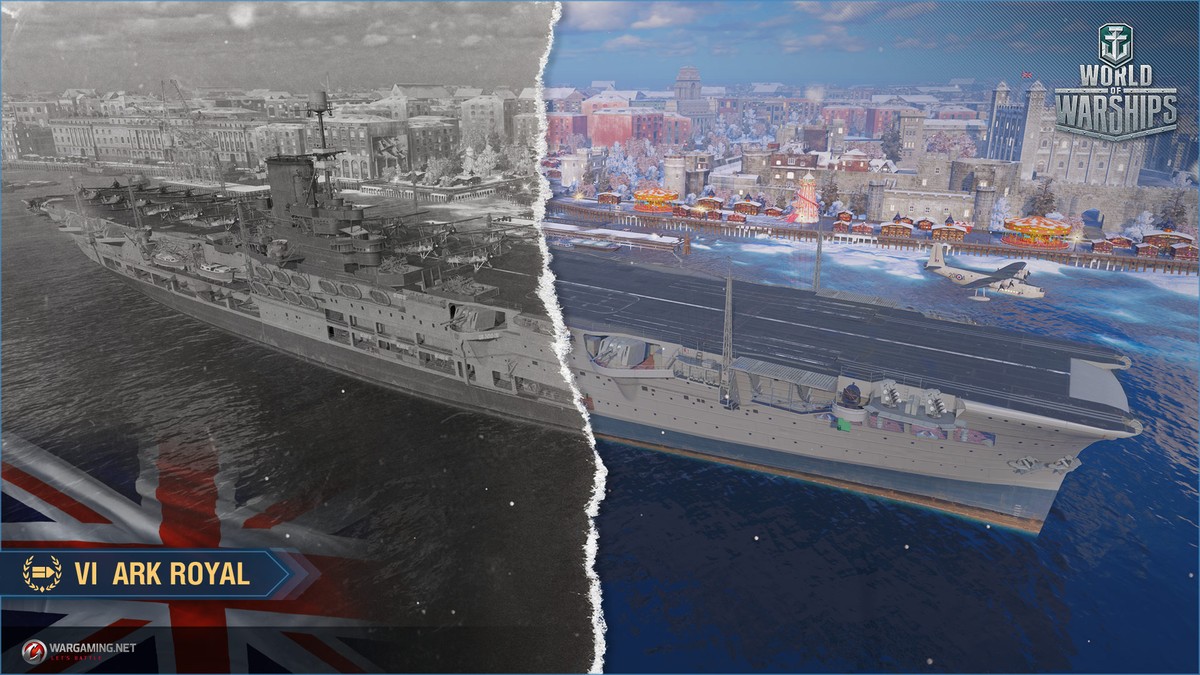
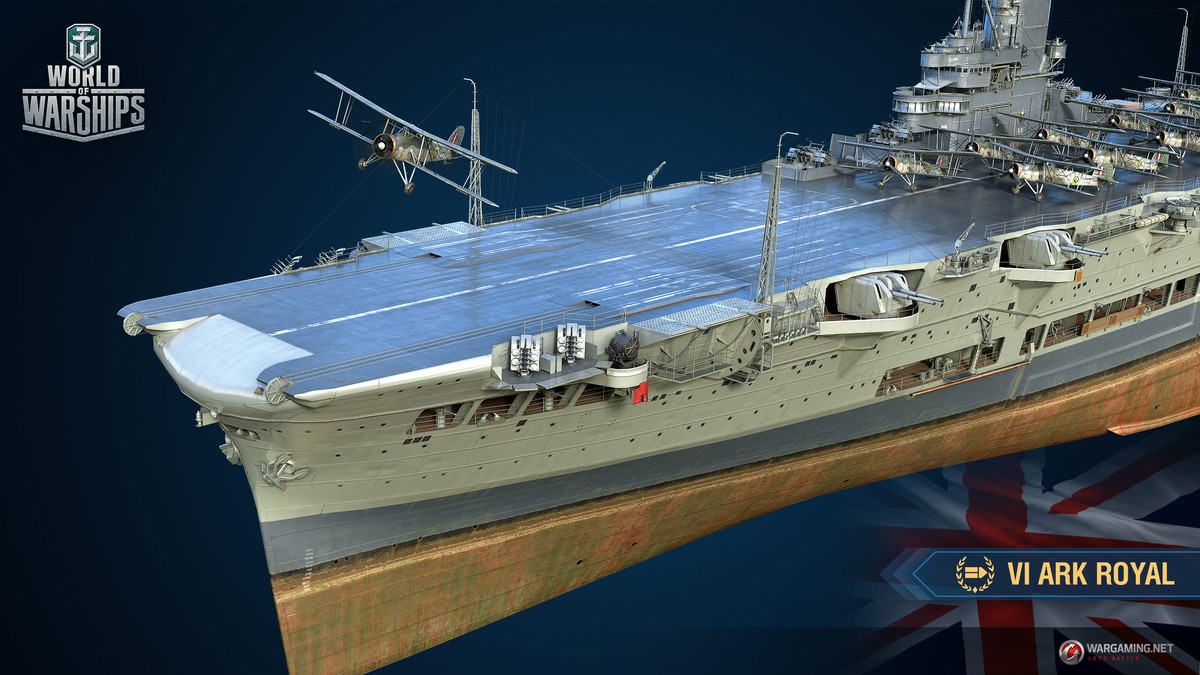
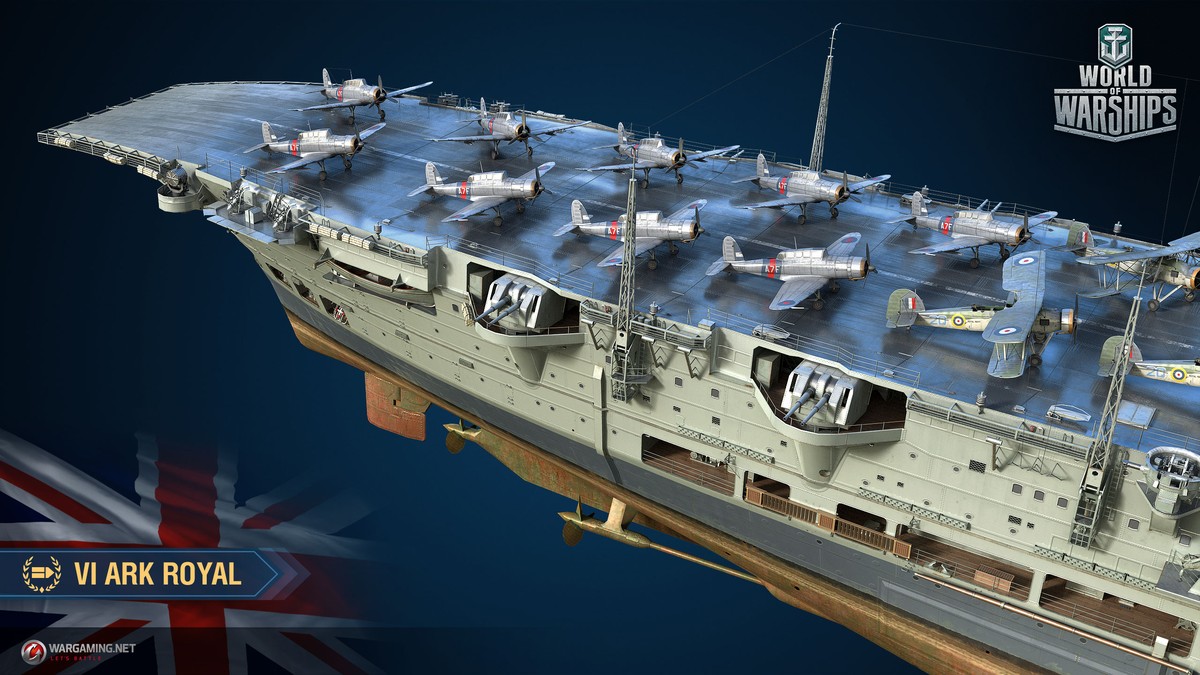
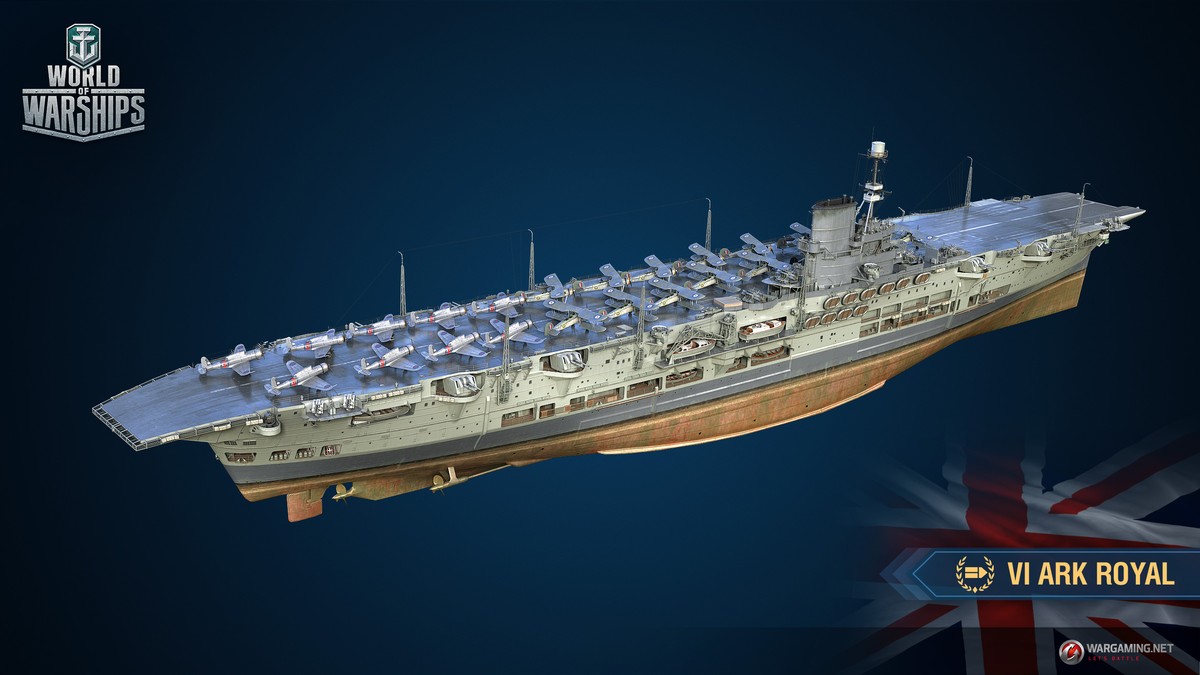
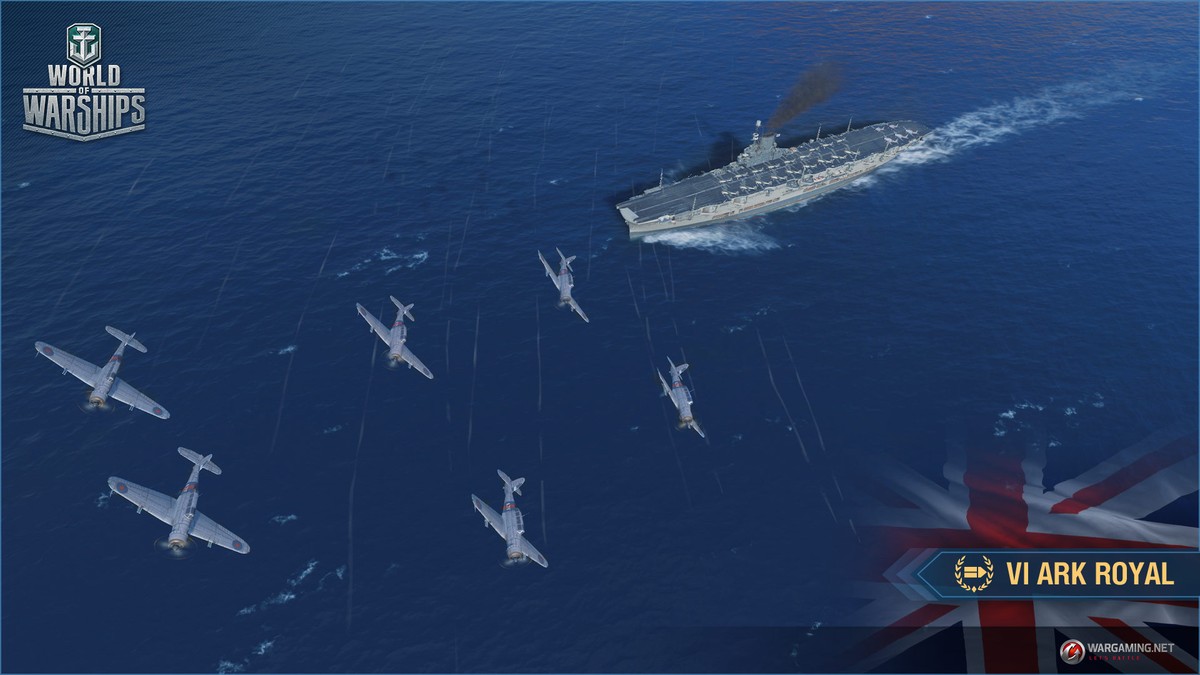
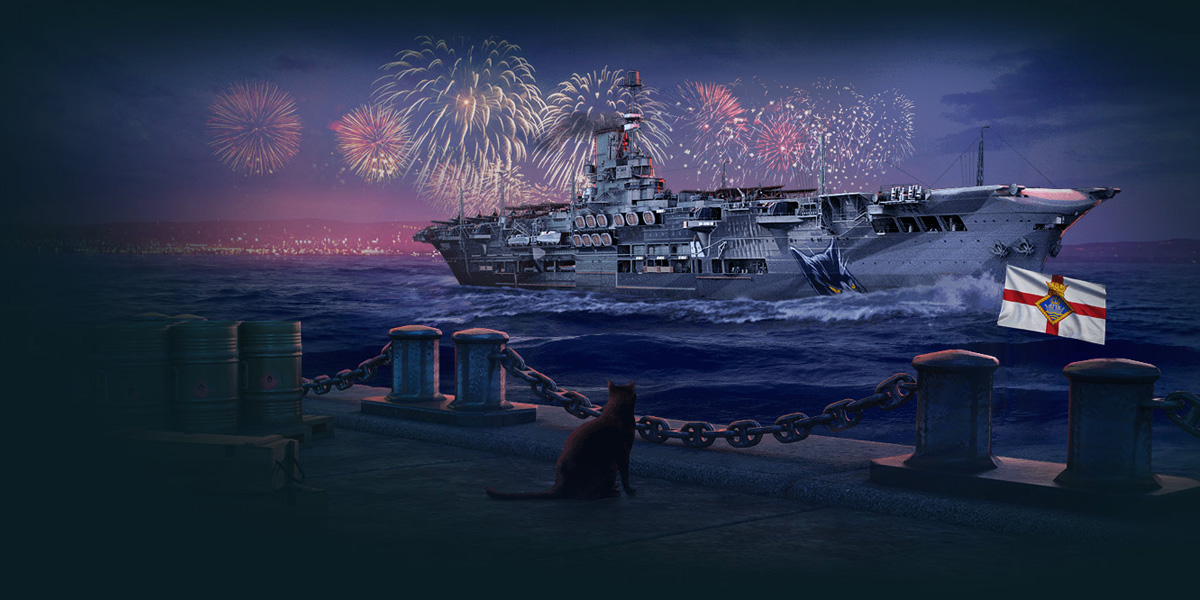
Ark Royal is one of the most famous aircraft carriers in the history of the Royal Navy. The pilots of her air groups achieved the first British aerial victory of World War II, and contributed greatly to destroying battleship Bismarck. Ark Royal hunted German raider ships and submarines, and participated in the Norwegian campaign as well as the defense of Malta. The ship was awarded five battle honors for just 18 months of combat. Now you have a chance to take command of the renowned aircraft carrier in World of Warships!
[previewyoutube][/previewyoutube]
History

The building of a large aircraft carrier was planned by the British Admiralty as far back as 1923. However, due to the economic and political situation, it was postponed until the mid-1930s. Ark Royal was laid down at Cammell Laird shipyard in Birkenhead on September 16, 1935. At that time, the task of designing the ship was carried out by the Director of Naval Construction, Sir Arthur Johns. On April 13, 1937, the aircraft carrier was launched.

The money invested into the project was not spent in vain. During the sea trials held in May 1938, the ship's speed exceeded the expectations of the design, reaching 31.2 knots.

Ark Royal inherited her name from the first purpose-built seaplane tender in the Royal Navy. The name itself dates back to the 16th century, when it was borne by the flagship of Admiral Charles Howard.

After World War II broke out, Ark Royal joined an anti-submarine "hunter-killer" group. In this role, she hunted German submarines together with a flotilla of destroyers in the Atlantic, west of the British Isles. On September 14, 1939, the aircraft carrier launched her dive bombers in response to a distress call received from a dry-cargo ship, Fanad Head. But in the meantime, she was attacked by submarine U-39. Ark Royal managed to dodge the torpedoes, and the escort destroyers sank the submarine with the aid of depth charges. It was the first time the Royal Navy was victorious in opposing a submarine in World War II. However, they failed to protect the cargo ship from a U-30 attack. Moreover, two aircraft crashed during an unsuccessful bombing run, and their pilots were captured.
Colorization by Atsushi Yamashita

After aircraft carrier Courageous had been sunk by submarines on September 17, 1939, it was decided to withdraw this type of ship from “hunter-killer” groups. However, Ark Royal would continue to launch aircraft carrying depth charges when on patrol in case of underwater threats, including during her last voyage.

On September 26, 1939, pilots from Ark Royal became the first British forces to down a German plane in World War II. While defending their task force from three German Dornier Do 18 "flying boat" scout aircraft, they managed to destroy one of them. In their turn, the Germans declared that they had sunk the aircraft carrier, which turned out to be a premature claim.

Between October–December 1939, Ark Royal participated in hunting the pocket battleship Admiral Graf Spee. The aircraft carrier, sailing with battlecruiser Renown, didn't manage to arrive at the Battle of the River Plate in time, but the British attempted to mislead the Germans by spreading false information about the imminent arrival of the two ships. The day after the battle, officers from Graf Spee spotted a ship on the horizon that was mistakenly identified as battlecruiser Renown. Those factors are believed to have played a key role in the Germans’ decision to scuttle their own ship in the harbor of Montevideo.

Between April–June 1940, Ark Royal took part in the battle for Norway. The carrier's aircraft were covering the Allied forces from German aviation and providing them with close air support. On June 13, 1940, a few days after aircraft carrier Glorious had been sunk by German battleships, Ark Royal tried to strike back. But during her attack on battleship Scharnhorst, she lost eight Skua strike dive bombers in vain.
Colorization by Atsushi Yamashita

After the surrender of Norway, Ark Royal joined Force H—a task force of the Royal Navy based in Gibraltar and reporting directly to the Admiralty. She debuted in that theater of operations with the attack on the French Navy at Mers-El-Kébir. Subsequently, Ark Royal participated in the escort of convoys to the besieged island of Malta and in one battle—the Battle of Cape Spartivento. The aircraft carrier repeatedly attacked Genoa during operation Grog, which was aimed at bombarding the city and its port from the sea. She was regularly targeted by Italian aircraft herself but didn't receive any damage.

In May 1941, Ark Royal played a crucial role in the hunt for battleship Bismarck, which had broken through into the Atlantic to carry out raids. On May 26, the carrier's aircraft detected the German battleship, but the main forces of the Home Fleet still were too far away to stop the raider from reaching French ports. Ark Royal was ordered to intercept Bismarck with a torpedo attack.

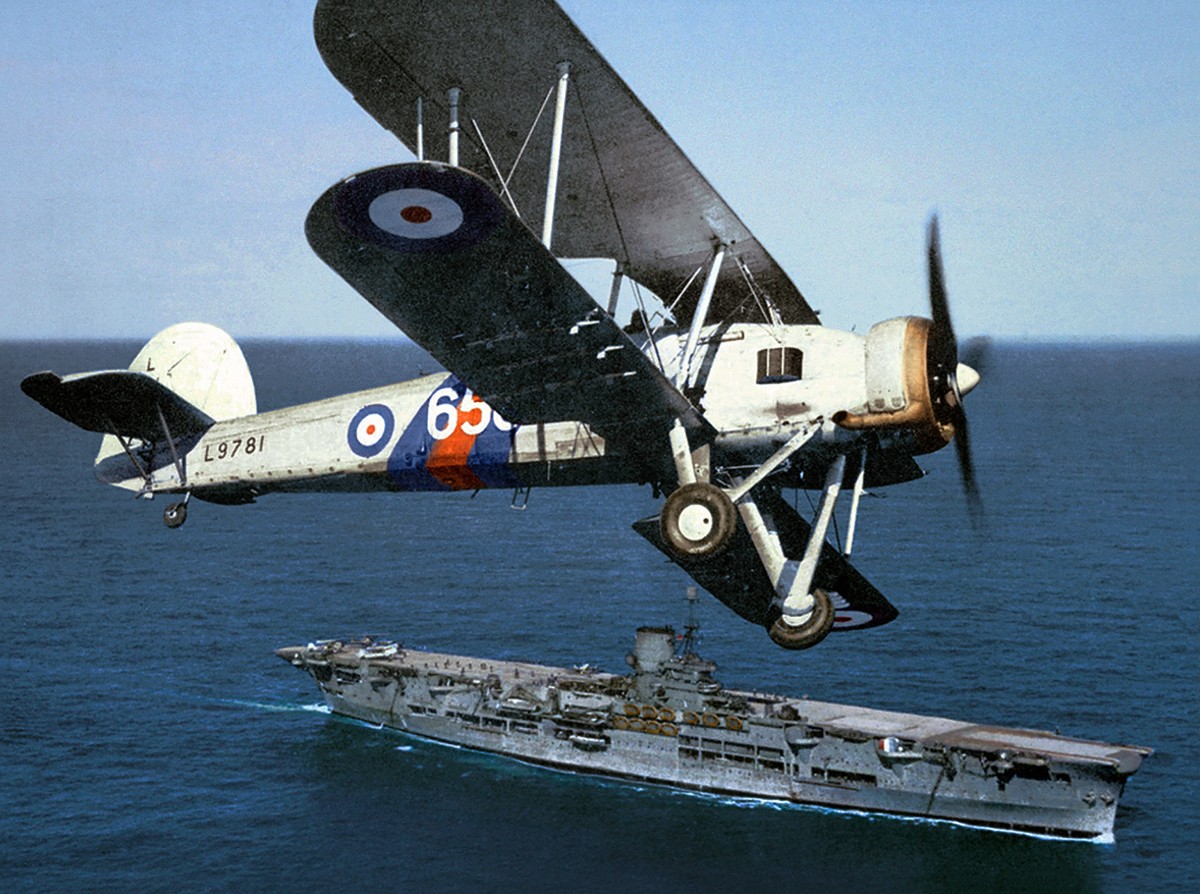
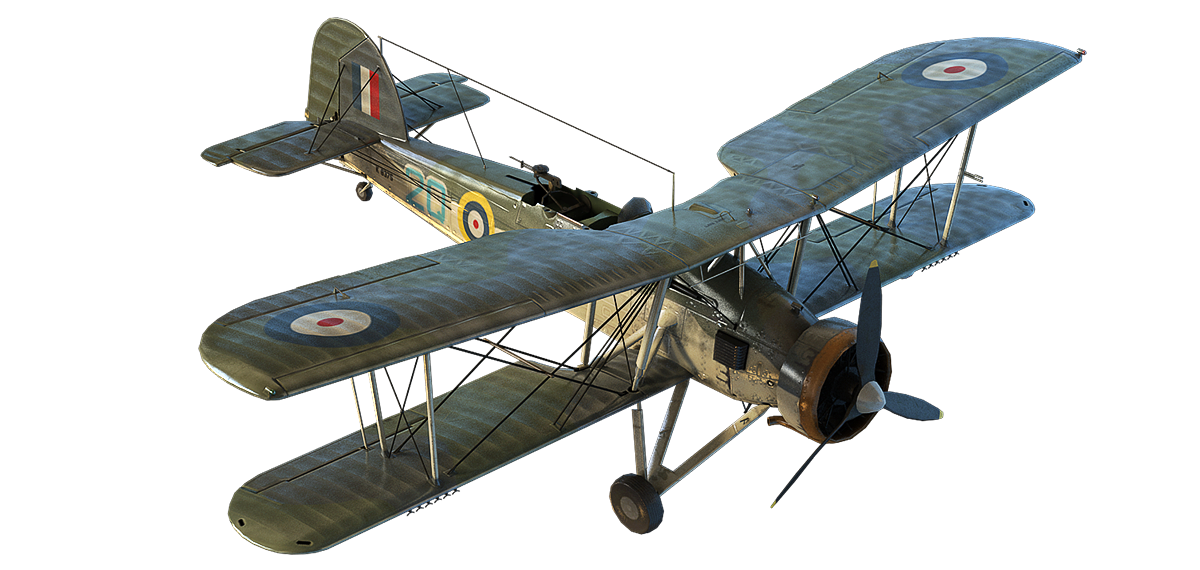
The first approach was unsuccessful—Ark Royal’s Fairey Swordfish torpedo bombers mistakenly attacked British cruiser Sheffield, which was also in pursuit of the German battleship. Luckily, not a single torpedo hit the target. The torpedo bombers returned to the carrier for re-armament and refueling, before being launched again to attack Bismarck just before sunset. The obsolete "Stringbags" (the nickname was given to them because of the numerous bracing wires they had between the wings) turned out to be surprisingly effective, managing to score three torpedo hits. One of them brought the battleship face to face with her doom. The torpedo jammed the rudder, costing Bismarck her speed and maneuverability. She was sunk in the course of the battle with the British squadron.

Following those events, Ark Royal returned to the Mediterranean Sea to escort the supply convoys to Malta. On November 13, 1941, the aircraft carrier was hit by a torpedo launched from German submarine U-81. The resulting flooding extinguished her boilers, which in turn stopped her steam turbine generators. The ship didn't have any standby diesel generators, so all of her pumps stopped and damage control became impossible. Tugboats tried to tow the aircraft carrier to Gibraltar, but Ark Royal sank 30 miles out from the port. All out of almost 1,500 people aboard survived, except for one sailor who was killed by the torpedo explosion. British shipbuilders learned from the destruction of Ark Royal and introduced the required improvement into the designs of the Illustrious- and Implacable-class aircraft carriers that were under construction at the time.


Modeling the Ship
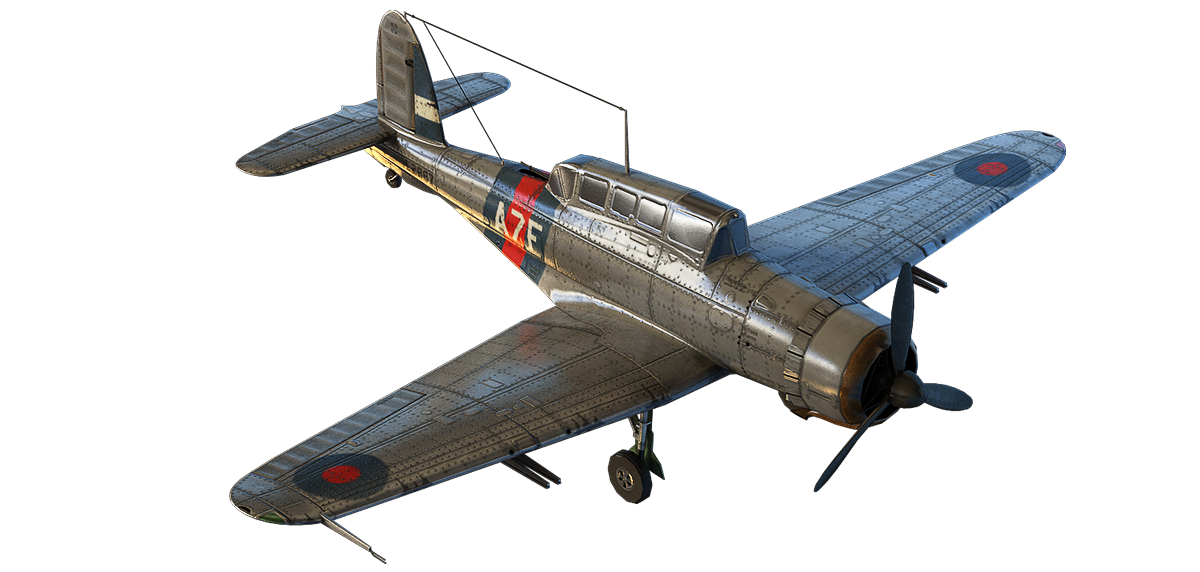
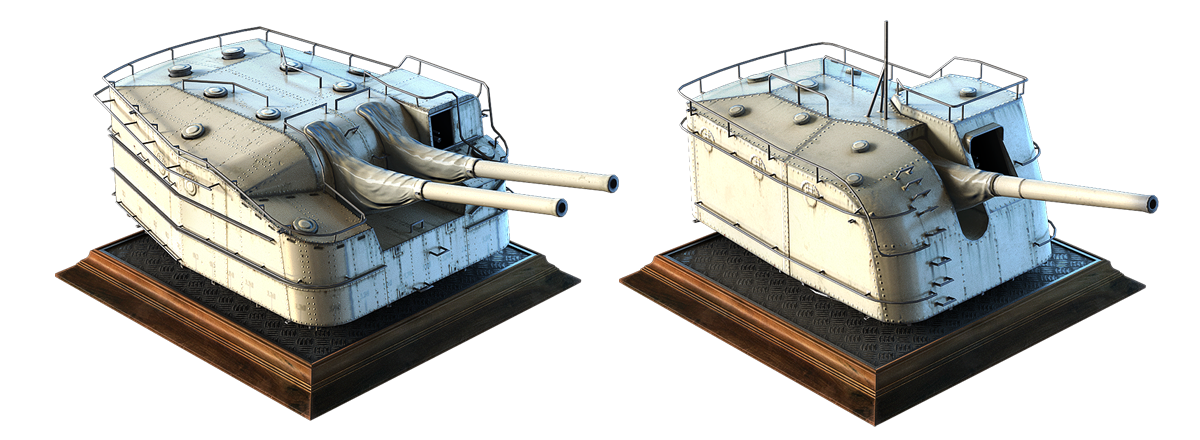
Attack aircraft: Blackburn Skua strike dive bombers


Torpedo bombers: Fairey Swordfish torpedo bombers/scouts/bombers
Bombers: Fairey Swordfish torpedo bombers/scouts/bombers


Commanding Ark Royal
Commander with 10 skill points
  • Air Supremacy
  • Improved Engine Boost
  • Improved Engines
  • Aircraft Armor
  • Survivability Expert
Commander with 19 skill points
  • Air Supremacy
  • Improved Engine Boost
  • Improved Engines
  • Aircraft Armor
  • Survivability Expert
  • Sight Stabilization
  • Demolition Expert
  • Adrenaline Rush
The ship has four slots for upgrades. We consider the following combinations to be the most effective:
  • Air Groups Modification 1
  • Aircraft Engines Modification 1
  • Attack Aircraft Modification 1
  • Bombers Modification 2


Ark Royal in Combat
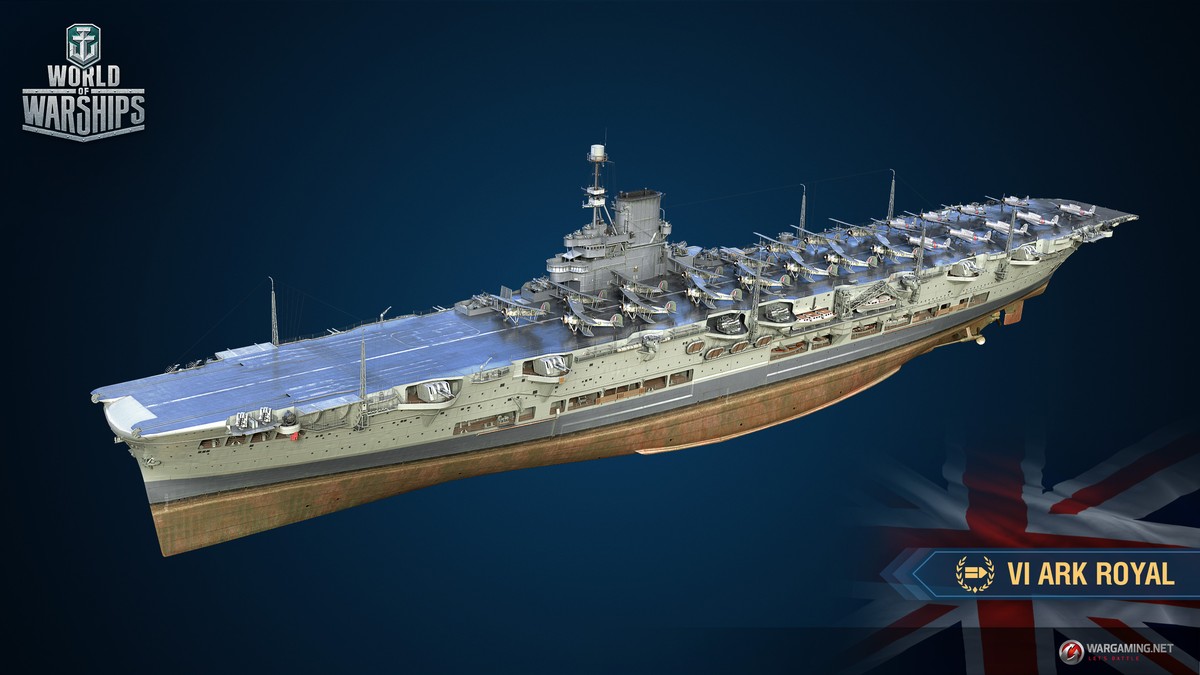
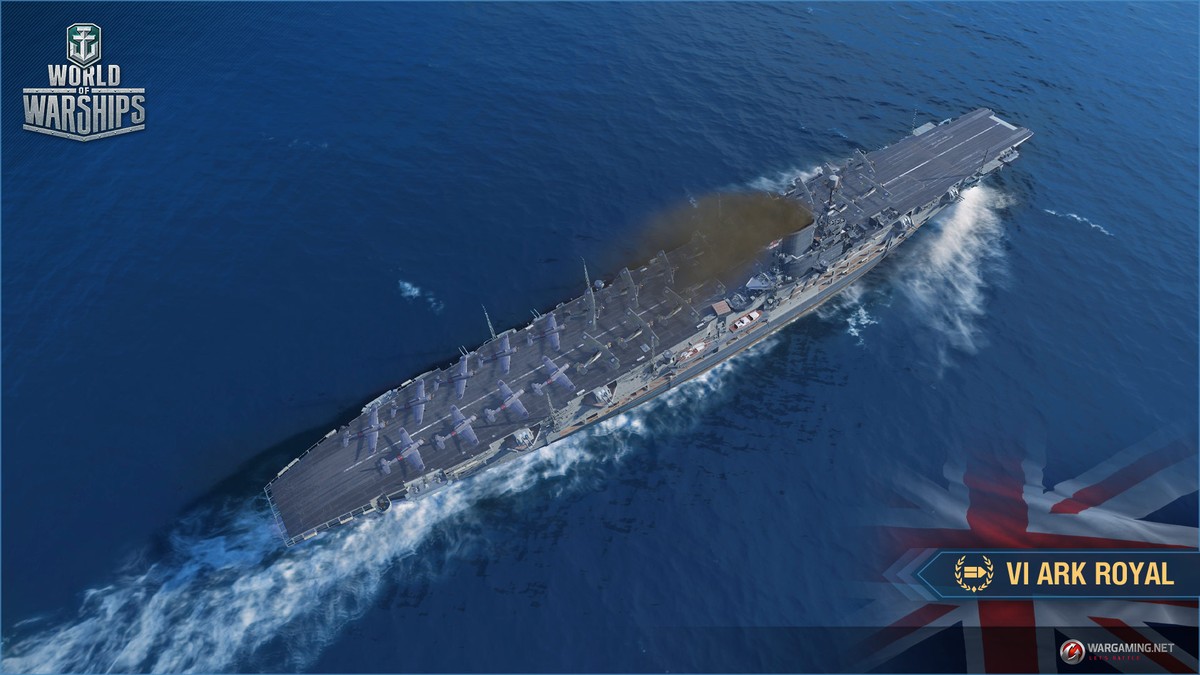
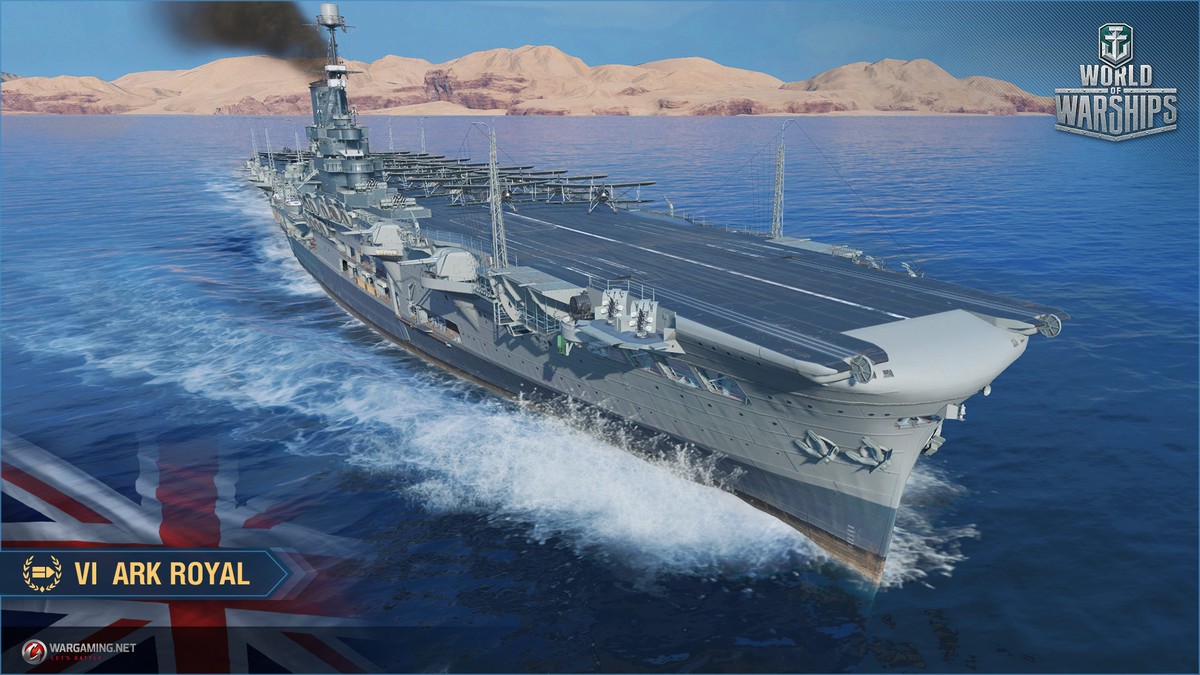
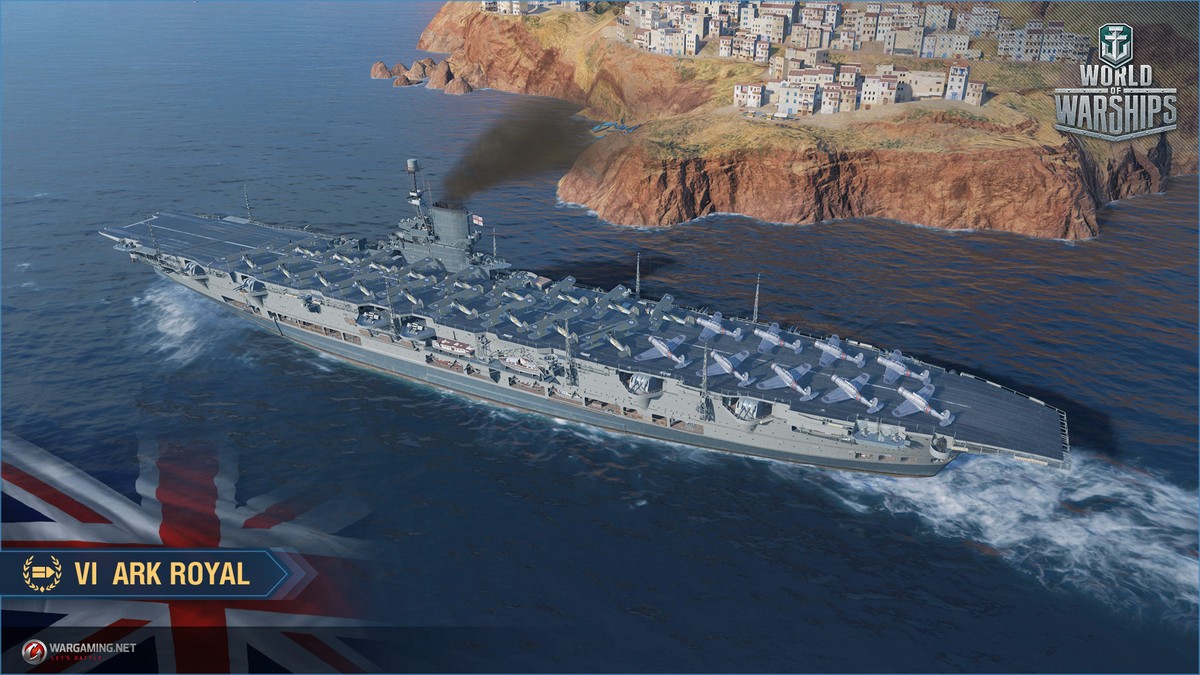
VI Ark Royal was the first British aircraft carrier on which the hangar and flight deck formed integral parts of the hull, instead of being parts of the superstructures. The carrier was instrumental in the destruction of German battleship Bismarck, participated in the Norwegian campaign, and escorted British convoys to Malta. In World of Warships, she is the first Premium Tier VI aircraft carrier to enter the game. The ship boasts a large air group and has a fast aircraft-restoration time.
Key Features
  • Larger squadrons and attack flights compared with other Tier VI aircraft carriers. She can have as many as nine bombers, attack aircraft, or torpedo bombers airborne and attacking a target, with flights of three aircraft each.
  • Fast aircraft-restoration time: 48 seconds for attack aircraft, 56 seconds for bombers, and 59 seconds for torpedo bombers.
  • In terms of their individual characteristics, Ark Royal's aircraft are somewhat inferior to the aircraft used by other Tier VI carriers.
  • The permanent camouflage provides extra credits per battle, as well as 50% more XP, and –10% to the cost of the ship's post-battle service.

For a detailed look at the ship's technical specifications, follow this link.


Unsinkable Sam: Ark Royal –15%
  • VI Ark Royal
  • Commander with 10 skill points 
  • Port Slot
  • Unsinkable Sam permanent camouflage for VI Ark Royal
  • Historical permanent camouflage for VI Ark Royal
  • 2,500,000
  • 80×Equal Speed Charlie London
  • 80×India Bravo Terrathree
  • 80×Zulu
  • 80×Papa Papa
  • 80×Zulu Hotel
  • Combat mission: x3 XP for 25 battles
  • Commemorative flag
Bundles are available for purchase until Fri. 18 Oct. 07:00 CEST (UTC+2)

ːcozywowsshipː Join Steam group chat
ːwowsheheː Recruiting Station
ːwowsyesː Recommend the game

WoWS Show: Awaiting Submarines

  • Shock! Could IX Kronshtadt be a new submarine in World of Warships?
  • VII Fiji's fuming maneuvers!
  • The true power of IX Dmitri Donskoi!

[previewyoutube][/previewyoutube]

WoWS Show: Ship Drift
  • VIII Vladivostok in pursuit of VIII Richelieu!
  • IX Benham’s torpedo delivery service!
  • VII Sinop’s incredible luck!

[previewyoutube][/previewyoutube]
Did you enjoy this episode? Subscribe to our channel to stay informed about the next instalments!
Subscribe to the Channel

How does one send a replay to our show?

You need to log in to the website https://replayswows.com using your Wargaming account credentials. Then click the "Upload Replay" button and share your in-game stories! Don't forget to write the names of the show and your ship in the "Title" section, to ensure that we don't miss your replay. Example: #WOWSHOW (Tirpitz).

How do we select replays for our show?

To be approved for our show, a replay should correspond to the following criteria:
  • Duration of an episode or a pack of mini episodes shouldn't exceed one minute.
  • Episodes should be funny, interesting, or just plain epic. The more entertaining; the better!
Any player can send us an unlimited number of replays. Players will receive a reward for every replay chosen for the show!

ːcozywowsshipː Join Steam group chat
ːwowsheheː Recruiting Station
ːwowsyesː Recommend the game

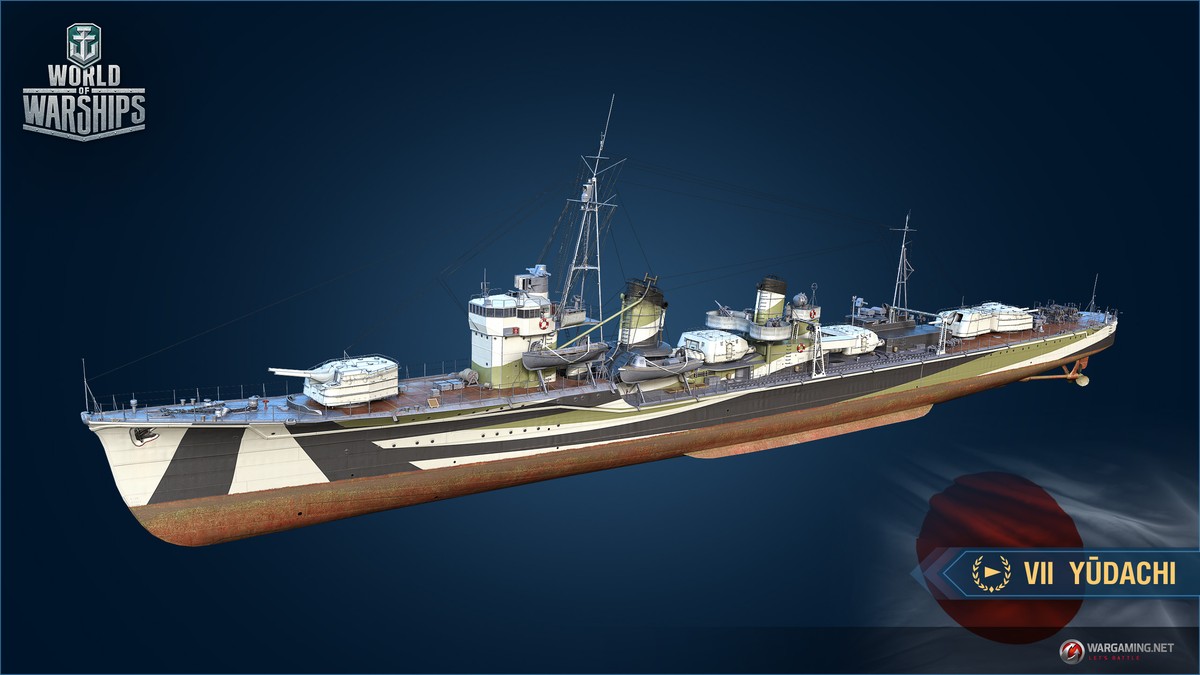
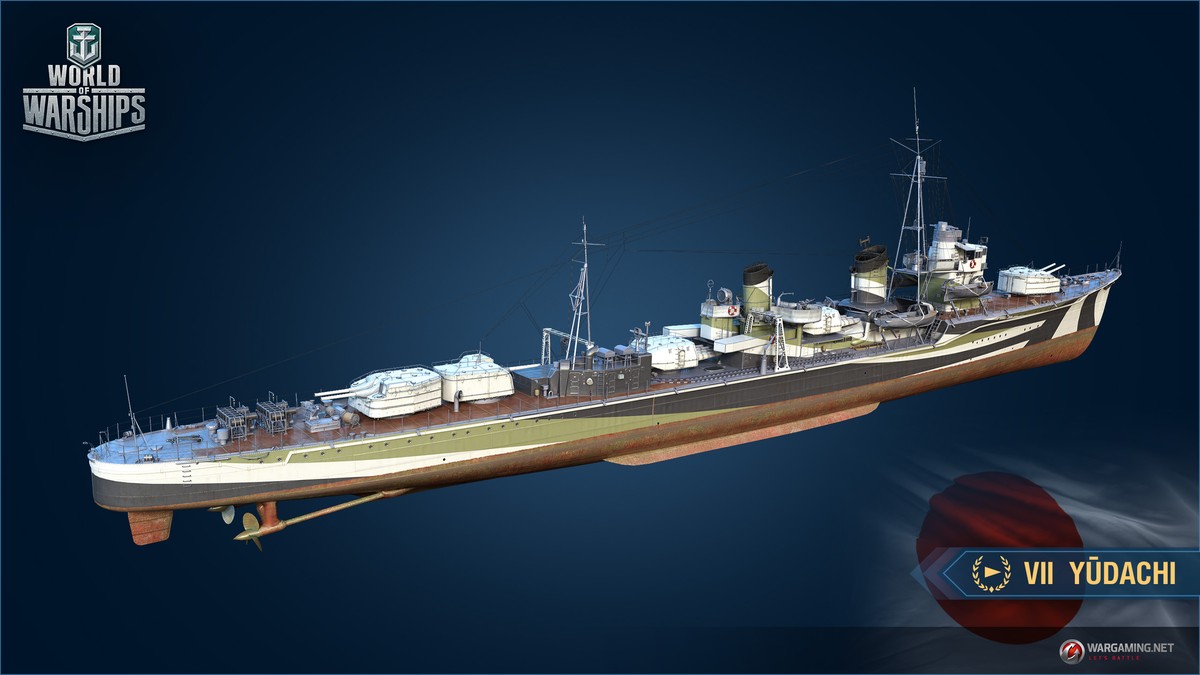
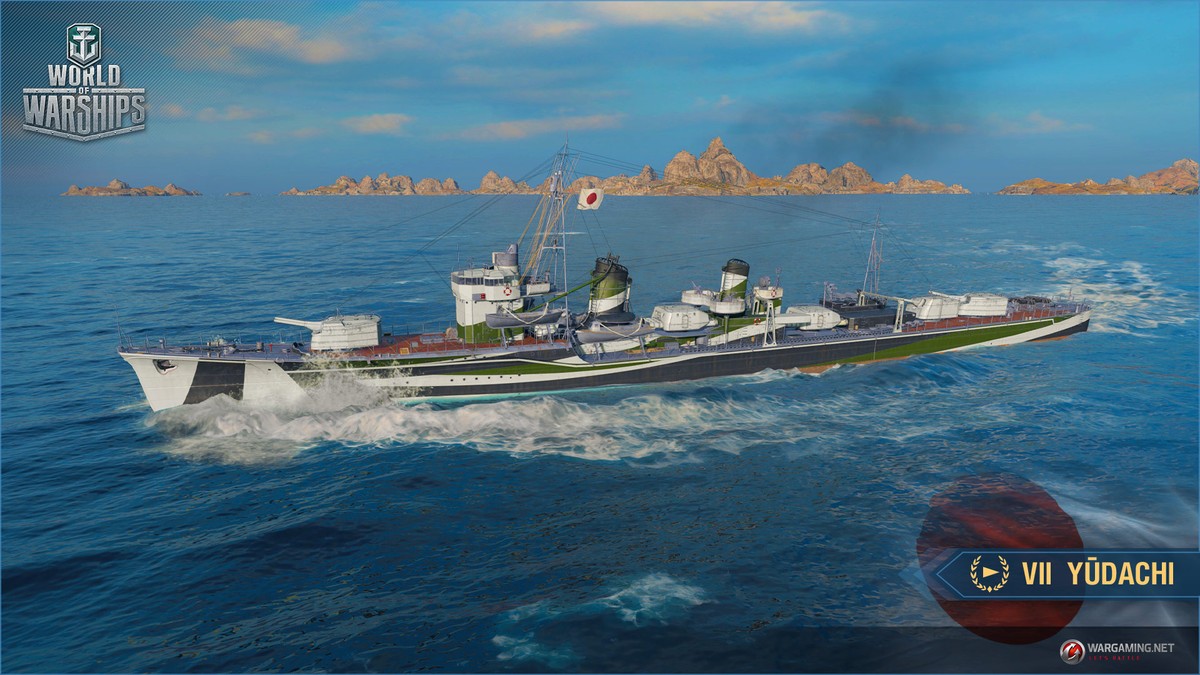
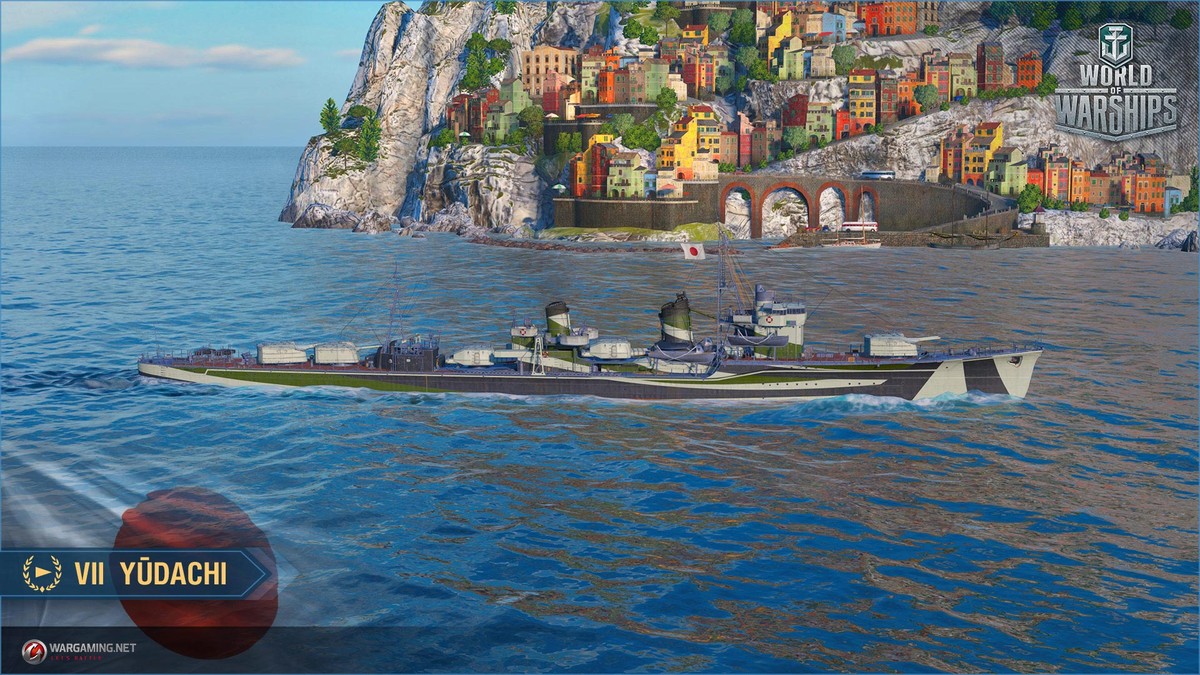
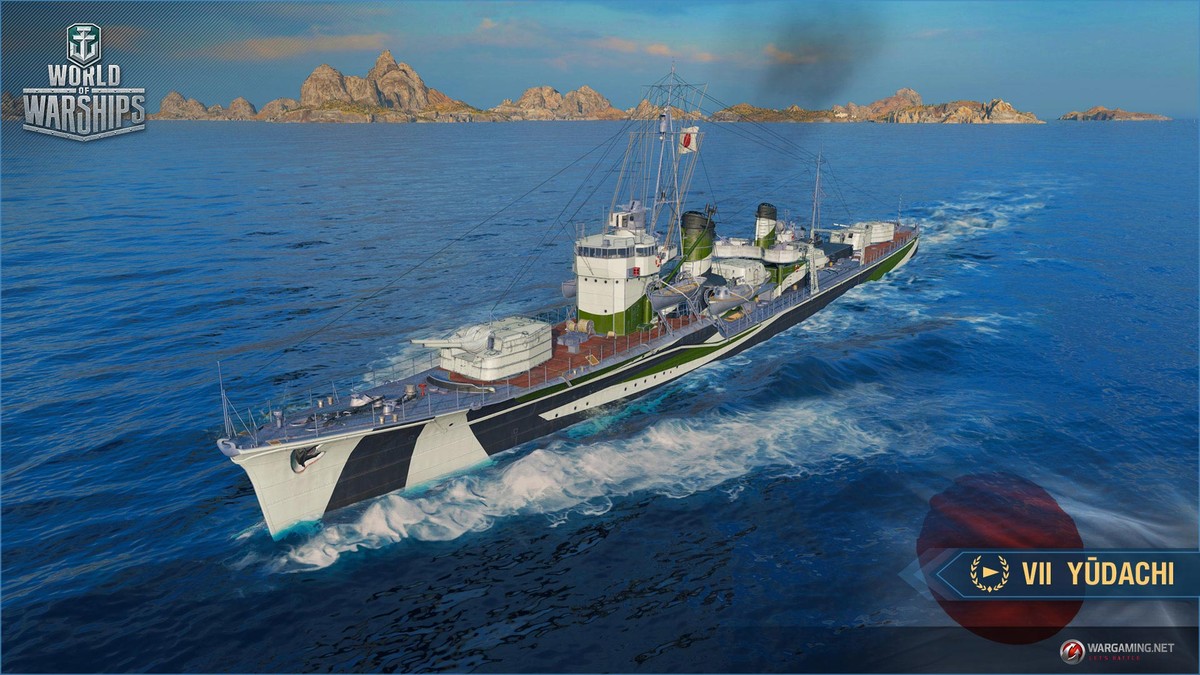
Armada: Yūdachi

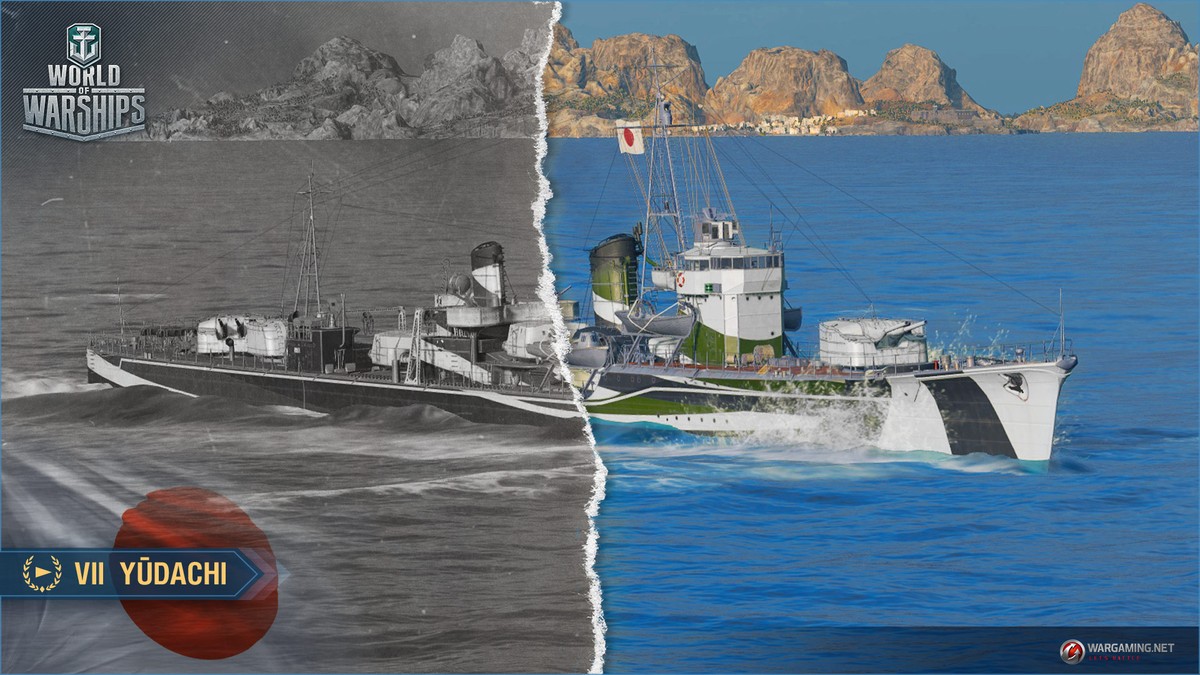
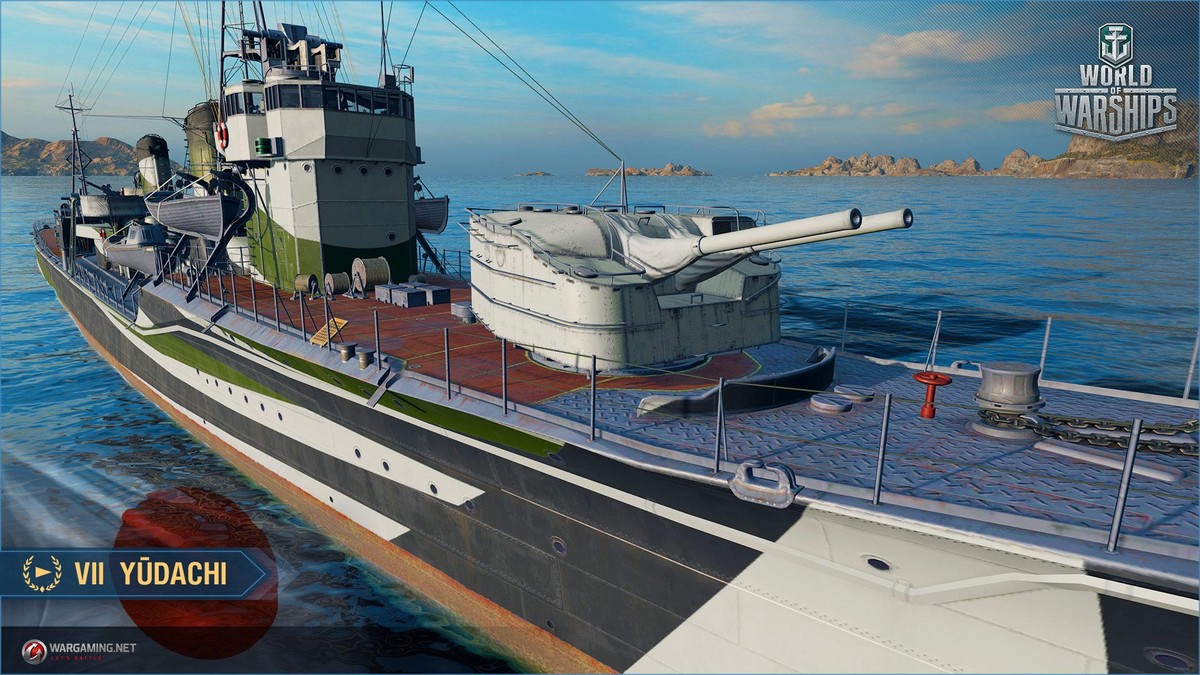
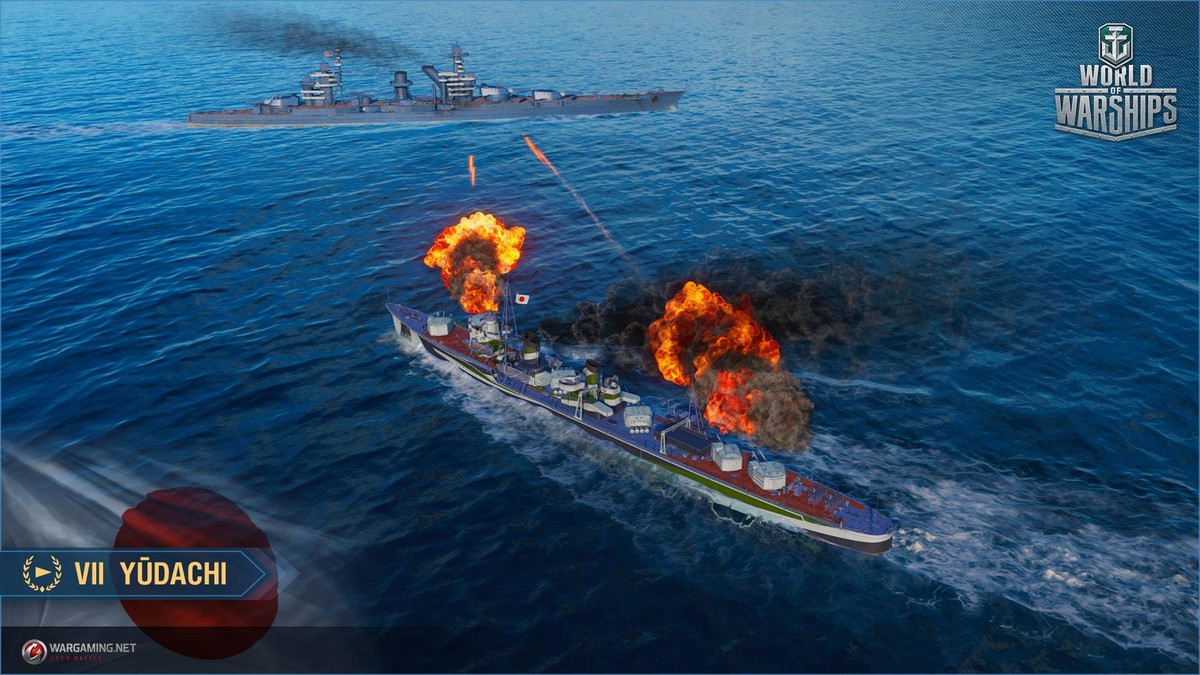
Destroyer Yūdachi was one of ten Shiratsuyu-class ships built for the Imperial Japanese Navy in the 1930s.

As with the other ships of her class, she took part in some of the most important naval battles of the Pacific Theater. Yūdachi was eventually destroyed in the Battle of Guadalcanal, but now you can take command of this famous destroyer in World of Warships!
[previewyoutube][/previewyoutube]

History

The Shiratsuyu-class destroyers were built between 1933–1937. Their project was a modified version of the Hatsuharu-class ships—with these original ships having a number of drawbacks that the Shiratsuyu class improved upon. The new ships had better stability and quadruple-tube torpedo mounts which enhanced torpedo armament.

Yūdachi was the fourth ship in the series. Her hull was laid down on October 16, 1934, at the shipyard of the Sasebo Naval Arsenal. Following Japanese tradition, the ship received a poetic name after a weather phenomenon—Evening Squall. Yūdachi was commissioned on January 7, 1937.

Yūdachi never participated in the historically significant attack on Pearl Harbor. As the war broke out, she was situated at the Mako navy base on the Pescadores Islands to the west of Taiwan, together with her three sister ships Murasame, Harusame, and Samidare. However, the ships of Destroyer Squadron 2 weren't destined to be out of action: they were engaged in the Japanese invasion of the Philippines, and after January 1942—in battles for the Dutch East Indies.

The first significant battle in which Yūdachi took part was the Battle of the Java Sea on February 27, 1942. The Japanese formation, under the command of Admiral Takeo Takagi, crushed the Allied squadron without suffering any significant losses.

Yūdachi spent the spring of 1942 in battles for the Philippine Islands, and in June she took a small part in the Battle of Midway. After that, she was planned to be used for raider operations in the Indian Ocean, but the course of the war made the ship return to the Pacific.

On August 30, Yūdachi joined the Tokyo Express, a group of ships delivering reinforcements to the Japanese troops on Guadalcanal during night-time hours. Under the cover of darkness, the fast cruisers and destroyers were safe from the U.S. aviation attacks. In one such operation, Yūdachi scored her first victories: she contributed to the destruction of the old U.S. destroyers—Gregory and Little—that had tried to prevent the Japanese forces from bombing the Henderson Field airfield.

In October 1942, Yūdachi took part in the Battle of the Santa Cruz Islands, and during the night of November 12–13 she set sail on her last voyage. In the First Naval Battle of Guadalcanal—which resembled a bar brawl with the lights turned off, according to the participants of the U.S. side—Yūdachi and another Japanese destroyer, Amatsukaze, separated from the main Japanese forces and stole up to the U.S. convoy from the rear. Amatsukaze successfully torpedoed and sunk destroyer Barton and attacked light cruiser Juneau. Yūdachi wasn't so lucky: amidst the chaos of the night battle, she mistook U.S. destroyer Sterett for a friendly ship. As a result, the U.S. ship managed to make several accurate hits, leaving Yūdachi dead in the water. Most of the heavily damaged ship's crew was evacuated by Samidare. The destroyer tried to give her old ally a coup de grace with torpedoes, but missed. Yūdachi was eventually sunk by U.S. heavy cruiser Portland.


Modeling the Ship

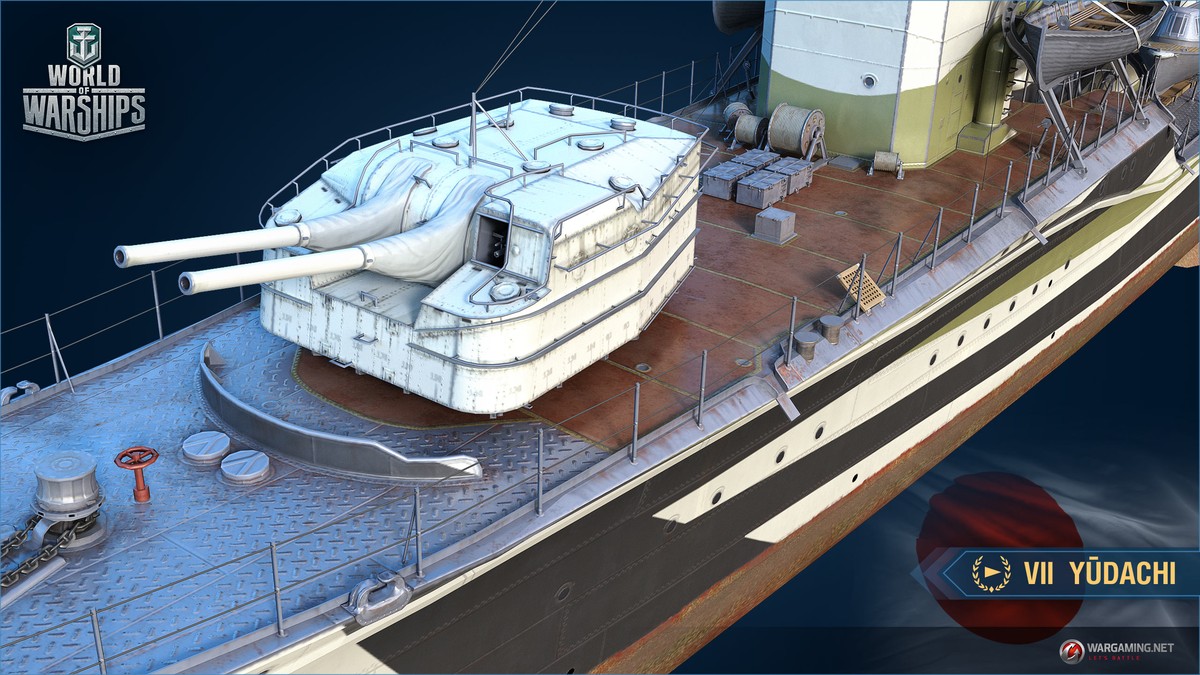
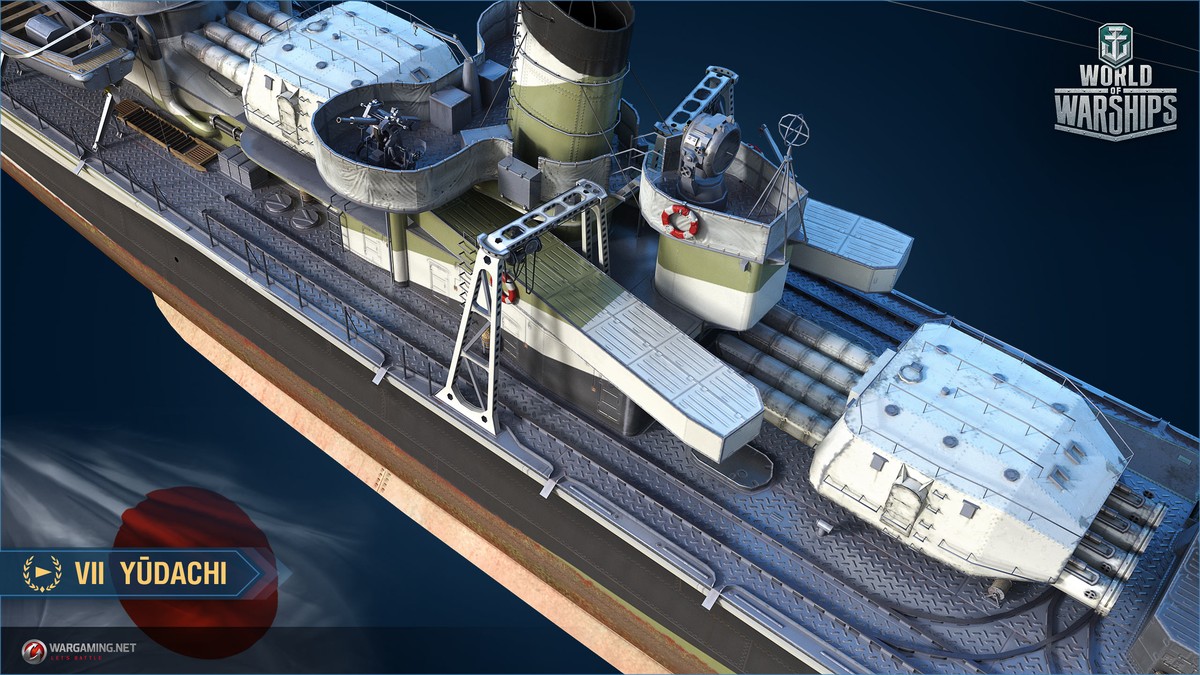
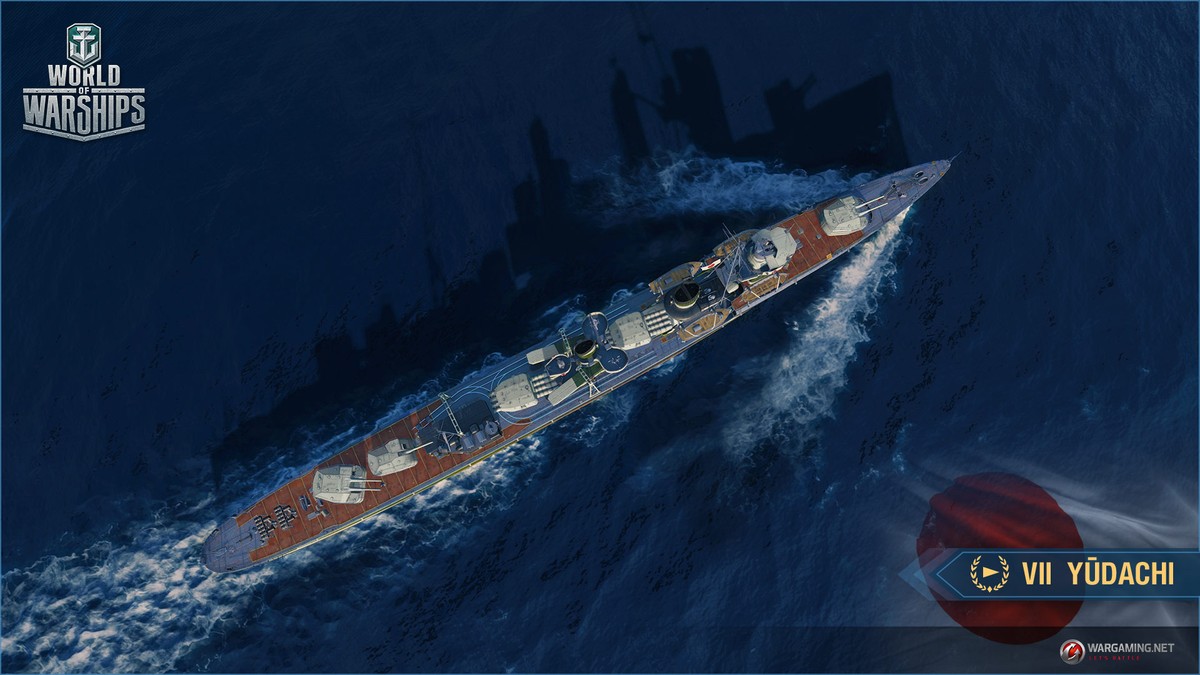
In the game, the ship is featured in her state as of early 1937 when she entered service.

Main Battery
Five 127 mm/50 Type 3 guns in two twin and one single turrets. Similar guns were mounted on the majority of Japanese destroyers, from Fubuki to Shimakaze.


Torpedo Armament
Two quadruple-tube 610 mm torpedo launchers. Type 93 Japanese oxygen torpedoes enabled the Imperial Japanese Navy to attack Allied ships out of the blue from distances that had been deemed unreachable for torpedo armament up until then.


Anti-Aircraft Armament
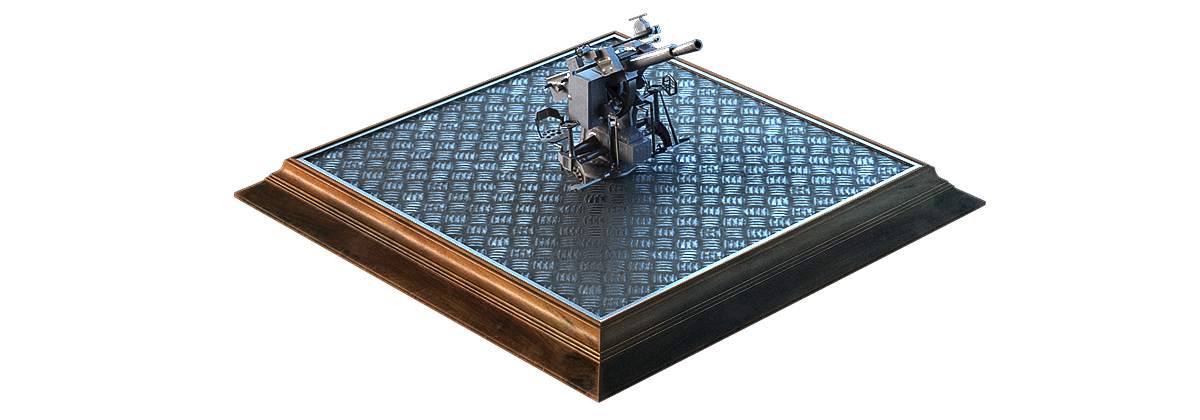
Two single-barrel 40 mm HI Type 91 AA guns. This is how the British QF 2-pounder guns, widely known as "pom-poms", were designated in the Imperial Japanese Navy. About half a thousand of these guns were purchased in the late 1920s–early 1930s.


Commanding Yūdachi
Commander with 10 skill points
  • Priority Target
  • Last Stand
  • Torpedo Armament Expertise
  • Concealment Expert
Commander with 19 skill points
  • Priority Target
  • Last Stand
  • Torpedo Armament Expertise
  • Concealment Expert
  • Survivability Expert
  • Superintendent
  • Adrenaline Rush or Torpedo Acceleration
  • Preventive Maintenance
The ship has four slots for upgrades. We consider the following combination to be the most effective:
  • Main Armaments Modification 1
  • Steering Gears Modification 1
  • Aiming Systems Modification 1
  • Propulsion Modification 2


Yūdachi in Combat

In World of Warships, VII Yūdachi is a typical Japanese destroyer with powerful torpedo armament and decent concealment. Attacking with torpedoes from medium- and long- range distances is the best tactic for her. Her long-range torpedoes make it possible to attack radar-equipped targets without the risk of being detected, and the Torpedo Reload Booster consumable in a separate slot enables her to fire 16 torpedoes within a period of a few seconds.

However, Yūdachi is inferior to enemy ships in battles that require extensive maneuvering at close and medium ranges due to her low turret traverse speed and slow rate of fire. Her small HP pool also means that she isn’t well-suited to engaging in firefights with enemy destroyers, and particularly cruisers.

Key Features
  • Torpedo armament with eight torpedoes per salvo and a range of 15 km—pretty decent for her tier—but a high torpedo detectability range. Having the Torpedo Reload Booster consumable in a separate slot from Smoke Generator enables her to set a smoke screen and fire 16 torpedoes from within it at her enemies (two salvoes of eight torpedoes, with just an 8 second gap between salvoes).
  • Good concealment for her type and tier.
  • Five main battery guns with precise and powerful HE shells, although they are not as rapid-firing as the guns of destroyers of other nations.

For a detailed look at the ship's technical specifications, follow this link.


ːcozywowsshipː Join Steam group chat
ːwowsheheː Recruiting Station
ːwowsyesː Recommend the game
POI!~