The Endless Mission and the History of UGC, Part 4

Still with us? Excellent! That means we still have a job. Over the past couple of weeks have been all about UGC creation tools that can still generally be considered “games,” but that’s all about to change - today’s the day that we start crossing the line from games to software. Hold onto your pocket protectors, it’s about to get nerdy.
… Well, more nerdy than it’s already been, anyway.
Game Making Tools
Over the past two weeks, we’ve looked at creation tools that can still be very much considered games, from their interfaces to the ability to boot the game up solely to check out what other people have made without doing any creating yourself. Game Making Tools, on the other hand, forgo all the fancy bells and whistles and devote themselves entirely to being a tool for creation. Their UIs have far more in common with editing tools such as Microsoft Visual Studio or Photoshop, and their communities exist online on websites, blogs, and message boards, as opposed to inside the software itself. Likewise, the games that people make with these tools are exported from the software and can be uploaded independently - you don’t even need the software to play their creations. The end result is that users have far more versatility in what they can create using these tools, as being able to manipulate the code itself and use your own custom-built assets are a given. What separates Game Making Tools from straight-up Game Engines like Unreal or Unity is the fact that they usually will be optimized with a specific game genre in mind (RPG, Fighting, etc.). However, that hasn’t stopped some developers from using these tools to create unique experiences as well.
RPG Maker (1992)
 They’ve made a lot of iterations of this particular Game Making Tool… and like any true JRPG, the sequel numbering is completely ridiculous
RPG Maker is a line of software that allows users to - big surprise here - create their own Role-Playing Games. The first one came out in Japan all the way back in 1992, but it was never localized for the US; that wouldn’t officially happen until RPG Maker XP, 13 years later in 2005. Whatever version you get and/or struggle to translate, it usually comes with the same batch of items and tools: A tile set based map editor, a battle editor, and a scripting language (formerly Ruby, but now JavaScript) so you can set up custom events or alter the gameplay entirely. They also come with a large amount of premade assets for you to get started, but you can create and import your own at any time.
 Spoony Bards not Included
RPG Maker has always been a popular tool for game making. The way it’s set up makes it easy for anyone to get started, while still being powerful enough to create professional-level games. Once you’re done, it’s easy to package games up and make them available to download and play on computers, smartphones, and other platforms. Additionally, the scripting language is very versatile. Don’t let the name fool you: RPG Maker isn’t good for just making RPGs, but adventure, survival horror, and even action games as well.
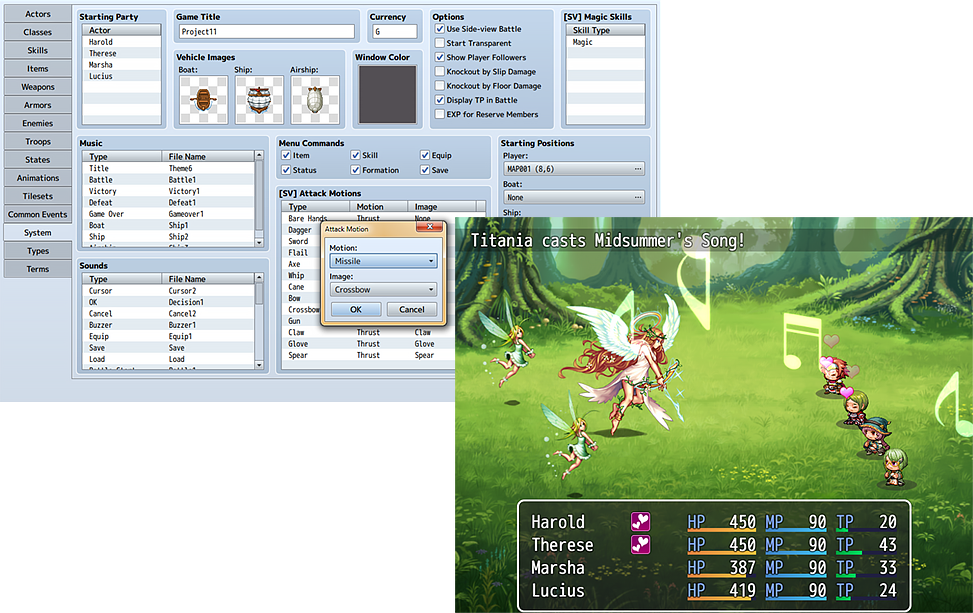 Sure, that editor menu looks intimidating, but let’s be honest: The ones you have to browse through while PLAYING an RPG are usually just as bad.
If you want to see some excellent examples of the kinds of games (RPG or otherwise) you can create in RPG Maker, we’d recommend checking out LISA: The Painful RPG, OFF, To the Moon, and Yume Nikki. And when you’re ready to dive in and start using the software itself, you can get it the latest version, RPG Maker MV, on PC now or wait for it to come out on all current-gen consoles later this year.
Adventure Game Studio (1997)
 What’s the coffee cup for? Well, if our knowledge of Adventure Games is any good, probably something really, really convoluted
Do you remember the good ol’ days of Adventure Games? Your Zorks and Space Quests and Monkey Islands? Where quirky characters, absurd storylines, and completely illogical puzzles were king? Well, good news! They never went away, they’re just being made in Adventure Game Studio now!
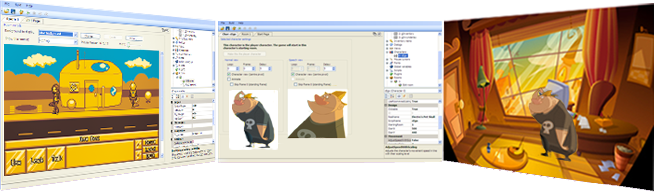
Now you too can create games like the Sierra and Infocom classics!... Though ideally with less nearly impossible puzzles that can render the game unwinnable without warning? Please?
Created by British programmer Chris Jones in 1997, Adventure Game Studio is a free(!) and open source(!!) software tool that anyone can use to create their own point-and-click Adventure Games. You bring the art and story, and AGS can handle the rest. Creating full animations for characters, making background environments possible to navigate and interact with by the player, custom code scripting, and even debugging and testing can all be handled entirely within the software. Once you’re done, package it up and share it online with the incredibly active AGS community. They even run a “AGS Awards” every year, giving quite a popularity boost to whichever games walk away with honors.
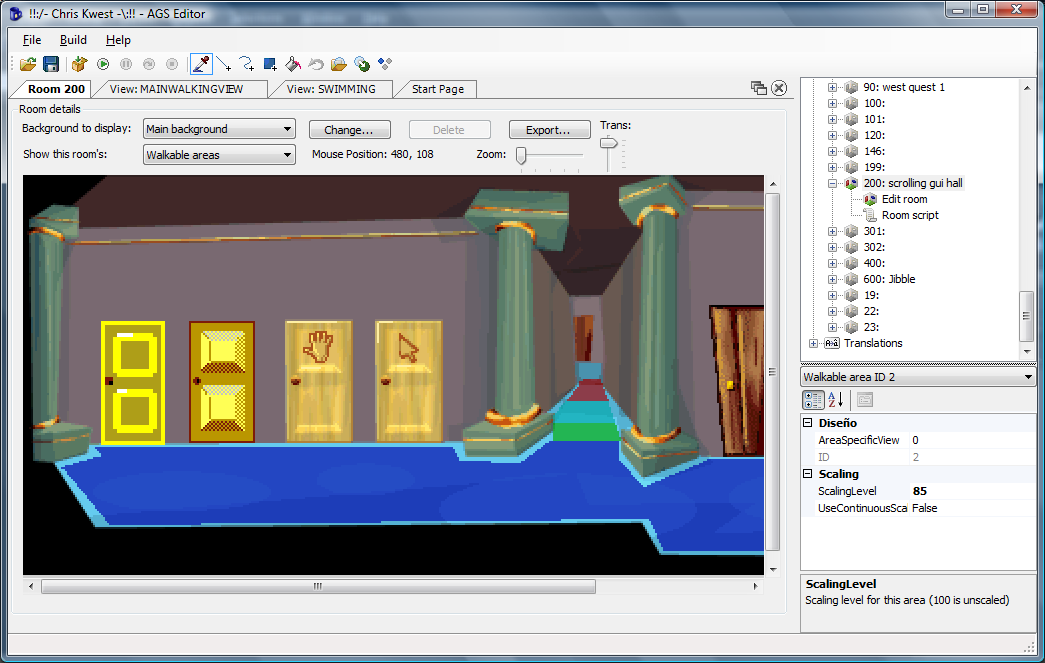 The real puzzle in this game is who built the world’s most structurally inconsistent pillars there
As it is a free and open source software, AGS has been used by many developers to make high-quality titles, both free fangames and commercial releases. Some good examples that are worth playing include the Rob Blanc Trilogy (created by none other than Ben “Yahtzee” Croshaw… yes, the Zero Puncuation guy), the Blackwell series, and Gemini Rue. And if you wanna give Adventure Game making a shot yourself, you can download the software on their official website: https://www.adventuregamestudio.co.uk/
M.U.G.E.N (1999)
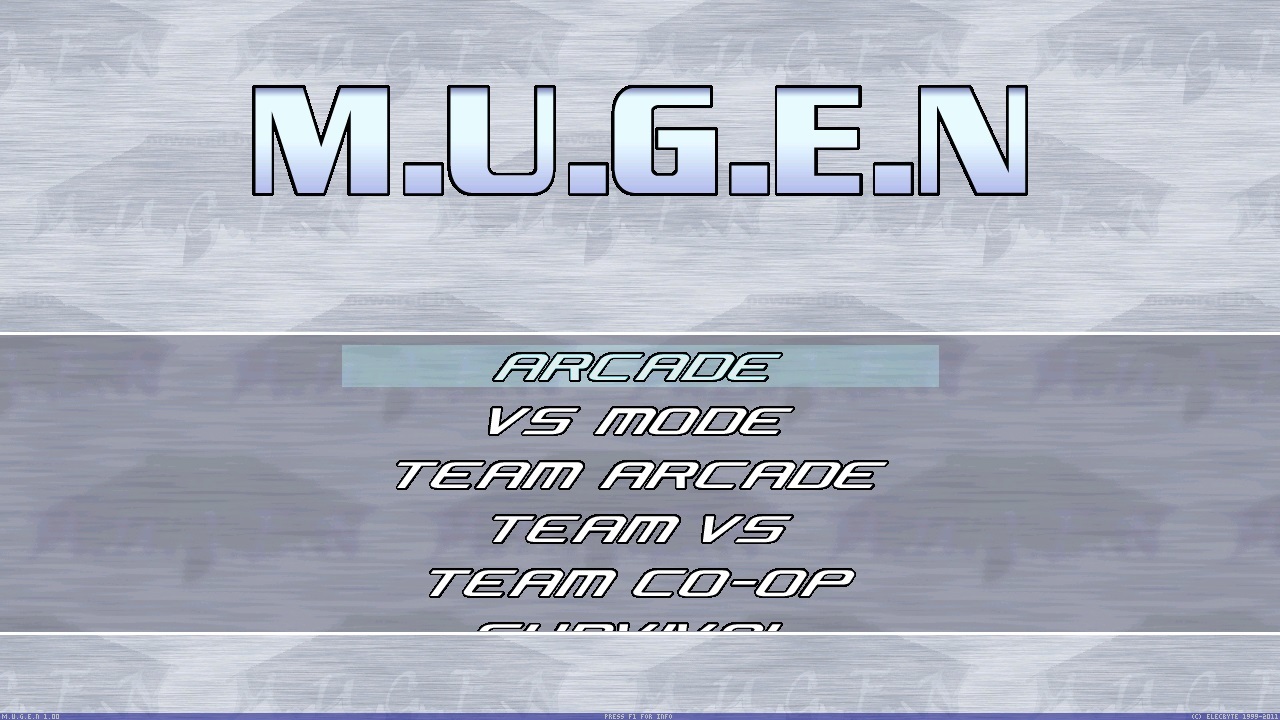 Super Smash Bros. ain’t got NOTHIN’ on this…
The fighting game genre is no stranger to weird and wild crossovers: You have Marvel vs. Capcom, Mortal Kombat vs. DC Universe, the myriad of guest characters in Soul Calibur, and of course Super Smash Bros. M.U.G.E.N takes this tendency and extrapolates on it to its most extreme conclusion. First released in 1999, M.U.G.E.N (Japanese for “dream”, “fantasy”, and “infinite”, for the nerds in the crowd wondering) is a Game Making Tool for fighting games. There have been a good number of fighting games built from the ground up using M.U.G.E.N, but the main draw is that a prebuilt fighting game framework is already included, with the only thing missing being any fighters. Thus, for budding designers who aren’t ready to tackle a full game, they can instead focus on creating individual fighters and uploading them for others to use.
Needless to say, people leaped at this opportunity.
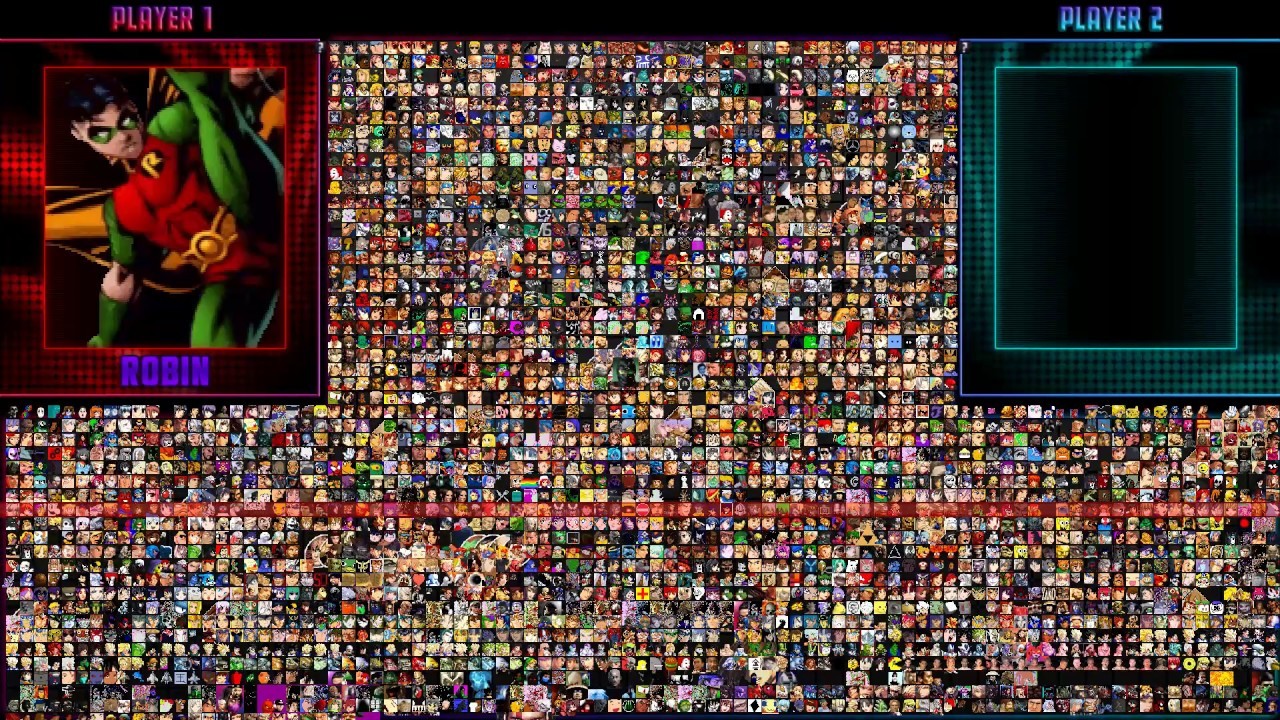 You need an 8K resolution monitor just to see who the heck you’re about to pick
M.U.G.E.N uses C for all of its scripting, so anyone with the art assets and a little bit of coding knowledge can put whoever they want in the game, complete with their own unique fighting mechanics and gimmicks. People began by recreating characters from all different fighting games and porting them over to M.U.G.E.N so they could all face each other (while keeping whatever mechanics they had from their original games intact) for the first time ever, but why stop there? At this point, virtually every character in pop culture has been recreated as a fighter in M.U.G.E.N, not to mention countless original characters as well. There are multiple databases online where these characters are uploaded, and you can pick and choose which ones you want to download into your own game to play with, resulting in a near-infinite number of possible mashups... Most of them completely ridiculous.
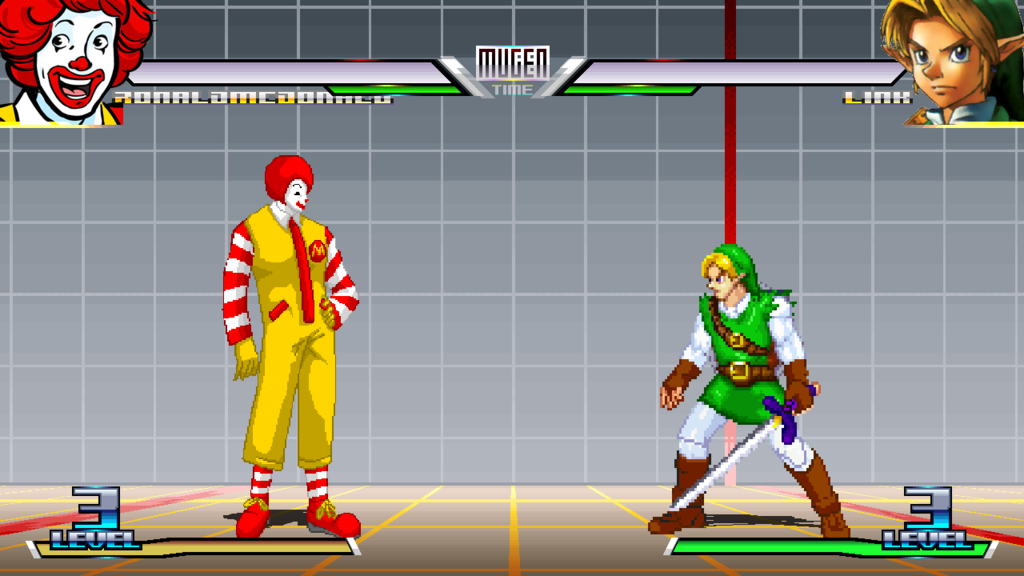 Tragedy struck when Ronald McDonald misunderstood what they meant by combos and tried to offer Link a Big Mac with fries and a Coke
M.U.G.E.N is unique among Game Making Tools due the framework it provides - You can go through all the steps of creating a game (design, art, programming, testing, etc.) condensed into a single fighter. This makes the software perfect for people looking for bite-sized design exercises that don’t require a massive commitment of time or resources just to reach a playable state. Unfortunately, while the M.U.G.E.N community is still alive and kicking today, the software itself hasn’t been updated in years, with the original site hosting having gone offline long ago. Thankfully, it’s still possible to download it if you know where to look, so if you ever wanted to finally settle the classic argument of who would win in a fight between Agent Scully and Hermey the Dentist Elf, you know what to do!
… Wait, that’s just us who had that debate? Man, maybe our office culture is weirder than we thought…
In Conclusion…
Game Making Tools sacrifice a simplified interface in favor of giving users far more control over the details of what they create, often with very impressive results. Whether you’re just tinkering with a personal project or are planning your first commercial release, software like this is the perfect place to start. Come back next week as we shift gears and enter the weird and wild world of mods!
CONTINUE TO PART FIVE
https://store.steampowered.com/app/827880/The_Endless_Mission/
Image Sources: techvalleyspacegame.com, rpgmakermvtutorial.com, rpgmakerweb.com, archive.org, adventuregamestudio.co.uk, wikipedia.org, @ZombieCSSTutorials, forum.blockland.us

 Get ready to never be able to take Half-Life’s G-Man seriously ever again. Among many, many other things.
 Just your typical day in the world of GMod.
 It’s the little things...
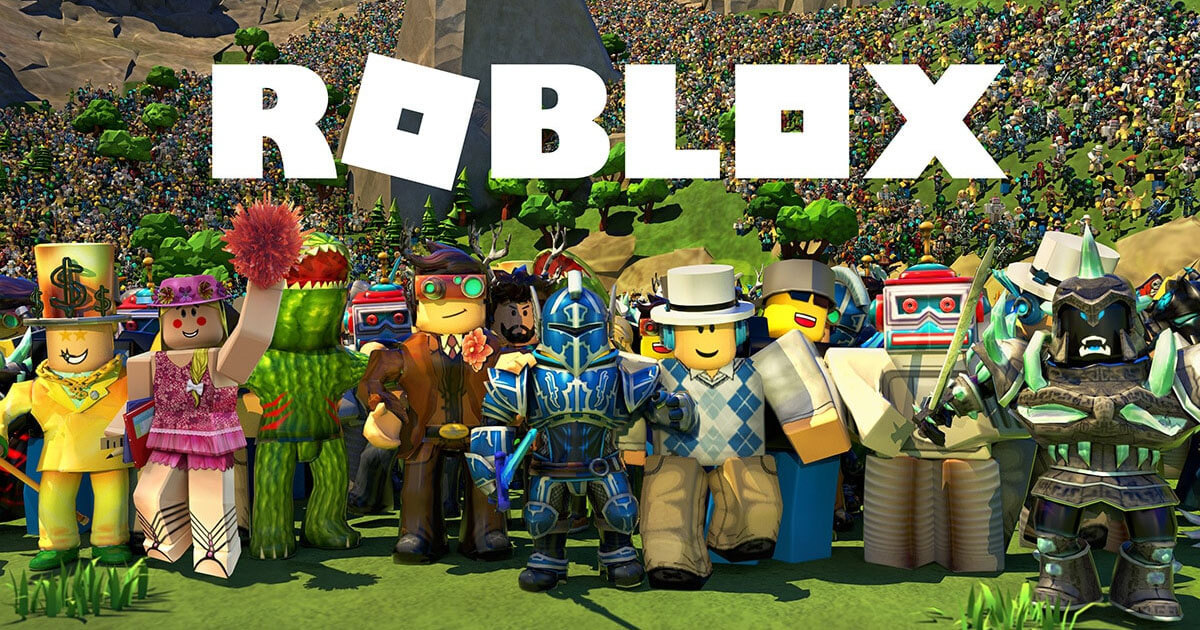 Get ready to rock your blox off
 Go ahead, tell the two guys wielding RPGs that their game is just a Lego knock-off. We’ll wait over here. Behind lots of cover.
 And without any awkward questions from the FDA about what’s actually in what you’re selling, to boot!
 The game that launched a thousand YouTube accounts
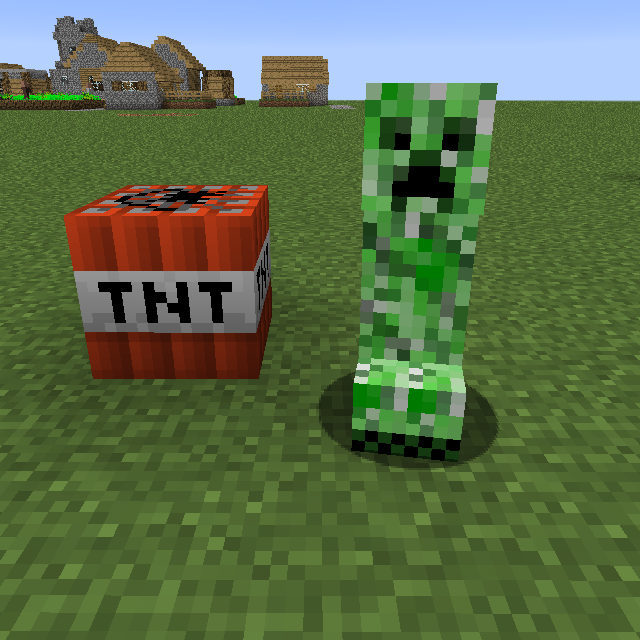 And even fewer people who don’t have a primal fear of THIS little jerk
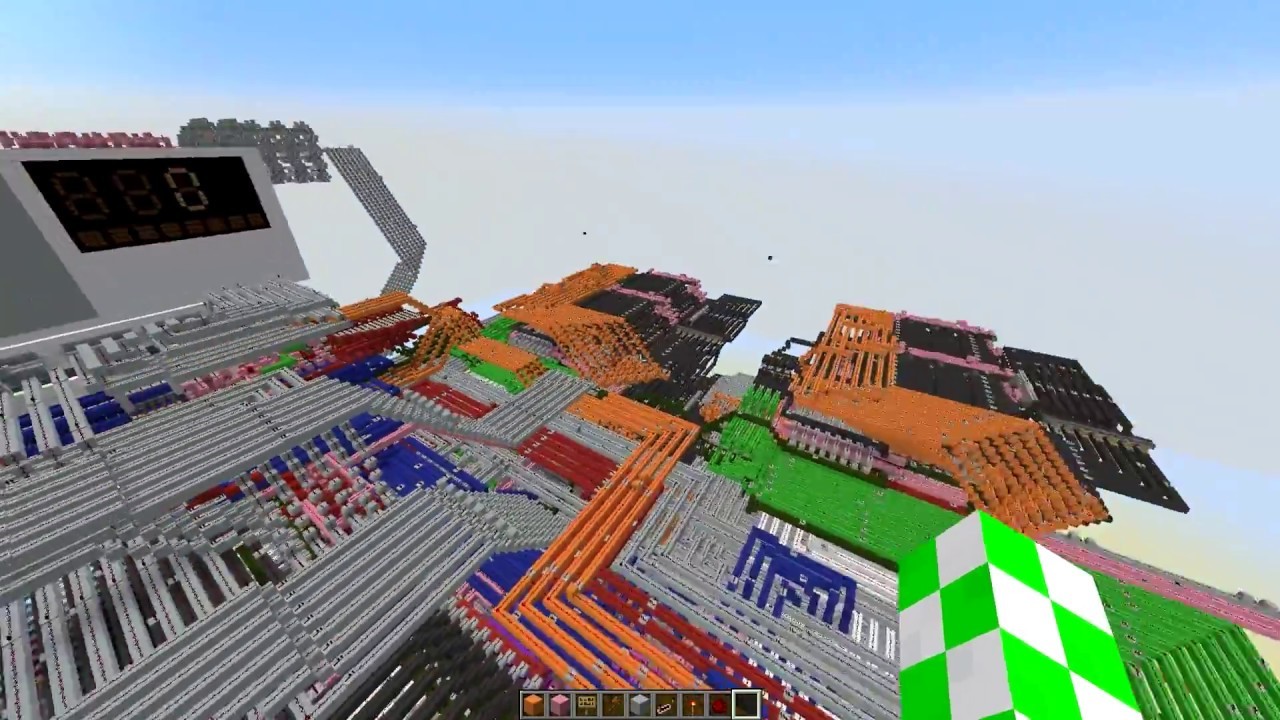 Can’t wait until we can honestly say that you can play Minecraft inside Minecraft
 “A Creeper blew up my homework!”
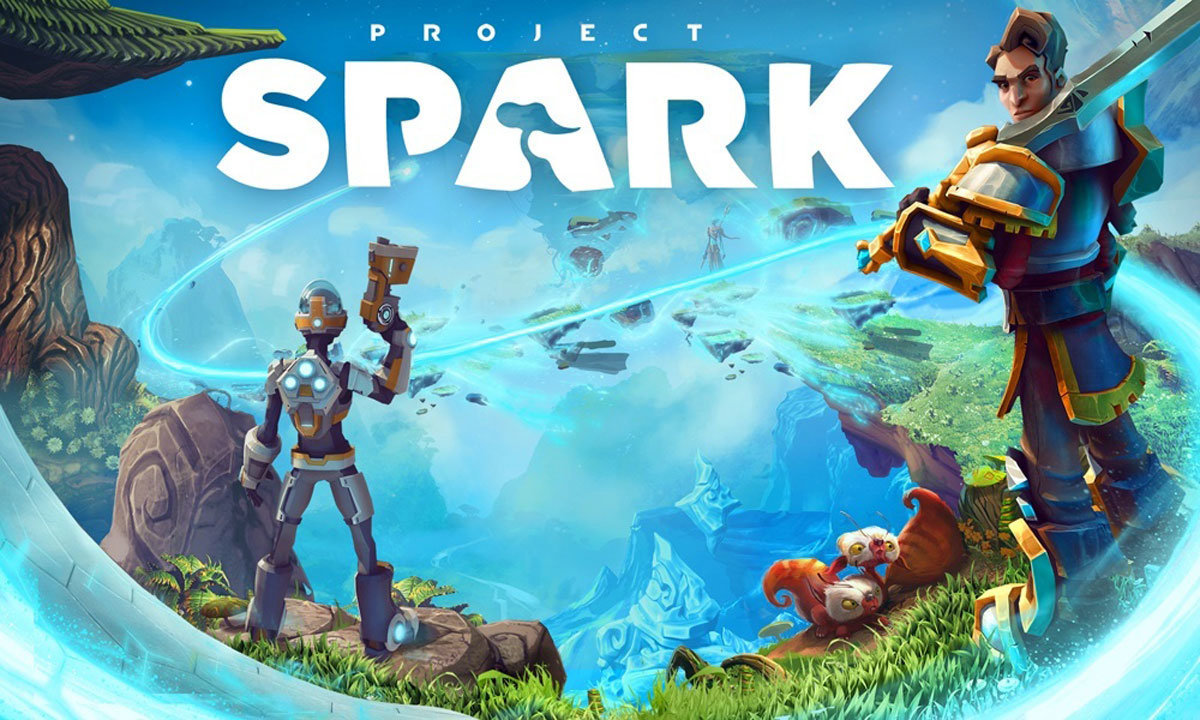 All those floating islands, and not a single railing in sight - OSHA would be displeased
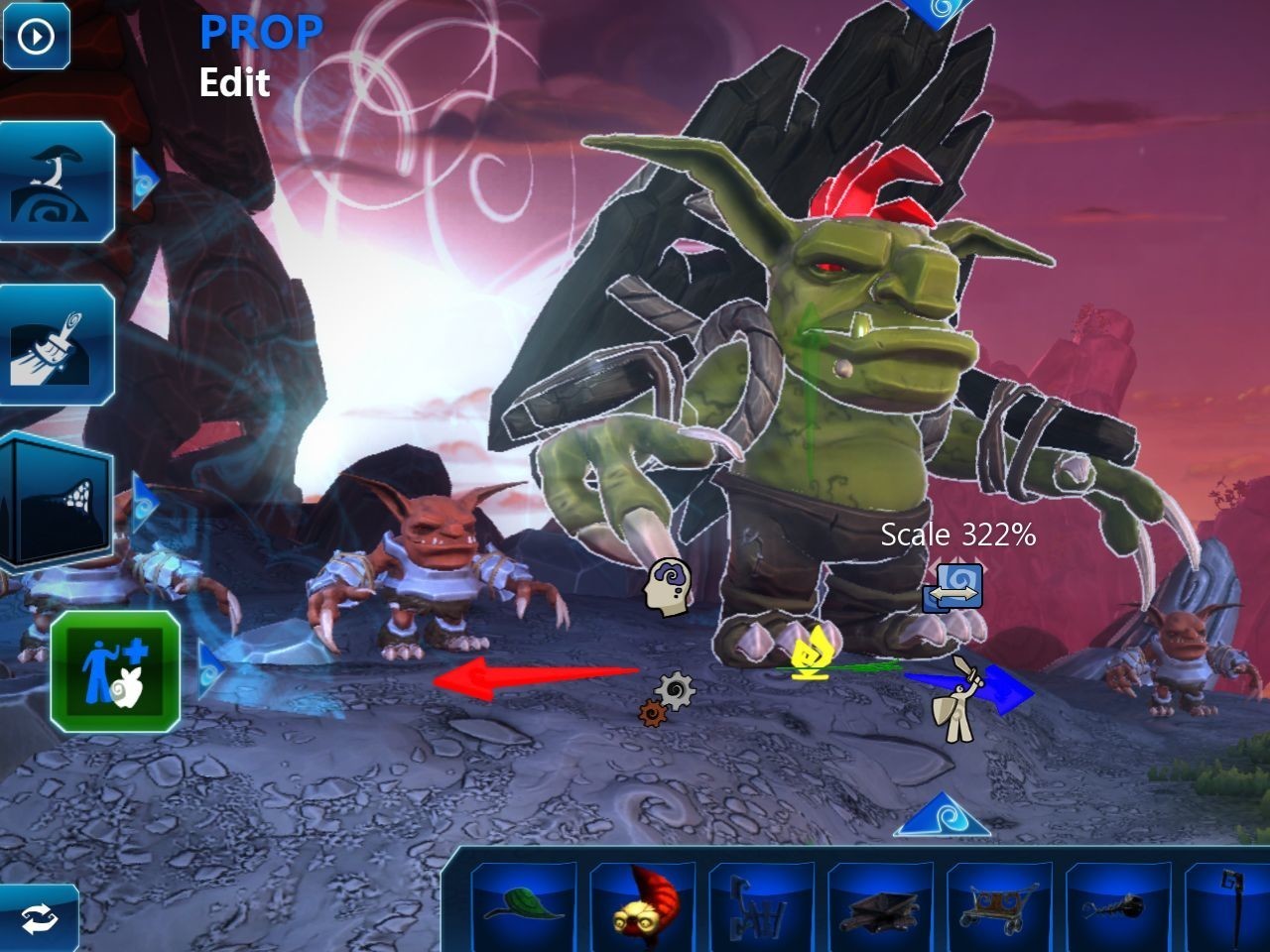 You could also custom edit the AI for all assets as well, for all you code junkies out there.
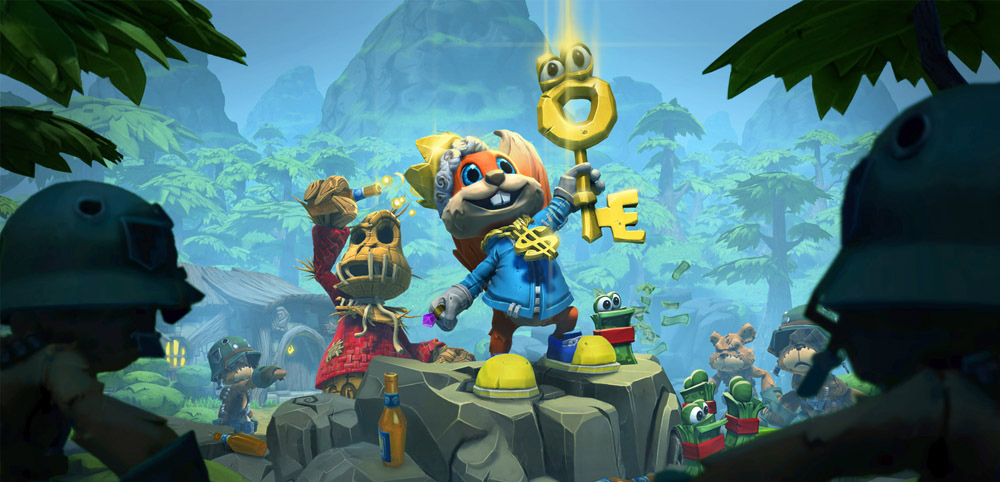 Not Pictured: All the profanity, gore, and offensive jokes that people actually think of when they think Conker.
 This game reminds us of the time our lead designer dreamt he was eating a five pound marshmallow, and when he woke up his pillow was missing…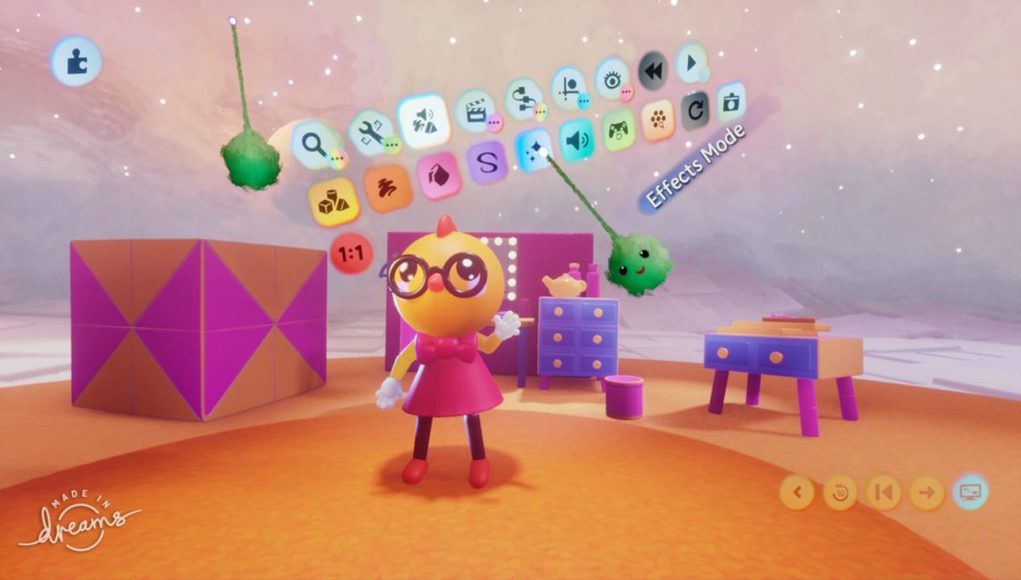
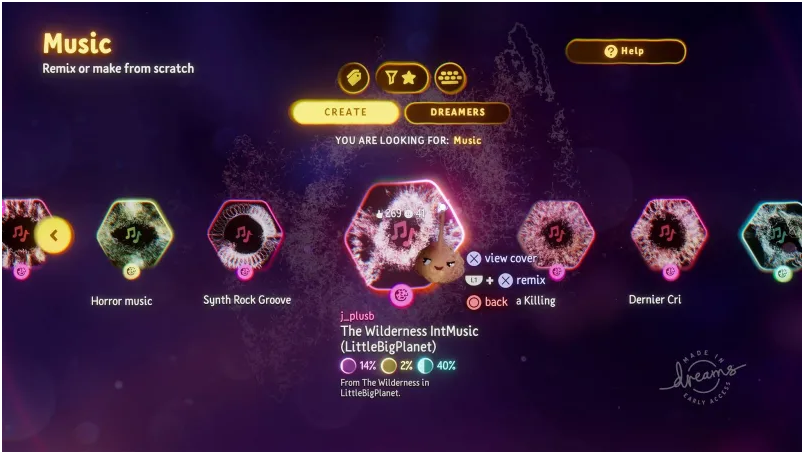

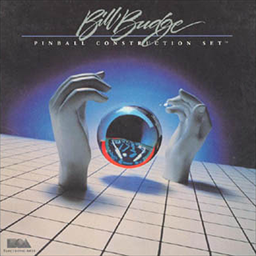 PCS got re-released a couple of times - this version had a particularly trippy cover
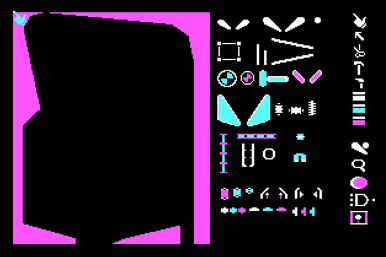 From humble beginnings…
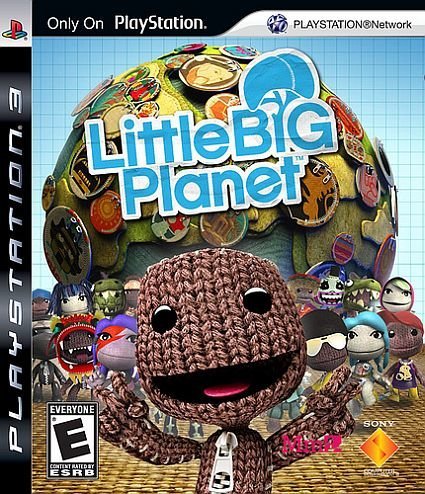 If you’ve played this game before, you’re already hearing Stephen Fry’s soothing voice
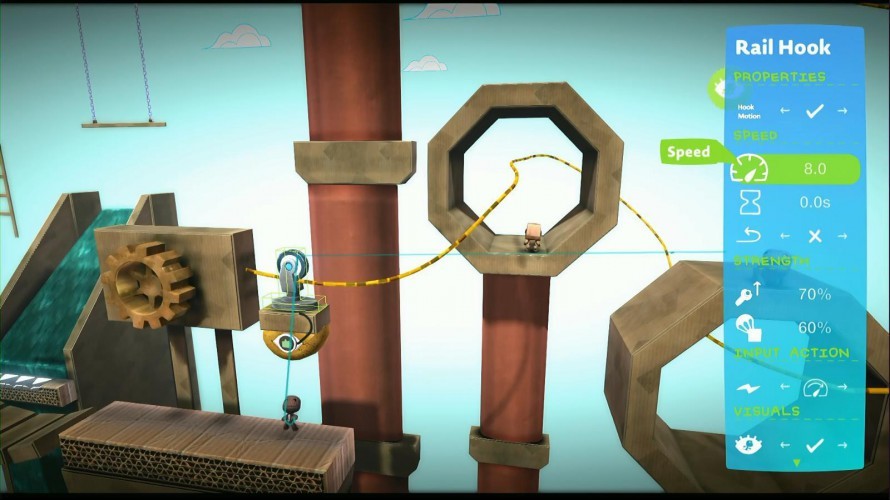 See that menu? Yeah, that’s just the customization options for ONE asset. LBP is complex, yo.
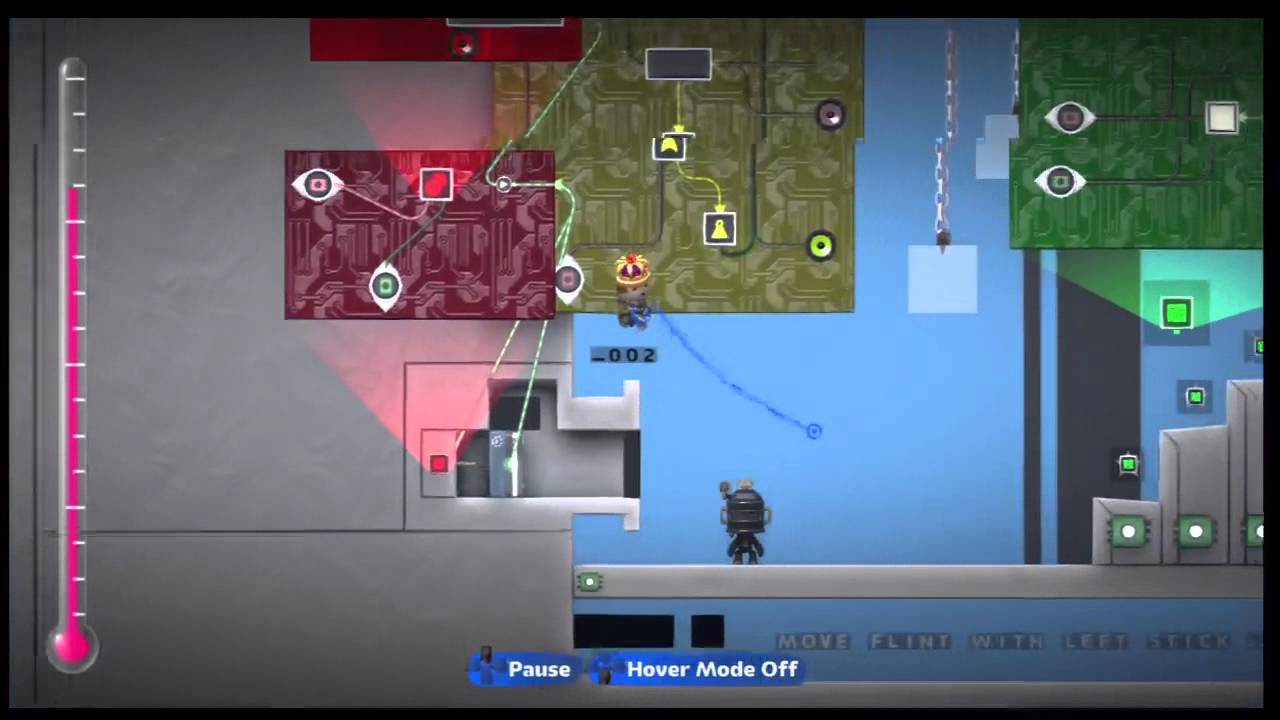 if(ReaderUnderstandsTheNonsenseAbove == True) {output (“You are a huge nerd.”);}
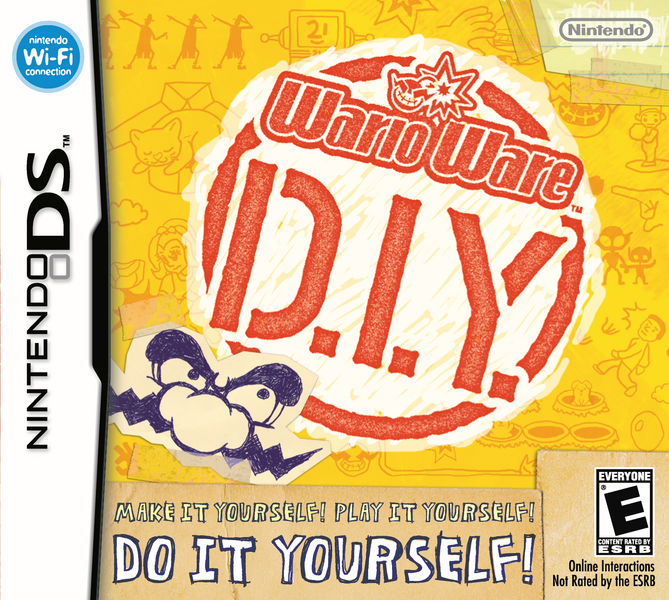 The box explains the intent of the game with all the subtlety you’d expect from Wario
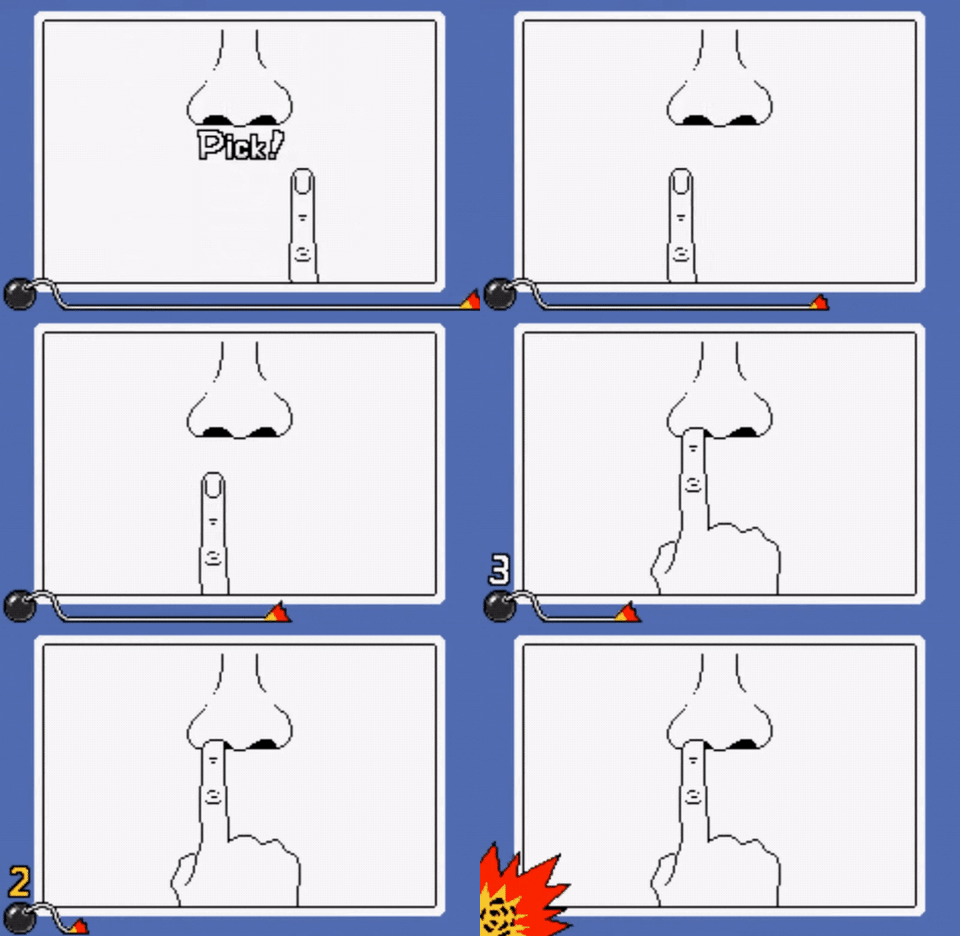 Pictured: A WarioWare game tasking you with picking a nose in under five seconds. Liberties taken with the context of this gif: None.
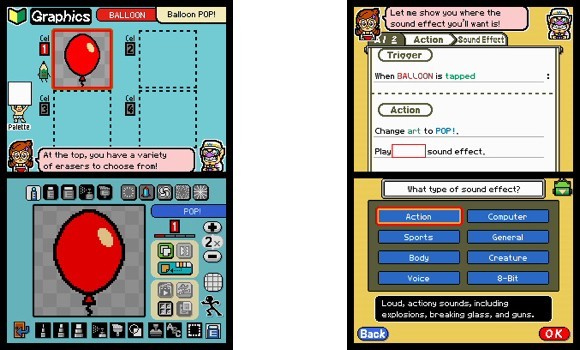 Admit it, you know you want to have the sound effect for popping the balloon be “Voice > Blood-Curdling Scream”. We won’t tell.
 We totally have no idea who made this game, but we’re sure their Community Managers must be incredibly funny, intelligent, and handsome
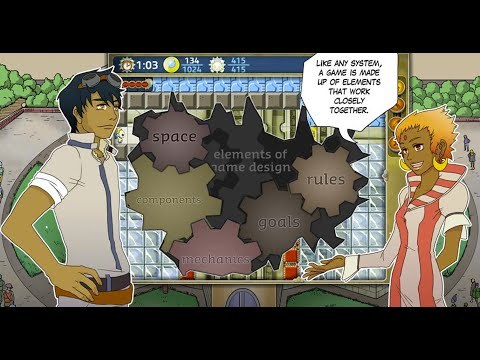 We were… not subtle about the educational component for this game, no.
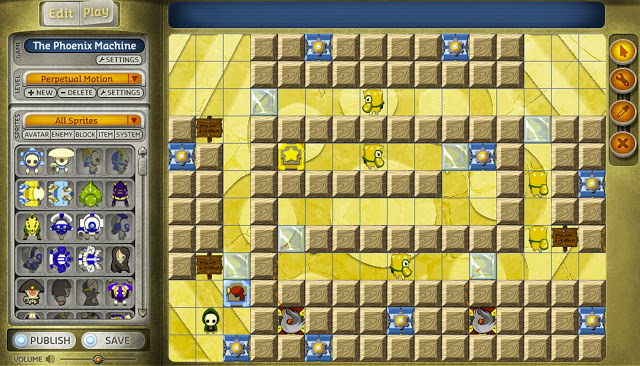 GSM’s level editor is entirely drag-and-drop. Game design has never been easier!... Or more shades of yellow, apparently.
 You Freakin’ Make It Then, If You’re So Gosh Darn Smart
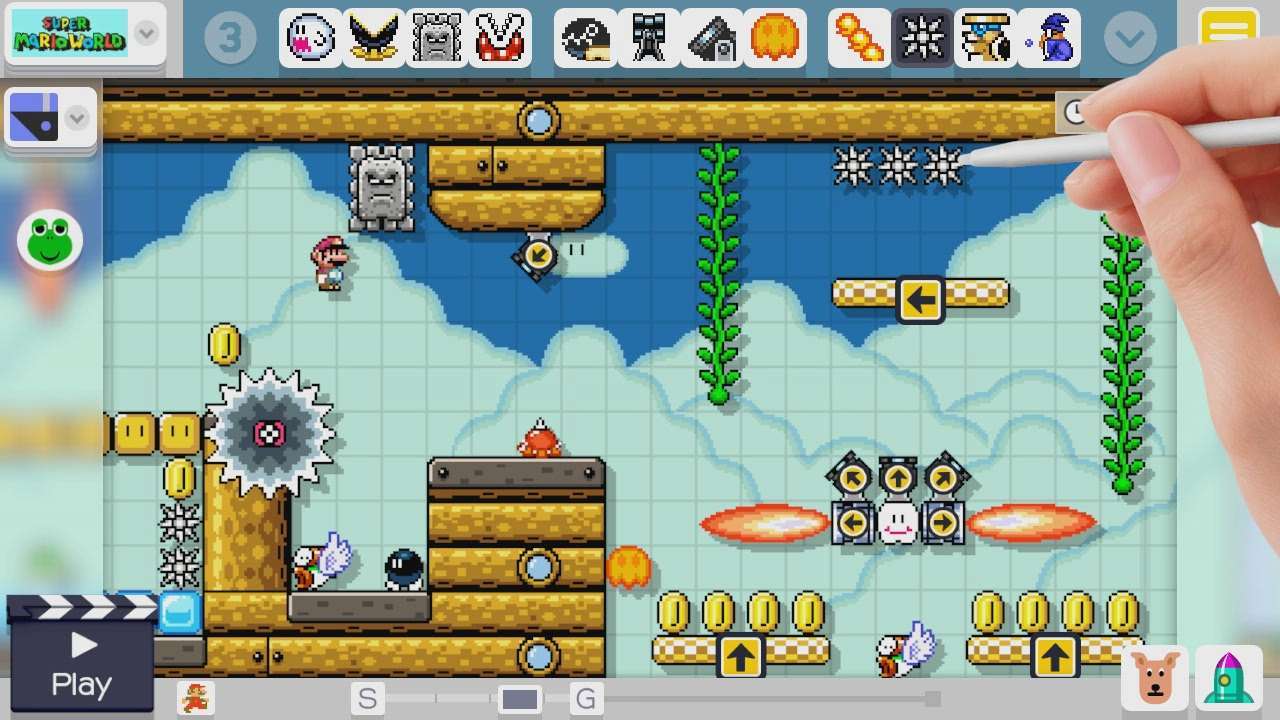 Not Pictured: The salty tears of the hundreds of players who are unable to defeat your brutally hard monstrosity of a level
 Yup.
Yup.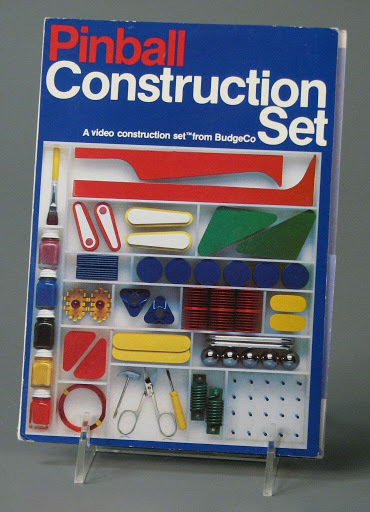 A game so old, it remembers the Reagan Administration
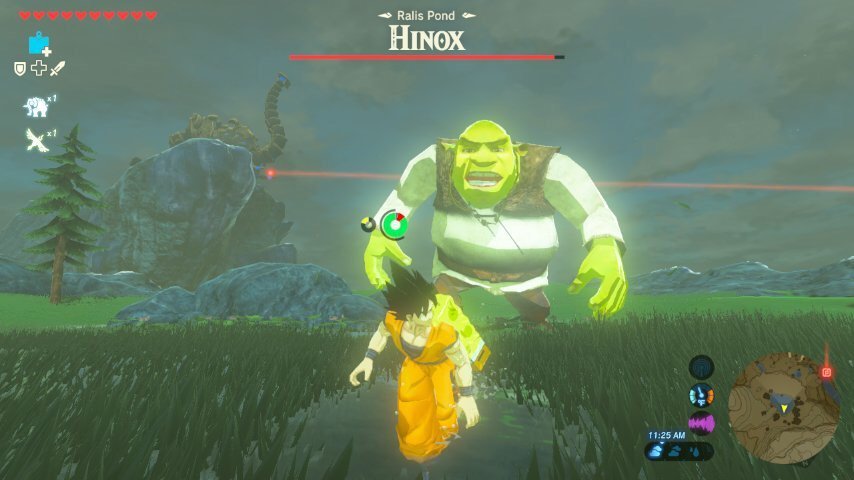 We all remember that part in The Legend of Zelda: Breath of the Wild where Goku fought Shrek while using Spongebob Squarepants as a shield, right? No? Just us?
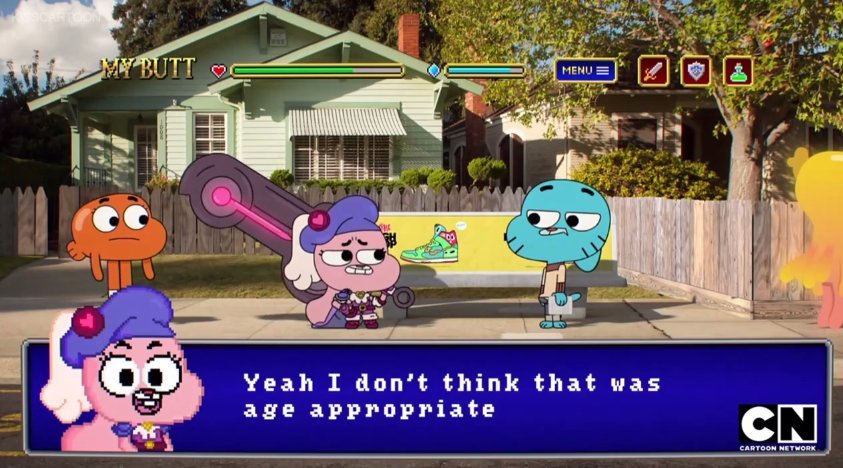 Pictured: That Guy (note his avatar’s name in the upper-left)
 From goofy webcomic to official publication - Yes, this is the same artist