Offer: Asian Week
Commanders!
Today we’ve prepared the following items for you:
[h2]Type 10[/h2]
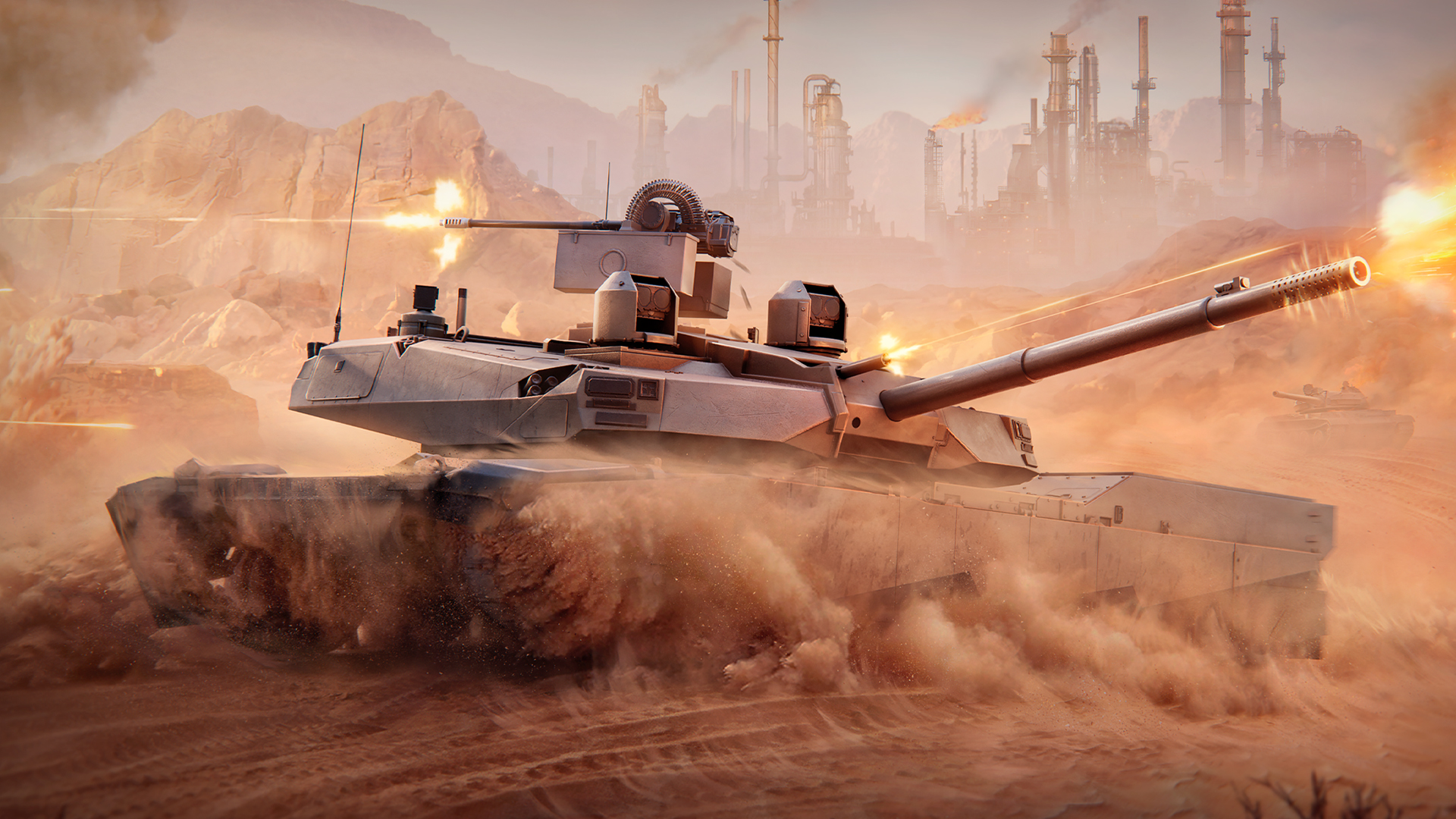
The Type 10 MBT is the most modern Japanese Main Battle Tank in service and one of the most advanced war machines in the world. Using sophisticated electronics and crystalline steel armor, this tank is more than a match for any enemy that would threaten the islands of Japan. You can learn more about it in our dedicated article.
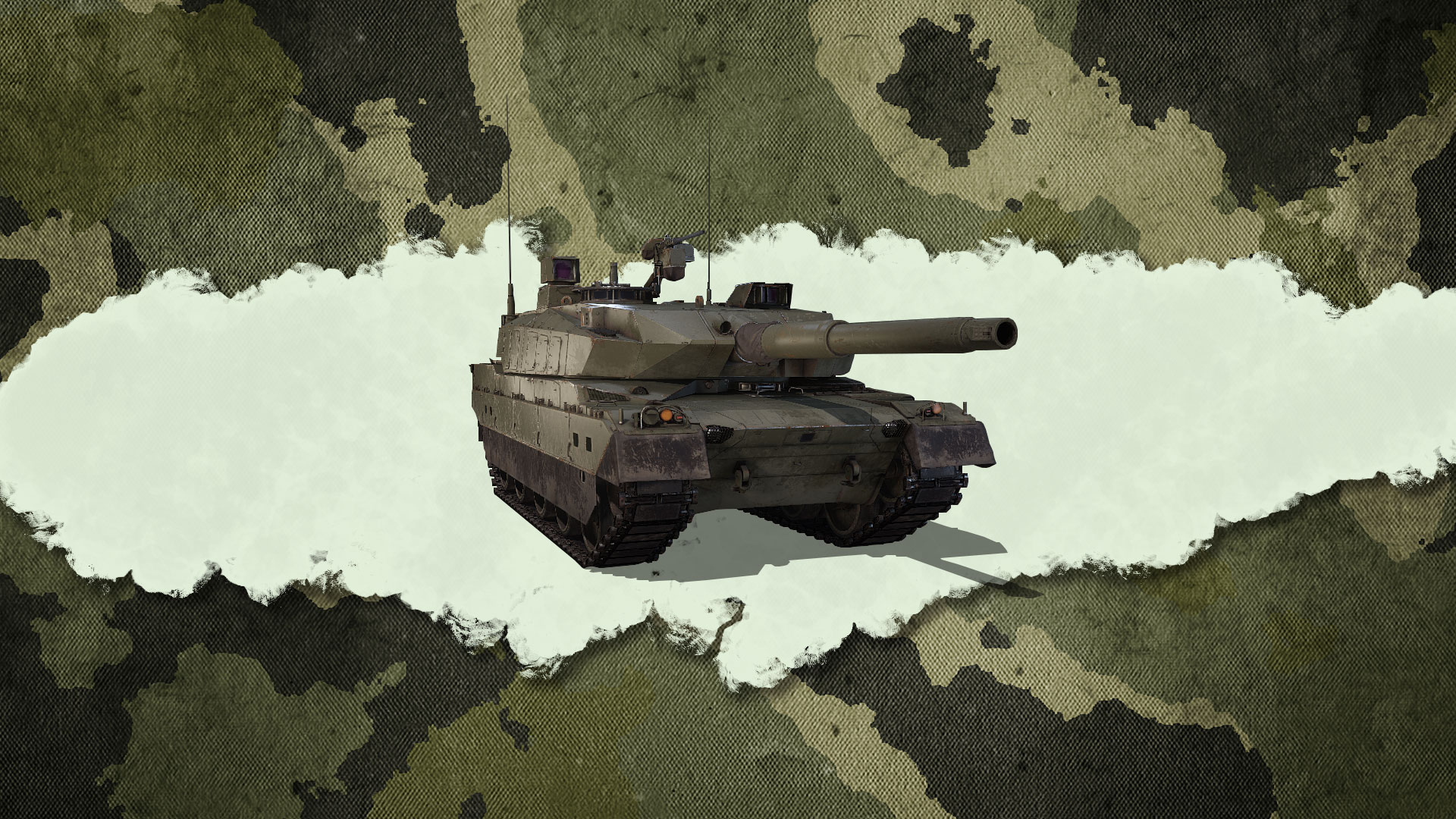
In Armored Warfare, the Type 10 is a Tier 10 Premium Main Battle Tank. What puts it apart from the other MBTs of its Tier is its special NERA armor. This highly-mobile MBT starts every battle well-armored, but the protection levels decrease with every shot taken. Additionally, this MBT features a special system that tells you the exact chance to penetrate your target. Overall, it’s one of the most powerful MBTs of its Tier and certainly a good choice for players, who prefer rapid action to slow advances.
The Type 10 Tier 10 Premium MBT is available in our Web Shop via Loot Crates. Collect 100 blueprint pieces from these crates to obtain the vehicle.

[h2]QN-506[/h2]
The QN-506 fire support vehicle is a Chinese attempt to design a cheap, export-oriented alternative to the Russian BMPT series. Instead of converting a second or third generation MBT, the engineers at Wuhan Guide Infrared Co., Ltd., likely to keep the vehicle as affordable as possible, opted to base their project on the Type 59 MBT, which is, in its basic form anyway, a copy of the old Soviet T-55 medium tank from the late 1950s. They jam-packed it with cutting edge electronics and a number of weapon systems, including ATGMs, an automatic cannon or smaller caliber rockets. However, despite the use of an unmanned turret, the protection levels of this vehicle are still quite low and, so far, there haven’t been any signs of interest in the QN-506. You can learn more about this vehicle in our dedicated article.
[previewyoutube][/previewyoutube]
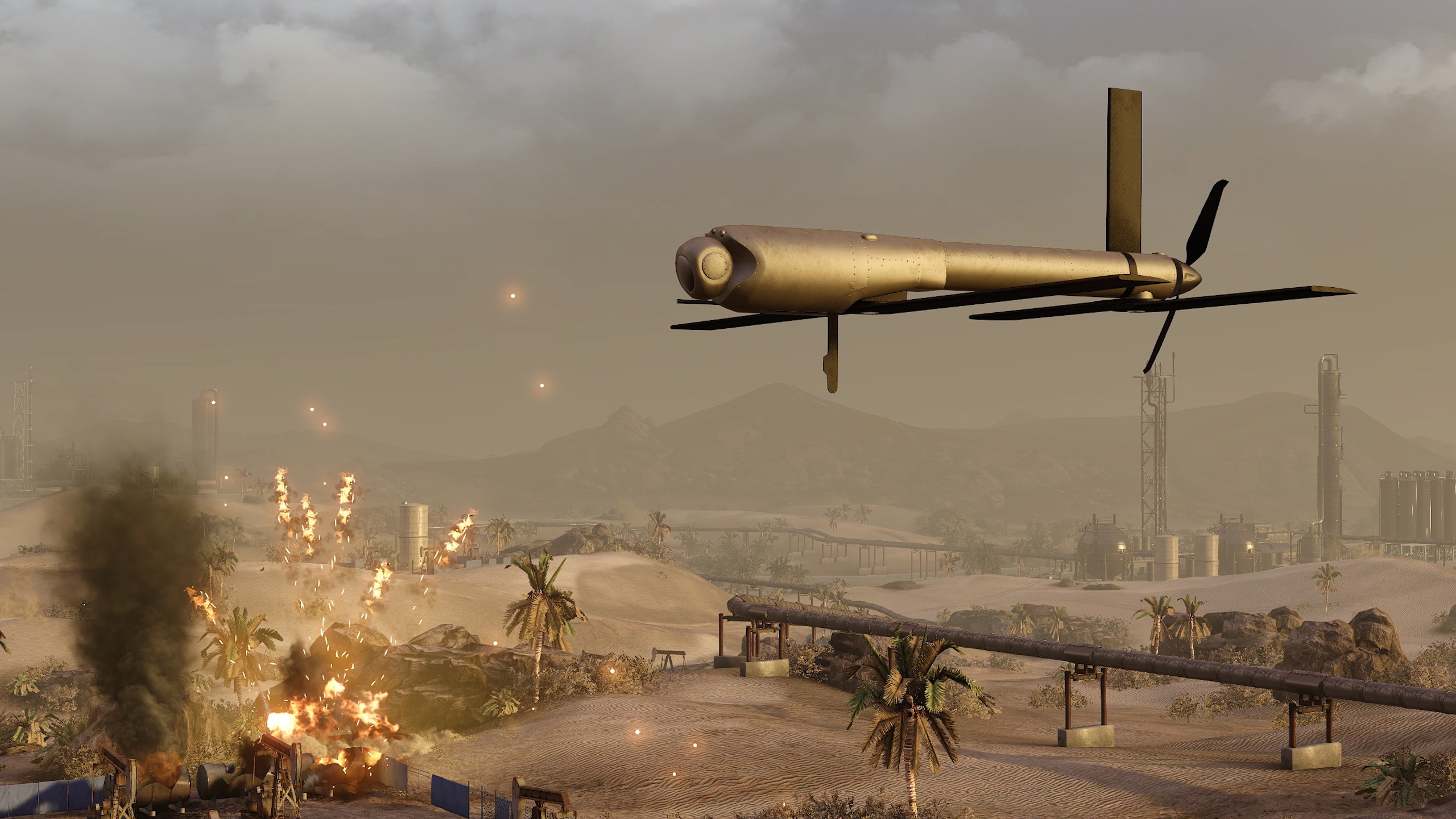
In Armored Warfare, the QN-506 is a Premium Tier 9 Tank Destroyer that gameplay-wise resembles the popular BMPT series. However, unlike the Russian Terminators, it has a number of interesting features including tree different weapon systems (30mm cannon, 70mm unguided rockets and 151mm ATGMs) and loitering recon ammunition flying towards the end of a map and spotting everything in its path. The last ability is unique to the QN-506 and makes it one of the most potent support vehicles on the battlefield.
Clicking the link below will open the game’s launcher. Please select the Market option on the left and select Armored Warfare to access this offer.

[h2]VT-5[/h2]
The VT-5 is a modern Chinese Light Tank that was developed specifically with export in mind. There are many reasons why a country without its own tank development should opt to purchase a Light Tank instead of a full-scale Main Battle Tank. It’s equally as fast if not faster with equal firepower but, what is most important, it is affordable. The VT-5 excels in all these categories. While its armor cannot match that of an MBT, it can protect its crew against most infantry threats thanks to its ERA and cage armor sets. It also has a powerful 105mm gun capable of firing guided missiles, it is packed with advanced electronics and is supremely agile thanks to its 1000hp diesel engine. Simply put, wraps cutting edge technologies up into an affordable bundle. You can learn more about it in a dedicated article.
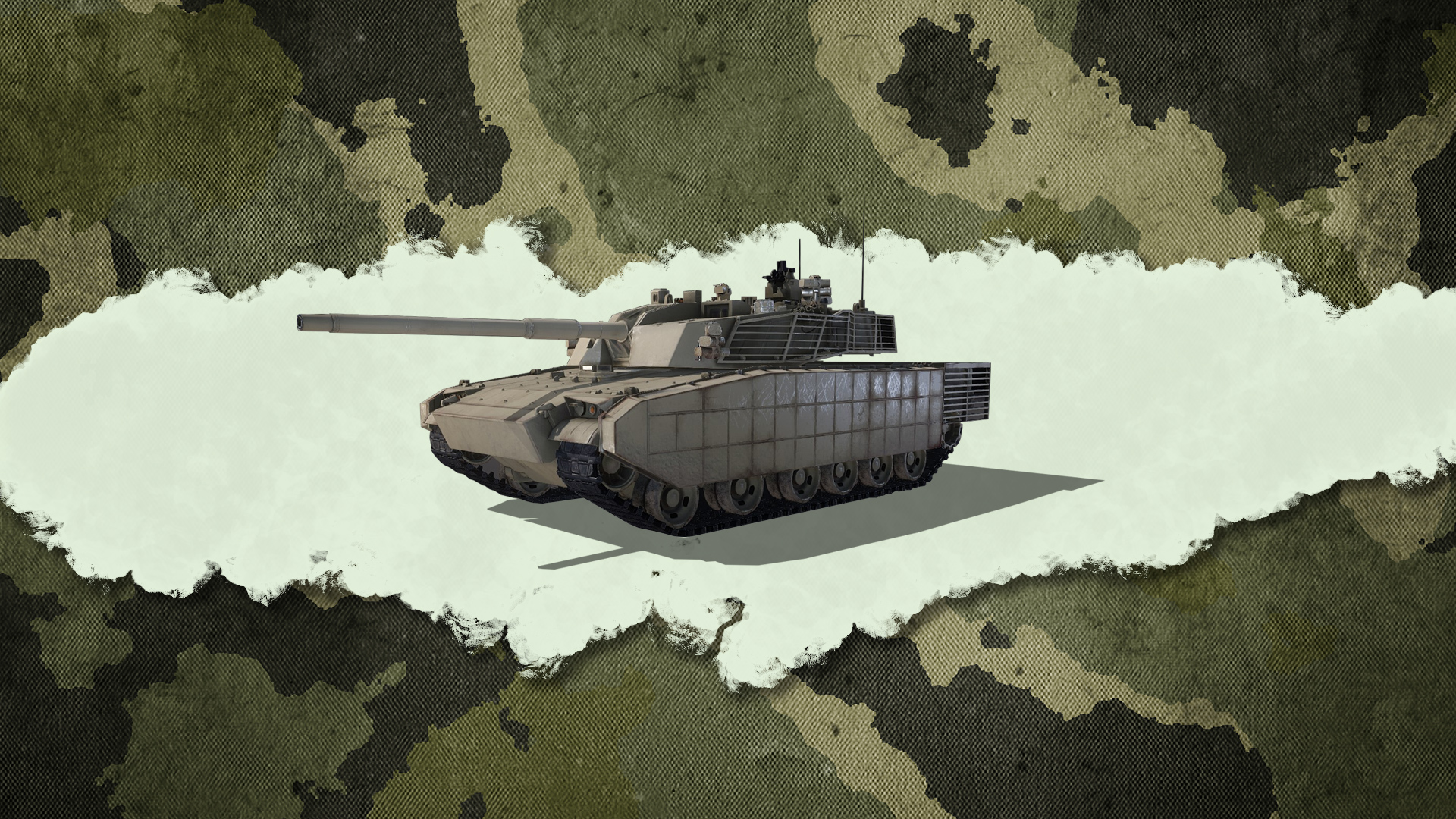
In Armored Warfare, the VT-5 is a very powerful Tier 9 Premium Light Tank. Fast and agile, it features solid levels of protection (the configuration in the game is the one featuring the ERA kit as well as the turret cage armor) and a good rate of fire. Additionally, its gun is capable of firing guided missiles. It’s an ideal machine for players who value speed and agility, as it offers plenty of both. The VT-5 is capable of dancing around its opponents on the battlefield, outperforming even some AFVs in mobility.
Clicking the link below will open the game’s launcher. Please select the Market option on the left and select Armored Warfare to access this offer.
[h2]Pindad SBS[/h2]
The SBS platform is one of the first domestic armored vehicles developed by Pindad (the largest Indonesian armor producer) for Indonesia and is officially listed as a “light tank”. It was developed sometimes in the early 2010s with some prototypes in different configuration appearing in public in 2014 or so. The variant in the game is a long-range MLRS fire support vehicle with a 122mm multi-barreled rocket launcher. You can learn more about it in our dedicated article.
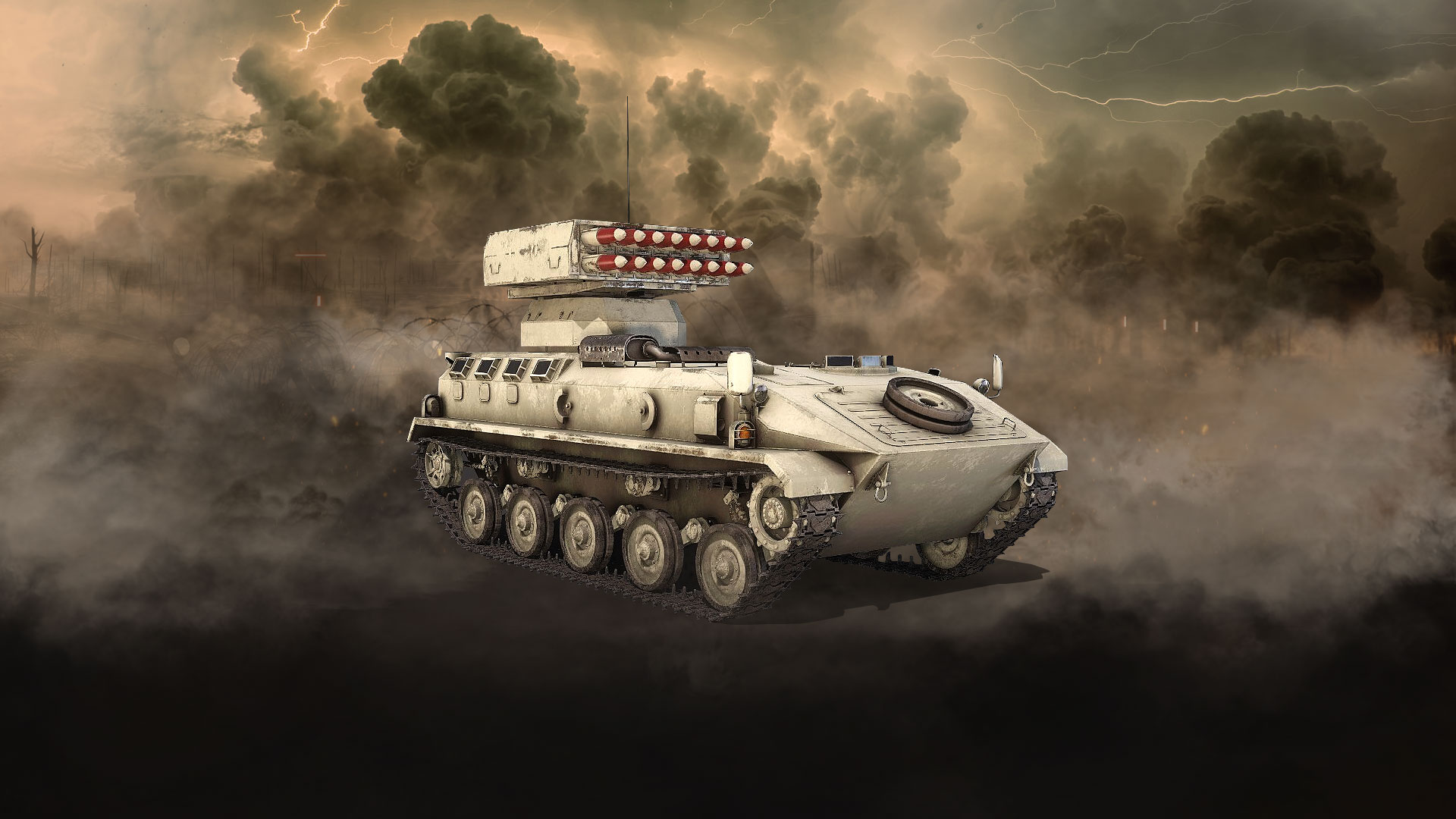
In Armored Warfare, the Pindad SBS is a Tier 8 Premium Armored Fighting Vehicle. This AFV is fairly unique, since its main weapon is a multi-barreled rocket launcher capable of firing over obstacles. This makes the Pindad incredibly powerful in both offense and defense. Static enemy targets stand no chance! This vehicle is best used with Commander Ophelia Kitescu and in a platoon – the firepower of such a formation is truly without equal.
Clicking the link below will open the game’s launcher. Please select the Market option on the left and select Armored Warfare to access this offer.
[h2]Type 90[/h2]
The Type 90 is the current service main battle tank of the Japanese Self-Defense Force. On the outside, it vaguely resembled the German Leopard 2, but inside, the vehicle’s completely different. It was adequately armed and armored for the time it was developed in, but what made it really stand out were its cutting-edge Japanese electronics and its hydraulic suspension, allowing the tank to tilt itself forward or backward, enhancing its gun elevation and depression beyond what the turret would normally allow. This trait was considered to be an important for Japan, as much of its landmass is covered by mountainous areas. You can read more about it in our dedicated article.
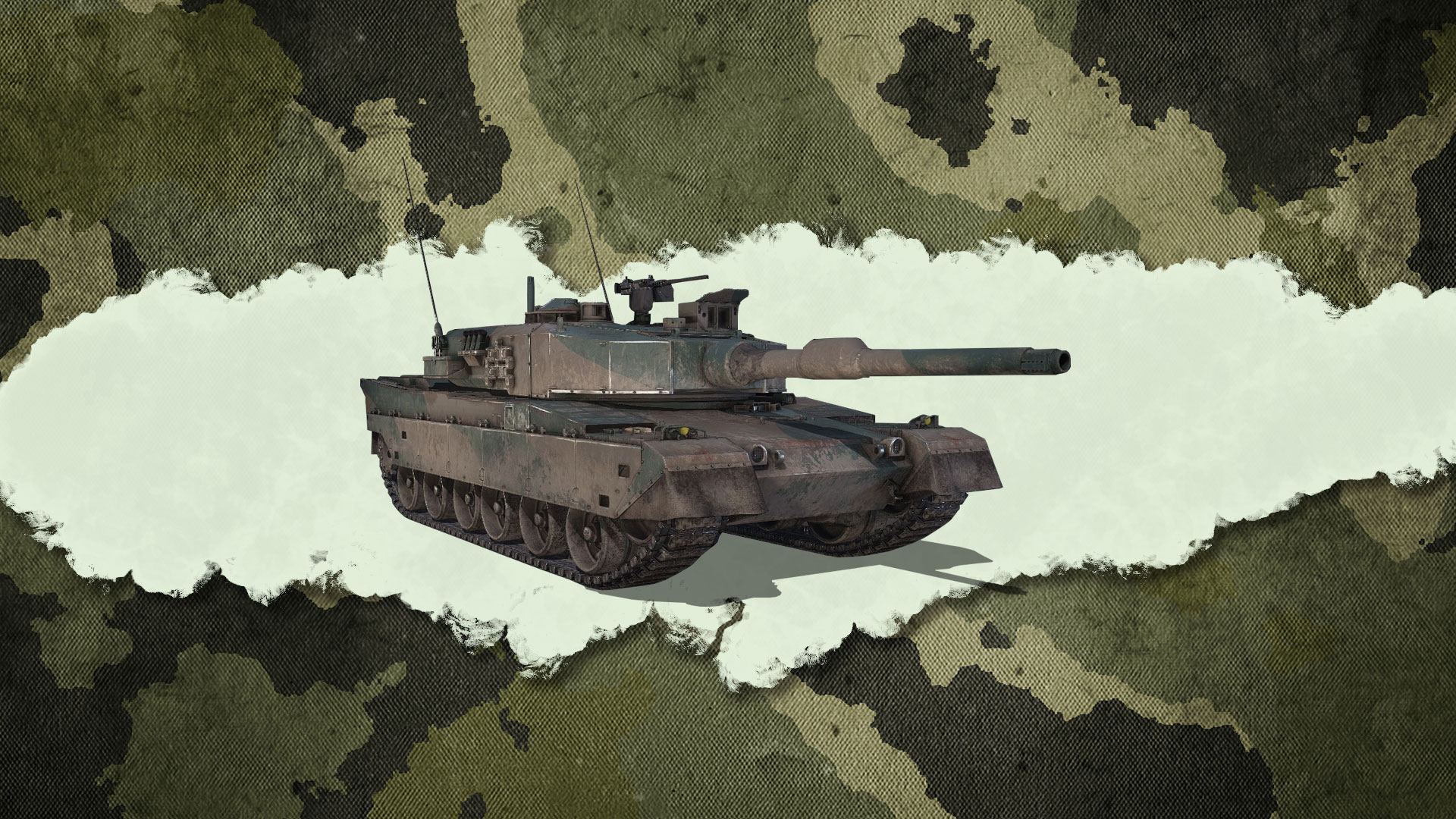
In Armored Warfare, the Type 90 is a Tier 7 Premium Main Battle Tank. Gameplay-wise, it resembles the Leopard 2 and Abrams version of the same Tier. The difference between the Leopard and the Type 90 MBT lie in the presence of an automatic loading mechanism – otherwise, the firepower and protection levels is roughly the same with the Japanese tank having a little less armor, compensated by more module hitpoints. Overall, it is not the best-protected MBT on the battlefield, requiring careful long-range gameplay. However, the advanced electronics installed in this tank as well as its hydraulic suspension allow it to aim faster than all its class and Tier counterparts.
The Type 90 is also available in the Japanese bundle, which contains:
You can learn more about the Japanese camouflage in our dedicated article.
Clicking the link below will open the game’s launcher. Please select the Market option on the left and select Armored Warfare to access this offer.
[h2]Pile of Gold[/h2]
We also have the Pile of Gold Loot Crate for you. This Loot Crate contains copious amounts of Gold for you to win.

This Loot Crate includes:
We hope that you will enjoy the offer and, as always:
See you on the battlefield!
Today we’ve prepared the following items for you:
- Type 10 Tier 10 Premium Main Battle Tank
- QN-506 Tier 9 Premium Tank Destroyer
- VT-5 Tier 9 Premium Light Tank
- Pindad SBS Tier 8 Premium Armored Fighting Vehicle
- Type 90 Tier 7 Premium Main Battle Tank along with Japanese camouflage
- Pile of Gold Loot Crate
[h2]Type 10[/h2]
The Type 10 MBT is the most modern Japanese Main Battle Tank in service and one of the most advanced war machines in the world. Using sophisticated electronics and crystalline steel armor, this tank is more than a match for any enemy that would threaten the islands of Japan. You can learn more about it in our dedicated article.
In Armored Warfare, the Type 10 is a Tier 10 Premium Main Battle Tank. What puts it apart from the other MBTs of its Tier is its special NERA armor. This highly-mobile MBT starts every battle well-armored, but the protection levels decrease with every shot taken. Additionally, this MBT features a special system that tells you the exact chance to penetrate your target. Overall, it’s one of the most powerful MBTs of its Tier and certainly a good choice for players, who prefer rapid action to slow advances.
The Type 10 Tier 10 Premium MBT is available in our Web Shop via Loot Crates. Collect 100 blueprint pieces from these crates to obtain the vehicle.
[h2]QN-506[/h2]
The QN-506 fire support vehicle is a Chinese attempt to design a cheap, export-oriented alternative to the Russian BMPT series. Instead of converting a second or third generation MBT, the engineers at Wuhan Guide Infrared Co., Ltd., likely to keep the vehicle as affordable as possible, opted to base their project on the Type 59 MBT, which is, in its basic form anyway, a copy of the old Soviet T-55 medium tank from the late 1950s. They jam-packed it with cutting edge electronics and a number of weapon systems, including ATGMs, an automatic cannon or smaller caliber rockets. However, despite the use of an unmanned turret, the protection levels of this vehicle are still quite low and, so far, there haven’t been any signs of interest in the QN-506. You can learn more about this vehicle in our dedicated article.
[previewyoutube][/previewyoutube]
In Armored Warfare, the QN-506 is a Premium Tier 9 Tank Destroyer that gameplay-wise resembles the popular BMPT series. However, unlike the Russian Terminators, it has a number of interesting features including tree different weapon systems (30mm cannon, 70mm unguided rockets and 151mm ATGMs) and loitering recon ammunition flying towards the end of a map and spotting everything in its path. The last ability is unique to the QN-506 and makes it one of the most potent support vehicles on the battlefield.
Clicking the link below will open the game’s launcher. Please select the Market option on the left and select Armored Warfare to access this offer.
[h2]VT-5[/h2]
The VT-5 is a modern Chinese Light Tank that was developed specifically with export in mind. There are many reasons why a country without its own tank development should opt to purchase a Light Tank instead of a full-scale Main Battle Tank. It’s equally as fast if not faster with equal firepower but, what is most important, it is affordable. The VT-5 excels in all these categories. While its armor cannot match that of an MBT, it can protect its crew against most infantry threats thanks to its ERA and cage armor sets. It also has a powerful 105mm gun capable of firing guided missiles, it is packed with advanced electronics and is supremely agile thanks to its 1000hp diesel engine. Simply put, wraps cutting edge technologies up into an affordable bundle. You can learn more about it in a dedicated article.
In Armored Warfare, the VT-5 is a very powerful Tier 9 Premium Light Tank. Fast and agile, it features solid levels of protection (the configuration in the game is the one featuring the ERA kit as well as the turret cage armor) and a good rate of fire. Additionally, its gun is capable of firing guided missiles. It’s an ideal machine for players who value speed and agility, as it offers plenty of both. The VT-5 is capable of dancing around its opponents on the battlefield, outperforming even some AFVs in mobility.
Clicking the link below will open the game’s launcher. Please select the Market option on the left and select Armored Warfare to access this offer.
[h2]Pindad SBS[/h2]
The SBS platform is one of the first domestic armored vehicles developed by Pindad (the largest Indonesian armor producer) for Indonesia and is officially listed as a “light tank”. It was developed sometimes in the early 2010s with some prototypes in different configuration appearing in public in 2014 or so. The variant in the game is a long-range MLRS fire support vehicle with a 122mm multi-barreled rocket launcher. You can learn more about it in our dedicated article.
In Armored Warfare, the Pindad SBS is a Tier 8 Premium Armored Fighting Vehicle. This AFV is fairly unique, since its main weapon is a multi-barreled rocket launcher capable of firing over obstacles. This makes the Pindad incredibly powerful in both offense and defense. Static enemy targets stand no chance! This vehicle is best used with Commander Ophelia Kitescu and in a platoon – the firepower of such a formation is truly without equal.
Clicking the link below will open the game’s launcher. Please select the Market option on the left and select Armored Warfare to access this offer.
[h2]Type 90[/h2]
The Type 90 is the current service main battle tank of the Japanese Self-Defense Force. On the outside, it vaguely resembled the German Leopard 2, but inside, the vehicle’s completely different. It was adequately armed and armored for the time it was developed in, but what made it really stand out were its cutting-edge Japanese electronics and its hydraulic suspension, allowing the tank to tilt itself forward or backward, enhancing its gun elevation and depression beyond what the turret would normally allow. This trait was considered to be an important for Japan, as much of its landmass is covered by mountainous areas. You can read more about it in our dedicated article.
In Armored Warfare, the Type 90 is a Tier 7 Premium Main Battle Tank. Gameplay-wise, it resembles the Leopard 2 and Abrams version of the same Tier. The difference between the Leopard and the Type 90 MBT lie in the presence of an automatic loading mechanism – otherwise, the firepower and protection levels is roughly the same with the Japanese tank having a little less armor, compensated by more module hitpoints. Overall, it is not the best-protected MBT on the battlefield, requiring careful long-range gameplay. However, the advanced electronics installed in this tank as well as its hydraulic suspension allow it to aim faster than all its class and Tier counterparts.
The Type 90 is also available in the Japanese bundle, which contains:
- Type 90 Tier 7 Premium MBT
- Japanese camouflage
- Two Japanese decals
- Japanese red flag
You can learn more about the Japanese camouflage in our dedicated article.
Clicking the link below will open the game’s launcher. Please select the Market option on the left and select Armored Warfare to access this offer.
[h2]Pile of Gold[/h2]
We also have the Pile of Gold Loot Crate for you. This Loot Crate contains copious amounts of Gold for you to win.
This Loot Crate includes:
- 250.000 Gold
- 100.000 Gold
- 50.000 Gold
- 10.000 Gold
- 5.000 Gold
- 1.000 Gold
- 500 Gold
- 100 Gold
We hope that you will enjoy the offer and, as always:
See you on the battlefield!