1. Armored Warfare
  2. News

Armored Warfare News

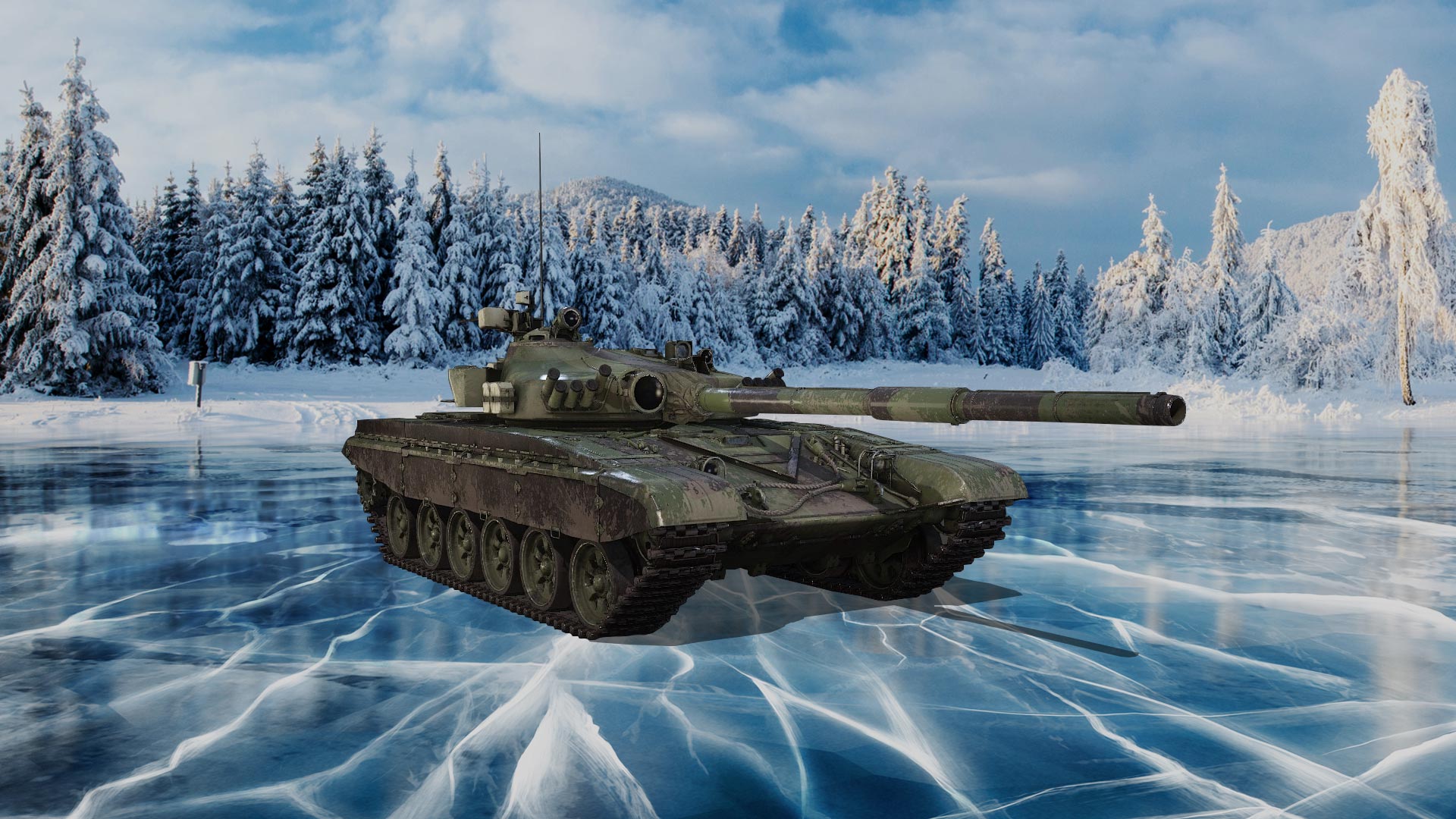
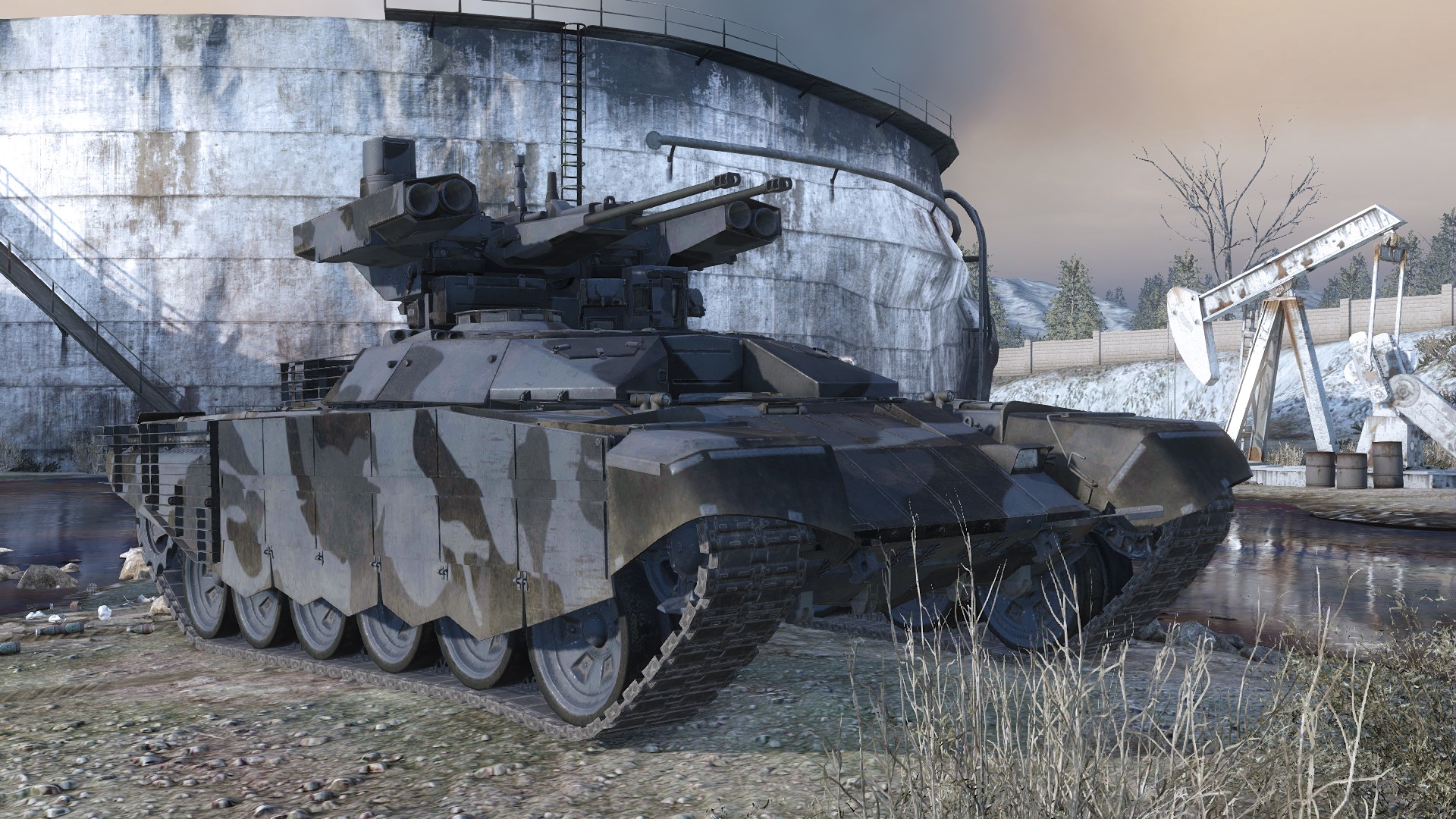
Historical Skins – BMPT-72 Defender

Commanders!

As every year, we’re preparing a series of Russian-themed skins, camouflages, decals and flags for the Defender of the Fatherland Day celebrations that take place on February 23 and the main part of the bundle will be the BMPT-72 Defender skin.


The overall topic of the bundle is rather specific – Buryatia, one of Russia’s Far East republics. Buryatia is a rather small region neighboring Mongolia with roughly a million inhabitants, its territory wound against the famous Lake Baikal. A considerable portion of Buryatia’s citizens are Buddhists with this religion being the most prevalent along with Russian Orthodoxy. Economy-wise, the region is an agricultural one with most of the exports being nature-related, such as wood, food and other agricultural products.
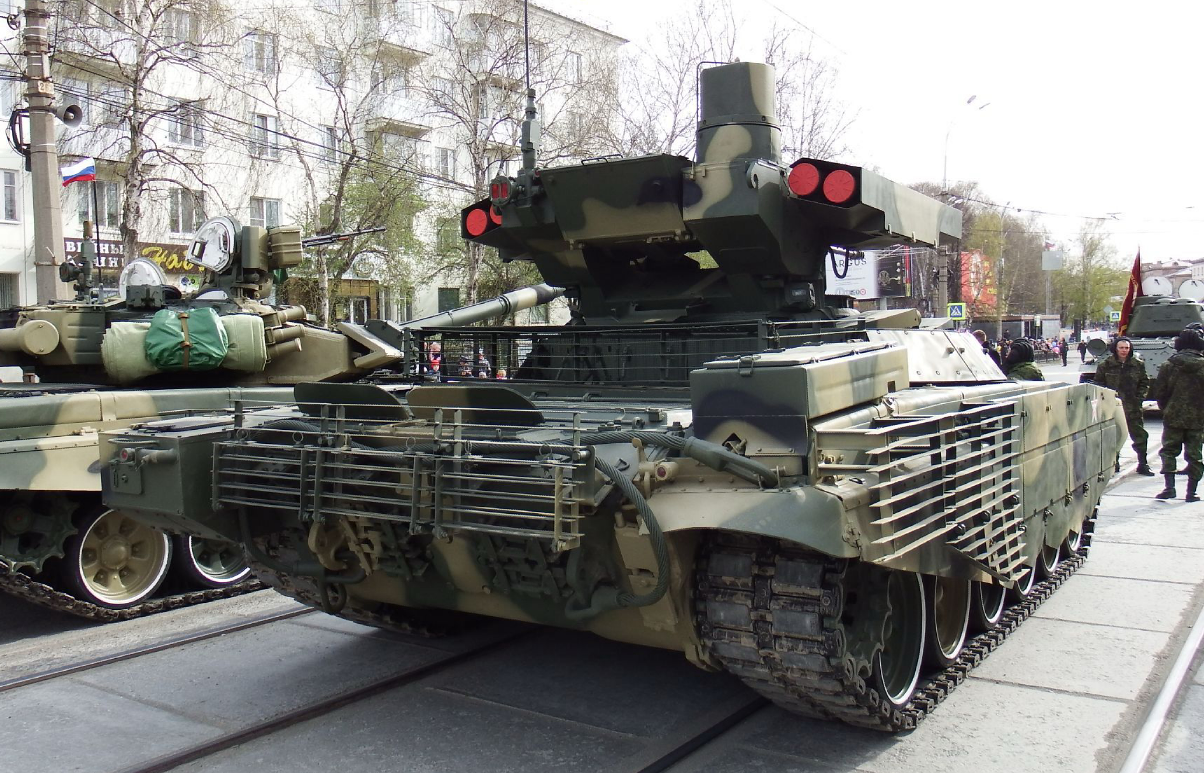


But what Buryatia does have is a proud military history and that’s where the Defender skin comes in because it’s inspired by the 5th Separate Guards Tank Brigade “Tatsinskaya”, a unit from Ulan-Ude, Buryatia’s capital.


The unit has a long history going all the way back to the Second World War and the Battle of Stalingrad, during which the 24th Tank Corps participated in the Tatsinskaya Station raid that laid waste to the airport that represented a vital chain link in the German Stalingrad army supply line with no fewer than 60 enemy planes destroyed on the ground. This raid directly accelerated the collapse of the 6th Army under Field Marshal Paulus. The unit took major losses during the Stalingrad battle (at the beginning it had 159 tanks but only 58 tanks at the end) and was re-formed into the 2nd Guards Tank Corps while receiving the honorific “Tatsinskyi”.

This unit then participated in the Battle of Kursk, was at Prokhorovka during the famous tank clash and was the first Soviet formations to enter Minsk during its liberation in July 1944. The war ended for the formation in the February of 1945 in East Prussia – it was rotated out of combat during the East Prussian offensive and the war had ended before its return to active duty.


In the July of 1945, the unit was once again reformed into the 2nd Guards Tank Division stationed in the Leningrad Area. In 1968, the unit was transferred to Choibalsan in Mongolia, where it stayed until 1990, gradually upgrading its tank arsenal from T-62s to T-72s. During and after the fall of the Soviet Union, the unit got gradually downsized until it was disbanded in 2005, its honorifics and traditions passing to several other units until the 2008 Russian military reform, during which they came to the newly formed Buryatian 5th Separate Guards Tank Brigade stationed at Divizionnaya, Ulan-Ude.

From there, the unit’s history gets a bit murky. A portion of the unit was stationed in Syria during the Russian intervention there, but some elements of it also fought (unmarked) during the battle of Debaltseve in 2015. After the beginning of the Special Operation, the 5th Separate Guards Tank Brigade “Tatsinskaya” was involved in the thickest of fighting and gained a reputation for being reliable, competent troops.


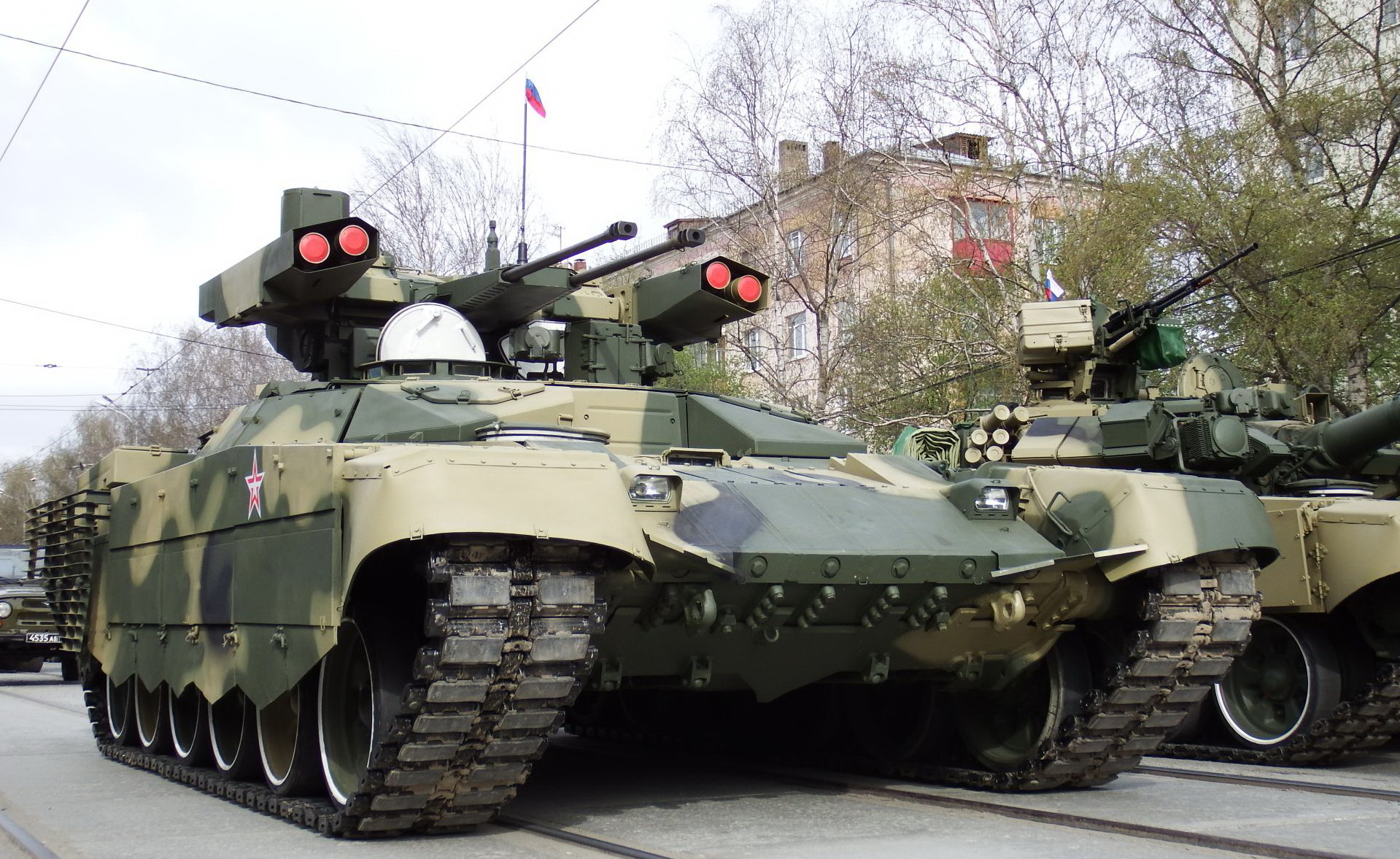
As for the BMPT skin – as you know, BMPT-72 is not a mass-produced vehicle. The Russian Army currently successfully uses the Russian service pattern Terminators in combat but these are T-90 based, not T-72 based. We chose the BMPT-72 as a baseline simply because it has no skin available to it to date while the BMPT Mod.2017, which is closer to the actual service Terminator, already has two.


The BMPT-72 Defender bears the markings of 5th Separate Guards Tank Brigade as seen on several of its service vehicles and was slightly updated to somewhat match the Russian service BMPT – it has a different weather sensor as well as a new box on its right rear side.


As for the markings, the word УРАГШАА on the upper frontal plate can loosely be translated from Buryatian as “Forward!”


The tank bears a tactical number and tactical designation of the brigade – the latter was actually quite hard to confirm as these seem to have changed recently and numerous conflicting sources exist so we went with the one where photographic evidence exists.

A large Tatsinskaya Brigade crest is painted on the right side, also something that was seen on a real-life vehicle from the unit. And finally, there’s the letter H (Cyrillic alphabet N) and the numbers 2200. Contrary to what some websites write, this has nothing to do with tactical designation – it is a dimension indicator for railway transportation with the circle in the middle indicating the vehicle’s center of mass. The BMPTs as well as T-72 tanks all seem to have the 2200 index.


The BMPT painted with a standard Russian camouflage and some elements (such as the ATGM tube caps) were re-painted to their tactical colors (green instead of red).


There will be other items available during the event, such as:
  • Russian Expo camouflage
  • Tatsinskaya Division Tactical Emblem decal
  • Tatsinskaya Division Crest decal
  • Flag of Buryatia (both as a flag and as a decal)

We hope that you’ll enjoy giving your BMPT-72 the military look many of you enjoy and, as always:

See you on the battlefield!
Offer: Scandinavian Week

Commanders!

Today we’ve prepared the following items for you:
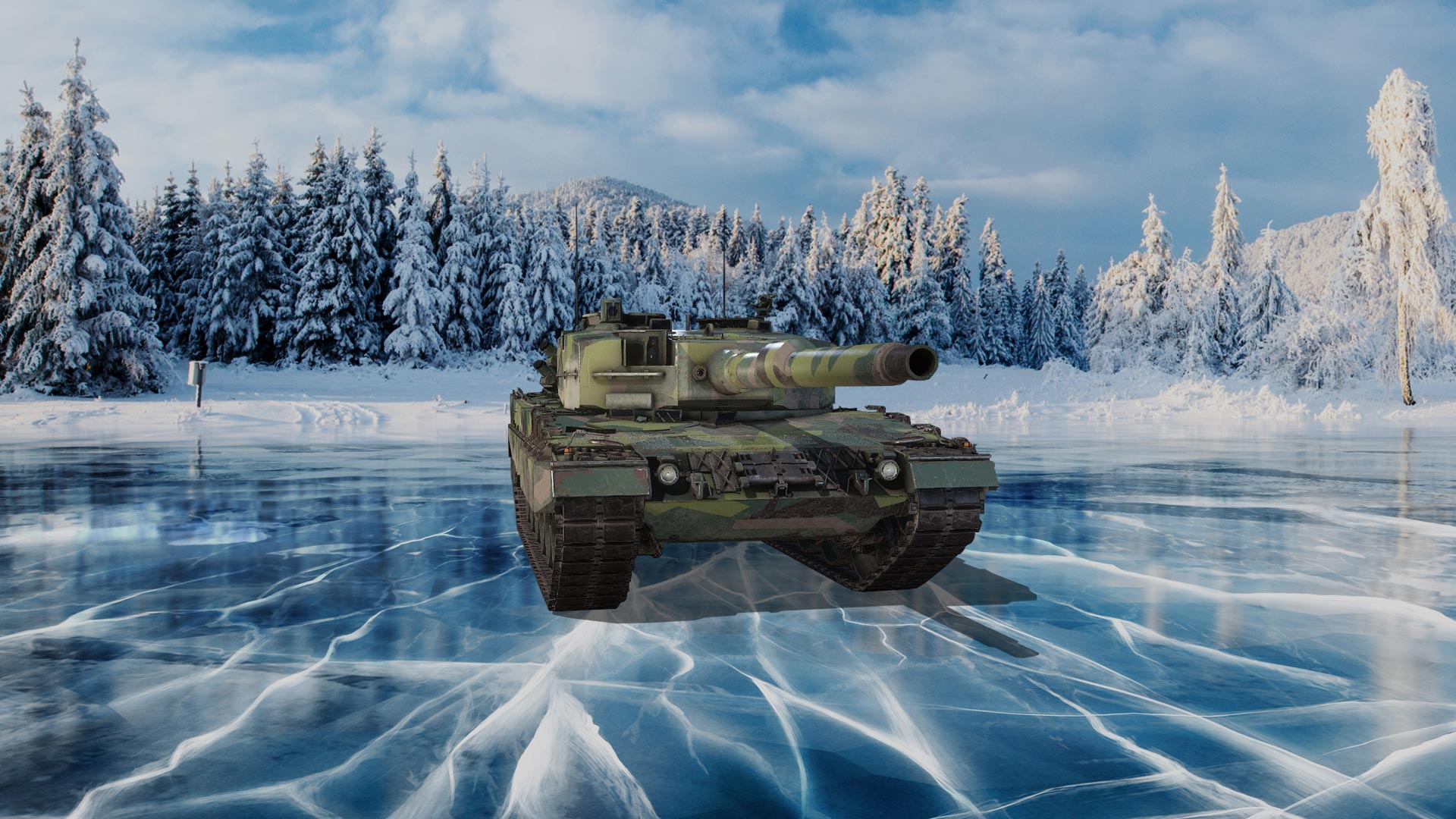
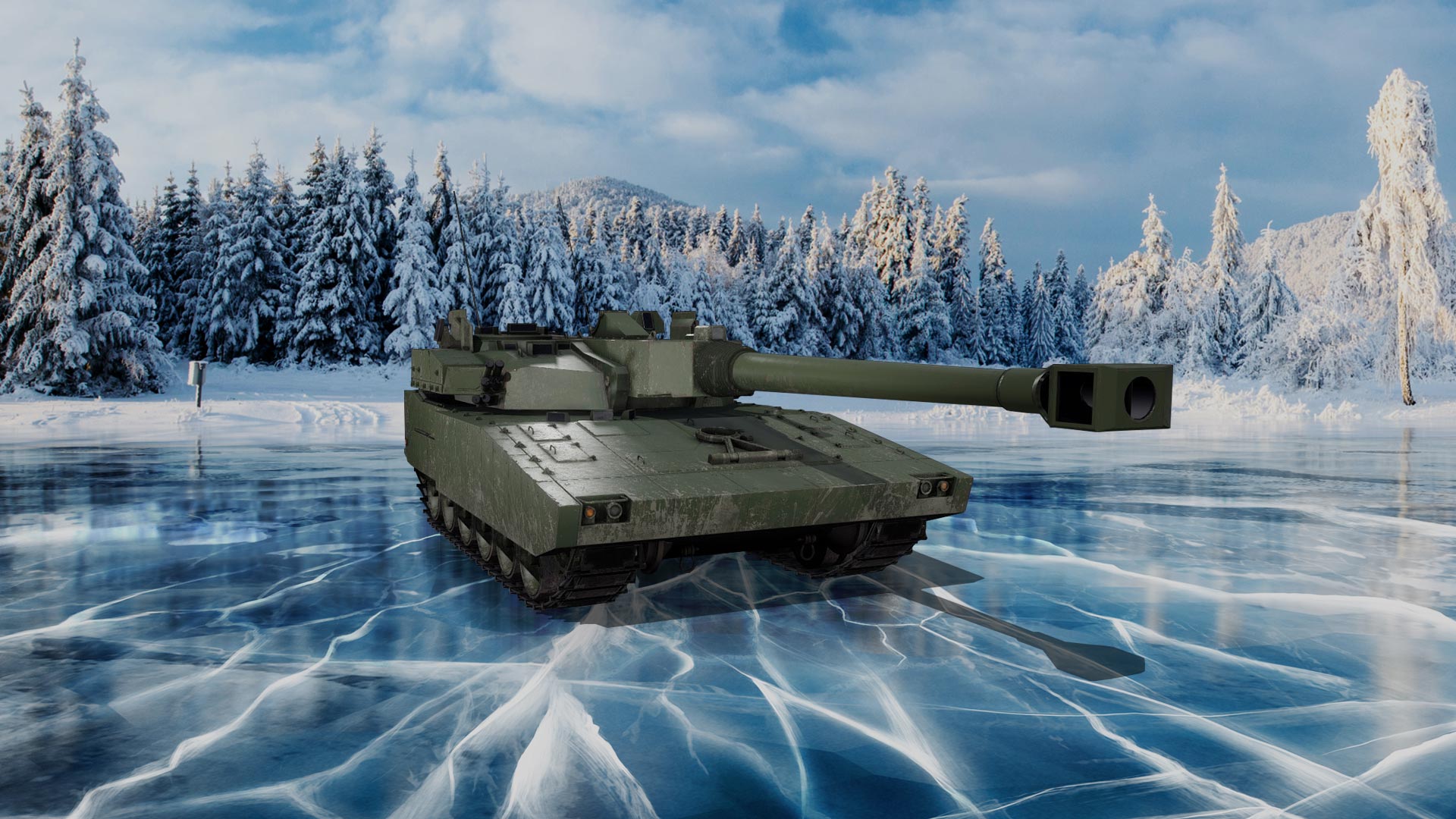
  • Stridsvagn 2000 Tier 10 Premium Main Battle Tank
  • CV90120 Ghost Tier 9 Premium Light Tank
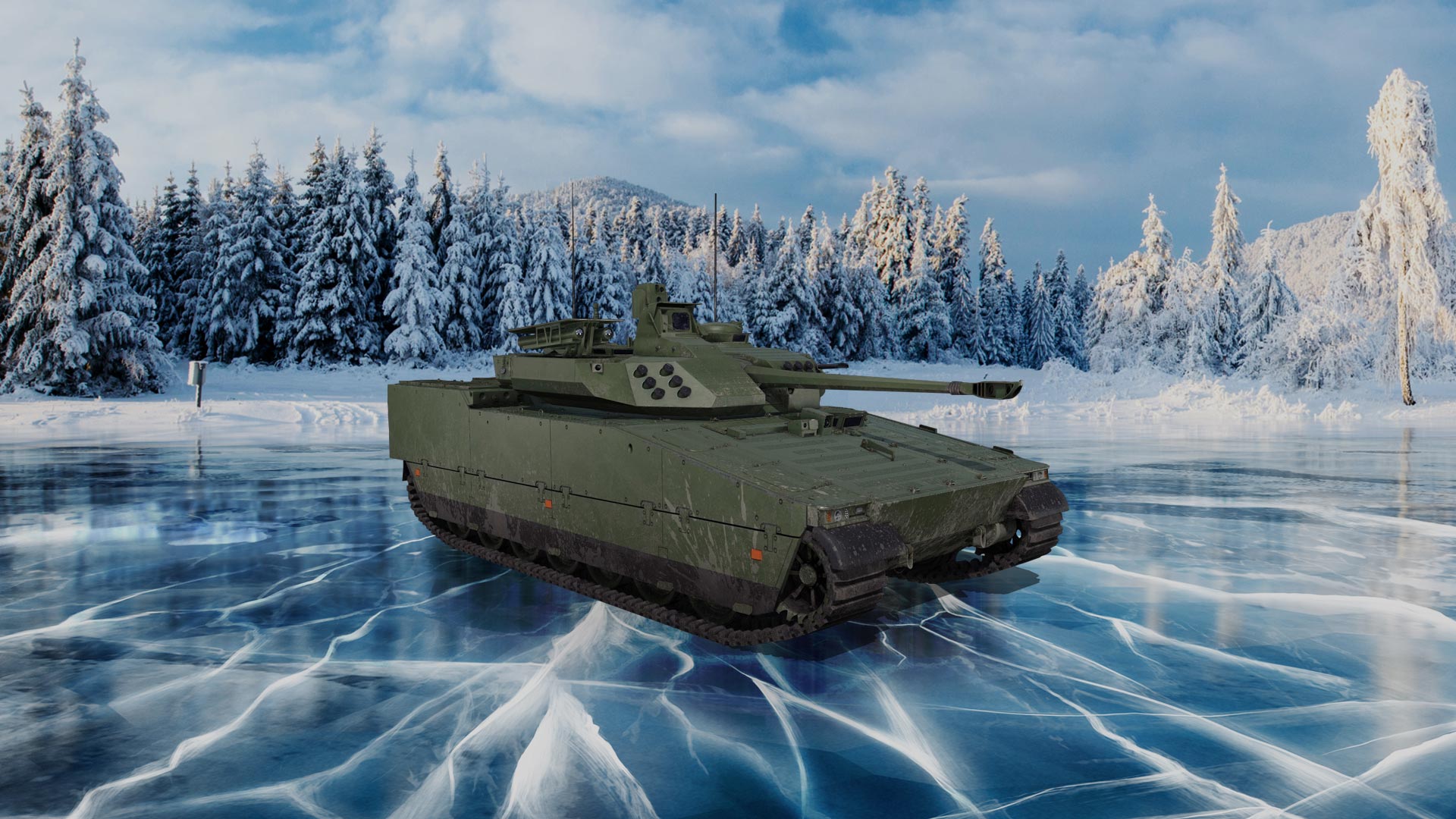
  • CV90 Mk.IV Tier 8 Premium Armored Fighting Vehicle
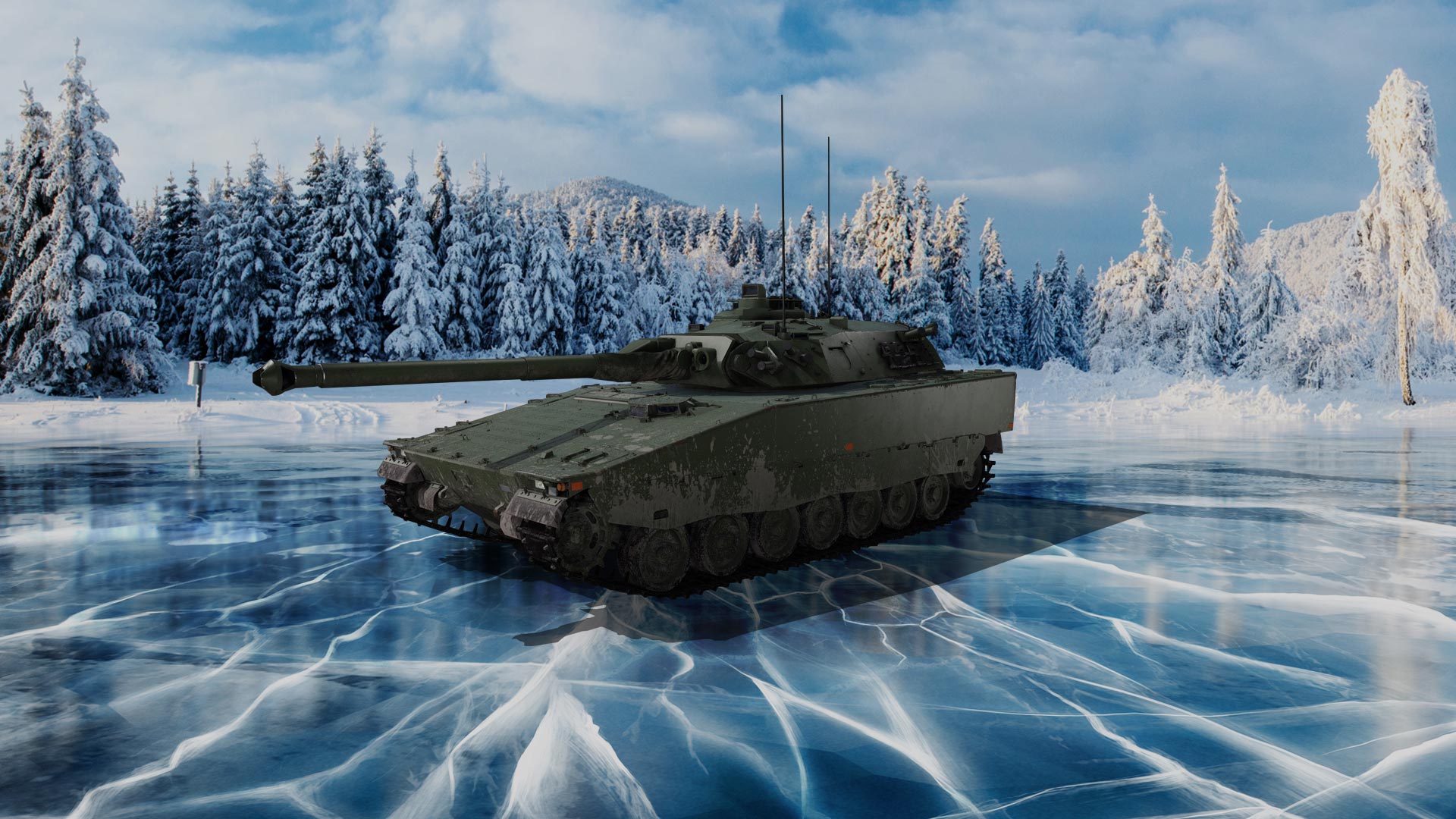
  • CV90105 TML Tier 7 Premium Light Tank
  • Swedish bundle with real-life Swedish camouflages
  • Finnish bundle with a real-life Finnish camouflage and epic titles
  • Norwegian bundle with real-life Scandinavian camouflages and unit insignia
  • Danish bundle with real-life Danish camouflage and base paint
  • Iron Crate
Between February 2 and February 9, 2023, the following items will be available:

 
[h2]Stridsvagn 2000[/h2]
 

The Stridsvagn 2000 was to be Sweden’s next Main Battle Tank, designed to combat Soviet super-tanks such as the Black Eagle. For its time, the project was nothing short of revolutionary with extremely thick frontal armor and a powerful 140mm gun that could take on literally anything in its day. However, the Soviet threat dissipated with the collapse of the Soviet Union, which pushed Sweden to seek a cheaper solution to its tank problem, namely the Leopard 2 MBT. You can learn more about it in our dedicated article.


In Armored Warfare, the Stridsvagn 2000 is a Tier 10 Premium Main Battle Tank that represents the essence of practicality. Solid armor, decent mobility and excellent damage over time output make this tank one of the most versatile tools you can have in your arsenal, equally capable in PvP and PvE. Aside from its advanced NERA armor, the Strv 2000 features a coaxial 40mm autocannon. The key to success is switching between both weapon systems and maximizing your damage output while your NERA armor eliminated one enemy shell after another.

The Stridsvagn 2000 MBT is available in our Web Shop via Loot Crates. Collect 100 blueprint pieces from these crates to obtain the vehicle.


[h2]CV90120 Ghost[/h2]
 

The CV90120 “Ghost” Light Tank was a Swedish demonstrator based on an earlier fire support model of the CV90120. As its name suggests, the vehicle is armed with 120mm smoothbore cannon but that’s the least interesting on its features. The Ghost is named after a special camouflage system called ADAPTIV that's capable of masking the bulky tank in the IR spectrum so well it disappears from enemy screens – like a ghost. You can learn more about it in our dedicated article.


In Armored Warfare, the CV90120 Ghost is a Tier 9 Premium Light Tank. Depending on your choices, it can be configured two ways – as a fast hit-and-run Light Tank using the combination of a Ready Rack and its excellent mobility, or as a stealthy sniper using the ADAPTIV system and the upgraded ammunition. While you won’t be as stealthy as dedicated Tank Destroyers or small AFVs, you’ll still be able to do a lot of damage from behind the safety of your lines.

Clicking the link below will open the game’s launcher. Please select the Market option on the left and select Armored Warfare to access this offer.


[h2]CV90 Mk.IV[/h2]
 

The Swedish CV90 Mk.IV IFV is the most modern version of the old but constantly developed CV90 platform. Since its introduction in the early 1990s, the vehicle was upgraded so much that this 2018 model bears little resemblance to the three decades old original, featuring cutting edge electronics as well as a brand new turret. You can learn more about it in our dedicated article.


In Armored Warfare, the CV90 Mk.IV is a Tier 8 Premium Armored Fighting Vehicle. It is a durable and reliable infantry carrier capable not only of dealing tremendous damage with its 50mm autocannon, but of launching powerful Spike missiles as well. In addition to that, it’s relatively well-protected and can also carry Mechanized Infantry. What’s there not to like?

Clicking the link below will open the game’s launcher. Please select the Market option on the left and select Armored Warfare to access this offer.


[h2]CV90105 TML[/h2]
 

The CV90105 TML from the 1990s was one of the first attempts to convert the CV90 chassis into a fire support vehicle by combining it with a French TML turret. The result was a fairly capable Light Tank with considerable firepower in the form of its 105mm GIAT gun that could successfully take out most MBTs of its time. Unfortunately, the vehicle didn’t manage to attract any customers and remained a prototype only. You can learn more about it in our dedicated article.


In Armored Warfare, the CV90105 TML is a Tier 7 Premium Light Tank. Depending on your choices, it can be configured two ways. You can opt for a more sustained firepower with the large 12-round clip – this way you need to stay behind your own team or hide in bushes, turning your Light Tank into something like a close support Tank Destroyer. Or, you can opt for the fun option of turning your CV90105 TML into a hit and run monster. Ambush an enemy, empty the magazine into his sides or rear and immediately retreat.

Clicking the link below will open the game’s launcher. Please select the Market option on the left and select Armored Warfare to access this offer.


[h2]Swedish Bundle[/h2]
 

Despite its neutrality, Sweden is one of the premiere arms manufacturers in the world and has a powerful standing army to boot. Even though the country is not a part of the NATO, much of its vehicle fleet is compatible with western tech and the country now operates the Leopard 2 MBT (under the name Stridsvagn 122) as well as several CV90 variants. This bundle includes several camouflages tied to Sweden as well as a special player title.


The bundle consists of:
  • Scandinavian Summer camouflage (read more)
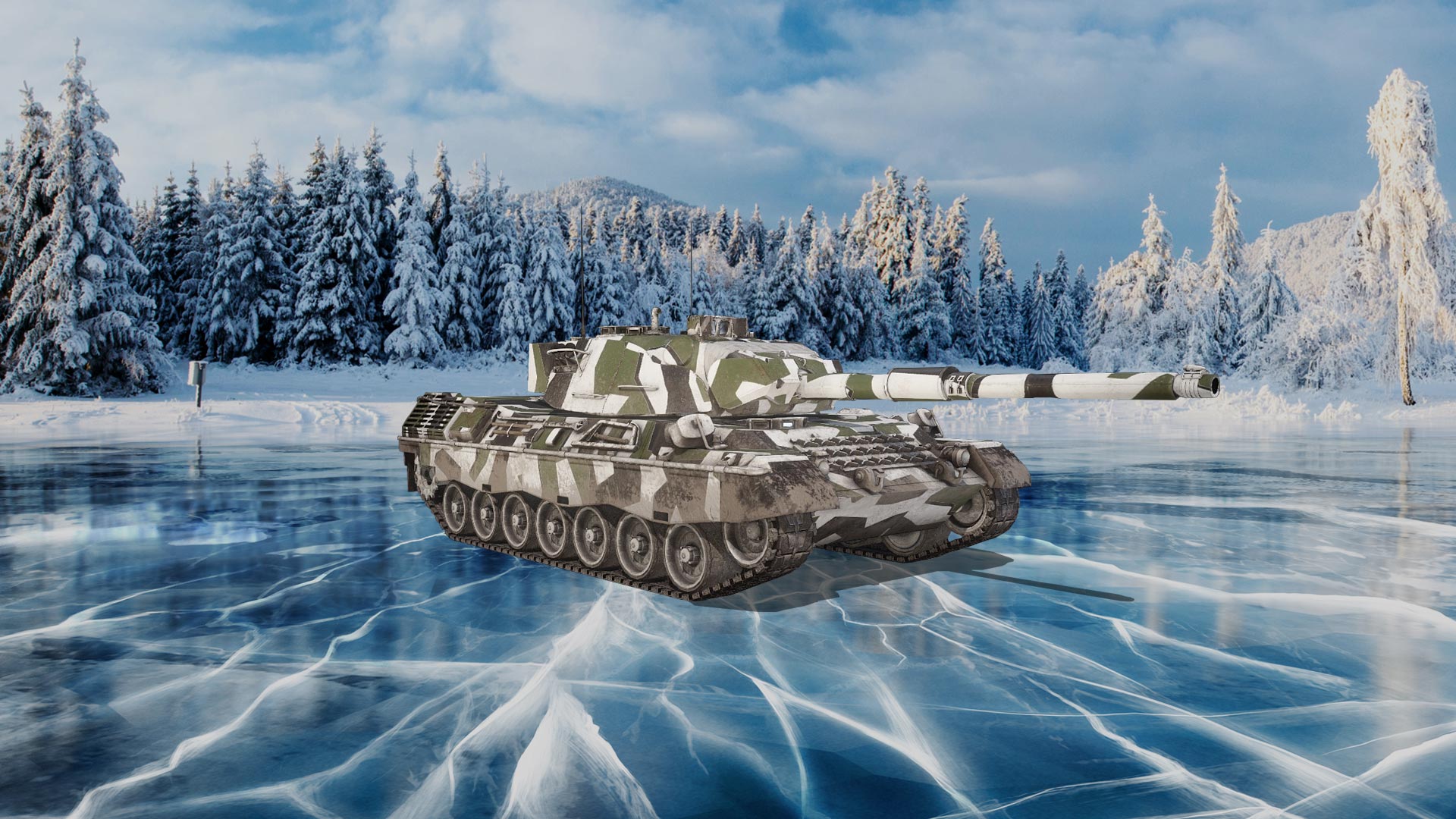
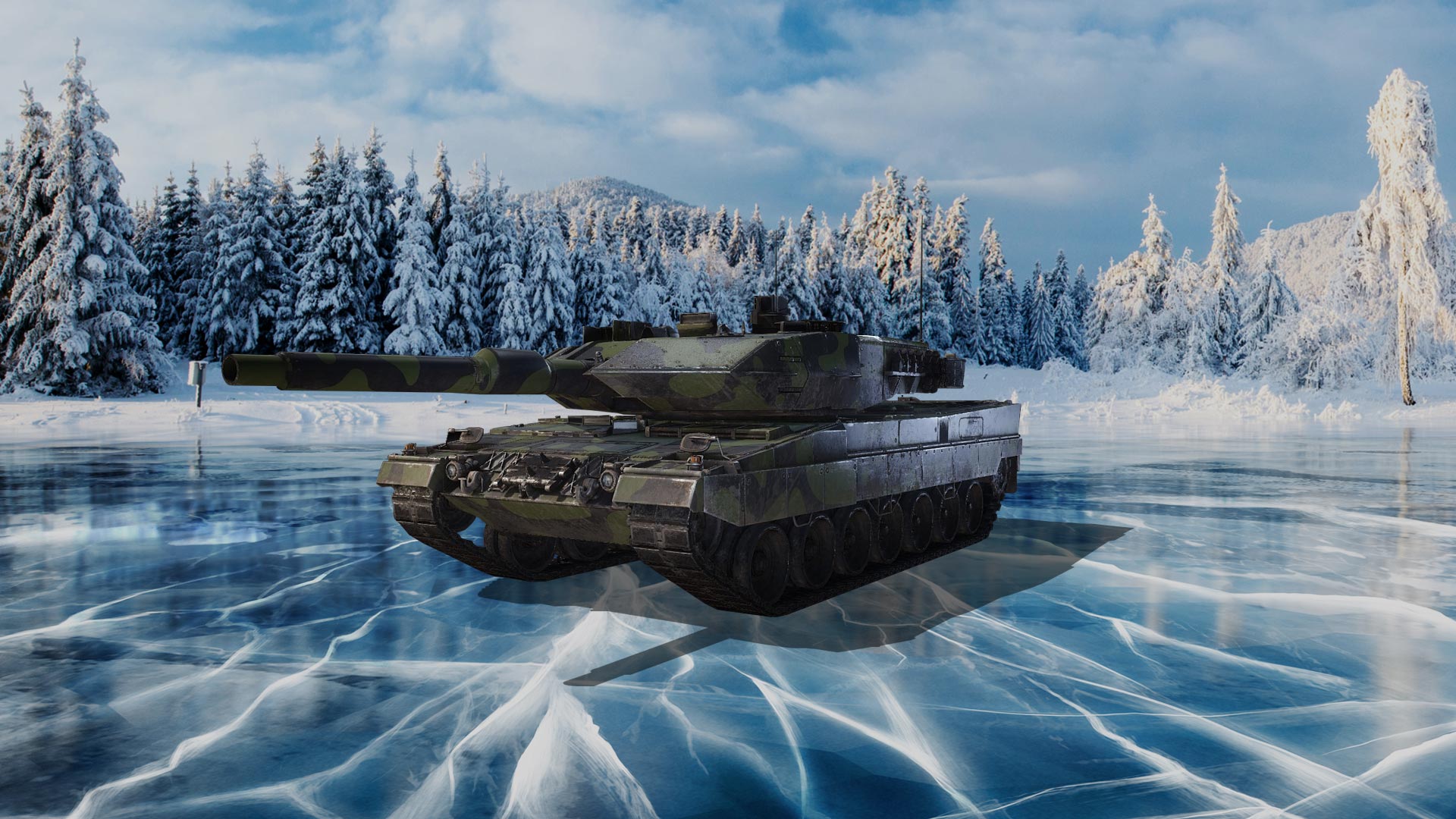
  • Scandinavian Winter camouflage (read more)
  • Swedish Export camouflage (read more)
  • Swedish Urban camouflage (as seen on various CV90 prototypes)
  • Swedish Flag decal
  • Player title “Viking”
Clicking the link below will open the game’s launcher. Please select the Market option on the left and select Armored Warfare to access this offer.


[h2]Finnish Bundle[/h2]
 

Finland has a long and interesting history of unique relationships with its neighbors, especially with Russia. Its position of neutrality after the Second World War allowed it to buy the best from both worlds with both eastern and western vehicles used by its powerful military. This bundle includes a Finnish camouflage that will look great on your BMP-2s, T-72M1s and Leopards, a Finnish Armed Forces roundel decal as well as two player titles.


The bundle consists of:
  • Finnish camouflage (read more)
  • Scandinavian Summer camouflage (read more)
  • Scandinavian Winter camouflage (read more)
  • Scandinavian base paint (read more)
  • Finnish Armed Forces Roundel decal
  • Player title “Hackapelite”
  • Player title “White Death”
Clicking the link below will open the game’s launcher. Please select the Market option on the left and select Armored Warfare to access this offer.


[h2]Norwegian Bundle[/h2]
 

Unlike Sweden, Norway is a part of the NATO with its units regularly taking part in operations abroad. One of the elite units of the Norwegian military is the famous Telemark Battalion of Mechanized Infantry and this bundle includes two items tied to it as well as the Scandinavian camouflages used by Norway and a Norwegian base paint, as seen on a Telemark Leopard deployed to Estonia in 2017.


The bundle consists of:
  • Scandinavian Summer camouflage (read more)
  • Scandinavian Winter camouflage (read more)
  • Scandinavian base paint (read more)
  • Telemark Battalion decal
  • Telemark Battalion flag
  • Player title “Einheri”
Clicking the link below will open the game’s launcher. Please select the Market option on the left and select Armored Warfare to access this offer.


[h2]Danish Bundle[/h2]
 

And last but definitely not least, we have Denmark, the army equipped with some of the best military hardware there is, including the Leopard 2A7DK Main Battle Tank. Aside from its simple but unique camouflage, this bundle contains a Danish player title, the Scandinavian base paint and a decal.


The bundle consists of:
  • Danish camouflage (read more)
  • Scandinavian base paint (read more)
  • Danish 1st Armored Battalion decal
  • Player title “Thrice-Hearted” (referring to the Holger Danske legend)
Clicking the link below will open the game’s launcher. Please select the Market option on the left and select Armored Warfare to access this offer.


[h2]Iron Crate[/h2]
 

We’ve prepared for you an additional offer this week. The Iron Crate is available on MY.GAMES Market with 50% discount!


The mechanics are very simple. This crate allows you to win one of the vehicles listed in its description (or its value in Gold if you have it already). The crate contains some very rare vehicles, including:
  • Namer Tier 10 Premium TD
  • Type 99 B Tier 10 Premium MBT

For a full list, please visit the Market Iron Crate page.

Clicking the link below will open the game’s launcher. Please select the Market option on the left and select Armored Warfare to access this offer.


We hope that you will enjoy the offer and, as always:

See you on the battlefield!

In Development: Flakpanzer Gepard

Commanders!

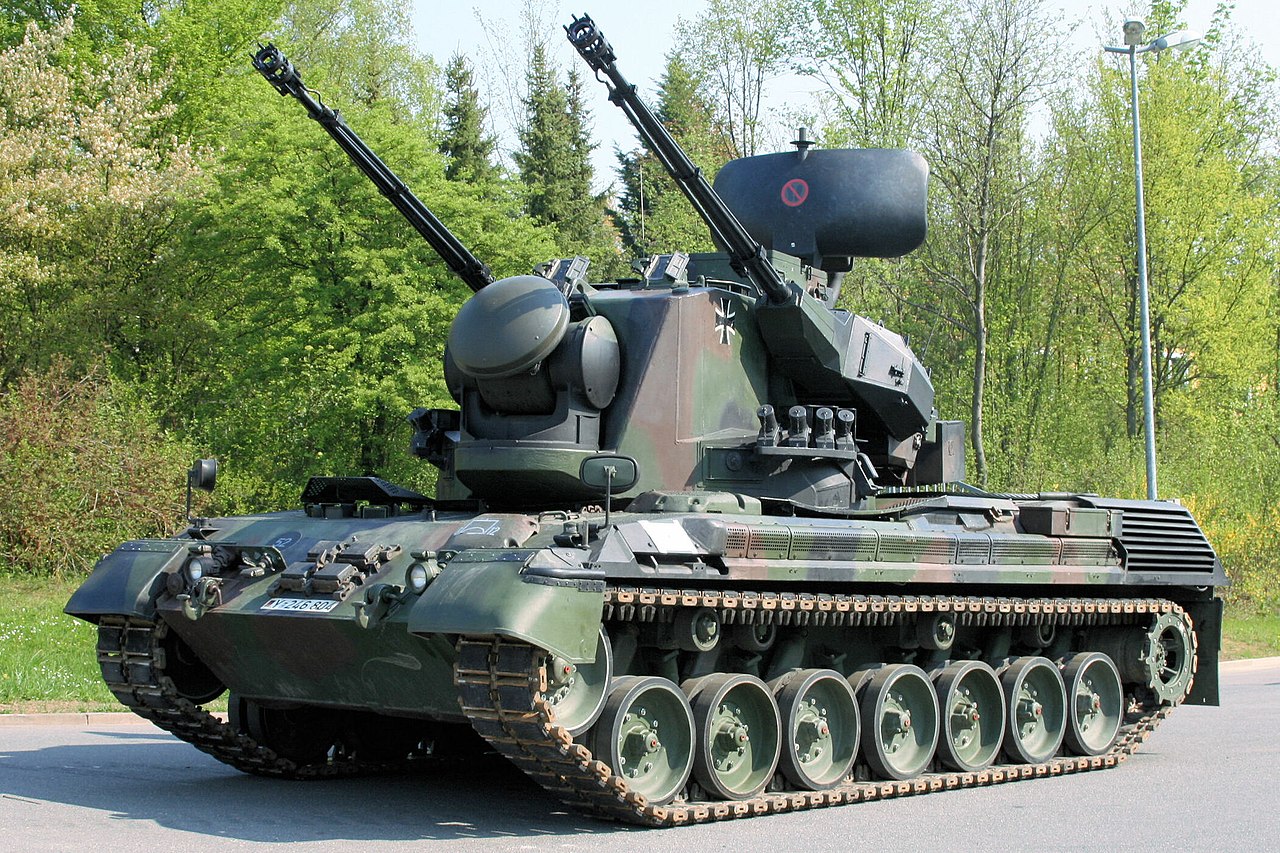
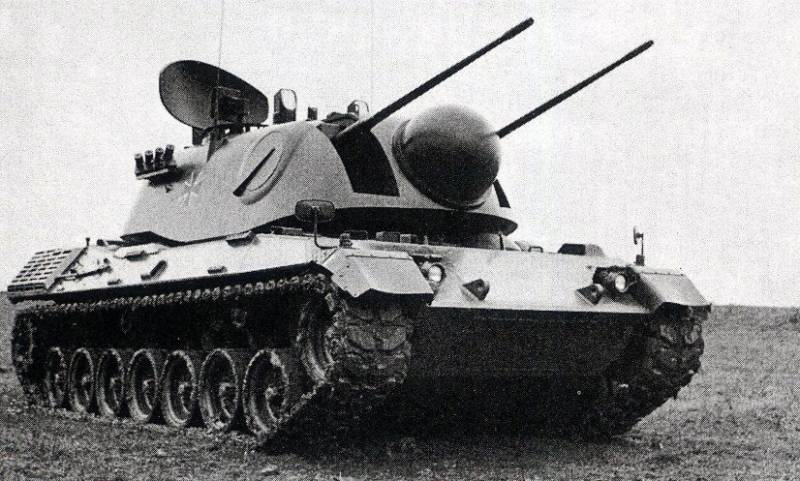
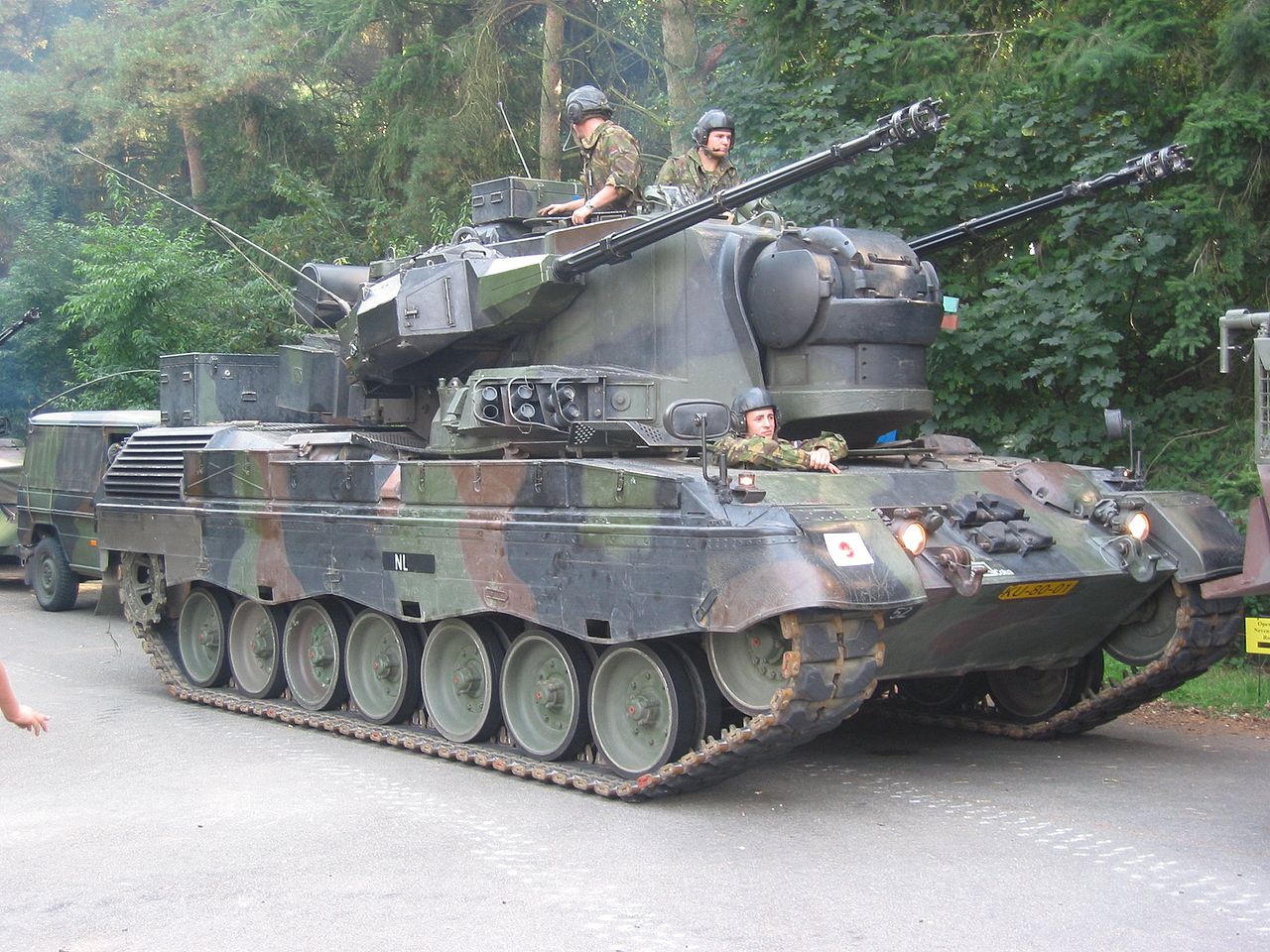
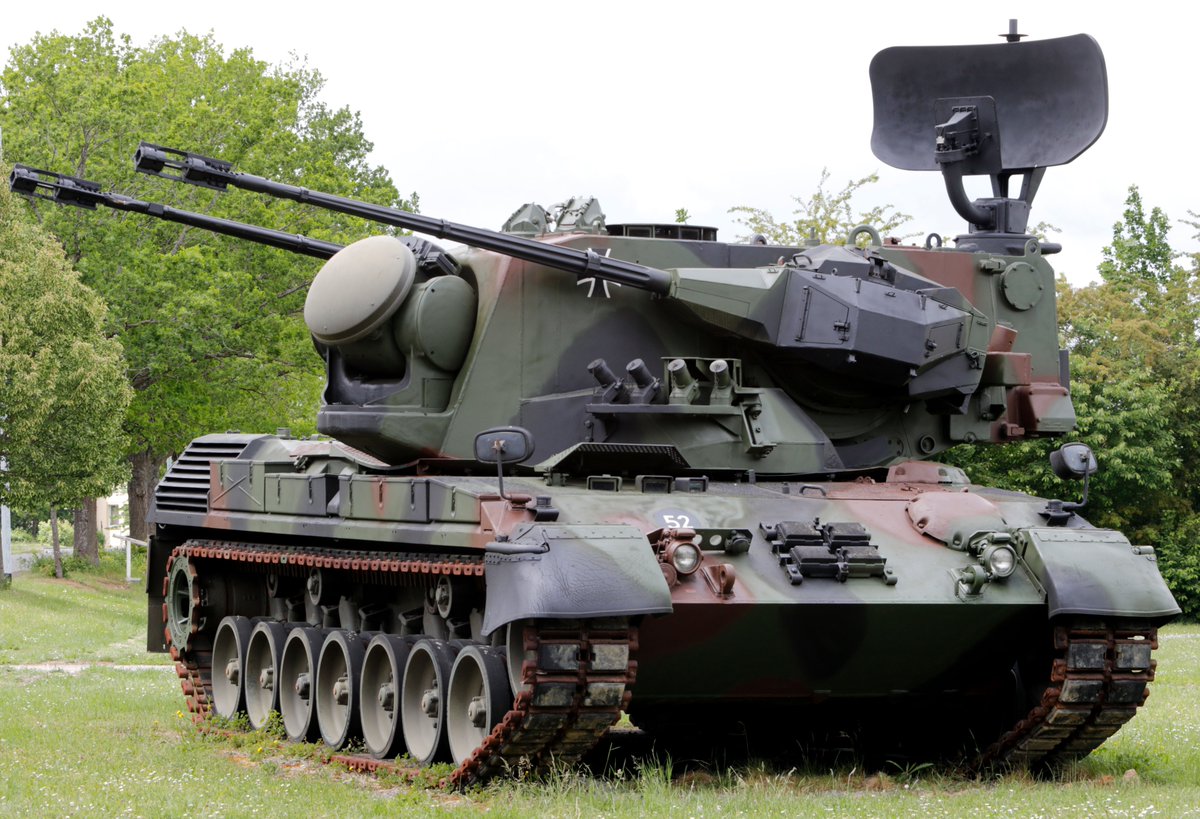
The third vehicle from the upcoming Eclipse Battle Path is quite famous and long-requested. Indeed, we are talking about Flakpanzer Gepard!


The history of the system goes back all the way to the early 1960s when the Federal Republic of Germany (West Germany) military, the Bundeswehr, deemed it necessary to replace the old American M42 Dusters in its service in their role of mobile close range anti-aircraft vehicles. The Duster, of course, was a relatively primitive machine with no real advanced features to speak of. What it had was a lot of firepower that allowed it to be brought out of retirement for the Vietnam War and used effectively against soft ground targets and slow fliers.

That, however, wasn’t really very useful for the Germans. At that point, the Soviets were still working on their Shilka SPAAGs but the mass-production of this iconic Warsaw Pact vehicle would start soon enough, in 1965. It’s not clear how much in advance the Bundeswehr was aware of this development but it does stand to reason that both militaries would think along the same logic lines and thus producing similar results.

In 1963, a program was launched by the Germans to develop a highly mobile self-propelled anti-aircraft gun armed with two (at least) 30mm autocannons. The vehicle had to be capable of keeping up with German mechanized units and therefore had to feature excellent all-terrain capabilities. At first, it was decided to utilize the early Marder IFV chassis (by then still in development) but it soon became clear that should the SPAAG include an advanced radar system, its weight would definitely exceed the limits of the Marder suspension.


It was therefore decided in 1965 to switch to the Leopard 1 MBT chassis that was far more robust. The vehicle was co-developed between Siemens, AEG-Telefunken, Porsche, Krauss-Maffei and Rheinmetall, the last two of which would prepare two modified zero series Leopard 1 hulls and fit them with an early version of the Gepard turret. This early version featured:
  • Two Oerlikon-Contraves 35mm autocannons
  • B1 radar system by Siemens
  • Important Leopard hull modifications including an additional power source and upgraded electric wiring (Daimler Benz OM 314 APU)

Against it stood a competing project by Rheinmetall called Matador, also installed on a modified Leopard chassis. This project was armed with two 30mm autocannons. Two Gepard prototypes were built and tested between 1965 and 1970 alongside the Matador while two more prototypes were built. In the summer of 1970, the competition was decided in Gepard’s favor and by the end of the year, four prototype vehicles were built. By 1973, five pre-production vehicles were ready for the Netherlands – the Dutch vehicles had a different radar system by Philips.

The official decision to arm the Bundeswehr with the Gepards was taken by the Ministry of Defense on February 5, 1973 with Krauss-Maffei as the general supplier together with Oerlikon-Contraves (weapons) and Siemens (radar).


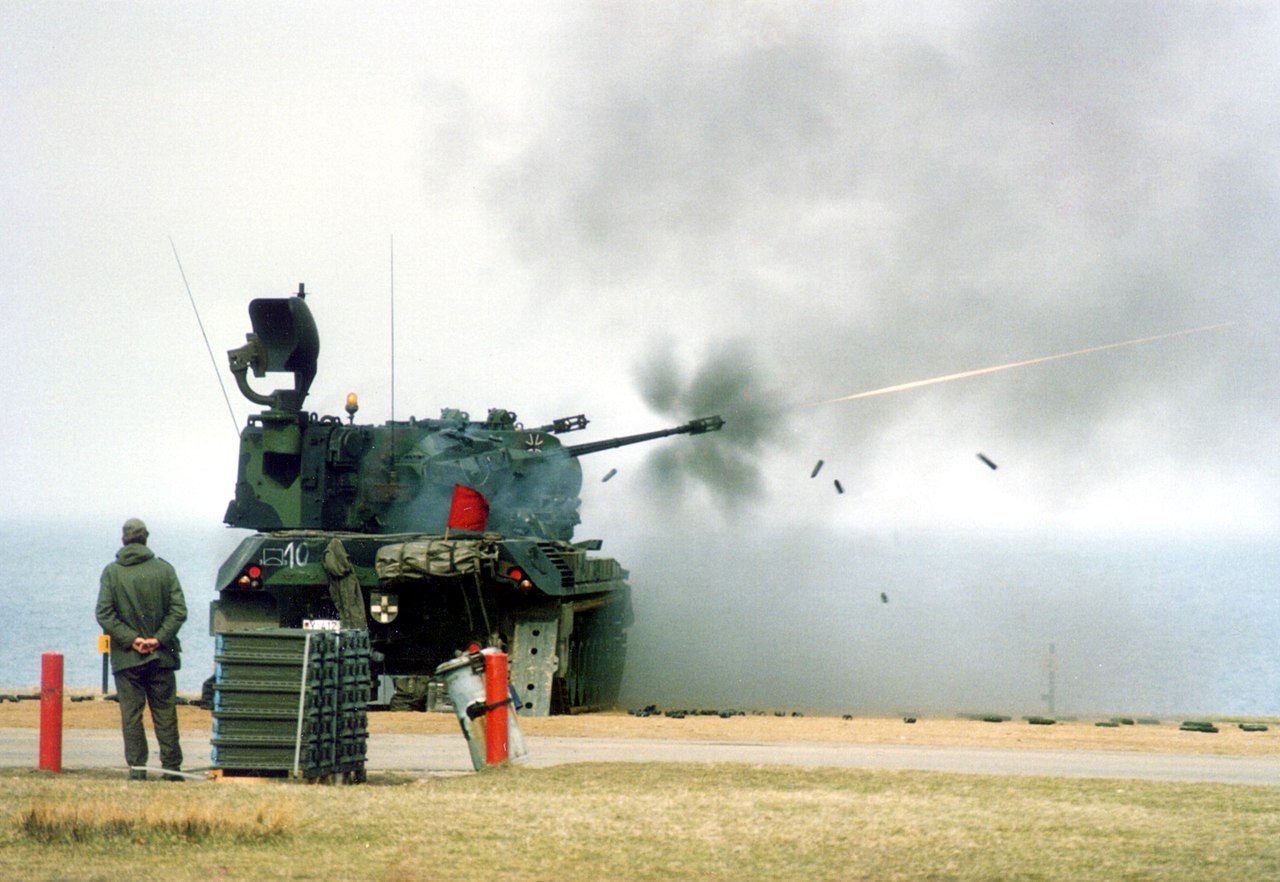
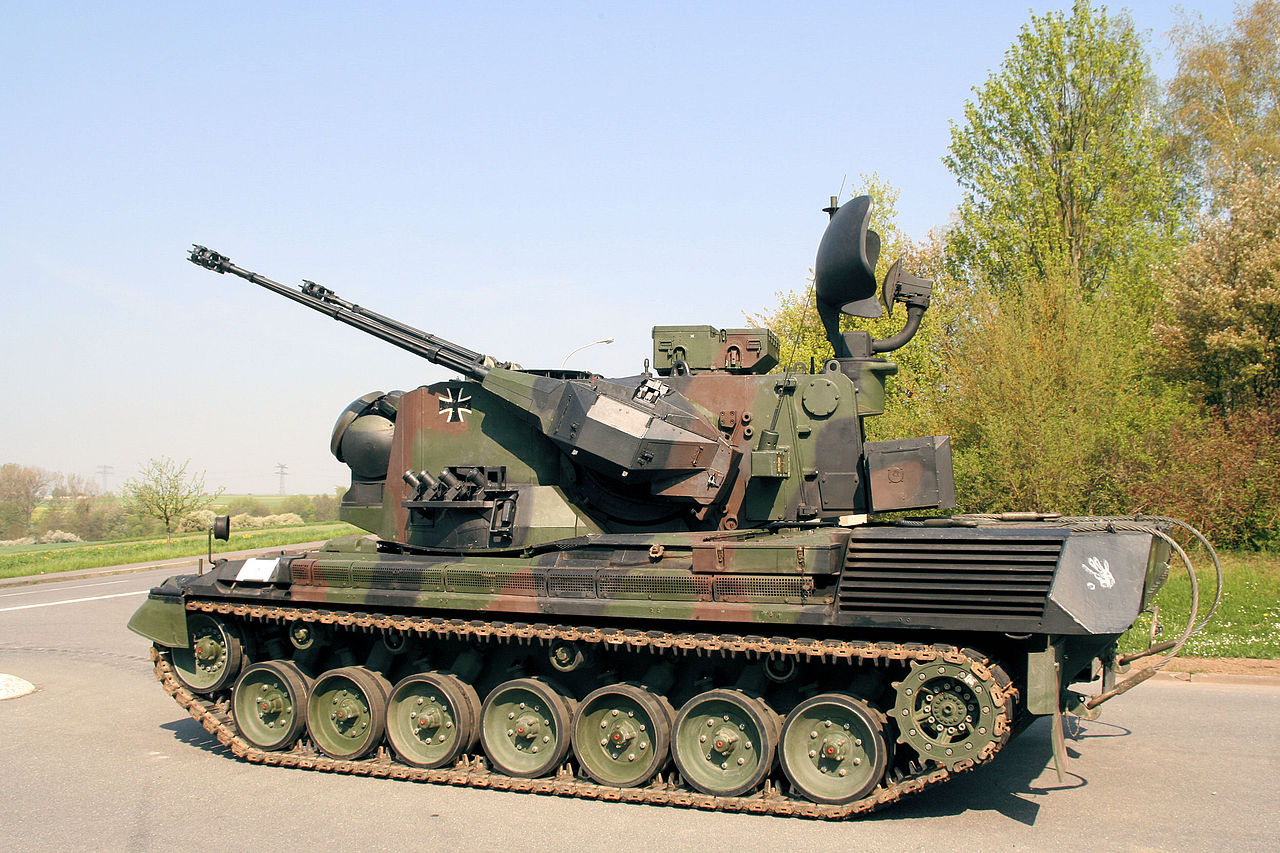
The production version weighed 45 tons, had a crew of three men (commander, gunner and driver) and was armed with two Oerlikon-Contraves 35mm KDA autocannons, each firing at 550 rounds per minute. The guns could elevate to +85 degrees and depress to -5 degrees. They were controlled by an analog computer at first (later replaced by the C3 digital system) and two radar systems:
  • Siemens MPDR 12 360 degrees target acquisition radar (the rotating radar on top)
  • Siemens-Albiswerk gunnery radar (the radar dish in front of the turret between the guns)

The German upgraded version B2L was also fitted with a laser rangefinder. The vehicle carried 700 rounds, 660 of which were high-explosive against flying targets and 40 rounds against ground targets. The HE round muzzle velocity was 1175 m/s and the maximum effective range was 4000 meters.

The turret armor was quite thin (we’re speaking of 19-21mm of steel) while the hull was roughly as thick as that of the Leopard 1 MBT. The MTU MB 838 830hp engine was the same as on the Leopard 1 as well, allowing the vehicle to go as fast as 65 km/h with the range of 550km.


Between 1976 and 1980, Germany received 420 Gepard SPAAGs (variant B2 and B2L) with the Netherlands receiving 95 vehicles with different radar. At the same time, Belgium received 55 ordered Gepards of the same type as Germany.

Estimated 147 vehicles were refitted to the Gepard 1A2 standard with an improved FCS and new programmable ammunition increasing the range to roughly 6km. Info about this variant is remarkably scarce. It can be recognized by different muzzle brakes and our model is based on it.

In Germany, the Gepards served for more than four decades before being officially withdrawn from service in 2010 and replaced by the Wiesel 2 Ozelot SPAAG. The final Gepard actually left the German service in 2012 as keeping such old hardware operational was deemed too expensive.


Likewise, the Dutch phased theirs out in 2006 and the Belgians did so around the same time and sold their Gepards to private hands. This led to several sales operations where other countries acquired this old but still relatively effective weapon.

In the December of 2004, 43 phased-out German Gepard systems were donated to Romania after the Romanians had successfully tested them in September of the same year. The donation included logistics and the training of 25 Romanian specialists. Of these 43, 36 were renovated by KMW while the remaining 7 vehicles were to be used for spare parts.

Another attempt to sell these off was made in 2008 to Chile with 30 Gepards being contracted. Four vehicles were delivered the same year but the Chileans found the operating costs a little too high to their liking and the remaining order was cancelled. Chile kept the four operational until 2011 when the military got rid of them.

Jordan purchased 60 ex-Dutch vehicles in 2013 with the delivery being made between 2014 and 2016. And finally, Brazil ordered 54 ex-German vehicles the same year and received them between 2013 and 2015. Qatar was interested in a certain number two years prior to the FIFA World Cup, but nothing came of it so far. And that’s it for the customers – well, paying customers, at least.


The only combat use of the Gepard SPAAG occurred relatively recently. Between July 2022 and today, Ukraine received 30 Gepards intended to be primarily used against drones targeting the Ukrainian infrastructure. Some Geran-2 drones (copies of the Iranian Shahed-136, also known as “flying mopeds”) were indeed likely shot down by the deployed Gepards and there has been at least one case where a Russian helicopter was engaged by a Gepard SPAAG. The Ukrainians claim to have used the Gepard against cruise missiles as well.

Germany is planning to supply Ukraine with 7-8 more Gepards in 2023 but is hampered by the Swiss embargo on its ammunition. Rheinmetall already promised to build a local ammo factory in Germany to bypass the problem so it seems this venerable machine still has some fight left in it.

In Armored Warfare, the Gepard will be a German Tier 8 Premium Armored Fighting Vehicle and a reward vehicle of the Eclipse Battle Path, obtainable by unlocking Level 19 of the Battle Path.

The Gepard will be a typical self-propelled anti-aircraft gun that will depend heavily on damage output and long spotting range rather than its armor or stealth. The vehicle’s hull will be similar to that of Leopard 1 and the manned turret armor will be steel-only so right off the bat it’s clear that this vehicle isn’t going to withstand a lot of damage. Of additional protection measures, only smoke grenades are present.


On the other hand, you’ll have two decent, rapid-firing 35mm autocannons capable of powerful bursts that will tear down even medium-armored targets (in case it wasn’t obvious, the Gepard shouldn’t trade shots with MBTs, at least not in PvP). The combined rate of fire of 1200 rounds per minute is nothing to sneeze at, although we’re still tuning the firepower details in order to make the vehicle viable. Of interesting ammunition types, the Gepard will feature PELE-like FAPDS ammunition as a Workshop upgrade.

Mobility-wise, the vehicle will be identical to its Leopard roots – in other words, it’ll be similar to a slower light tank or a lighter MBT such as the Leopard 1A5. After all, with its 45 tons it’s not exactly a spring chicken.


And last but not least, there are the camouflage and spotting range values. We are looking at 25% camouflage and 380 meters of viewrange although the latter will be possible to enhance via the Radar active ability similar to the one of the Draco AFV. And that’s pretty much it – just a solid vehicle for you guys to drive.

We hope that you’ll enjoy the vehicle and, as always:

See you on the battlefield!
Server Maintenance

On the 2nd of February 2023, starting from 8:00 CET, the server will not be available for 2 hours due to a planned server maintenance.


Please note that the maintenance can be extended beyond the abovementioned timeframe. We apologize for the inconvenience.