CS:GO ranks explained: How to get your first rank, rank distribution, and more
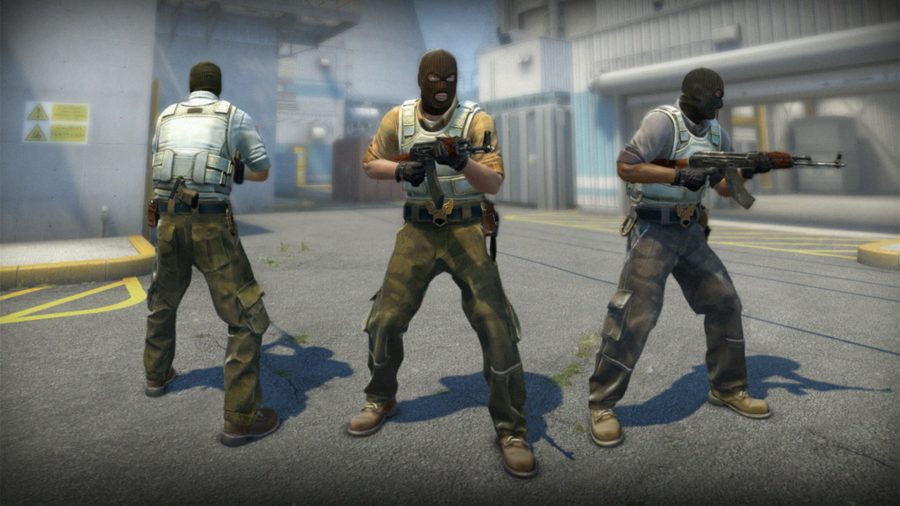
Whether you're playing with the pros in Global Elite servers or stuck in Silver, ranks are synonymous with Counter-Strike: Global Offensive. CS:GO ranks can be hard to attain and maintain, but understanding the ranking system in the popular Valve shooter is key to working out just how good you are, and what you need to work on.
Not everyone will be able to climb to the dizzying heights of Global Elite, and that's ok, but the skill gap between the average ranks can be far and few between. If you want to improve as a player, you'll want to get studying, because understanding the ranking system in CS:GO is crucial to your development.
We can't promise it'll be easy though. Like all good competitive games, you'll be taken on a roller coaster of emotions, with every win, loss, and draw factoring into your rank, which will determine how the community sees you.
This detailed guide will cover everything you need to know about CS:GO ranks, including the difference between Competitive, Wingman, and Danger Zone ranks, and what you can do to establish yourself as a Global Elite.
RELATED LINKS:
ForZe's lmbt is free to coach again after ESIC lifts his CS:GO ban
es3tag leaves Astralis to join Cloud9's CS:GO roster
FURIA to replace 100 Thieves at BLAST Premier Fall Series